


Antique Dinnerware Set
An antique dinnerware set gathers generations of dining history to your table, offering unmatched character for everyday meals or formal gatherings.
Antique Dinnerware Set
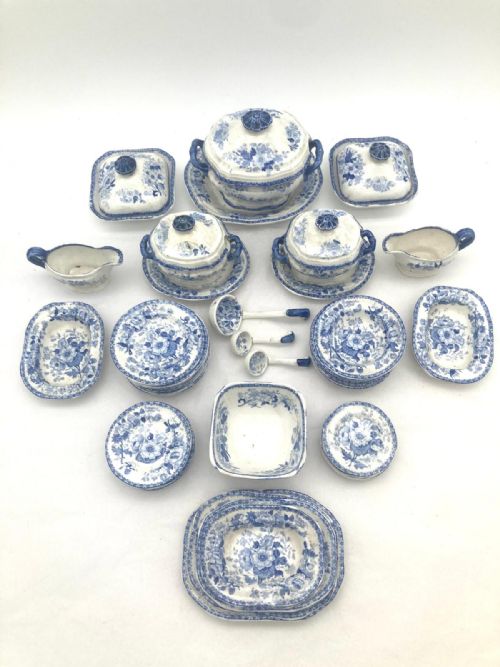
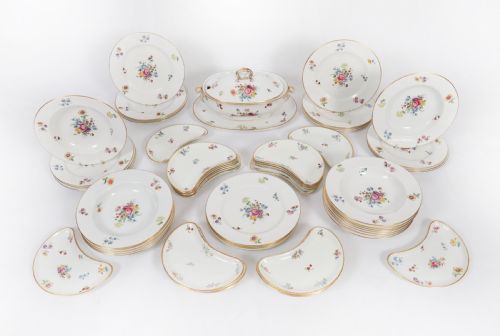
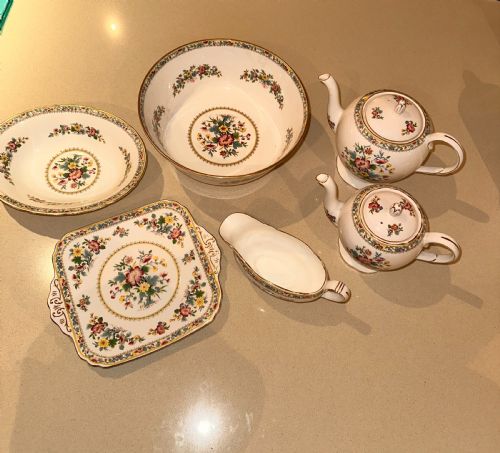
When you search for an antique dinnerware set, you encounter complete services, partial settings, and smaller groupings spanning the eighteenth and nineteenth centuries. These collections feature diverse forms ranging from large multi-piece dinner services to intimate child's services and matched plate sets.
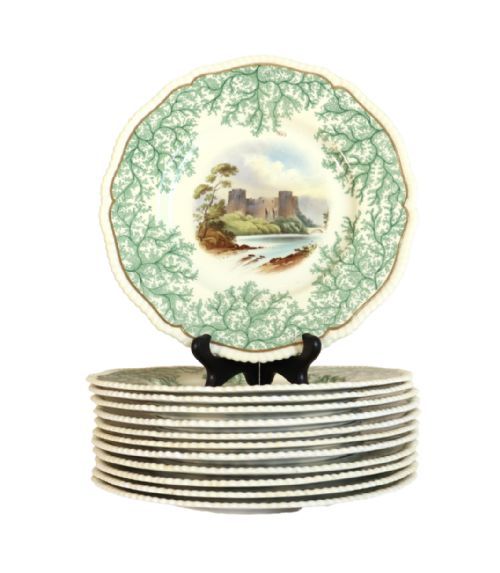
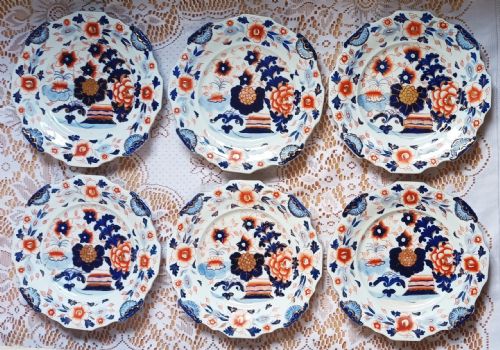
The pieces on this page emerge from distinct periods including Georgian, Victorian, and Edwardian eras, showcasing traditional English craftsmanship and continental manufacture. You will regularly find services comprised of earthenware, creamware, porcelain, and ironstone china.
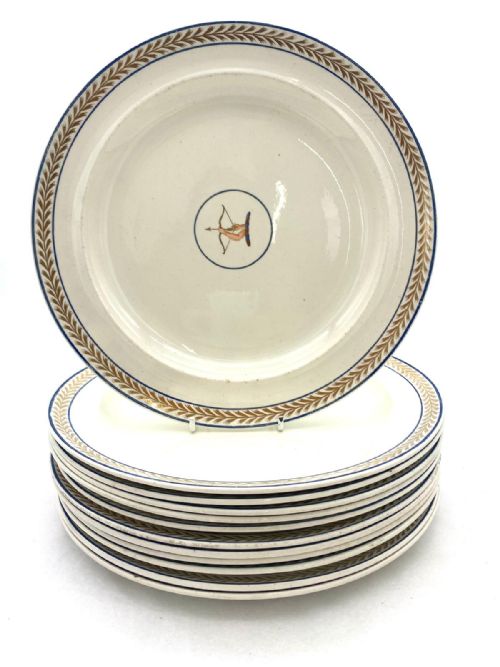
Makers utilise traditional motifs such as blue and white transfer prints, hand-painted botanicals, armorial crests, and classic patterns like Willow or Italian. Such sets provide both functional utility and historical display value for collectors and hosts alike.
How they were made
Potters shaped earthenware, creamware, porcelain, and ironstone bodies using local clays and refined pastes before applying specialised glazes. Artisans then decorated the surfaces through hand-painting, blue and white transfer printing, and polychrome enamel work.
Many finer porcelain and ironstone services incorporate delicate gilding, gold leaf accents, and intricate hand-applied borders. Firing techniques evolved across the eighteenth and nineteenth centuries to yield durable bodies capable of retaining detailed patterns.
Listings feature eighteenth and nineteenth-century periods, utilising earthenware, creamware, porcelain, and ironstone materials.
What varies in quality
The distinction between standard wares and superior services lies in the execution of the decoration and the purity of the ceramic body. Hand-painted botanical motifs and detailed armorial crests command greater appreciation than mass-produced transfer prints.
Completeness and preservation of the original service greatly influence the standing of a set. Uniformity across large groupings and the crispness of the underglaze or enamel colours separate average pieces from exceptional examples.
Spode·Wedgwood·Minton·Copeland·Booths·Coalport·Masons·Doulton·Müller Volkstedt·Chamberlains
The Antique Dinnerware Set Glossary
- Creamware
- A fine-grained earthenware with a pale yellowish-buff glaze developed in eighteenth-century England. Josiah Wedgwood refined this versatile body to dominate European dining tables.
- Transfer printing
- A decoration technique where an engraved copper plate transfers a design onto paper, which is then stamped onto the ceramic body. This method allowed intricate patterns like blue and white landscapes to be replicated efficiently.
- Ironstone china
- A patented ceramic body known for its heavy, durable composition that mimics porcelain. It bridges the gap between refined porcelain and sturdy earthenware.
- Armorial
- Bearing a coat of arms or family crest painted directly onto the ceramic surface. These bespoke sets were commissioned by prominent families and ruling figures.
- Enamel
- Opaque coloured glass fused to the ceramic surface during a secondary low-temperature firing. Artisans use enamel colours to add vibrant hues over monochrome transfers or painted outlines.
Antique Dinnerware Set: Frequently Asked Questions
How do I care for antique dinnerware?
Wash each piece gently by hand using lukewarm water and a mild detergent. Avoid mechanical dishwashers and harsh scouring pads to protect delicate glazes and gold leaf accents.
Store pieces with felt separators between plates to prevent surface scratching. Proper handling preserves the historical finish of earthenware and porcelain.
Can I use antique dinnerware for meals?
Many sets remain fully functional for dining, provided you treat them with care. Examine the glaze for stability before serving hot or acidic foods.
Earlier pieces with extensive enamel or gilt work are better reserved for light use or display. Modern hand washing ensures safe longevity for daily dining.
What is the difference between ironstone and porcelain?
Porcelain is a vitrified, translucent ceramic fired at high temperatures to create a dense, non-porous body. Ironstone is an opaque, heavy earthenware engineered for maximum durability.
Both materials were widely utilised for formal and everyday dining across the nineteenth century. Ironstone offers greater resistance to chipping during routine service.