


Antique Dinner Wagon
An antique dinner wagon offers tiered shelving and smooth mobility, designed for serving food and drink with classic nineteenth-century practicality.

Identifying an antique dinner wagon
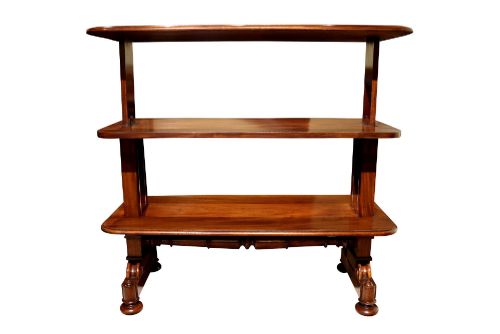
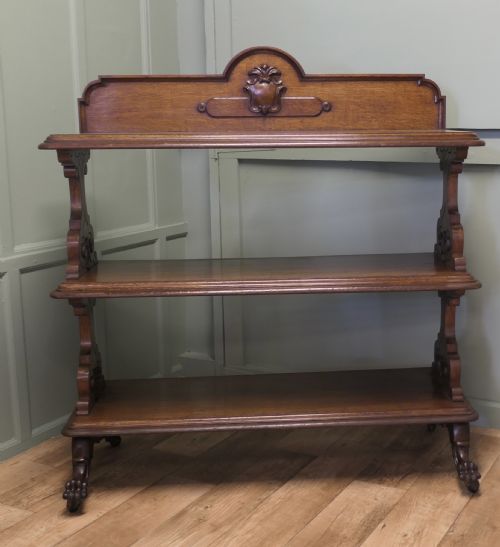
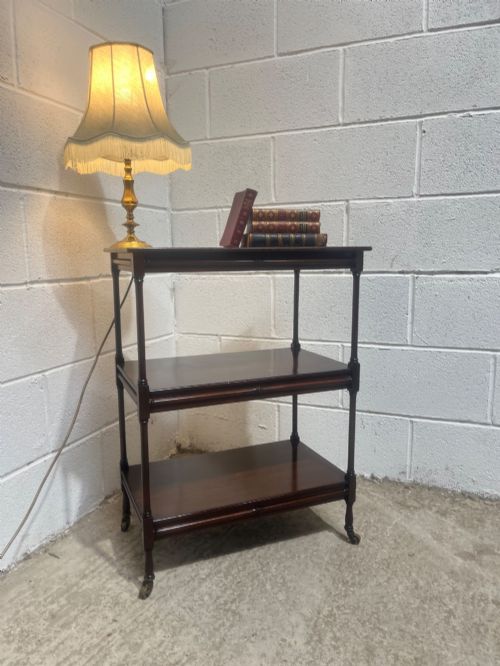
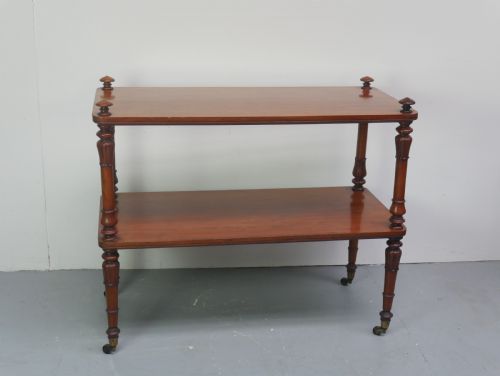
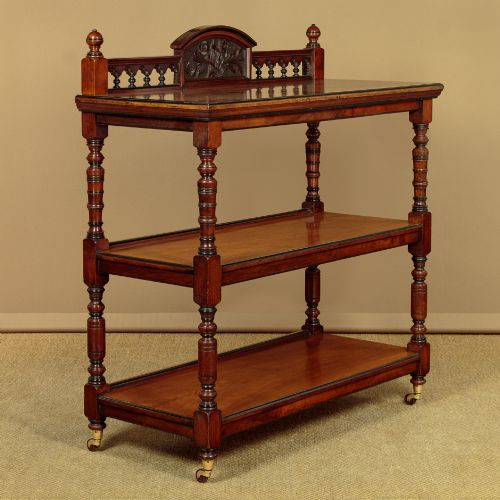
An antique dinner wagon serves as a practical multi-tiered piece of furniture designed for holding food, dishes, and drinks during dining hours. When exploring this selection, buyers frequently encounter nineteenth-century mahogany and oak forms, alongside Edwardian folding designs.
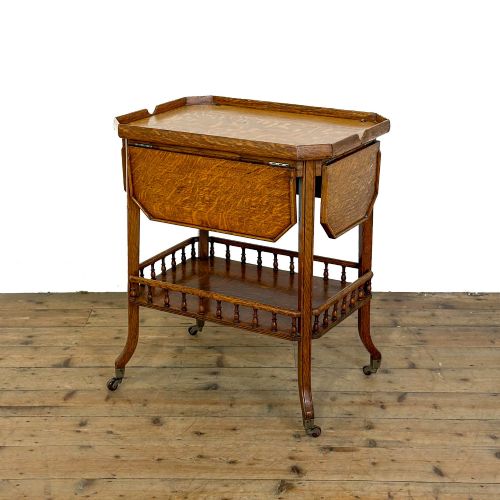
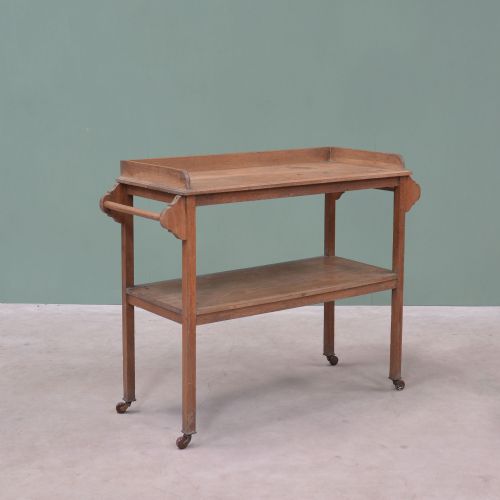
The objects listed here span the Victorian, William IV, and Edwardian eras, encompassing three-tier buffets, dumb waiters, and tea trolleys. These serving pieces reflect the domestic habits of earlier centuries, providing functional surface area on wheels or sturdy legs.
Most examples rely on robust timbers such as mahogany and pollard oak, often fitted with brass hardware or ceramic castors for movement. These items range from formal side serving tables to collapsible wooden tea trolleys suitable for more compact spaces.
Materials and construction
Cabinet makers utilised dense hardwoods like mahogany and figured pollard oak to build these serving pieces, ensuring the tiered structures could support heavy tableware. Timber boards were joined carefully to form stable shelves and drop-leaf mechanisms.
Metal components such as brass brackets, handles, and castors were incorporated to facilitate the movement of heavy wooden tiers. Some models integrated ceramic elements within the hardware or structure to enhance durability and finish.
Retail Price Guide 2026
Typical UK retail prices for dinner wagon, calculated from the Sellingantiques database of over a million retail prices indexed since 2003. This retail price guide relies exclusively on Sellingantiques data; no external sources or auction records are used, so the figures do not describe the wider market.
Several Victorian trolleys boast three separate tiers so diners could theoretically stage an entire afternoon tea without ever standing up.
Assessing craftsmanship and proportion
Superior examples demonstrate exceptional timber selection, such as richly figured pollard oak or deeply patinated mahogany, coupled with finely turned columns and precise joinery. The refinement of the turning and the harmony of the tier spacing distinguish finer pieces from simpler utility items.
The integration of functional mechanics, such as smooth-running castors, stable rise and fall mechanisms, or well-fitted folding tops, dictates the utility of each wagon. A successful piece balances structural integrity with graceful proportions across multiple tiers.
The Antique Dinner Wagon Glossary
- Dumb waiter
- A tiered serving stand or shelving unit historically used to hold dishes without the need for an attending servant. These items provide multiple levels for food and beverage placement.
- Pollard oak
- Timber taken from trees that were pollarded, resulting in a distinctive, tightly clustered grain pattern with high decorative appeal. Cabinet makers prized this wood for statement furniture panels.
- Rise and fall
- A mechanical arrangement allowing specific tiers to be adjusted in height via a central screw or ratchet mechanism. This innovation offered adaptable storage for varied dish sizes.
- Castor
- A small wheel fitted to the legs or base of furniture to allow easy rolling across carpets or floorboards. They are frequently cast from brass and sometimes incorporate ceramic components.
- Buffet
- A sideboard or serving table designed for displaying and serving food and drink. In nineteenth-century contexts, these often feature multiple tiers supported by turned columns.
Frequently Asked Questions
What is an antique dinner wagon?
An antique dinner wagon is a multi-tiered piece of furniture designed to transport and serve food, drinks, and tableware during meals.
These pieces typically date from the nineteenth and early twentieth centuries, offering practical shelving supported by timber columns and mobility via castors.
How were these wagons used historically?
These pieces served dining rooms as auxiliary surfaces for holding dishes, wine bottles, and courses away from the main dining table.
They allowed households to manage meals efficiently, bringing provisions closer to guests as needed throughout the dining process.
Are these pieces suitable for modern homes?
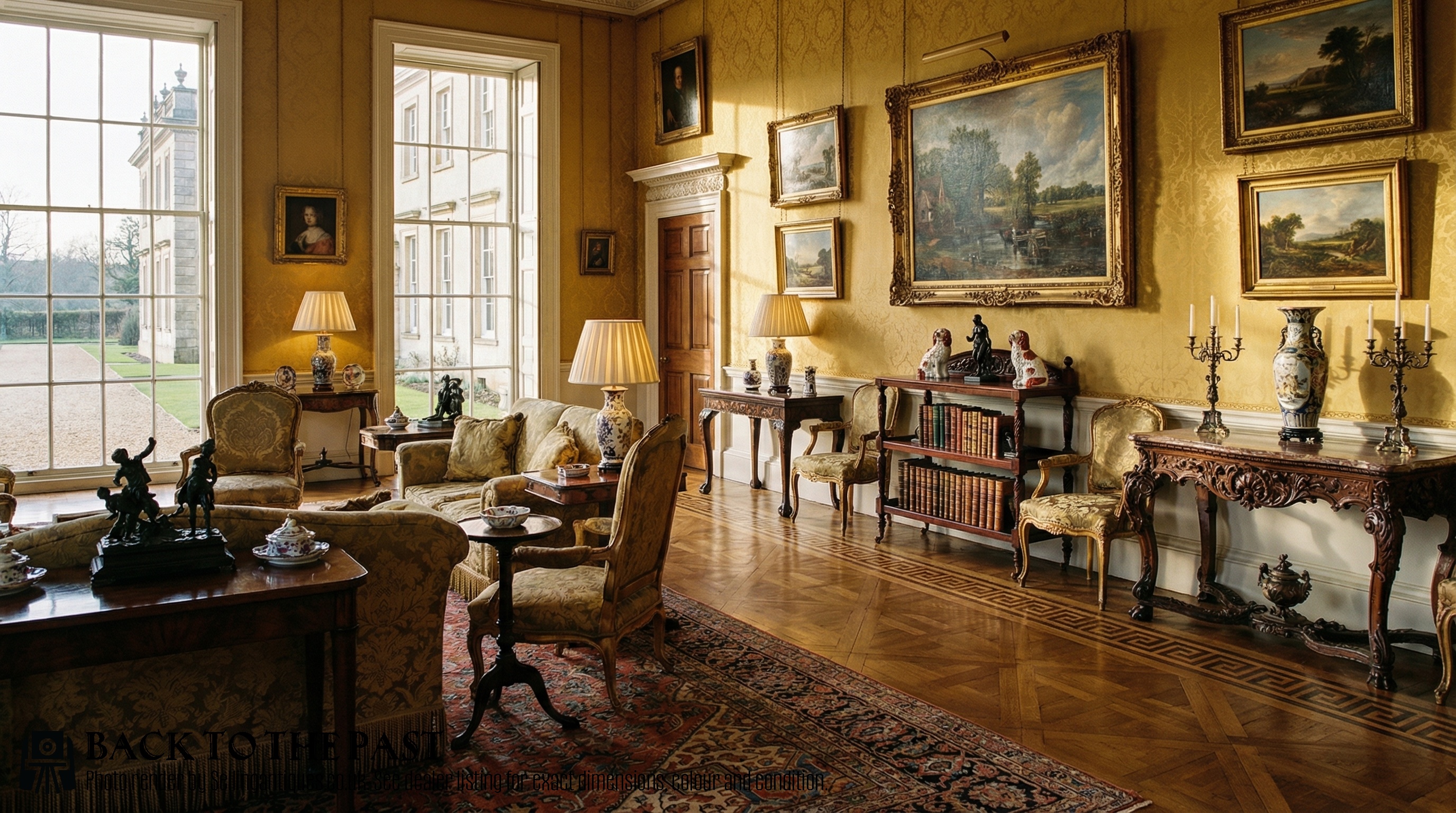
These versatile items function well in contemporary settings as drinks trolleys, side tables, or display shelving for books and decorative objects.
Their tiered construction maximises vertical storage space while adding historical character to a room.