

Antique Dining Set
When acquiring an antique dining set, one secures a collection of period seating designed to anchor a traditional room with craftsmanship and heritage.
Antique Dining Set
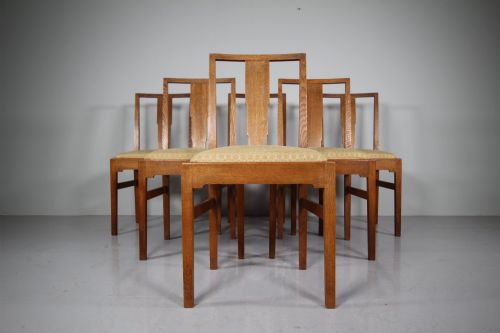
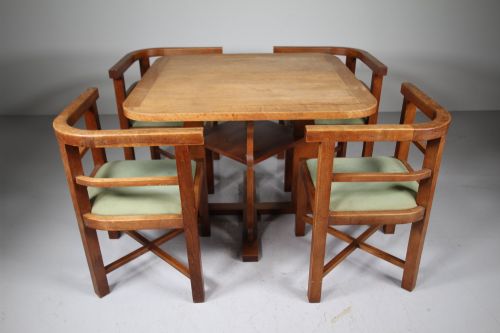
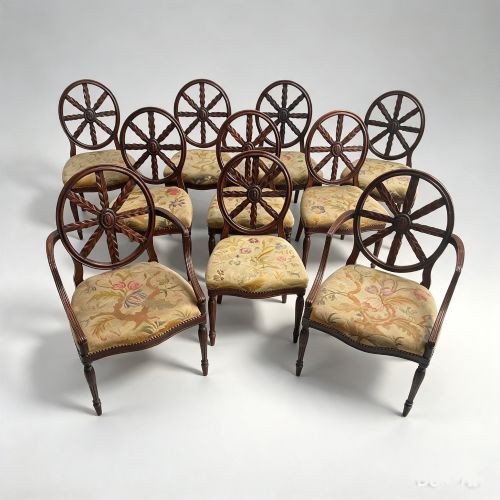
An antique dining set brings together matching chairs, and occasionally tables, originating primarily from the Georgian, Victorian, and Edwardian eras. Buyers searching for an antique dining set encounter configurations ranging from intimate quartets to grand assemblies of ten or twelve seats.
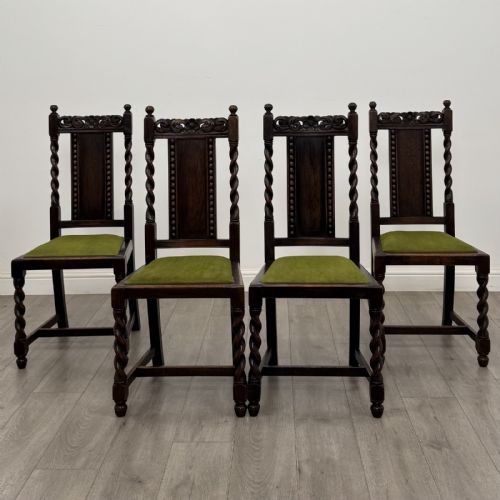
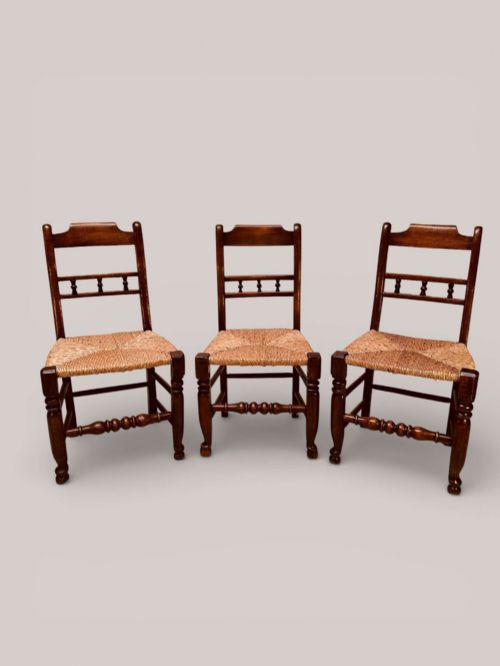
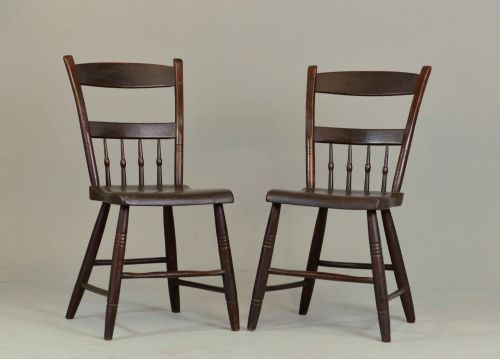
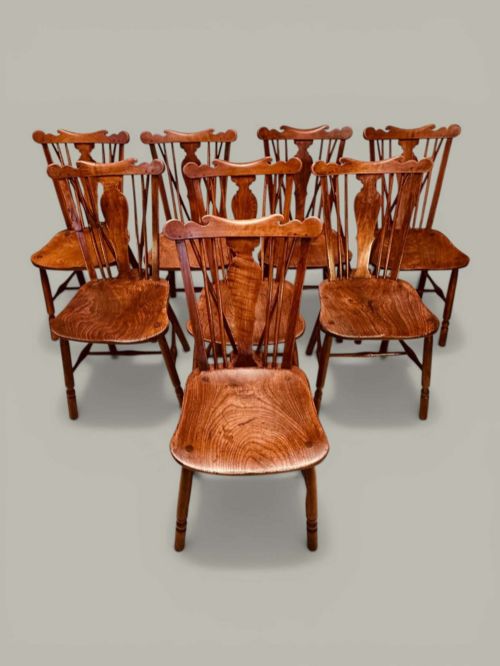
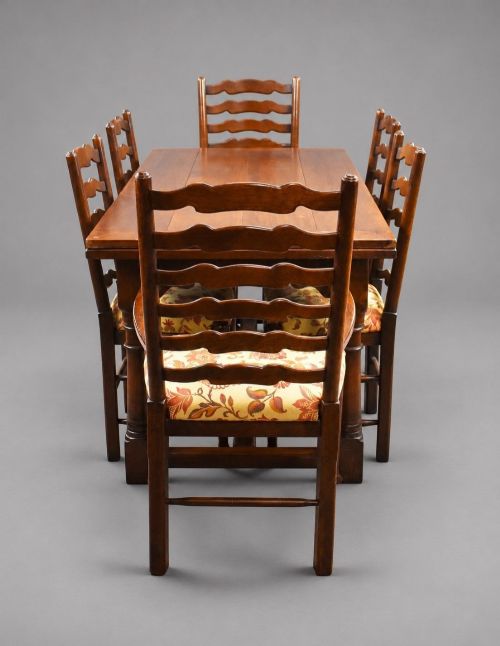
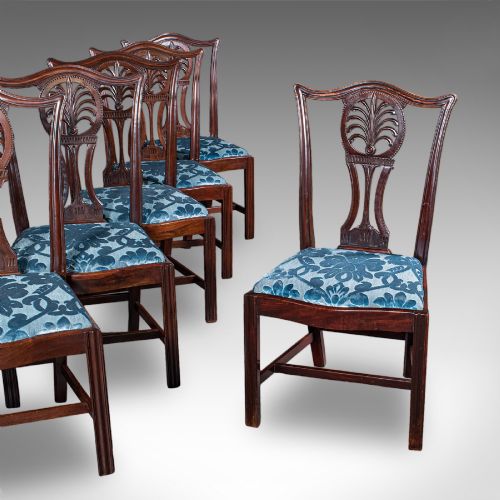
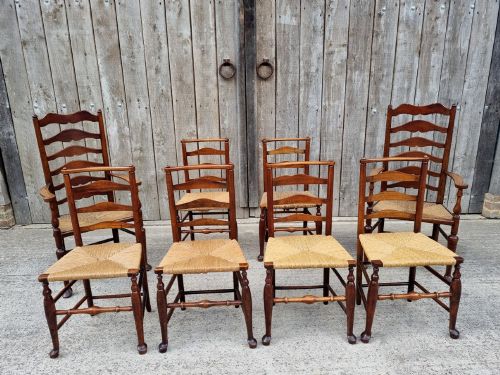
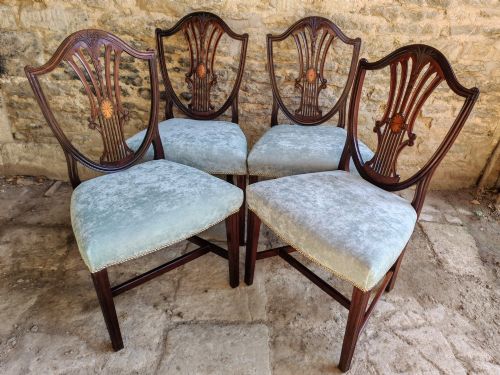
The selections span formal mahogany sets with carved shield backs or balloon backs alongside rustic English and farmhouse country kitchen chairs in elm, ash, and oak. Regional variations include Windsor iterations and Arts and Crafts golden oak pieces, reflecting domestic traditions across the nineteenth and twentieth centuries.
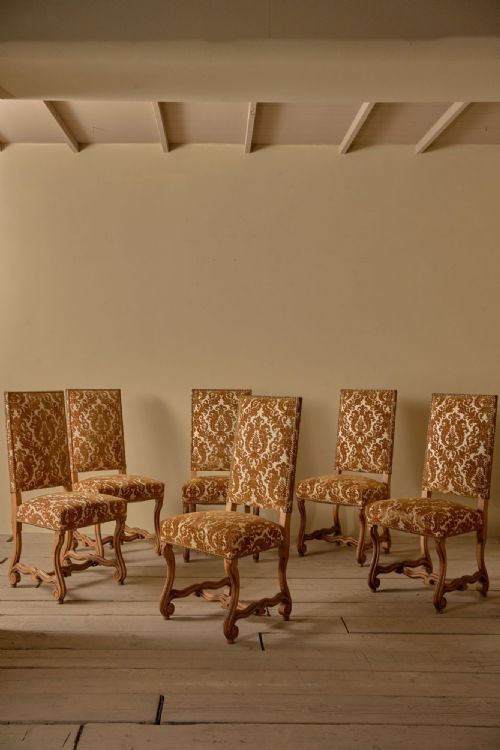
Harlequin groupings assembled from similar period pieces appear alongside true matched sets produced together in a workshop. These arrangements provide functional seating solutions rooted in historical design movements, from Regency elegance to Edwardian revivalism.
Assessing Craftsmanship
The distinction between standard commercial seating and exhibition quality works rests upon the crispness of hand-carving and the selection of figured timber veneers. Superior sets exhibit uniform grain matching across all chairs, tight mortise and tenon joints, and refined proportions defined by period design canons.
Originality of components heavily influences the integrity of a set, distinguishing unified suites from assembled harlequin groups where individual chairs diverge slightly in age or form. The depth of patination accumulated on exposed wooden surfaces through decades of use indicates how carefully a set has been maintained.
Antique Dining Set Retail Price Guide 2026
Typical asking prices for dining set among the pieces listed under this phrase on Sellingantiques today, from the lower quarter to the upper quarter. They describe what is for sale here now, not the wider market.
Listings feature dining sets spanning from the Georgian era through Victorian, Edwardian, and Art Deco periods, constructed in mahogany, oak, elm, and walnut.
Conrad Eduard Mappe·Maurice Adams·Gillows·Lethaby·J.B. C&W
The Antique Dining Set Glossary
- Balloon Back
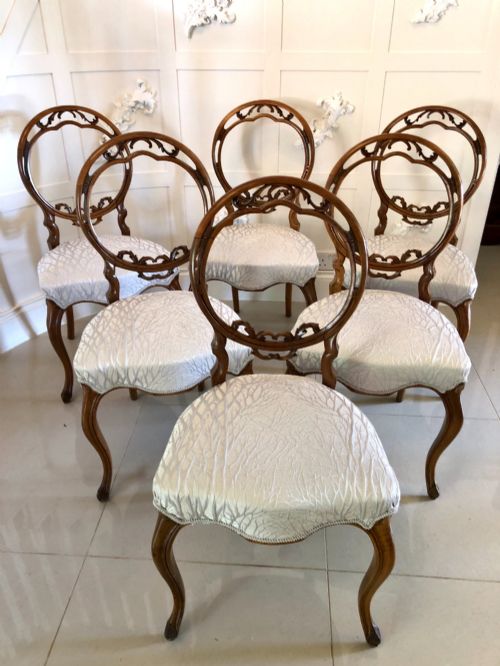
- A chair back shaped in a continuous curved oval resembling a balloon, popular during the Victorian period. This design allowed cabinetmakers to showcase figured mahogany veneers.
- Carver
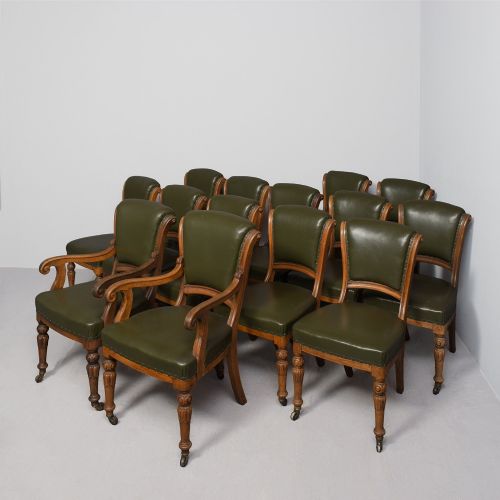
- An armchair designed with elbow supports, traditionally placed at the head of a dining table. Sets frequently included two carvers alongside a larger number of single side chairs.
- Shield Back
- A chair back carved in the outline of a heraldic shield, popularized by eighteenth-century designers like George Hepplewhite. These backs often feature delicate pierced splats.
- Barley Twist
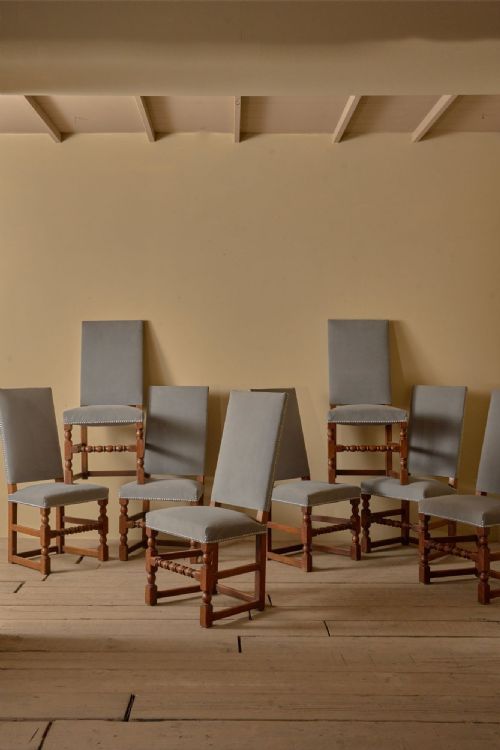
- A turned wooden column resembling a spiralling rope, frequently utilised for chair legs and stretchers during the seventeenth and early twentieth centuries. This decorative turning adds tactile dimension to furniture frames.
- Harlequin Set
- A collection of dining chairs assembled to match in style, wood, or period despite originating from slightly different sources. Such groups offer uniformity in appearance while bridging minor variations in age.
Antique Dining Set: Frequently Asked Questions
How many chairs came in a set?
Period dining sets vary widely in size, commonly comprising four, six, or eight chairs, with larger configurations of ten or twelve pieces produced for substantial dining rooms.
Many formal sets also incorporated two matching carver armchairs intended for the heads of the table alongside the single side chairs.
What is a harlequin dining set?
A harlequin set consists of chairs that share a common style, timber, and period but were not originally manufactured as a single unified batch.
These groupings allow buyers to secure a sufficient number of matching seats for modern use while retaining historical authenticity.
How do I identify a Victorian dining set?
Victorian dining sets frequently feature dark timbers like mahogany and walnut, often displaying carved balloon backs or robust turned legs.
Construction from this era between eighteen thirty and nineteen hundred typically emphasises heavy, durable frames built for formal dining.