
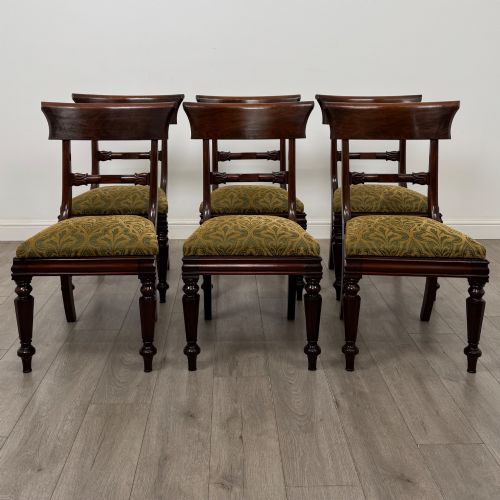
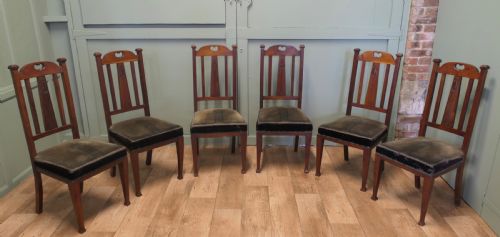
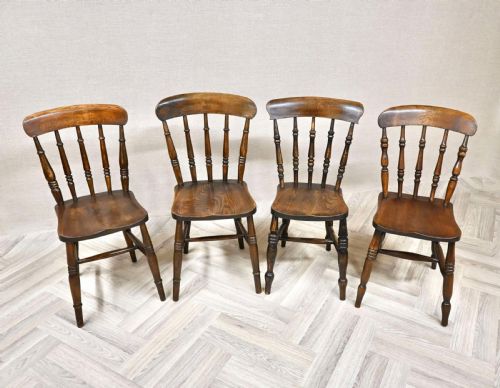
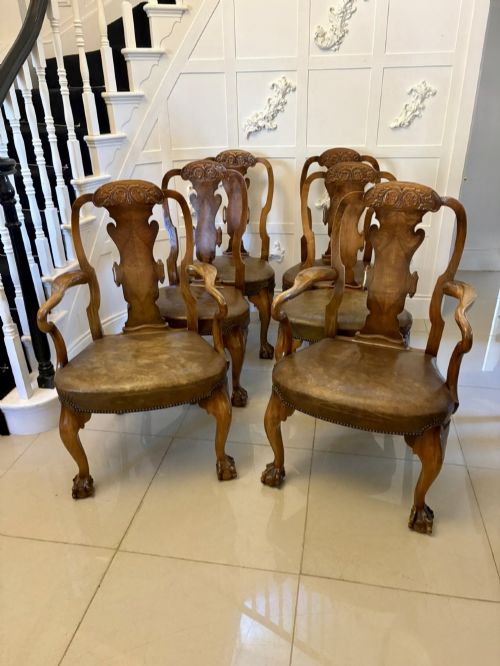


Antique Dining Seat Set
An antique dining seat set gathers family and guests around the table with period timber and traditional craft.
What these pieces are
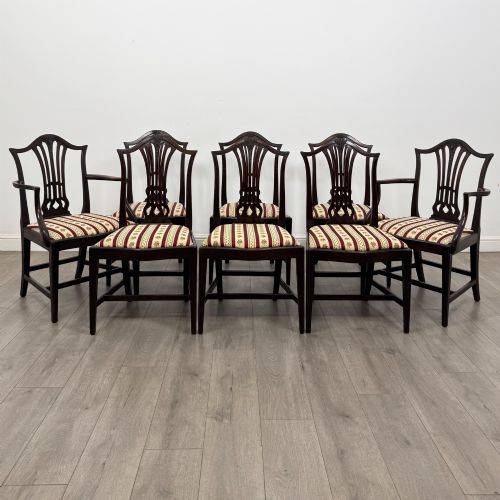
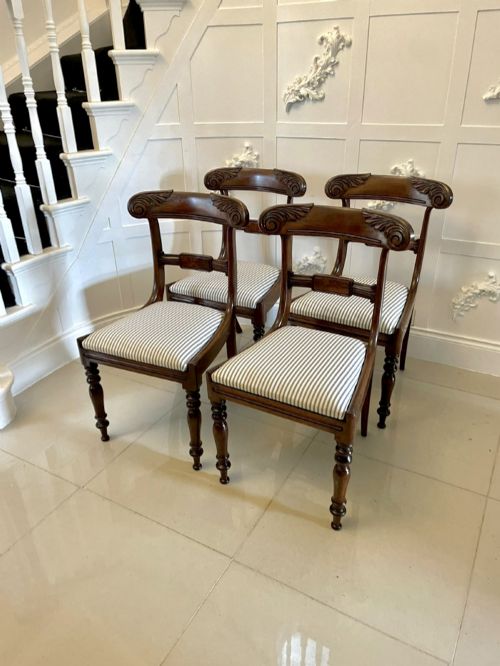
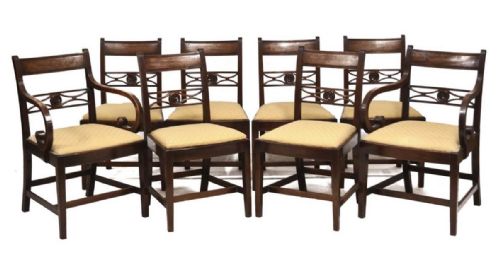
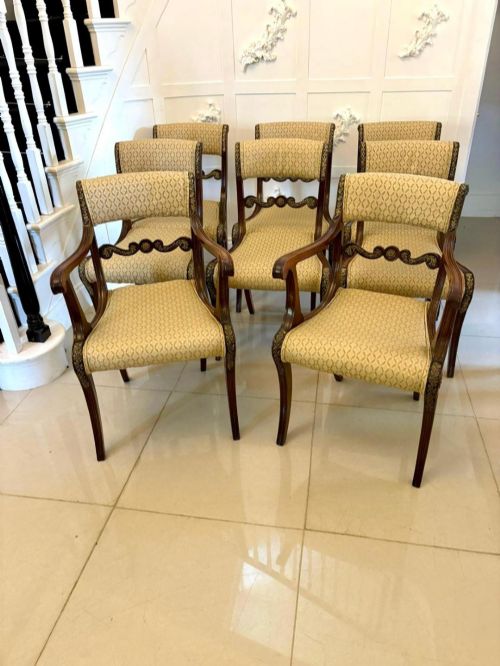
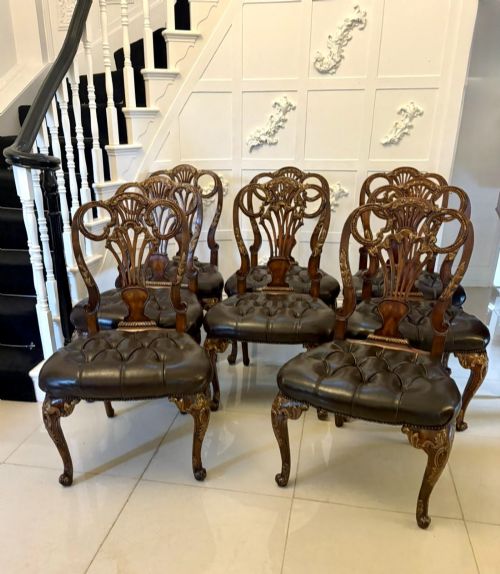
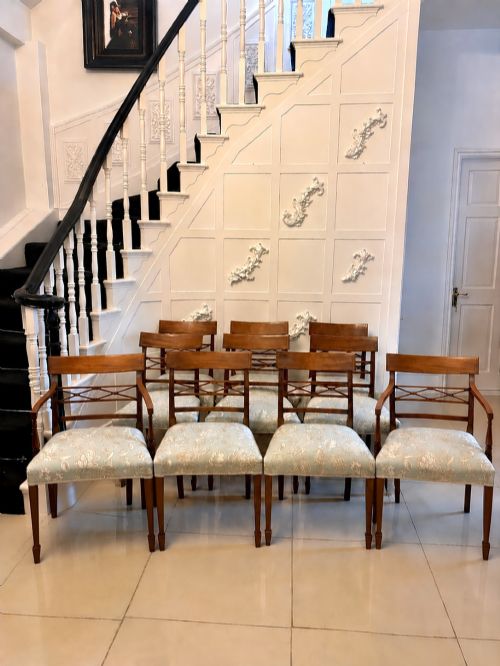
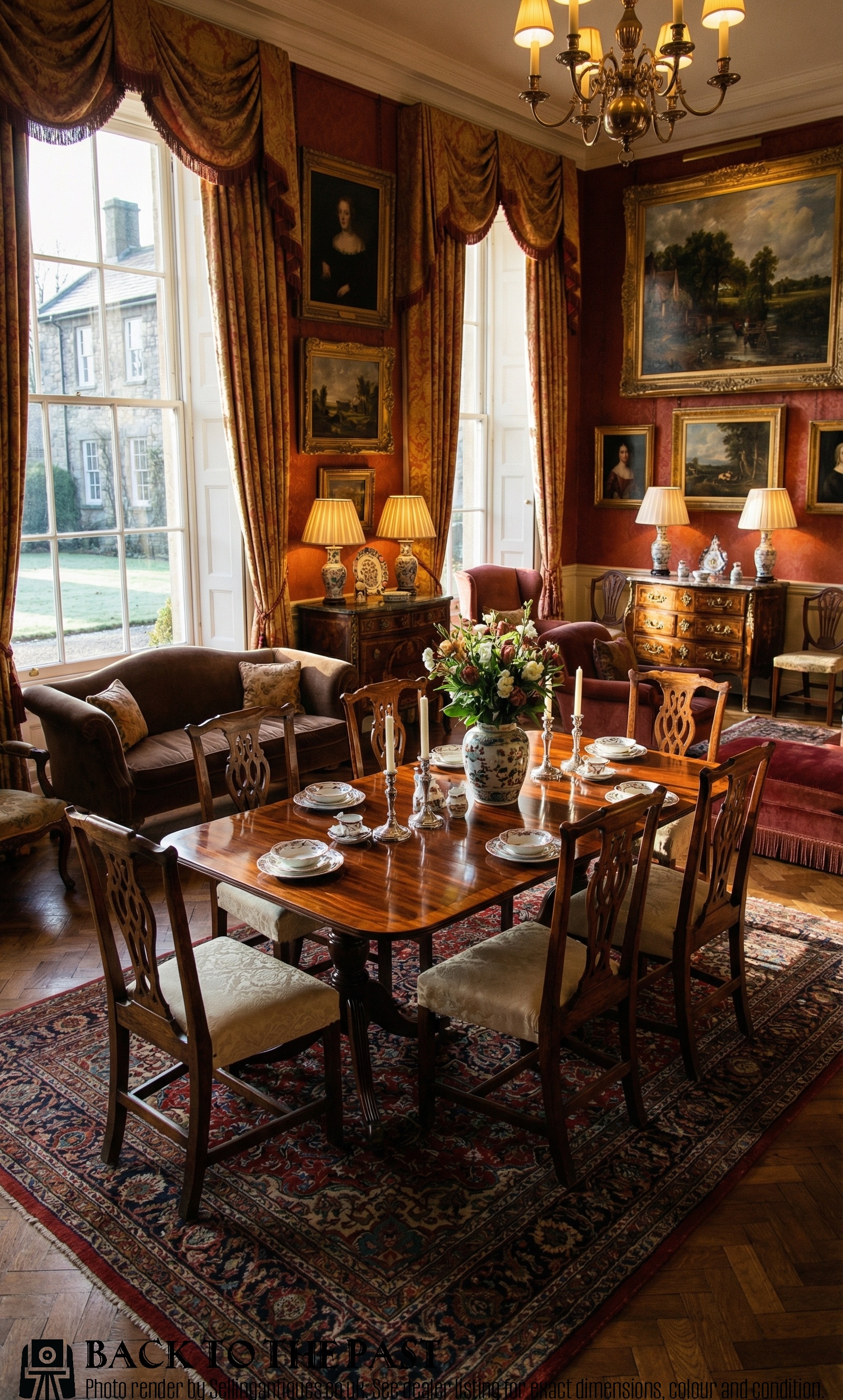
An antique dining seat set comprises matched groups of chairs created for the dining room across the eighteenth, nineteenth, and early twentieth centuries. Buyers seeking an antique dining seat set will discover matching arrangements ranging from four to twelve chairs, designed to accommodate both everyday meals and formal gatherings.
The selections span distinct historical periods including the Georgian, Regency, Victorian, and Edwardian eras. Stylistic influences draw heavily upon renowned cabinet-maker designs such as Sheraton, Hepplewhite, and Chippendale, alongside Louis XV revival forms.
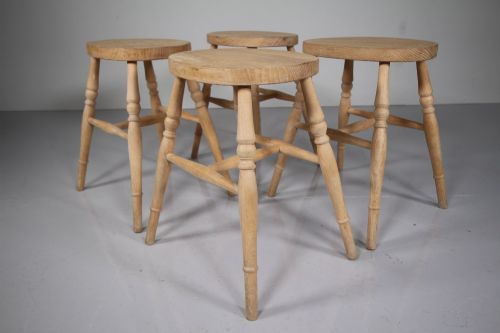
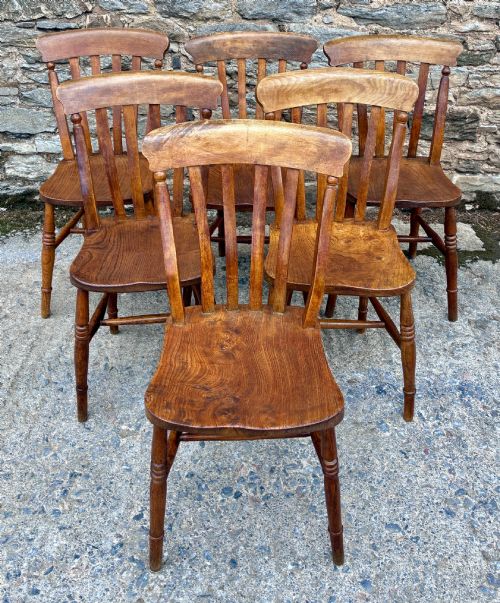
Chairs appear in various formats including standard dining variants, carvers with armrests, and country ladder-back designs. Woods utilised across these groupings include mahogany, oak, rosewood, elm, and beech.
How they were made
Cabinet-makers and joiners constructed these seats using solid hardwoods like mahogany and oak, frequently incorporating wood inlay and brass details. Frames utilised traditional joinery techniques to secure legs, backs, and seat rails.
Seating surfaces vary according to period and regional style, incorporating drop-in upholstery, leather, fabric, velvet, tapestry, cane, and woven rush. Carved decorative elements such as ribbon backs, shield backs, and ladder backs demonstrate manual woodworking skill.
Retail Price Guide 2026
Typical UK retail prices for dining seat set, calculated from the Sellingantiques database of over a million retail prices indexed since 2003. This retail price guide relies exclusively on Sellingantiques data; no external sources or auction records are used, so the figures do not describe the wider market.
Listings feature mahogany, oak, rosewood, and elm woods across periods spanning the eighteenth century to the mid twentieth century.
What varies in quality
Differentiation across sets emerges through timber selection and the intricacy of carved details on shield backs or ribbon backs. Finer examples display precise brass inlay and superior wood grain matching within a coordinated group.
The integrity of the original construction and the preservation of authentic upholstery materials influence the standing of a set. Cohesion among larger groupings of eight, ten, or twelve chairs reflects disciplined workshop production.
The Antique Dining Seat Set Glossary
- Carver
- An armchair designed with armrests, traditionally placed at the head of a dining table.
- Rush seat
- A woven seating surface made from dried marsh grasses, common on country ladder-back chairs.
- Shield back
- A chair back shaped like a heraldic shield, popular in Hepplewhite and Sheraton designs.
- Drop-in seat
- A removable upholstered frame that drops into the seat rails of a dining chair.
- Ribbon back
- An ornate chair back featuring carved woodwork resembling interwoven ribbons.
Frequently Asked Questions
How many chairs come in a set?
Sets typically range from four to twelve chairs, accommodating various table lengths and dining room spaces.
Larger groupings of eight or ten pieces often include armchairs alongside single chairs.
What is a carver chair?
A carver is an armchair included within a dining set, traditionally positioned at the head of the table.
These pieces feature integrated armrests while maintaining the stylistic design of the matching single chairs.
How do I care for antique wood?
Protect wooden frames by avoiding direct sunlight and maintaining stable room humidity levels.
Apply traditional wax polishes sparingly to nourish mahogany, oak, and rosewood surfaces.
Are rush seats durable?
Woven rush seating offers resilience for everyday use when kept dry and clean.
Traditional rush materials age gracefully with regular gentle maintenance.