



Antique Dessert Glassware
Antique dessert glassware brings period elegance to the table, offering tactile pieces designed for historic dining rituals.
Antique Dessert Glassware
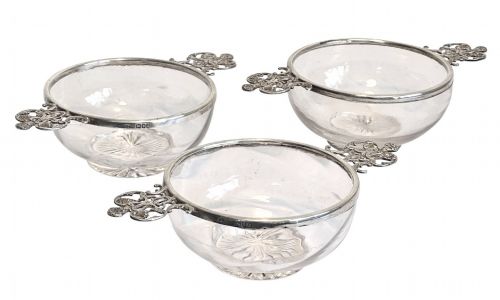
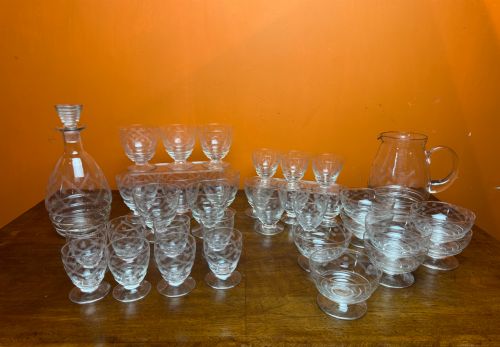
When you search for antique dessert glassware, you encounter specialised vessels created for the final courses of formal meals. The selection spans Georgian jelly glasses and sweetmeats, Victorian finger bowls and custard cups, alongside French Art Deco suites and sterling silver mounted bowls.
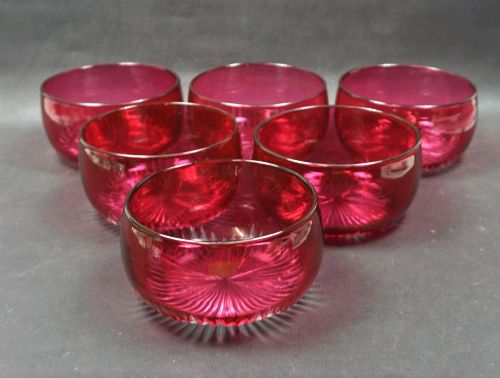
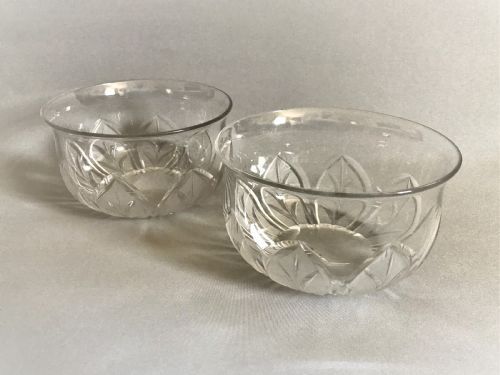
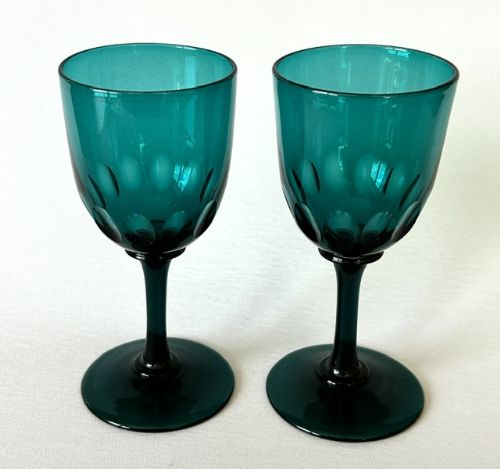
The pieces on this page lean heavily towards the Victorian and Georgian eras, encompassing clear glass, lead crystal, and coloured overlay wares. Forms range from individual dessert wine glasses and tazzas to large matching sets of ice plates and engraved finger bowls.
Originating from English, French, and Austrian workshops, these items reflect the evolving demands of nineteenth and twentieth-century dining. Buyers find both single display pieces and coordinated table services designed for serving sweets and wine.
What varies in quality
Quality rests upon the crispness of the cutting, the depth of the engraving, and the purity of the metal. Superior pieces demonstrate precise facet work and smooth rims without distortion, whereas lesser items show softness in moulded panels.
The integrity of the material itself marks a clear division, with heavy lead crystal and clear flint glass commanding greater respect than basic pressed glass. Matching sets and suites maintain higher desirability than isolated survivors from dispersed services.
Artisanal execution in coloured overlay work requires immense skill to cut through the outer layer without exposing flaws beneath. Pieces retaining crisp botanical engraving or secure silver mounts represent the finer tier of production.
Antique Dessert Glassware Retail Price Guide 2026
Typical asking prices for dessert glassware among the pieces listed under this phrase on Sellingantiques today, from the lower quarter to the upper quarter. They describe what is for sale here now, not the wider market.
Current listings feature pieces spanning the Georgian, Victorian, and Art Deco periods, created in clear glass, lead crystal, and sterling silver.
William Comyns·Viners
The Antique Dessert Glassware Glossary
- Sweetmeat glass
- A pedestal vessel with a flared bowl used for serving small confections, nuts, or sweet preserves during the eighteenth century.
- Jelly glass
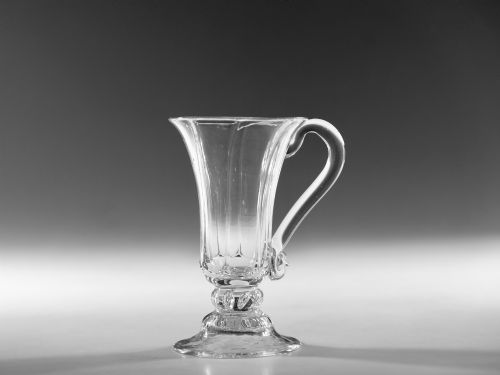
- A small, often handled drinking vessel designed specifically for holding moulded jellies and syllabubs at formal dinners.
- Finger bowl
- A small bowl filled with water, placed on the table after a meal for diners to rinse their fingers.
- Tazza
- An elevated shallow bowl or plate mounted on a stem and foot, utilised for presenting fruit and desserts.
- Overlay
- A technique where a layer of coloured glass is fused over a clear body and partially cut away to reveal patterns.
- Ice plate
- A specialised dish designed to hold crushed ice beneath a dessert glass or plate to keep sweets cool.
Antique Dessert Glassware: Frequently Asked Questions
What were jelly glasses used for?
Jelly glasses held rich, spiced jellies and syllabubs that formed a traditional part of Georgian and Victorian dessert courses. Guests consumed these sweet treats directly from the small vessels.
Their sturdy stems and handles made them practical for passing around the dining table. They frequently featured panel moulding or double handles for ease of use.
How do you use antique finger bowls?
Finger bowls sit on the table towards the end of a meal, filled with warm water and sometimes a scented petal or slice of lemon. Diners lightly dip their fingertips to freshen up between courses.
In modern homes, they make excellent small serving bowls or elegant decorative containers. Their etched and cut glass designs look striking when displayed on a sideboard.
What is the difference between flint glass and lead crystal?
Flint glass and lead crystal both contain lead oxide, which increases the refractive index and gives the material a brilliant sparkle. Flint glass is an older term often associated with Georgian tablewares.
Lead crystal generally refers to heavier, more resonant pieces from the Victorian era onwards. Both materials require careful handling to preserve their polished surfaces.
How are sweetmeat glasses different from wine glasses?
Sweetmeat glasses feature wider, shallower bowls designed to hold dry confectionery, candied fruits, or nuts rather than liquids. Their proportions reflect their function as serving vessels rather than drinking vessels.
They often stand on taller, more dramatic baluster stems to elevate them above other tablewares. Collectors prize them for their sculptural forms and Georgian craftsmanship.