





Georgian Glass Sweetmeat Dishes
Georgian glass sweetmeat dishes are tactile serving vessels of the eighteenth century, prized for their crisp rib-moulding and substantial lead handle construction.
Georgian Glass Sweetmeat Dishes
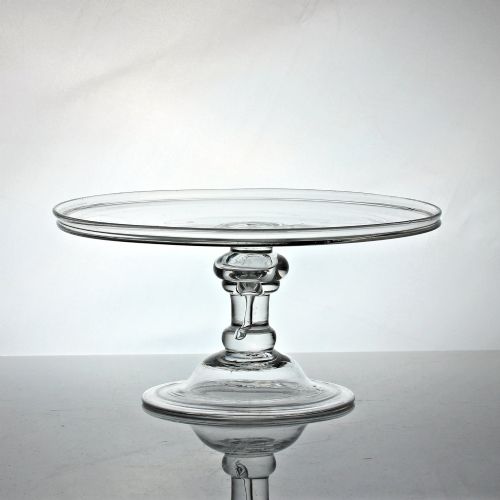
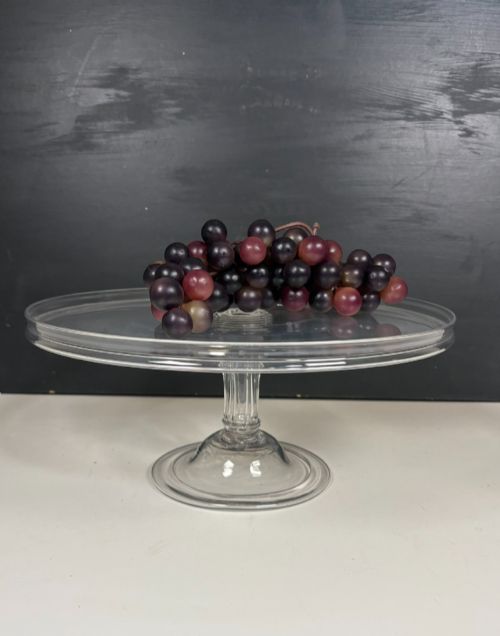
When you search for georgian glass sweetmeat dishes, you encounter heavy tablewares designed for sweet preserves, comfits and small confectioneries during the eighteenth and nineteenth centuries. The listings here encompass baluster tazzas, patch stands, turnover bowls and small sweetmeat glasses originating from the Georgian period.
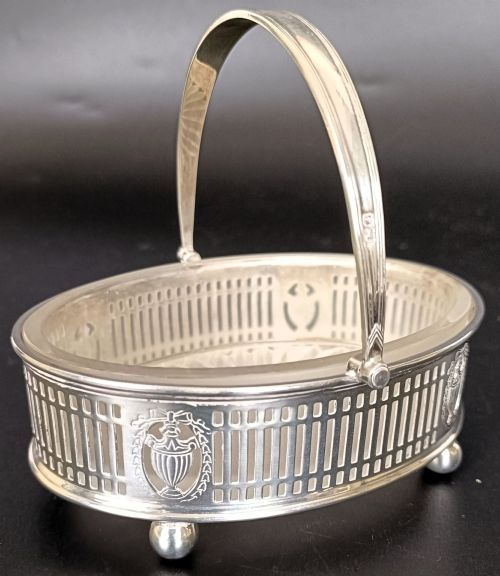
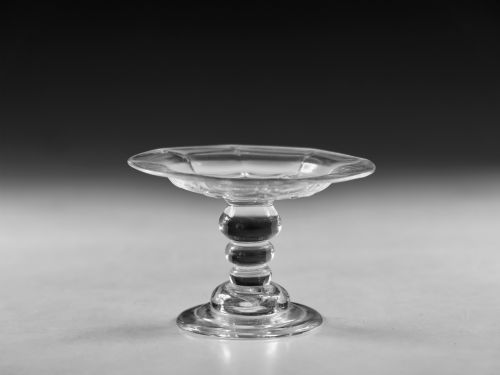
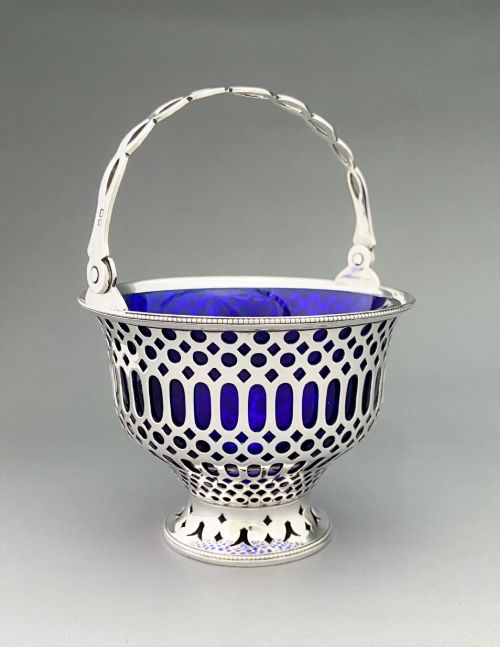
The most prevalent forms on this page include eighteenth century baluster tazzas and miniature patch stands featuring triple-knop stems and terraced feet. Alongside these glass vessels, the selection occasionally includes silver swing-handled sugar baskets from later periods such as the Edwardian era and the nineteen thirties.
The materials span clear lead glass, flint glass and sterling silver, reflecting both the glassware produced for formal dining and the precious metal baskets intended for sugar service. Most examples date from the seventeen forties and seventeen fifties, capturing the domestic habits of Georgian dining.
How they were made
The glassware relies primarily on lead glass and flint glass formulations, manipulated while molten to create thick walls and substantial optical clarity. Makers utilised techniques such as rib-moulding and honeycomb moulding to give the vessels tactile surface patterns before shaping them on the pontil.
Footed pieces and tazzas frequently incorporate baluster stems formed with multiple knops, demonstrating the dexterity of period glasshouses in joining stem components to wide feet. Silver components, where present on associated baskets, involve pierced sheet metal construction and swing handles attached via pivot pins.
Georgian Glass Sweetmeat Dishes Retail Price Guide 2026
Typical asking prices for georgian glass sweetmeat dishes among the pieces listed under this phrase on Sellingantiques today, from the lower quarter to the upper quarter. They describe what is for sale here now, not the wider market.
Object types on this page include tazzas, sugar baskets, turnover bowls and patch stands alongside standard glassware.
What varies in quality
The distinction between ordinary and superior items rests upon the crispness of the moulded detail, particularly the definition within honeycomb patterns and rib-moulded bowls. Pieces that retain sharp contours on their stems and terraced feet display a higher degree of initial craftsmanship.
Proportion and weight also dictate the standard of these vessels; heavier lead glass items with well-balanced baluster stems and undamaged rims represent the upper tier of surviving tablewares.
The Georgian Glass Sweetmeat Dishes Glossary
- Tazza
- A small shallow dish or bowl raised on a high foot. It serves as a central display vessel for sweetmeats on the dining table.
- Patch stand
- A miniature pedestal dish used to hold cosmetic beauty patches in the eighteenth century. These small glass items share forms with sweetmeat glasses.
- Baluster stem
- A thick, swollen stem shape resembling an architectural baluster. It provides sturdy support for heavy lead glass drinking and serving vessels.
- Flint glass
- An early British term for high-quality lead glass containing potash and calcined flint. It possesses superior weight and refractive brilliance compared to ordinary soda glass.
- Turnover bowl
- A type of glass bowl with an everted rim turned outward during manufacture. These vessels appeared in late eighteenth century dining arrangements.
- Rib-moulding
- A surface decoration technique where molten glass is blown into a ribbed dip-mould. This creates raised vertical or diagonal ridges along the body.
Georgian Glass Sweetmeat Dishes: Frequently Asked Questions
What were sweetmeat dishes used for?
These dishes held wet and dry confections, nuts, comfits and sweetmeats served at the conclusion of formal meals. Wealthy households displayed them on tables alongside fruit and wine.
Guests would select small sugary morsels directly from the vessels during the dessert course.
How do I date an 18th century glass dish?
Dating relies on identifying manufacturing characteristics such as pontil mark finish, metal composition and stem construction. Teraced feet and triple-knop baluster stems point directly to the mid-eighteenth century.
Handling the piece reveals the specific weight and surface wear characteristic of early lead glass.
Are silver baskets considered sweetmeat dishes?
Silver swing-handled baskets served a similar functional role in sugar and confection service on the dining table. While made of metal rather than glass, they appear alongside glasswares in period dining contexts.
Piersced silver baskets date primarily from later revivals and Edwardian production.
What is the difference between a tazza and a patch stand?
A tazza is a larger stemmed serving dish designed for food presentation across the table. A patch stand is a miniature version, often only a few inches wide, originally intended for small vanity items.
Both share identical lead glass manufacturing techniques and baluster stem formations.