




Antique Dessert Bowls
These antique dessert bowls span porcelain, cut glass and silver plate, offering a glimpse into formal dining rooms of past centuries.
Antique Dessert Bowls
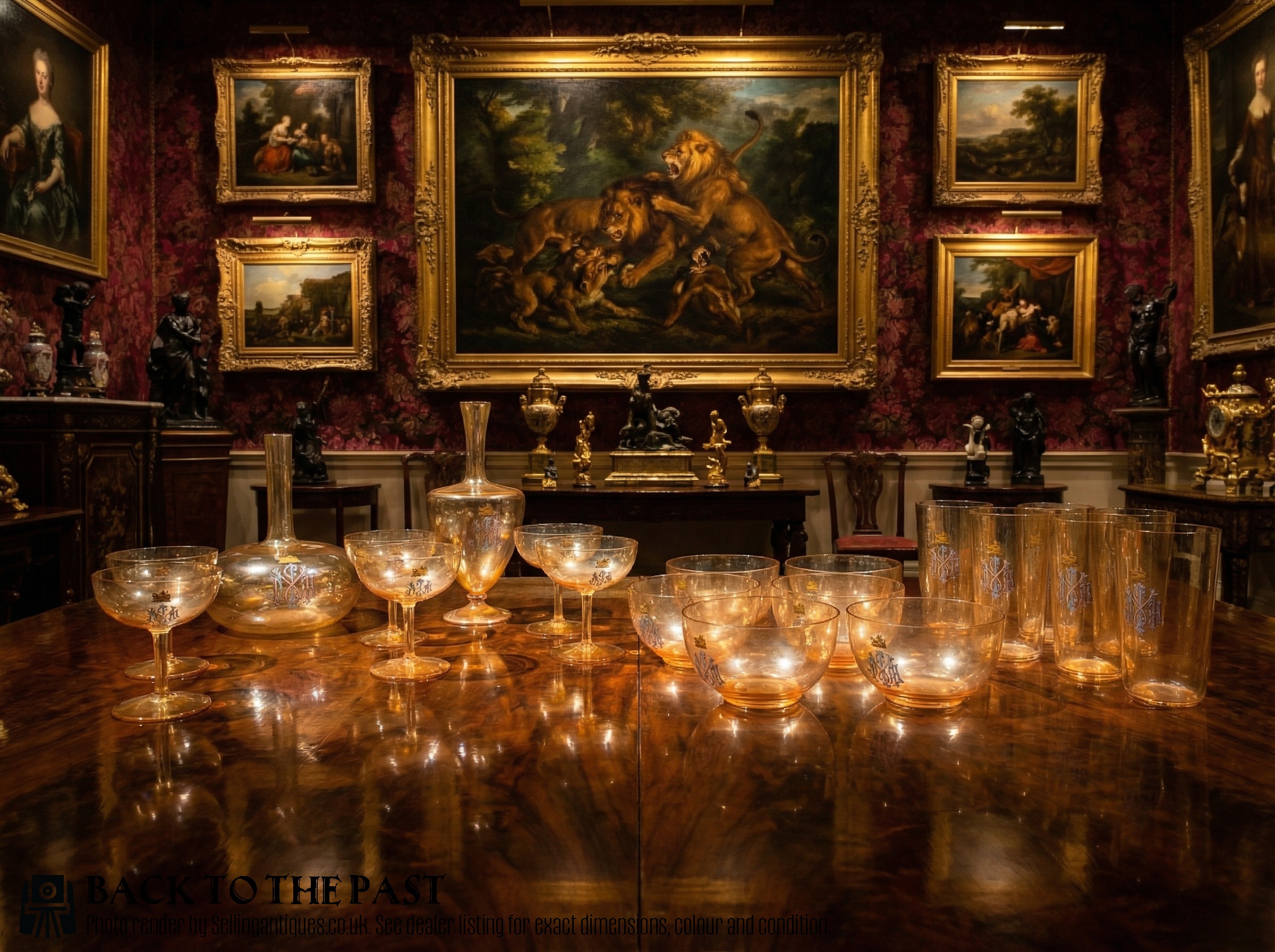
Antique dessert bowls encompass a wide variety of tableware designed for serving fruit, puddings, jellies and creams at the conclusion of a formal meal. These items emerge from periods ranging from the eighteenth century through to the art deco era, reflecting changing dining habits and social rituals.
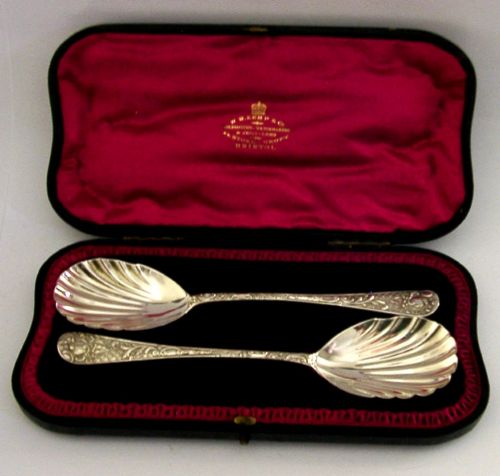
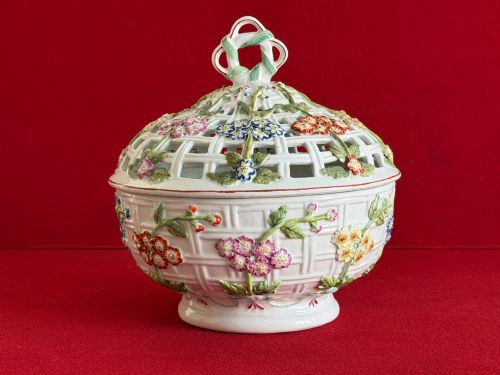
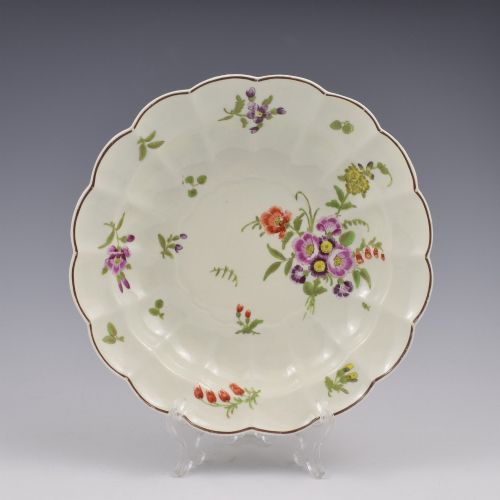
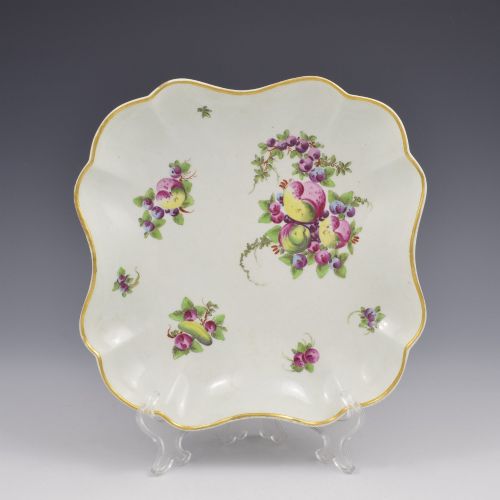
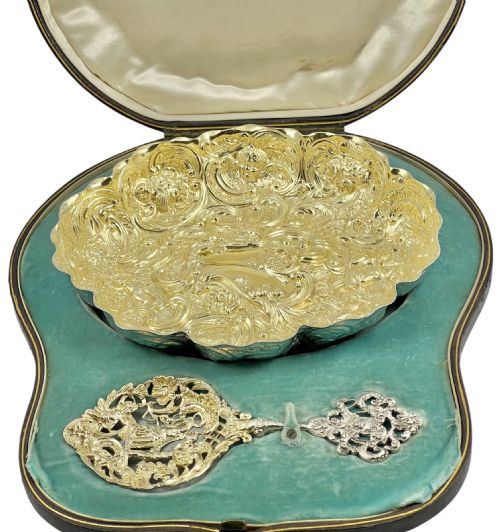
Buyers will encounter specific forms such as porcelain chestnut baskets, creamware pudding bowls, cut glass finger bowls and silver-plated strawberry sets. The selection draws together pieces fashioned from soft-paste porcelain, sterling silver, cranberry glass and creamware.
Origins span English factories like Worcester, Coalport and Wedgwood, alongside continental porcelain and glassware from France and Austria. Pieces range from single serving dishes to large sets intended for matching table service.
How they were made
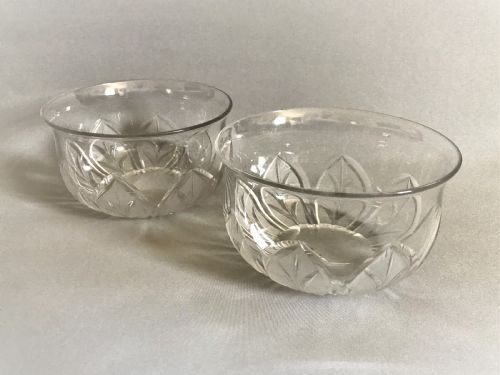
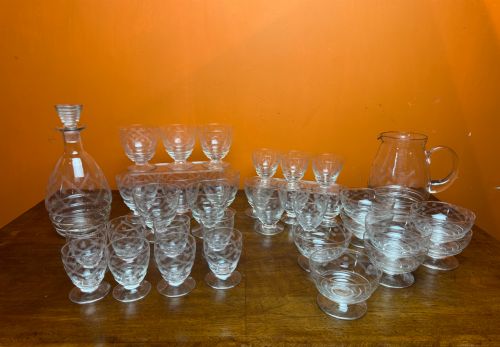
Glassware relies on techniques such as blowing, cutting and engraving, often producing heavy lead crystal with frosted or overlay decoration. Coloured glass varieties, including cranberry and red over crystal, require specialist layering methods during the blowing process.
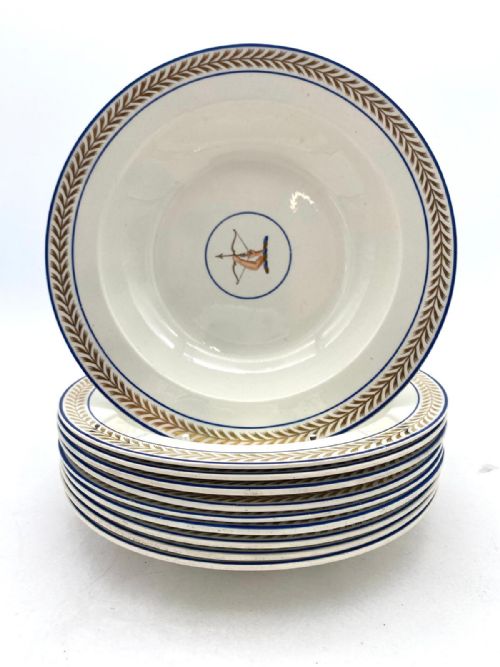
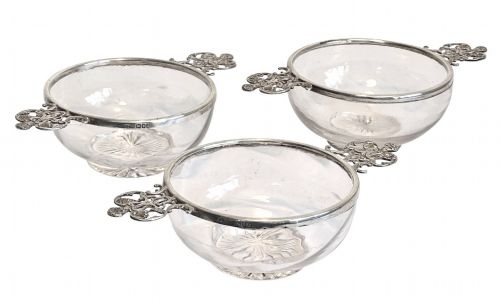
Porcelain items involve shaping soft-paste or creamware bodies, followed by hand painting, armorial decoration or botanical illustration before kiln firing. Metal components utilise sterling silver casting, silver plating, gilt finishing and pierced or engraved handle fabrication.
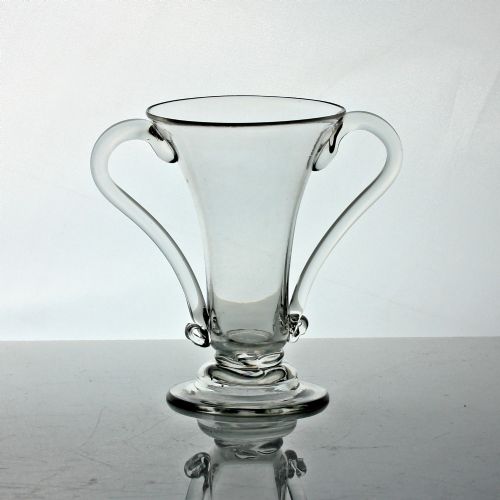
Georgian diners enjoyed rich jellies served from double-handled glasses designed specifically for the table.
What varies in quality
Quality rests upon the crispness of the glass cutting, the delicacy of the porcelain potting and the precision of hand-painted enamel or botanical motifs. Superior examples demonstrate balanced proportions and clean, sharp engraving on both metal and glass surfaces.
The sophistication of the maker elevates a piece, as seen in the refined potting of early Worcester or Coalport porcelain compared to generic factory output. Intricate silver mounts, matched sets and well-preserved gilding also elevate the overall standing of the item.
Hamilton and Inches·William Comyns·William Chawner II·Viners·Roberts and Belk
The Antique Dessert Bowls Glossary
- Creamware
- A fine earthenware developed in the eighteenth century with a pale yellow or cream-coloured lead glaze. Wedgwood stands out as a primary producer of this versatile material.
- Finger bowl
- A small bowl filled with water, placed before a diner towards the end of a meal for rinsing the fingers. They often feature cut glass, etching or matching underplates.
- Soft-paste porcelain
- A ceramic composition containing glass frit rather than hard kaolin clay, fired at lower temperatures. Eighteenth-century factories utilised this material for intricate decorative figures and tableware.
- Sweetmeat glass
- A specialised stem glass used for serving small confections, nuts or sweetmeats during dessert courses. These vessels often feature baluster stems and moulded bowls.
- Tazza
- An ornate shallow cup or dish mounted on a pedestal foot, used for presenting fruit or sweet dishes on the dining table. They appear in both coloured glass and ceramic forms.
Antique Dessert Bowls: Frequently Asked Questions
What were finger bowls used for?
Finger bowls held water for guests to clean their fingertips between courses during formal nineteenth-century dining. They sat upon matching glass or ceramic plates at the table.
Over time, these bowls transitioned from practical dining implements into decorative tableware items collected for their cut crystal patterns and etched designs.
How do I identify eighteenth-century porcelain?
Early porcelain pieces often display soft-paste bodies with hand-painted botanical motifs or armorial crests. Close inspection reveals characteristic glaze pooling and underglaze blue markings unique to early factories.
Reference marks from manufacturers such as Worcester or Wedgwood help confirm the period of origin and the specific potting technique used.
What is a strawberry set?
A strawberry set typically comprises a central dish for fruit accompanied by smaller matching bowls for sugar and cream. Silver-plated or glass variants appeared towards the end of the Victorian period.
These sets catered to the popularity of serving fresh summer fruits with accompaniments during afternoon gatherings and formal dessert courses.
How should I display glass dessert bowls?
Glass bowls and tazzas benefit from placement near natural light sources that highlight cut crystal facets and coloured glass overlays. Ensuring stable shelving protects heavier lead glass items from accidental knocks.
Grouping matching sets together creates a coherent display that mirrors the presentation style of historical dining rooms.