




Antique Desktop Tray
An antique desktop tray organises correspondence and writing implements with period charm, bringing functional heritage to modern workspaces.

Antique Desktop Tray
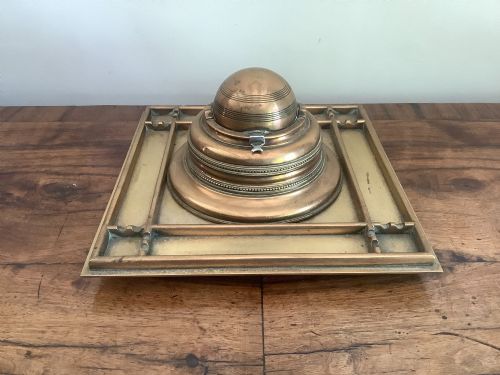
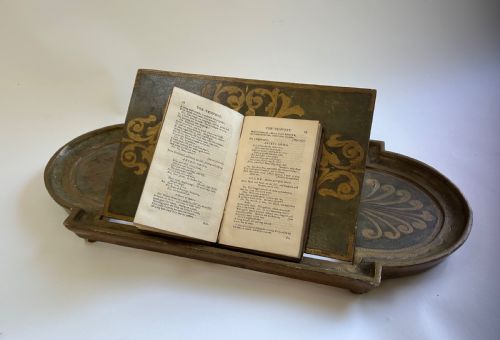
An antique desktop tray gathers the inkwells, pens, and paper that cluttered writing desks of past centuries. These pieces appear in various forms on this page, including letter racks, book stands, card boxes, and inkstands.
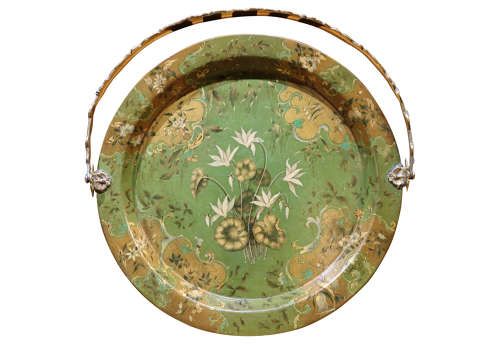
Makers fashioned these accessories for domestic studies and administrative offices during the Georgian, Regency, and Victorian periods. Materials range from traditional timbers like mahogany and rosewood to decorative papier-mache and brass.
Buyers encounter items ranging from simple wooden book carriers to elaborate bronze and marble inkstands fitted with glass components. Each piece reflects the desk habits of its era, from simple tidies to complex multi-tier organisers.
How They Were Made
Craftsmen built these desk accessories using dense hardwoods such as mahogany, rosewood, and oak, often joining them with traditional techniques to withstand daily use. Papier-mache versions required multiple layers of paper pressed and lacquered to create a sturdy, smooth body suitable for painting or inlay.
Metal elements relied on brass casting, ormolu bronze work, and Sheffield plating, while decorative surfaces featured mother-of-pearl inlay, hand-carved wood, and detailed paintwork. Stonework additions incorporated heavy materials like onyx and marble to anchor heavier inkstands.
What Varies in Quality
The standard of a piece rests on the precision of its joinery and the execution of its decorative details, such as hand-carved motifs or inlaid mother-of-pearl. Superior items utilise higher grade timbers and substantial metal mounts rather than thin veneers and pressed alloys.
Completeness dictates utility and value, particularly for inkstands retaining original glass inkwells and matched stoppers, or letter racks retaining their internal dividers. The integration of functional elements like secret drawers or rising card trays demonstrates finer workshop execution.
Lefebvre of Belgium
The Antique Desktop Tray Glossary
- Inkstand
- A desktop stand fitted with one or more inkwells, pen rests, and sanders. These pieces sat centrally on writing tables to manage fluid writing materials.
- Papier-mache
- A composite material made from paper pulp or reinforced sheets mixed with glue, then moulded and dried. Craftsmen finished these surfaces with lacquer, paint, and shell inlay.
- Ormolu
- Gilded bronze used for decorative mounts and furniture fittings during the eighteenth and nineteenth centuries. The technique involves applying a mercury and gold amalgam to cast bronze.
- Sheffield plate
- An early form of plated metal produced by fusing a thin sheet of silver to a thicker copper base. Makers used this material for durable desk accessories before electroplating became common.
Antique Desktop Tray: Frequently Asked Questions
What is an antique desktop tray?
An antique desktop tray is a functional accessory designed to hold writing tools, inkwells, and correspondence on a desk surface. Examples range from wooden book carriers to fitted metal inkstands.
These pieces reflect the workspace requirements of the nineteenth and early twentieth centuries, combining storage with decorative craftsmanship.
How were antique inkstands used?
Antique inkstands held liquid ink in glass inserts alongside quill or steel pens, preventing spills on valuable writing surfaces. They often included sanders to dry wet ink and compartments for stamps.
Stationed in studies and offices, they served as the central station for all written correspondence.
How do I identify Victorian desk accessories?
Victorian desk accessories frequently employ materials like papier-mache, ebonised wood, coromandel, and applied brass work. They often display ornate floral decoration, mother-of-pearl inlay, or Gothic revival styling.
Makers of this era produced diverse specialised forms including letter racks, expanding book stands, and elaborate double inkstands.
Can I use an antique desktop tray today?
These trays adapt easily to modern desks for holding mail, notebooks, pens, and small stationery items. Wooden book stands support tablets or modern volumes just as well as historical ledgers.
Care should be taken with delicate finishes like lacquer or exposed metal plating to preserve their condition.