


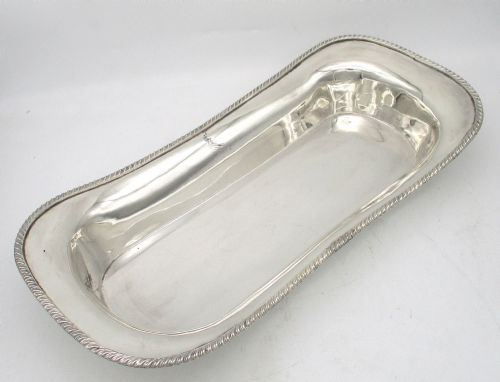


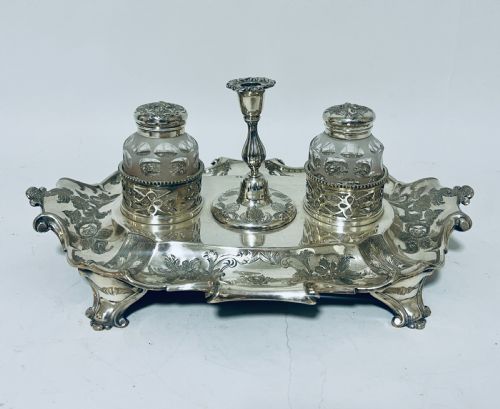
Silver Plated Pen Tray
These silver plated pen tray pieces are classic desk accessories that keep writing instruments tidy and elevate any study with traditional metalwork.

Silver Plated Pen Tray
When you search for a silver plated pen tray, you encounter desk accessories spanning the Georgian, Victorian, and Edwardian eras. These pieces include standalone trays alongside larger desk sets, inkstands, and knife trays adapted for the desk.
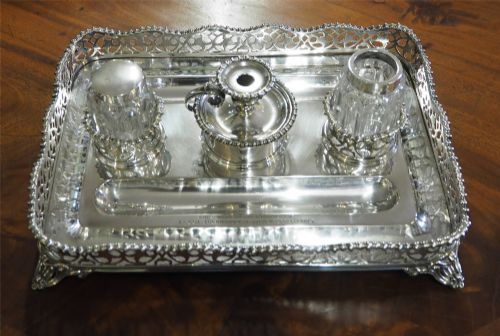
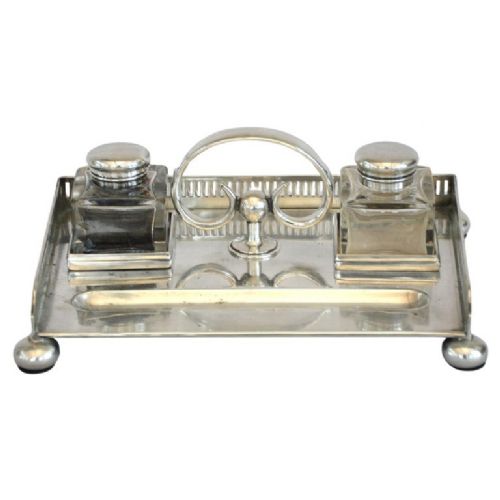
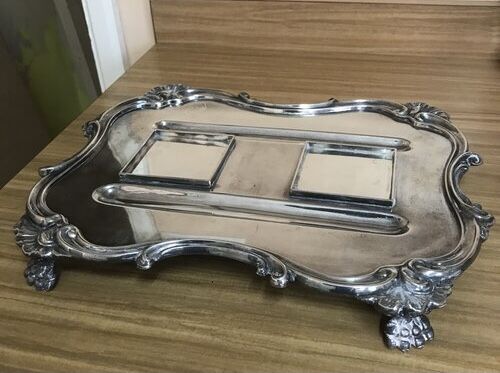
The versions most commonly met on this page date from the nineteenth century into the early twentieth century. They range from simple base metal designs to substantial ink stands featuring fitted glass inkwells and pen rests.

How they were made
Maker workshops utilised silver plate, Old Sheffield plate, and copper as the foundational materials for these desk items. Skilled metalworkers applied rolling and plating techniques over base metal or nickel silver cores to achieve a durable metallic finish.
Many examples incorporate cut glass inserts for inkwells alongside pierced borders and cast decorative mounts. Manufacturers such as Elkington and Walker and Hall employed traditional Sheffield plating methods to fuse silver to copper substrates.
Silver Plated Pen Tray Retail Price Guide 2026
Typical asking prices for silver plated pen tray among the pieces listed under this phrase on Sellingantiques today, from the lower quarter to the upper quarter. They describe what is for sale here now, not the wider market.
What varies in quality
The distinction between standard examples and finer pieces lies in the weight of the metal and the crispness of the chased or pierced decoration. Heavier plate and substantial Old Sheffield plate construction indicate superior manufacture.
Pieces bearing marks from recognised makers like Daniel Holy or Creswick command greater attention for their superior finishing and heavier copper content beneath the silver surface.

Elkington·Walker And Hall·Creswick·Walker Knowles·Daniel Holy
The Silver Plated Pen Tray Glossary
- Old Sheffield plate
- A composite material formed by fusing a thin sheet of silver to a thicker copper ingot. This early plating method produces a rich warmth as the base copper subtly shows through high points.
- Inkstand
- A fitted desk stand incorporating one or more inkwells alongside pen rests and sometimes a sander. These desk accessories served as the centrepiece of the nineteenth-century writing table.
- Base metal
- The underlying alloy used beneath the silver plating, often comprising copper, brass, or nickel silver. Understanding the base metal helps identify the age and plating technique of the piece.
Silver Plated Pen Tray: Frequently Asked Questions
What is a silver plated pen tray?
A silver plated pen tray is a desk accessory designed to hold writing instruments neatly on a table or writing slope. These pieces date predominantly from the nineteenth and early twentieth centuries.
Many examples form part of larger desk sets or inkstands equipped with glass inkwells. They combine practical workspace organisation with decorative metalwork.
How do I date a silver plated desk accessory?
Dating these items involves examining the manufacturing style, maker marks, and underlying plating techniques used by the workshop. Pieces marked as Old Sheffield plate typically point to earlier nineteenth-century production.
Victorian and Edwardian items often display characteristic revival styles or registration numbers that help narrow down the period. Consulting the listed period styles provides a reliable guide to age.
What is the difference between silver plate and Old Sheffield plate?
Old Sheffield plate involves fusing a layer of sterling silver to a copper base before rolling them into sheets. This traditional method differs from later electroplating techniques developed in the nineteenth century.
Items made with Old Sheffield plate often reveal a warm copper tone where the silver layer has worn thin over decades of use.
How should I clean my silver plated desk tray?
Maintenance requires a soft cloth and a gentle, non-abrasive polish specifically formulated for silver plated items. Regular, careful wiping preserves the finish without wearing away the thin silver layer.
Avoid harsh chemical dips that can damage exposed copper on older Sheffield plate or degrade fitted glass components.
Were these trays used only for pens?
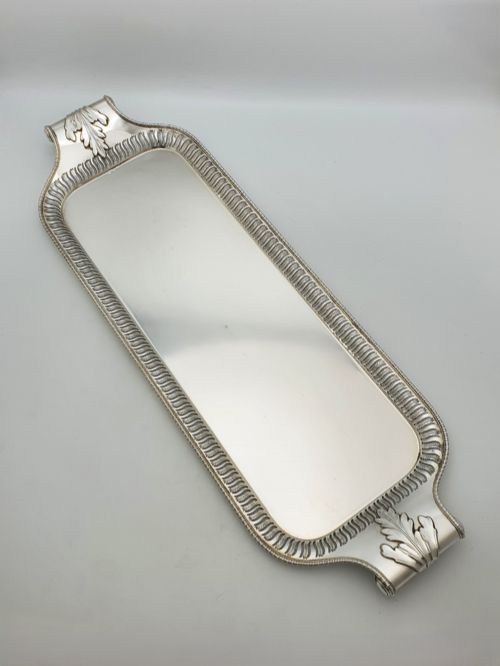
While primarily designed to hold quill pens and dip pens, many elongated trays served multiple purposes on the desk. Some forms originated as knife trays before finding a second life holding stationery and writing tools.
Desk tidies and inkstands often integrated pen rests alongside compartments for sealing wax and stamps.