



Georgian Desk Inkstand
A georgian desk inkstand brings order to writing, combining practical wells and sand pots with fine silver, brass, porcelain or rosewood.

Georgian Desk Inkstand
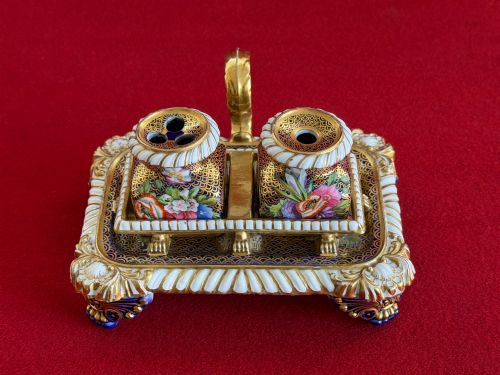
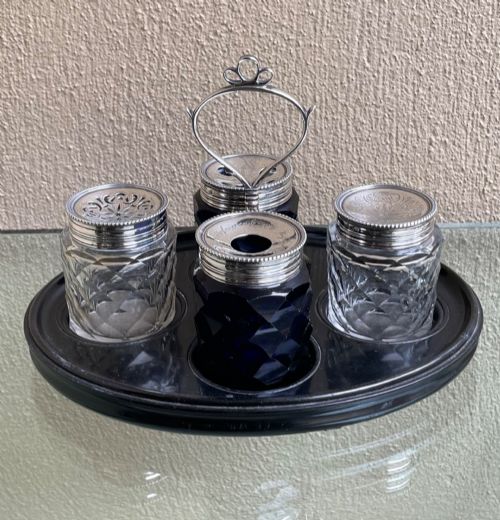
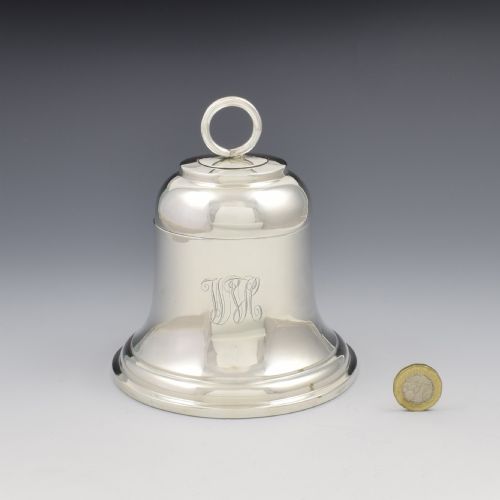
A georgian desk inkstand is a portable writing accessory designed to hold inkwells, pounce pots, and sometimes taper sticks or pens. These pieces range from substantial silver stands with multiple cut glass bottles to smaller porcelain inkwells and rosewood desk sets inlaid with brass.
The materials and periods span the Georgian era into the Regency, Edwardian, and George V periods, alongside items from 1800 through the early twentieth century. Buyers encounter sterling silver, Sheffield plate, pewter, porcelain, earthenware, and rosewood within this selection.
Standishes and desk sets serve as the primary variations of the inkstand, often including glass liners and hinged dome lids for travel or desk use. Each piece reflects the writing habits of its period, whether made in brass during the eighteenth century or silver gilt in the nineteenth.
Materials and Construction
Metals such as sterling silver, Sheffield plate, brass, and pewter form the structural bodies of many inkstands, often shaped through casting, smithing, or silver gilding. Wood versions utilise rosewood with inlaid brass and gold leaf detailing to create decorative writing boxes and desk sets.
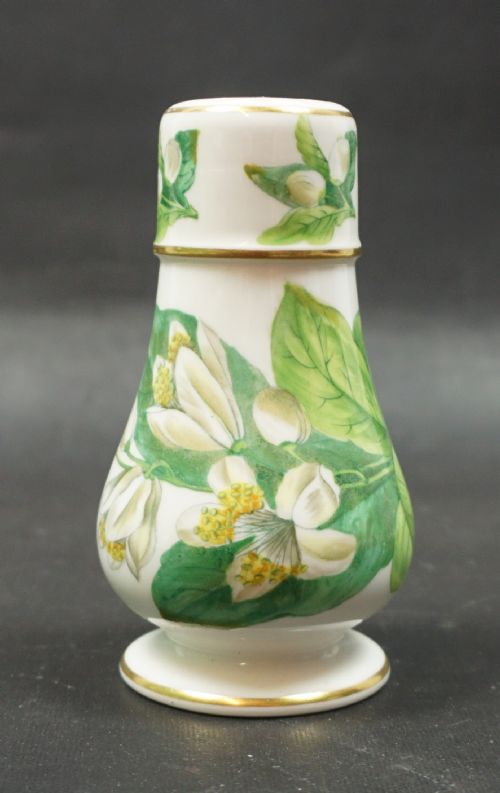
Ceramic pieces rely on porcelain and earthenware bodies, decorated with hand-painted scenes, dragon motifs in compartments, or floral patterns like lily of the valley. Cut glass and plain glass liners fit securely into metal mounts and ceramic wells to contain the ink safely.
Pounce pots ensured eighteenth-century letters stayed legible, proving that even desk accessories need a sprinkle of sand.
Defining Quality in Inkstands
Quality depends upon the crispness of the casting in metals and the precision of the joinery and inlay in rosewood desk sets. Pieces by known makers or with complete sets of original glass inserts and silver-gilt components demonstrate higher manufacture standards.
The artistic merit of hand-painted porcelain decoration, such as detailed Watteau scenes or specific Spode patterns, separates standard utilitarian items from finer decorative desk pieces. The integrity of the materials, from heavy solid silver to well-preserved Sheffield plate, dictates the durability and visual weight of the stand.
Flight Barr And Barr·Marson And Jones·Daniel Holy·Flight And Barr
The Georgian Desk Inkstand Glossary
- Standish
- An alternative term for an inkstand or desk set that includes compartments for ink, sand, and pens. It often sits on short feet or a shaped tray.
- Pounce pot
- A small container with a perforated lid used to sprinkle gum sandarac powder over freshly written paper. This prepared the rough paper surface for ink by preventing blotting.
- Sheffield plate
- A fused composite material made by heating a sheet of silver to a copper base. This technique preceded modern electroplating.
- Capstan inkwell
- A low, wide inkwell shaped like a ship's capstan with a tapering body and a hinged lid. This design offered stability on a moving ship or a busy desk.
Georgian Desk Inkstand: Frequently Asked Questions
What is the difference between an inkstand and an inkwell?
An inkstand is a tray or stand that holds one or more inkwells alongside other desk accessories like pounce pots and pen trays. An inkwell is simply the individual container for holding the ink itself.
Many desk sets combine both, providing fitted glass-lined inkwells secured within a larger silver, brass, or wooden stand.
How were pounce pots used on a desk?
Pounce pots held a fine powder made from sandarac resin or cuttlefish bone. Writers sprinkled this powder onto handmade paper before writing to smooth out rough spots that might catch the nib.
After writing, the powder was shaken off again to absorb excess ink and dry the page quickly.
Can I travel with a antique inkstand?
Travelling inkstands and ships' inkwells feature secure dome lids, screw-down fittings, or glass liners designed to prevent spills during transport. Pewter dome lid models and silver-gilt travelling ink wells were specifically made for use away from a fixed desk.
Modern movement can still dislodge old seals, so checking the fit of the inner glass liner is essential before carrying one.
How do I date an antique inkstand?
Dating relies on hallmarks on silver pieces, makers' marks on porcelain, and the prevailing style of the materials used. Georgian and Regency pieces show specific neoclassical or floral design motifs, while later Edwardian and George V items reflect the manufacturing methods of the twentieth century.
The presence of Sheffield plate or specific ceramic patterns helps narrow the period of manufacture.