

Antique Desktop Organiser
These antique desktop organiser pieces bring order to papers and small items, combining practical storage with period craftsmanship.
What an antique desktop organiser is
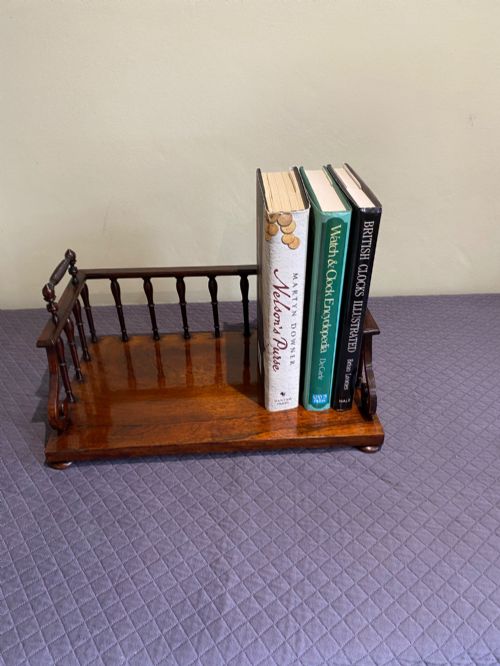
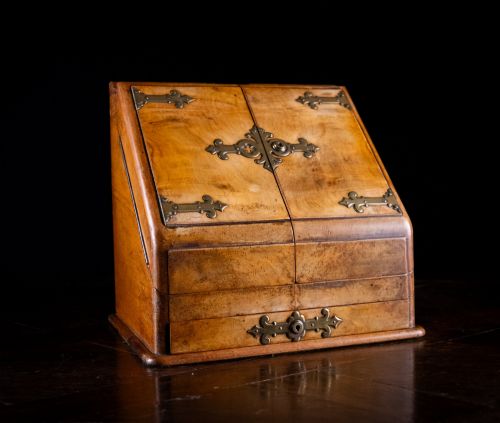
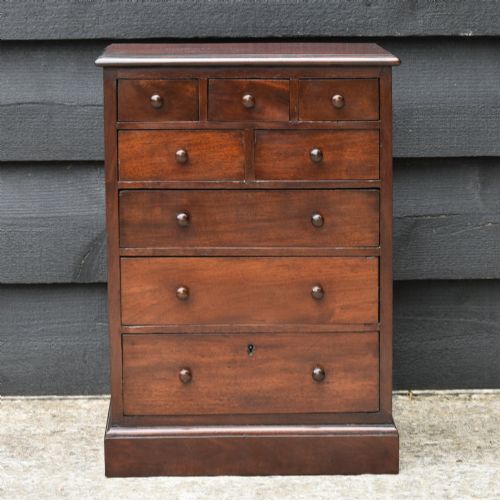
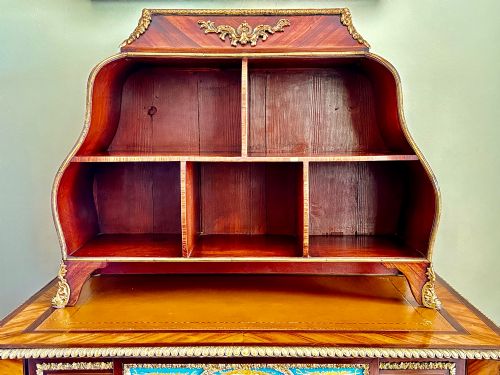
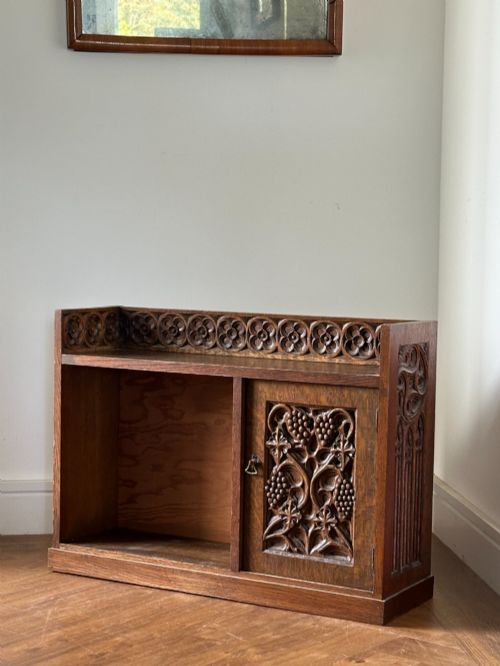
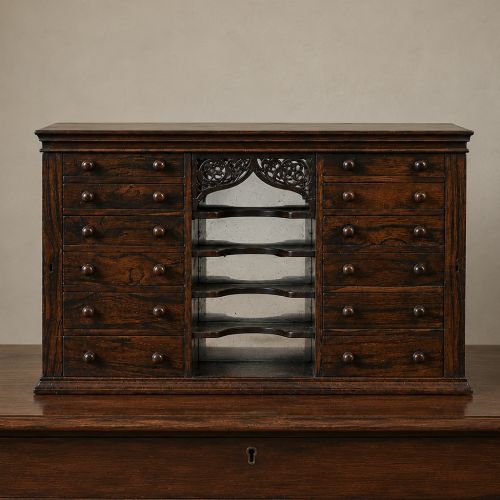
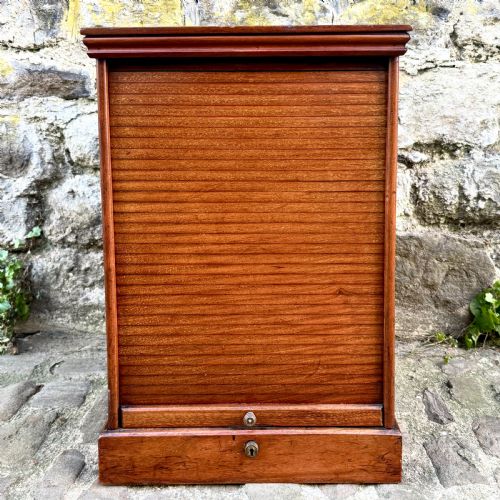
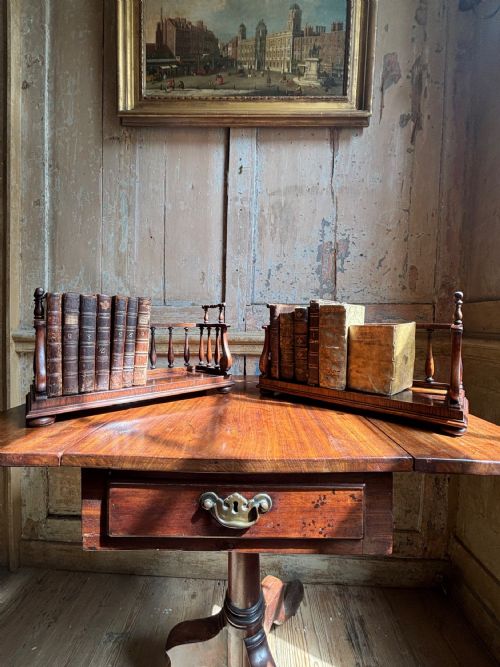
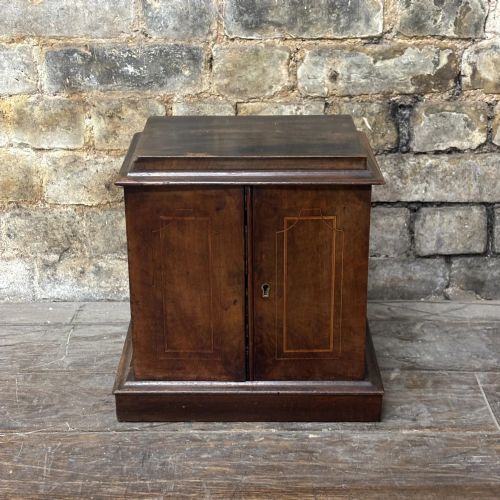
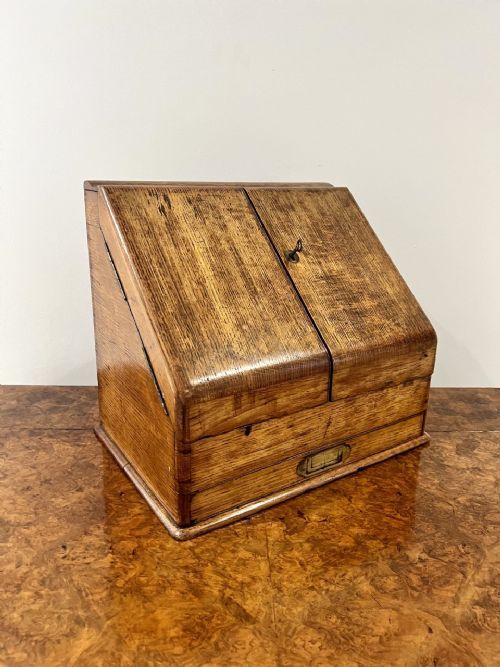
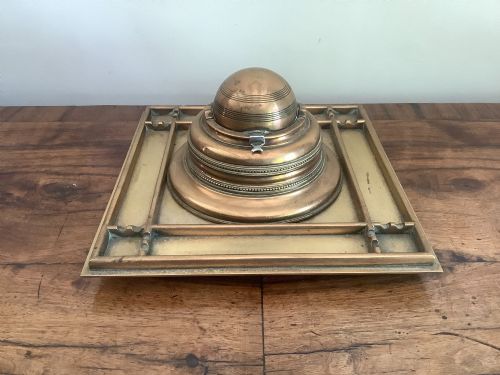
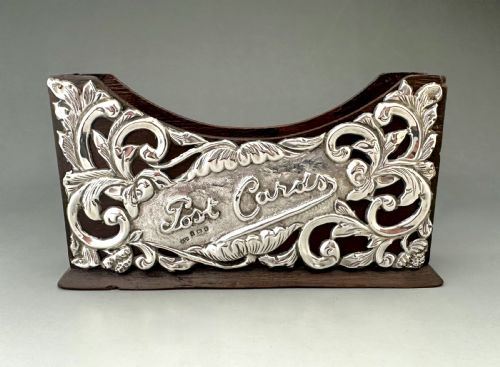
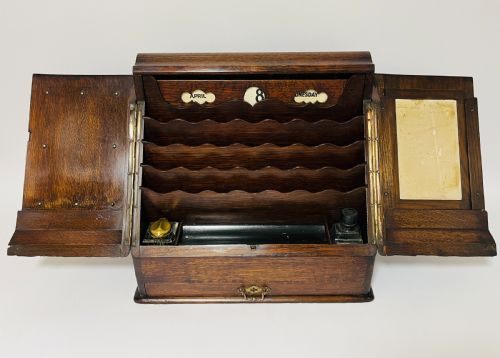
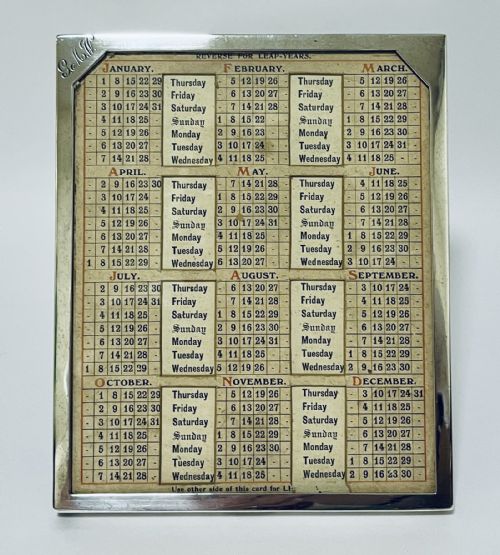
An antique desktop organiser provides dedicated storage for letters, stationery, and small accessories on a writing surface. Buyers seeking an antique desktop organiser encounter forms ranging from miniature chests of drawers and stationery boxes to cabinets, cheverets, and letter racks.
The selections span the eighteenth and nineteenth centuries, including Victorian and George III periods. Pieces frequently take the form of apprentice pieces, miniature furniture, or specialised desk tidies designed for nineteenth-century and earlier offices.
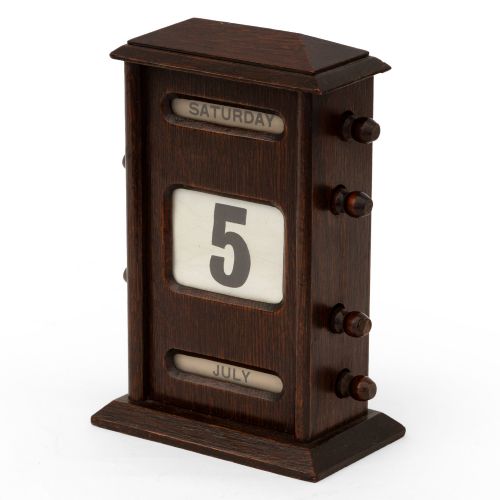
Mahogany, oak, and satinwood dominate the construction, often complemented by brass and glass details. These materials reflect the prevailing cabinet-making traditions of their respective eras, providing both durability and refined appearance.
How they were made
Cabinet makers built these pieces using solid hardwoods such as mahogany, oak, and satinwood, frequently employing traditional joinery techniques suited to miniature proportions. Surfaces often highlight the natural grain of the timber through careful polishing.
Fittings and decorative elements incorporate brass hardware, glass panels, and occasionally bone accents. These functional additions secure compartments, lids, and drawers while providing structural contrast to the primary wood.
Retail Price Guide 2026
Typical UK retail prices for desktop organiser, calculated from the Sellingantiques database of over a million retail prices indexed since 2003. This retail price guide relies exclusively on Sellingantiques data; no external sources or auction records are used, so the figures do not describe the wider market.
Apprentice pieces let aspiring joiners prove their skills on miniature chests before tackling wardrobes.
What varies in quality
Quality rests on the selection of timber and the precision of the cabinet work, particularly in miniature scale where joinery remains highly visible. Finer examples display carefully chosen wood figures, harmonious grain alignment, and well-fitted internal compartments.
The integration of secondary materials like brass mounts, glass inserts, and bone details distinguishes standard utility boxes from more ambitious desk furniture. Superior pieces maintain crisp detailing on hardware and smooth operation of drawers and lids.
The Antique Desktop Organiser Glossary
- Cheveret
- A small freestanding table with a book or letter stand on top, often featuring a small drawer below. This form developed in the eighteenth century to hold writing materials.
- Stationery box
- A desk accessory designed to hold envelopes and writing paper upright. These boxes often feature sloping or hinged lids that open to reveal internal partitions.
- Miniature furniture
- Small-scale replicas of larger furniture types, sometimes created as apprentice pieces. They demonstrate a cabinet maker's skill in miniature joinery.
- Letter rack
- A desk tidy with vertical dividers designed to sort incoming correspondence. They appear in materials like oak and incorporate brass fixtures.
Frequently Asked Questions
What is an antique desktop organiser used for?
These pieces served to sort correspondence, documents, and writing implements on desks and tables. Their compartmentalised interiors kept papers organised in period offices and homes.
Today, they function similarly on modern desks or dressing tables, holding letters, cards, and small everyday items while displaying period materials.
How do I date an antique desktop organiser?
Dating relies on identifying the timber species, construction methods, and stylistic cues characteristic of periods like George III or the Victorian era. Woods such as satinwood point towards the eighteenth century, while certain oak stationery boxes date to the late nineteenth century.
Examining internal secondary woods, fixings, and hardware provides further evidence of the period of manufacture, aligning pieces with known design phases.
What materials were used for these organisers?
Cabinet makers utilised dense hardwoods including mahogany, oak, and satinwood to construct the bodies and drawers of these desk pieces. These timbers were chosen for their durability and attractive grain patterns.
Fittings incorporated brass for hinges, handles, and locks, alongside glass panels and bone details that added functional contrast and decorative refinement.
Are miniature chests considered desktop organisers?
Miniature chests of drawers and apprentice pieces functioned historically on tabletops and desks to store small valuables, sealing wax, or personal papers. Their small scale suited them for desktop placement alongside stationery boxes.
While distinct from letter racks, these miniature drawers share the same domestic and office context as broader desktop storage forms from the nineteenth century.