
Antique Desktop Box
An antique desktop box sits ready to hold correspondence or ink, offering solid Victorian and Edwardian craftsmanship for the modern study.
What these pieces are
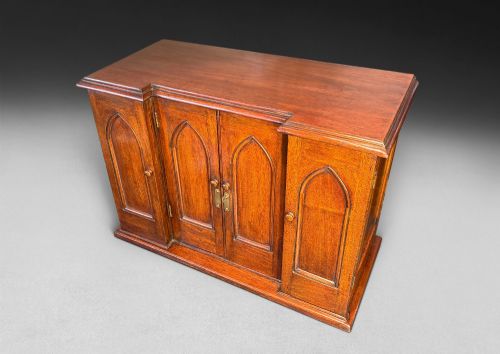
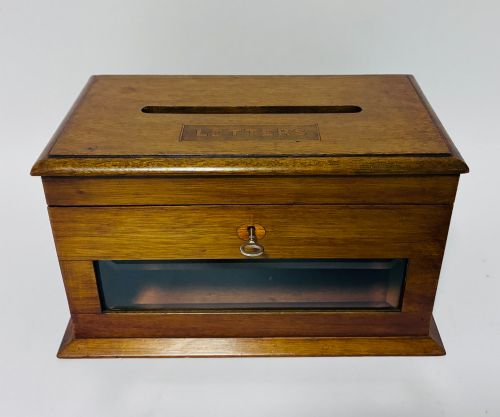
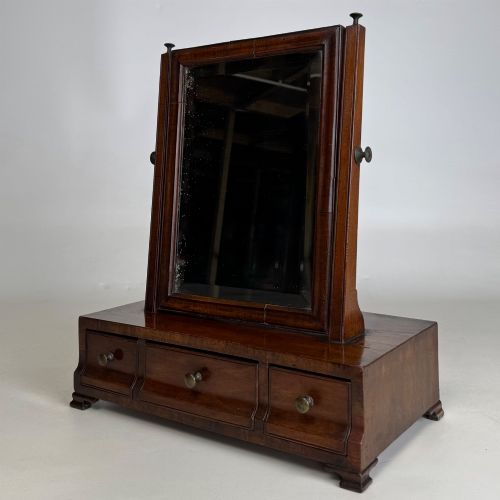
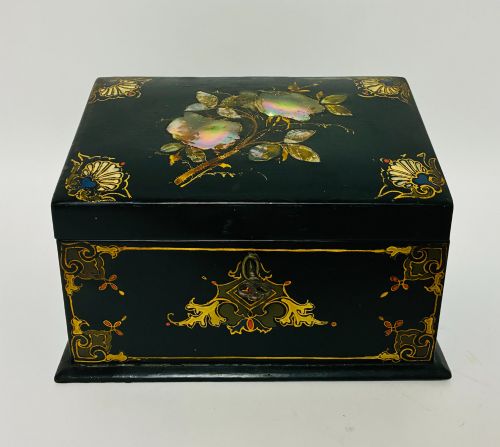
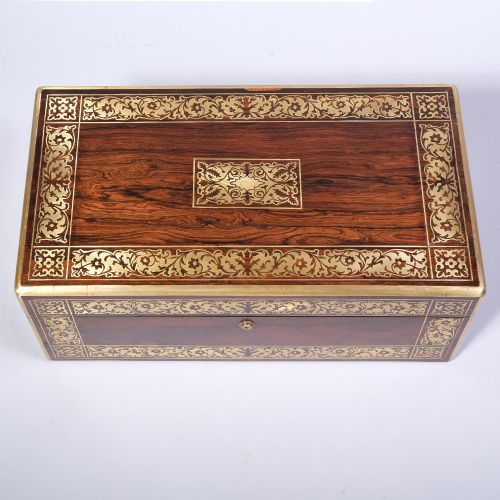
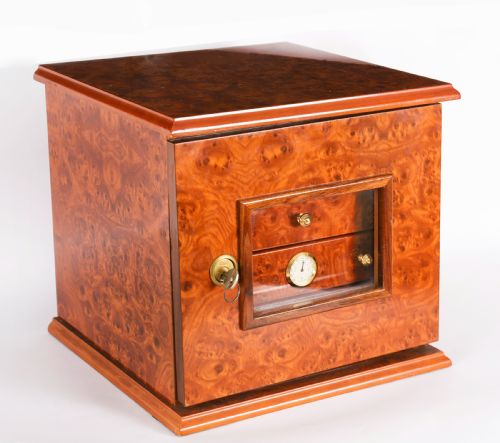
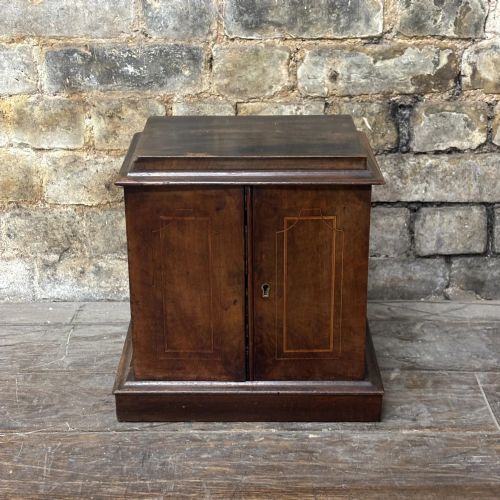
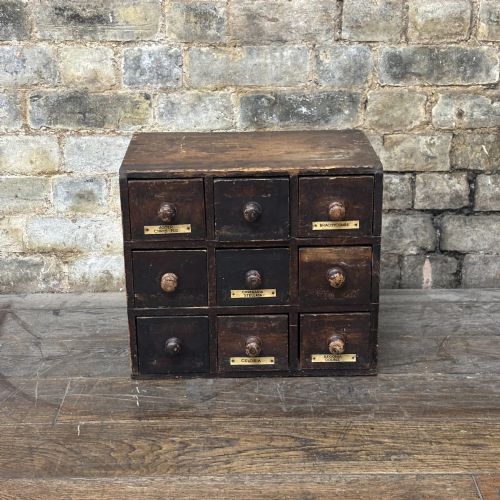
An antique desktop box brings Victorian and Edwardian order to the modern study, serving as a dedicated receptacle for letters, pens, stamps, and small valuables. The selection on this page centres on practical containers designed for the desktop, ranging from slope-front writing desks to upright stationery cabinets and small caskets.
Originating predominantly from the nineteenth century and the Edwardian era, these boxes reflect the rigorous correspondence habits of their original owners. Each piece provides a tangible connection to period desk organisation, whether configured as a correspondence box or a cigar cabinet.
How they were made
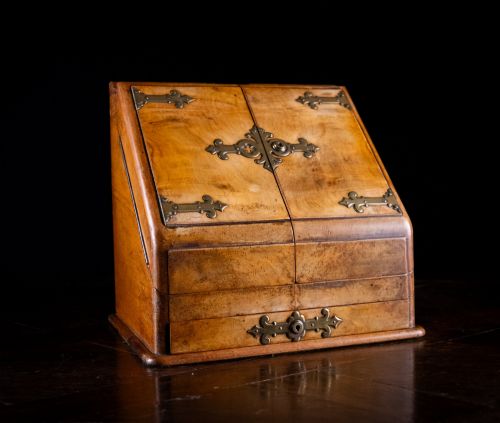
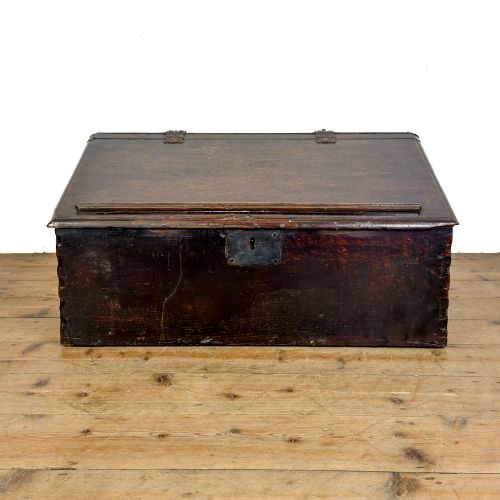
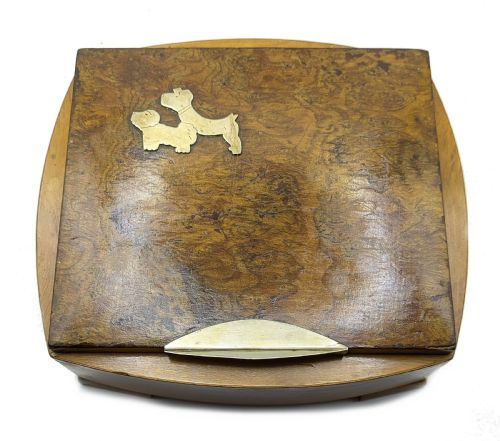
Cabinet makers utilised dense hardwoods such as oak, walnut, burr walnut, rosewood, and cedar to build the carcasses of these boxes. These timbers were often selected for their striking grain patterns, particularly in the case of burr walnut veneers applied to Victorian slopes and stationery cabinets.
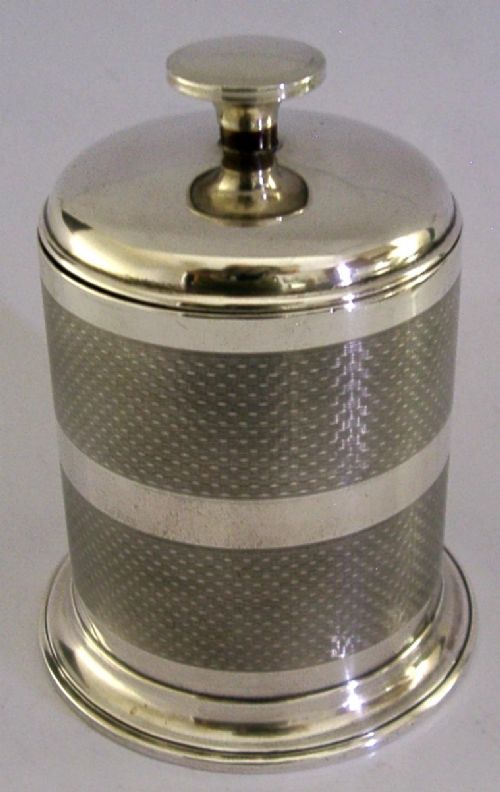
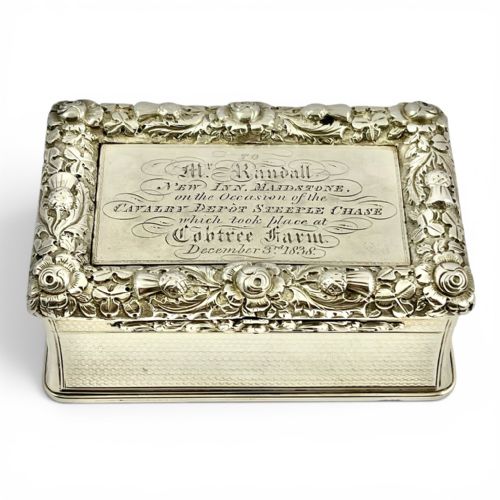
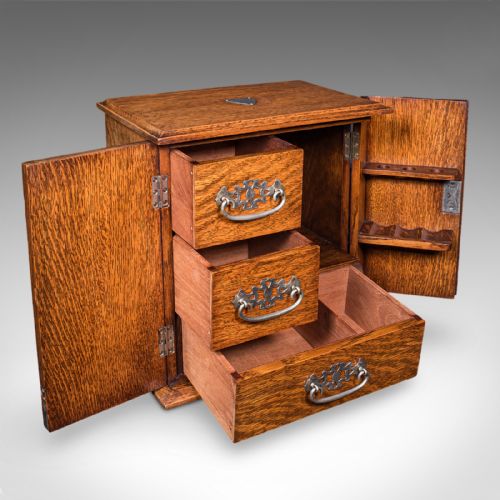
Metalwork played a structural and decorative role, with brass straps, hinges, and mounts reinforcing the corners of oak and walnut boxes. Sterling silver mounts and cut glass or crystal containers appear on smaller items like stamp boxes, while ceramic plaques such as Sevres porcelain provide inset decoration.
Retail Price Guide 2026
Typical UK retail prices for desktop box, calculated from the Sellingantiques database of over a million retail prices indexed since 2003. This retail price guide relies exclusively on Sellingantiques data; no external sources or auction records are used, so the figures do not describe the wider market.
Listings feature oak, walnut, burr walnut, and rosewood alongside brass, sterling silver, and cut glass across the nineteenth and Edwardian periods.
What varies in quality
The distinction between standard containers and superior examples lies in the selection of timber veneers and the precision of the brass or silver mounts. Finer cabinets exhibit carefully matched burr walnut figures and tightly fitted tambour doors or drop fronts.
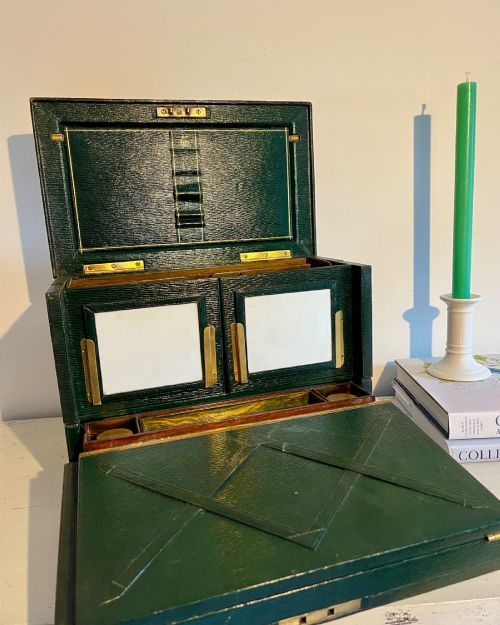
Internal complexity also separates the grades, as writing slopes and stationery boxes featuring fitted velvet ledges, secret drawers, and integrated inkwells demonstrate a higher standard of period craftsmanship.
The Antique Desktop Box Glossary
- Writing slope
- A portable desk with a slanted lid that opens to reveal a writing surface and internal compartments for pens and paper. These pieces fold flat for travel or storage.
- Stationery box
- An upright cabinet designed to hold envelopes and writing paper in tiered slots. They often feature sloping lids or fall-front doors.
- Stamp box
- A small container, frequently mounted in silver or crystal, made to keep postage stamps organised on a desk. They often feature hinged lids.
- Tambour
- A sliding door constructed from narrow strips of wood glued to a fabric backing, allowing it to curve around corners. This mechanism appears on cigar cabinets.
- Burr walnut
- A highly prized timber veneer taken from the burl growth of a walnut tree, producing swirling patterns. It decorates the exterior of Victorian boxes.
Frequently Asked Questions
What is an antique desktop box?
An antique desktop box is a portable or stationary container used during the nineteenth and early twentieth centuries to store writing materials, stamps, or small valuables.
These pieces range from slope-front writing desks to upright stationery cabinets and correspondence caskets.
How were writing slopes used?
A writing slope provided a slanted, firm surface for writing letters before the widespread use of flat-topped partner desks.
Inside, compartments held inkwells, blotting paper, and nibs, keeping all writing tools together in one portable case.
What woods are common in these boxes?
Cabinet makers predominantly used oak, walnut, burr walnut, rosewood, and cedar for the main body of these desktop pieces.
Figured veneers like burr walnut were frequently chosen for the exterior surfaces of Victorian and Edwardian examples.
How do I distinguish Edwardian from Victorian boxes?
Victorian boxes often display heavier brass mounts, walnut timbers, and traditional stationery compartments dating from around eighteen-sixty onwards.
Edwardian pieces tend to feature lighter golden oak or silver mounts, reflecting changing interior tastes near the turn of the twentieth century.