

Antique Desk with Inkwells
An antique desk with inkwells combines practical writing furniture with fitted glass and metal vessels, satisfying both daily utility and cabinet display.
Antique Desk with Inkwells
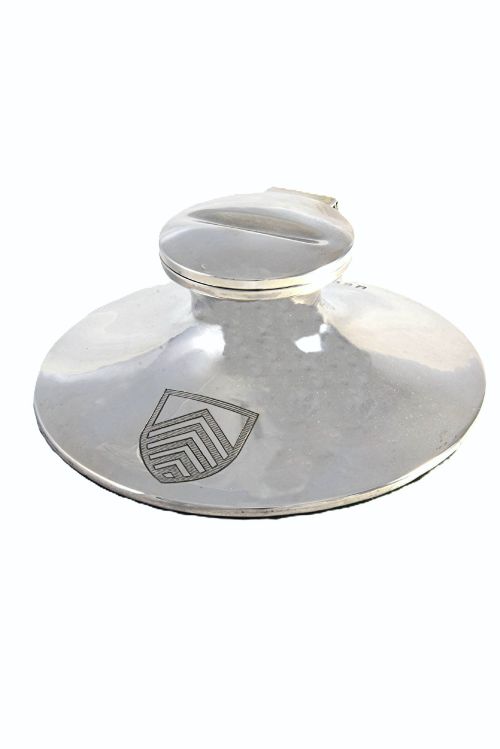
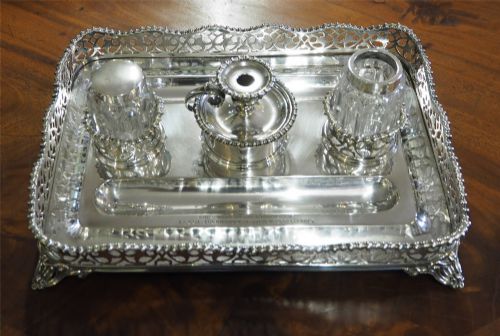
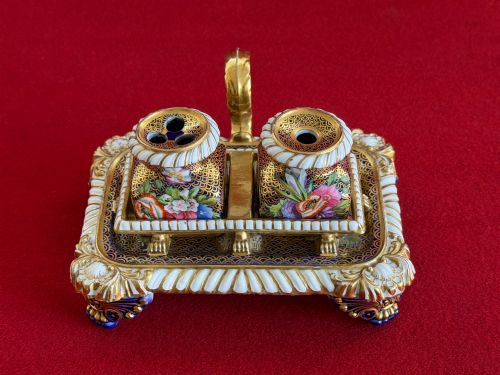
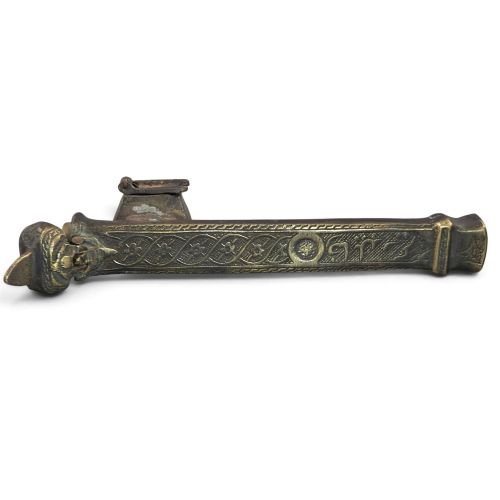
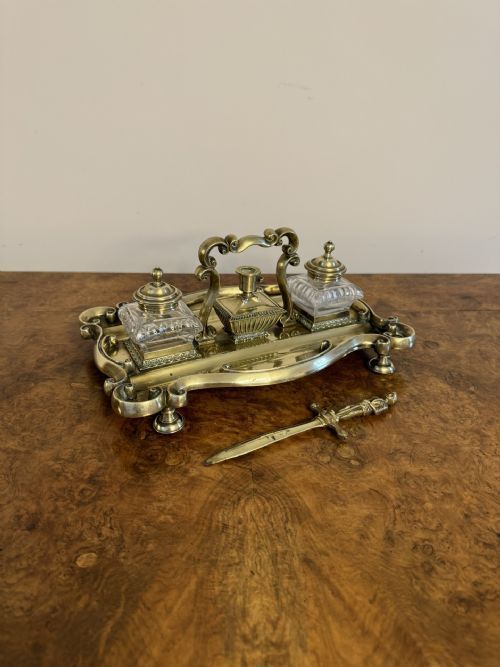
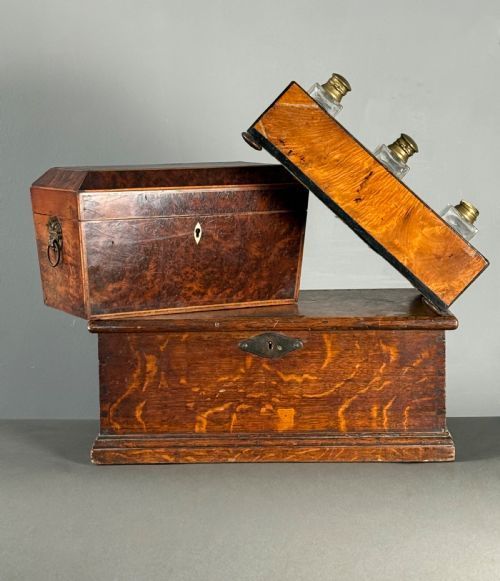
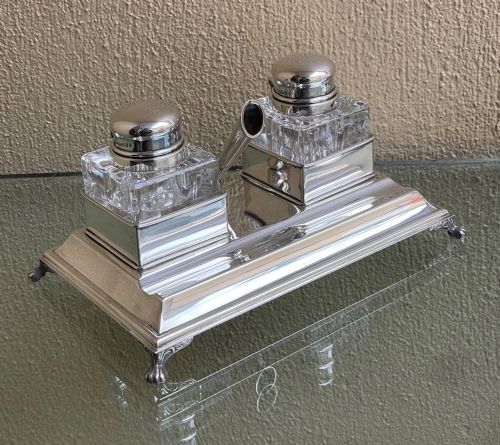
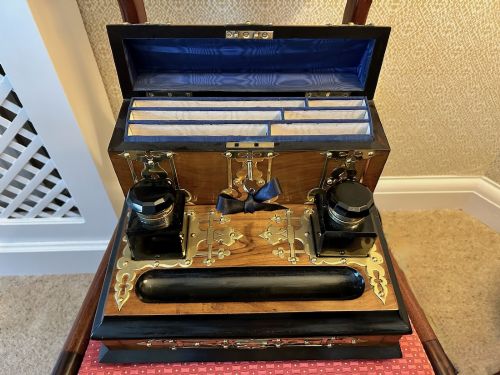
When you search for an antique desk with inkwells, you encounter a range of items from compact desk accessories and stands to full writing desks fitted with ink receptacles. The majority of pieces on this page comprise portable inkstands, desk tidies, and tabletop trays rather than large structural writing furniture.
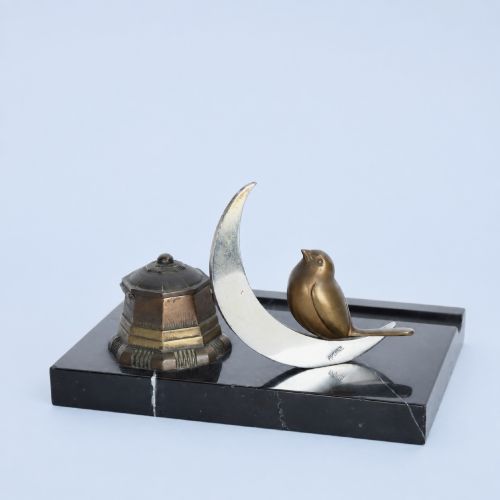
These items originate predominantly from the Victorian and Edwardian eras, alongside pieces dating through the nineteenth century and into the nineteen-thirties. Materials span solid oak, mahogany, and rosewood alongside metals like brass, bronze, silver plate, and sterling silver.
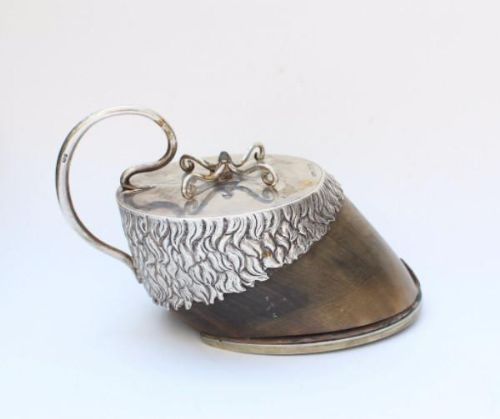
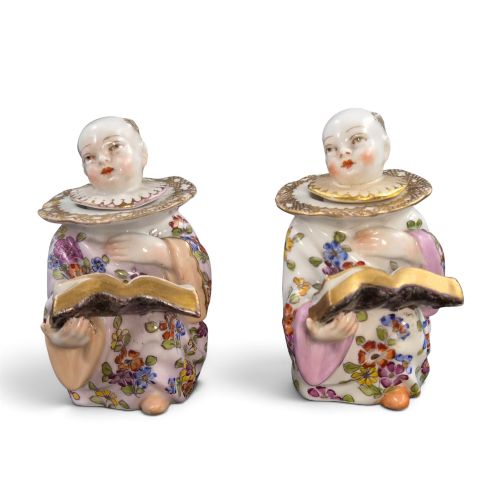
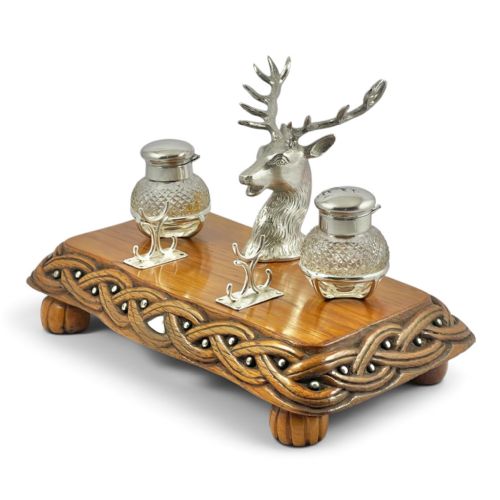
Formations vary from simple wooden trays with single glass inserts to elaborate double inkstands complete with chambersticks, pocket watches, and carved animal novelties. Buyers find both utilitarian office equipment and highly decorative decorative boxes designed for the drawing room.
Materials and Construction
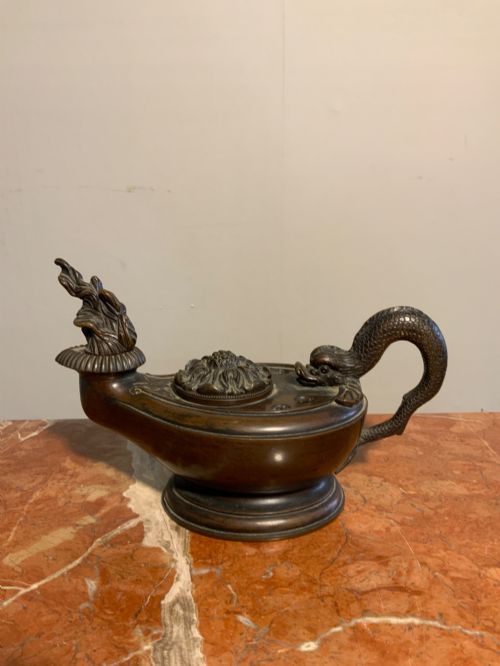
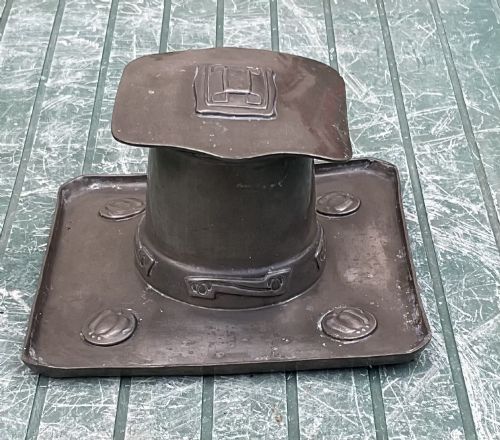
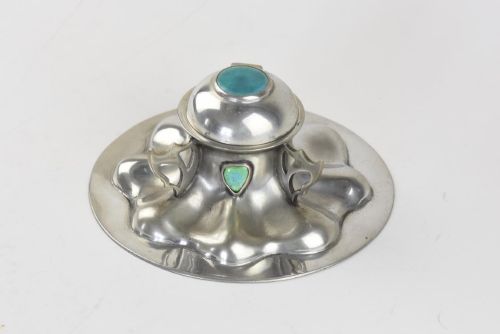
Wood and metal form the structural backbone of these pieces, utilising timbers such as oak, mahogany, rosewood, coromandel, and satinwood, often enhanced with brass inlay, mother-of-pearl, and bone details. Metalwork incorporates cast bronze, polished pewter, brass, and silver plating, sometimes accented with guilloche enamel or Ruskin cabochons.
Listings feature periods spanning from the eighteenth century through the Edwardian era and into the nineteen-thirties.
Assessing Quality
The distinction between standard items and superior examples rests upon the integrity of the materials and the sophistication of the manufacture. Pieces featuring fully intact original glass liners, matched ink bottles, and functioning mechanisms command greater regard from collectors.
Artistic execution dictates upper-tier status, separating mass-produced items from fine works by known makers or specific stylistic movements like Art Nouveau and Art Deco. The inclusion of specialised additions, such as integrated pocket watches, clocks, or hand-carved novelty figures with glass eyes, elevates the piece.
Elkington·William Hutton·Harrods·Rupert Favell·Moser
The Antique Desk with Inkwells Glossary
- Inkstand
- A portable tray or stand holding inkwells, pen rests, and sometimes sanders or wafer boxes. It sits atop a desk to keep writing materials organised.
- Standish
- An alternative term for a formal inkstand, often made of silver or plated metal with multiple compartments for writing implements.
- Capstan inkwell
- An inkwell shaped like a ship's capstan, featuring a wide circular base tapering upwards towards a hinged lid.
- Desk tidy
- A desk accessory designed to hold stationery, letters, and ink bottles in a single compartmented tray.
- Boulle work
- A form of marquetry utilising brass and tortoiseshell inlaid into wood, frequently seen on nineteenth-century desk stands.
Antique Desk with Inkwells: Frequently Asked Questions
What is the difference between an inkstand and an inkwell?
An inkwell is the individual pot or container that holds the liquid ink, typically fitted with a hinged lid. An inkstand is the broader tray or chassis that holds one or more inkwells alongside pen rests and other desk accessories.
Many listings on this page combine both terms because the stand is sold complete with its original ink containers intact.
How do I date a metal inkstand?
Dating relies on stylistic markers such as Rococo Revival curves, Victorian heft, Art Nouveau whiplash lines, or Art Deco geometric forms. Hallmark stamps on silver and plated items also provide precise registration years.
Materials like polished pewter, brass, and sterling silver reflect the manufacturing preferences of their specific decade of production.
Are the glass ink inserts usually original?
Original glass liners and ink bottles survive in many pieces, though replacements occur frequently due to the fragile nature of glass. Cut glass inserts and fitted bottles that match the exact contours of the stand indicate high originality.
Inspectters look for consistent wear patterns between the metal or wooden stand and the glass vessel sitting inside it.
How were novelty inkwells used?
Novelty inkwells shaped as animals, such as bears, owls, or monkeys, served as both functional desk accessories and decorative conversation pieces in Victorian studies. The hidden ink reservoir was accessed by lifting a hinged head or a concealed wooden log.
These pieces brought whimsical relief to formal nineteenth-century office spaces while maintaining practical utility for daily correspondence.