
Antique Desk Top Drawers
Antique desk top drawers organise correspondence and small papers, combining compact scale with proper cabinetry.
Antique Desk Top Drawers
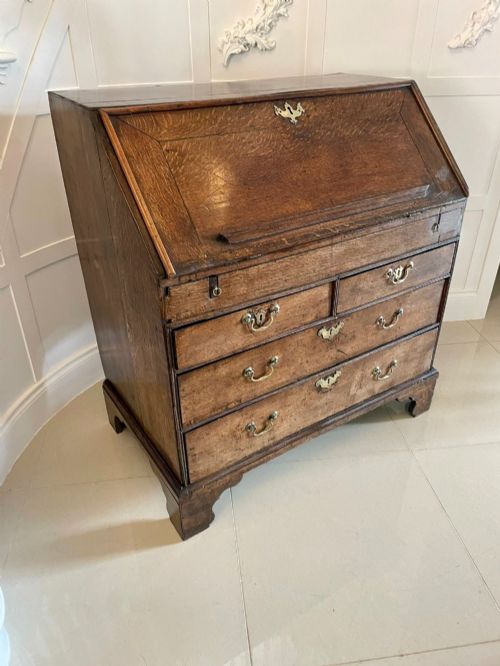
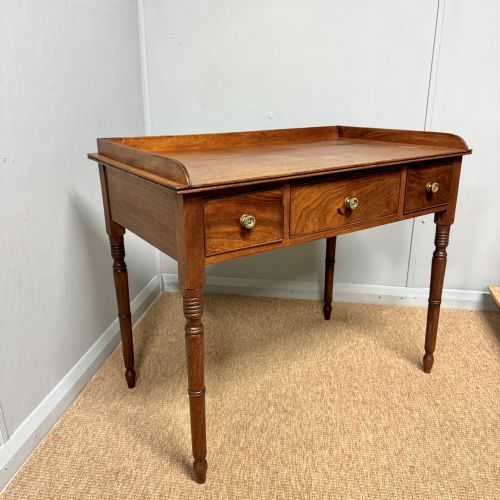
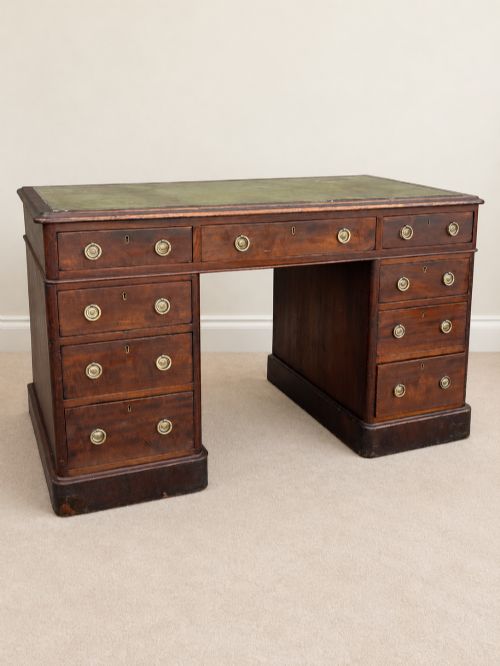
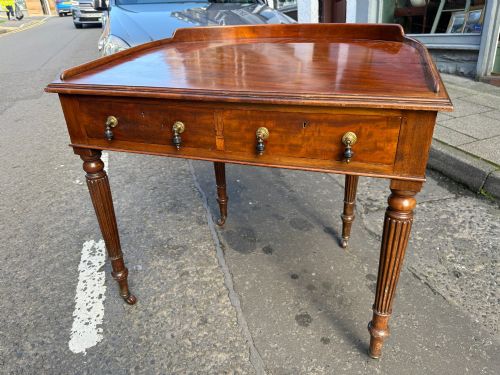
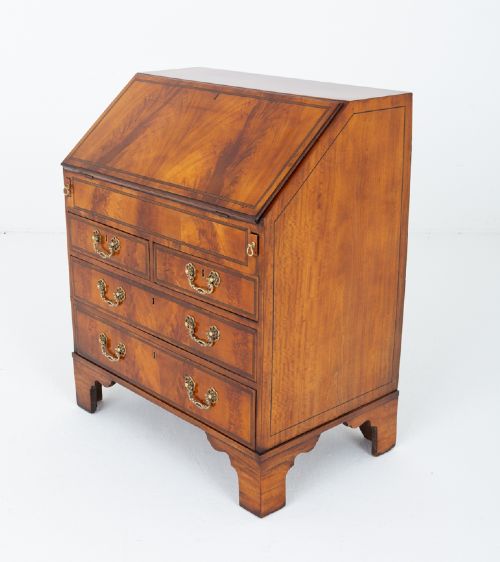
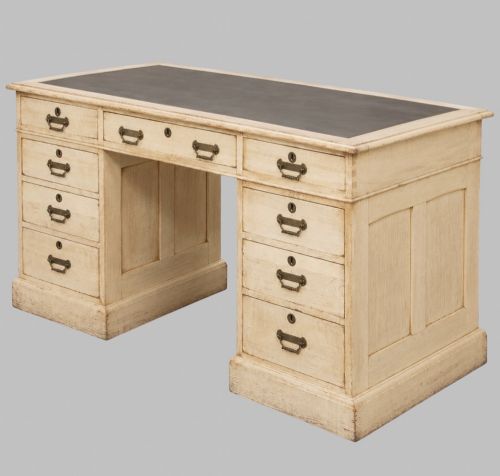
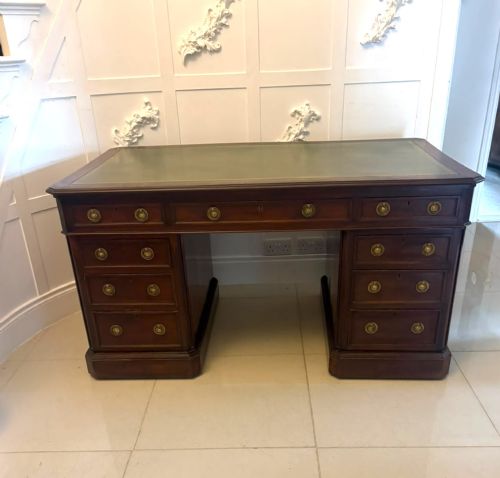
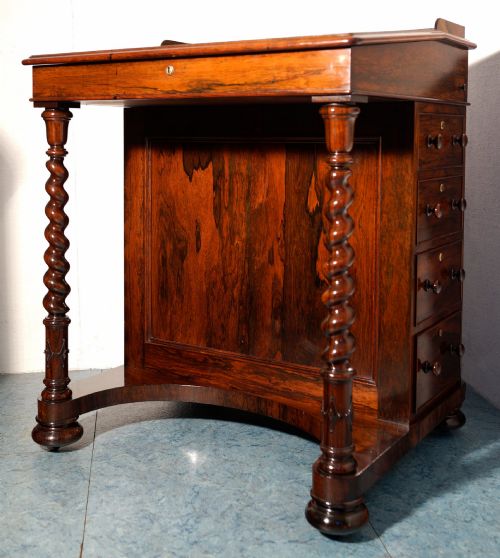
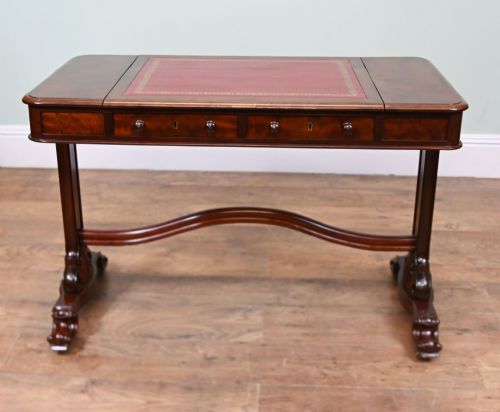
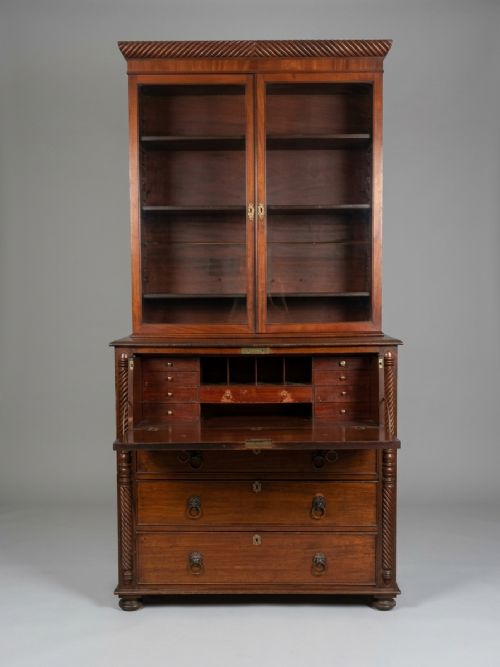
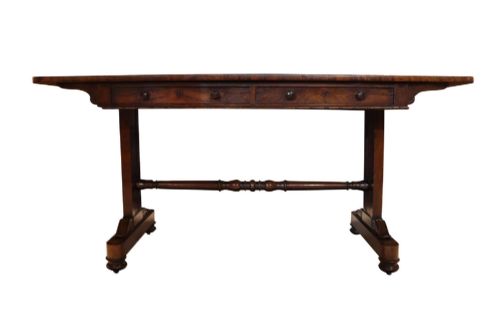
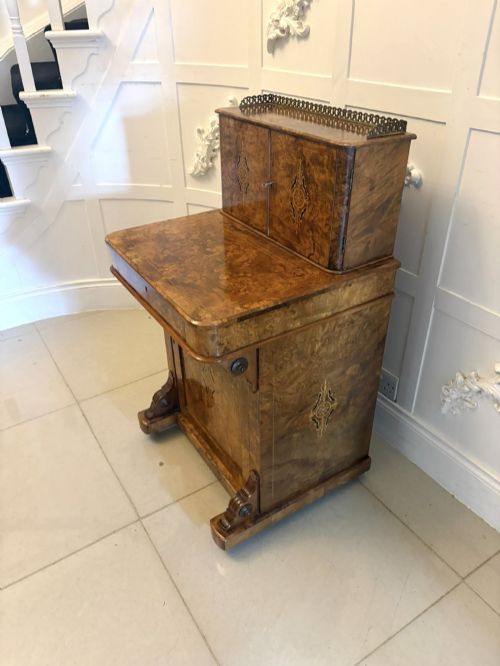
When you search for antique desk top drawers, you encounter small chests, writing boxes, and stationery cases designed to sit upon larger tables or pedestal desks. The material evidence shows pieces originating across the nineteenth century, including Victorian, Edwardian, and earlier periods.
Most examples function as miniature chests or fitted superstructures with multiple small drawers for letters, nibs, and ink. These compact pieces offer practical desk organisation while maintaining the decorative timber surfaces characteristic of period furniture.
Materials and construction
Cabinetmakers built these small drawer units using hardwoods such as mahogany, oak, and walnut, often selecting figured veneers like burr walnut or exotic timbers like coromandel for visible surfaces. Brass fittings, including carrying handles and escutcheons, appear frequently on portable or campaign-style writing boxes.
Joinery techniques involve precision dovetailing on the drawer carcasses and tight internal partitions for stationery compartments. Secondary timbers such as pine or cedar typically line the interiors and drawer bottoms.
Some pieces include secret compartments hidden behind false drawer backs for storing truly private notes.
Assessing quality in small drawer units
Quality rests in the crispness of the dovetail joints, the selection of timber veneers, and the retention of original brass hardware or locks. Finer pieces display careful matching of wood grain across the drawer fronts and well-fitted internal stationery compartments.
The distinction between standard workshop production and superior cabinet work lies in the handling of secondary timbers and the precision of the drawer fit. Retaining original surfaces without aggressive refinishing preserves the integrity of the piece.
Gillows·Edwards & Roberts
The Antique Desk Top Drawers Glossary
- Dovetail joint
- A traditional interlocking woodworking joint used to connect drawer sides to drawer fronts. This construction method provides high tensile strength and longevity.
- Superstructure
- A set of small drawers or pigeonholes built to sit on top of a flat desk surface. It expands storage capacity without enlarging the footprint of the furniture.
- Escutcheon
- A small protective plate surrounding a keyhole, usually made of brass or bone. It prevents the surrounding wood from wearing down through repeated use of the key.
- Secondary timber
- The interior wood used for unseen parts of a piece, such as drawer linings and backboards. Cabinetmakers often used pine or oak for this purpose.
Antique Desk Top Drawers: Frequently Asked Questions
What were antique desk top drawers used for?
These small drawer units held writing paper, envelopes, inkwells, and personal correspondence before the widespread use of manufactured envelopes and modern filing.
People placed them on top of larger writing tables or used them independently for sorting important documents.
How do I date a set of desk top drawers?
Dating relies on observing the timber species, the construction of the drawer dovetails, and the style of any brass hardware. Earlier pieces from the Georgian era often feature hand-cut dovetails and solid primary timbers.
Later Victorian and Edwardian examples may utilise machine-sawn components and different veneer applications.
Where should I place these drawers in a modern home?
They sit comfortably on top of modern sideboards, modern desks, or deep windowsills where their compact footprint provides useful organisation for stationery.
Their scale allows them to fit into smaller rooms while keeping daily clutter out of sight.
How do I care for the wood and leather surfaces?
Maintain timber surfaces by applying quality bees-wax periodically and avoiding placement near direct heat sources or strong sunlight.
Keep leather writing surfaces, where present, clean and dry to prevent cracking.