


Antique Desk Top Chest
An antique desk top chest offers compact, organised storage with genuine period character, bringing traditional craftsmanship directly to a modern work surface.
Antique Desk Top Chest
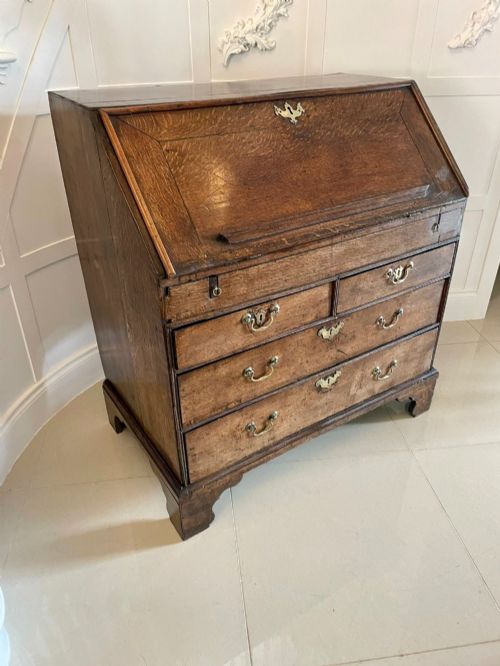
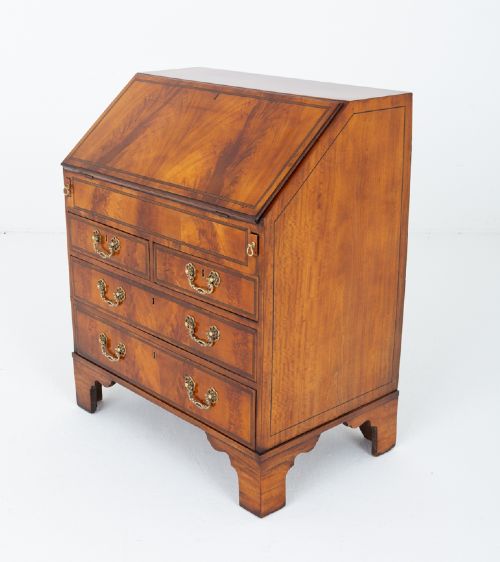
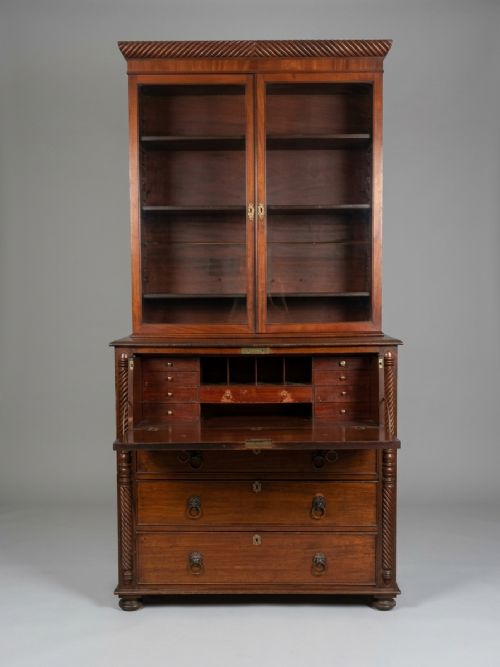
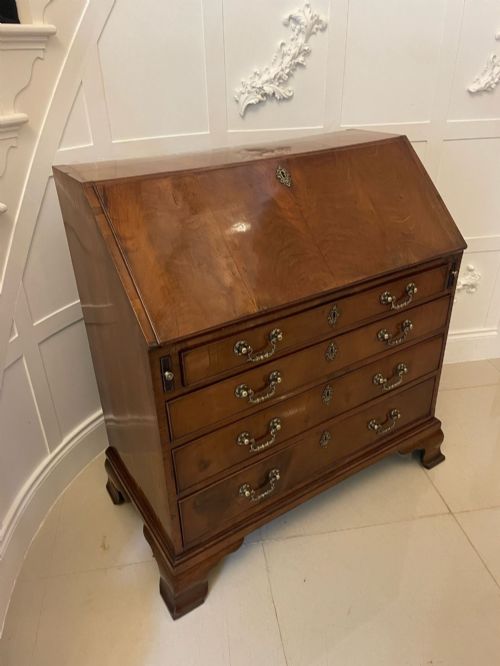
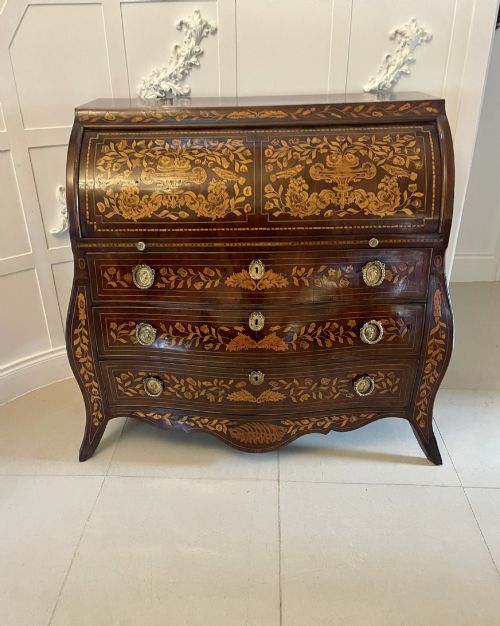
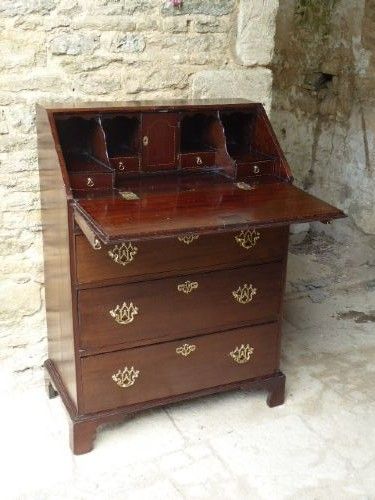
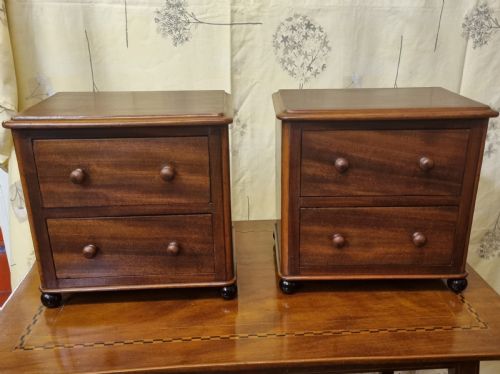
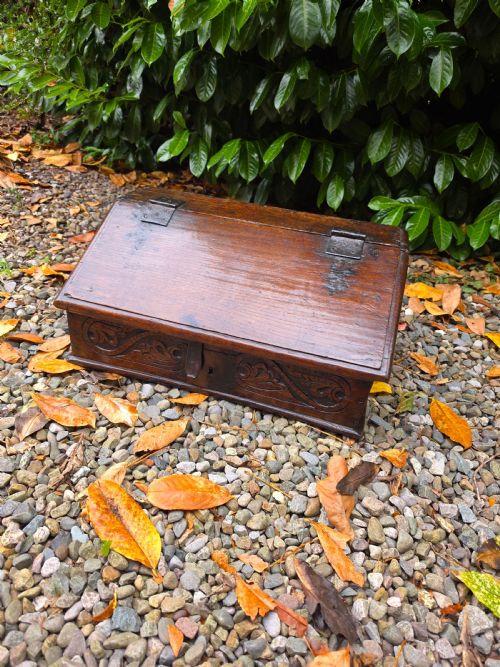
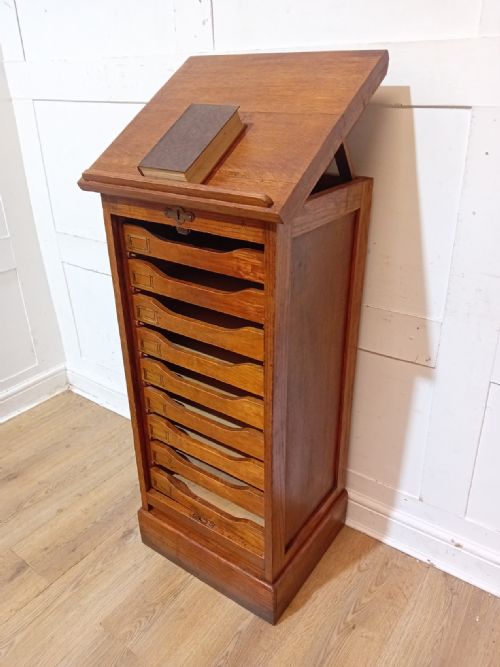
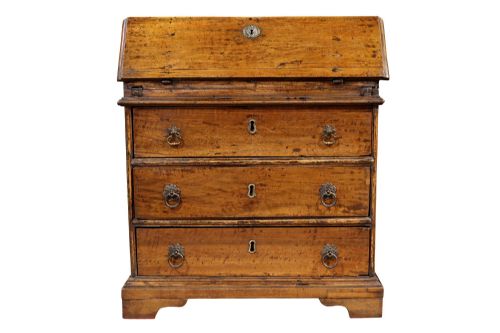
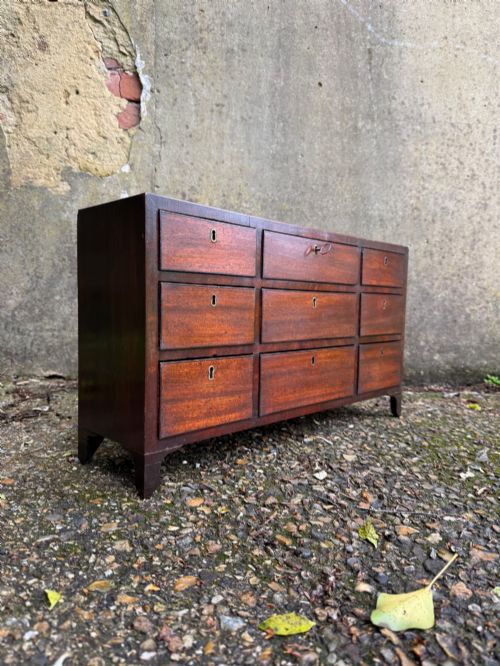
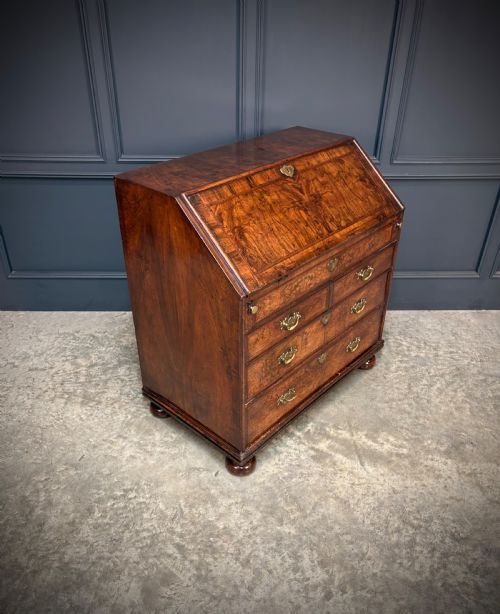
An antique desk top chest provides miniature proportions and compartmentalised storage designed for practical desktop use. Buyers searching for an antique desk top chest often encounter small-scale bureaux, table top chests, slant front bible boxes, and diminutive cabinet pieces.
The pieces appearing on this page span several centuries, with particular strength in Georgian and Victorian examples. These functional objects range from simple oak bible boxes to finely figured burr walnut and mahogany bureau forms.
Originating as portable writing desks or supplementary tabletop storage, these pieces reflect the domestic writing and filing habits of earlier eras. Their compact footprints make them straightforward to place in contemporary interiors while retaining historical authenticity.
Materials and Construction Methods
Cabinetmakers constructed these pieces using dense hardwoods including mahogany, oak, and walnut, often applying decorative veneers such as burr walnut or amboyna. The external surfaces frequently display marquetry inlay or herringbone banding, executed with hand tools to highlight natural timber grains.
Structural integrity relied on traditional joinery methods such as dovetailing for drawer construction and pegged joints for earlier oak examples. Ironwork, brass handles, corner mounts, and escutcheons were fitted by hand to secure movable flaps and lids.
Woods recorded across the selection include mahogany, walnut, burr walnut, oak, amboyna, satinwood, camphor, and pollard oak.
Distinctions in Quality
Quality in these items rests on the selection of timber figures and the precision of decorative inlays like floral marquetry or banding. Pieces utilising highly figured burr walnut or well-matched mahogany veneers demonstrate superior workshop standards.
The presence of original hardware, such as ironwork and brass mounts, distinguishes untouched examples from those with later replacements. Refined cabinetmaking is visible in the crispness of hand-cut dovetails and the smooth operation of internal writing slides and small drawers.
Edwards and Roberts
The Antique Desk Top Chest Glossary
- Bureaux
- A sloping desk form that opens to reveal internal pigeonholes and small drawers. These writing cabinets frequently sit upon tables or lower chests.
- Marquetry
- Decorative veneer work arranged in pictorial or floral patterns using various tinted woods. This technique was favored by Dutch and English cabinetmakers.
- Herringbone
- A distinctive V-shaped inlay banding pattern utilising contrasting wood grains. It frames drawer fronts and writing flaps on walnut and mahogany pieces.
- Secretaire
- A cabinet or chest incorporating a pull-out writing drawer or drop-front desk section. These pieces combine general storage with a dedicated writing surface.
- Bible Box
- A small wooden storage box with a sloping lid, historically used for holding heavy texts. Early versions frequently feature carved oak surfaces.
Antique Desk Top Chest: Frequently Asked Questions
What is an antique desk top chest used for?
These pieces served historically for correspondence, document storage, and keeping writing materials organised on a table or larger cabinet.
Today, they function well on modern desks or sideboards for storing stationery, letters, and small collectables while adding period presence to a room.
How do I tell a Georgian desk top piece from a Victorian one?
Georgian pieces often employ solid mahogany or walnut with understated lines and restrained brass hardware, reflecting 18th-century design preferences.
Victorian examples frequently utilise figured burr walnut, heavier brass mounts, or applied carving, showing the era's taste for decorative variety and rich timber grains.
Are these chests heavy to move?
Most pieces are compact in scale, though the use of dense hardwoods like oak, mahogany, and walnut means they possess solid weight despite their small size.
Their portable nature originally allowed them to be shifted between rooms or carried during travel, though modern placement typically remains fixed on a sturdy surface.
What materials should I expect to find?
The primary structural woods include mahogany, oak, and walnut, complemented by decorative veneers such as burr walnut, amboyna, and satinwood.
Hardware details typically consist of brass handles, escutcheons, and occasionally iron hinges or locks that secure the folding desk lids and compartments.