
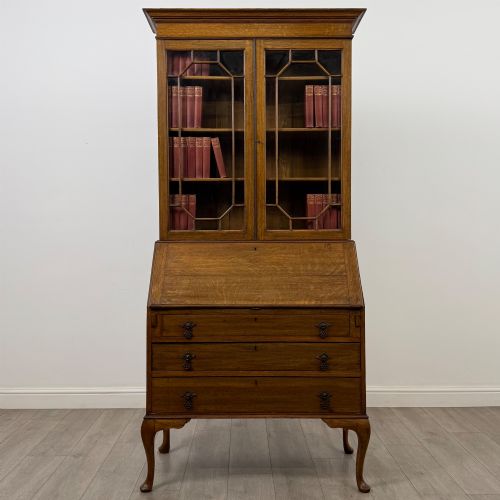
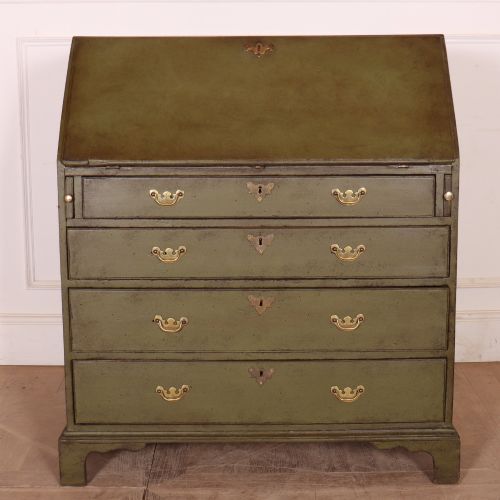

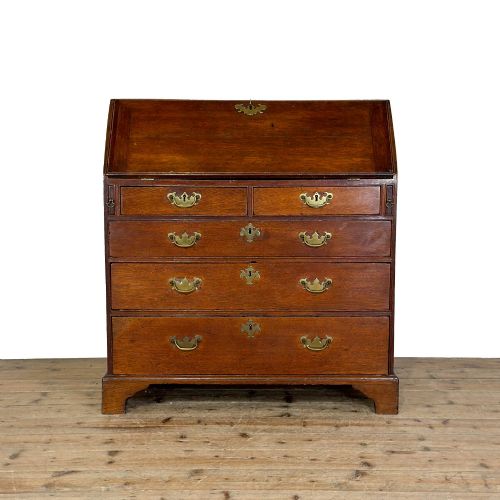
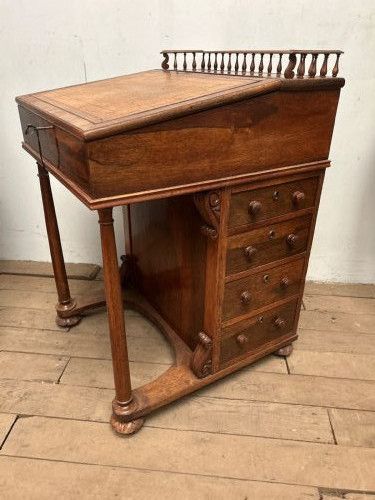
Antique Desk Top Cabinet
An antique desk top cabinet offers a compact writing station or stationery tidy for the home study.
Antique Desk Top Cabinet
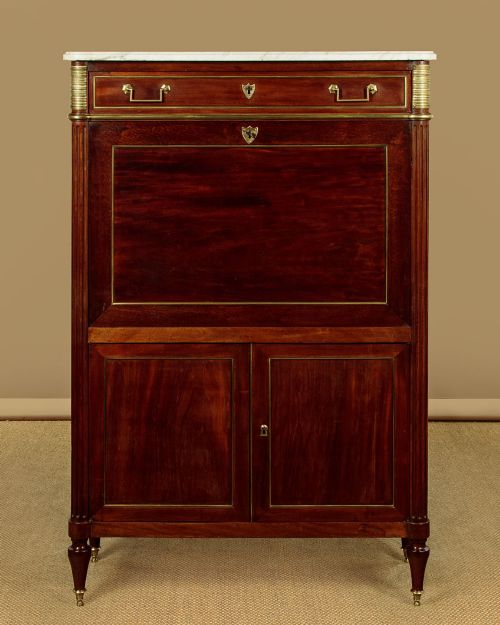
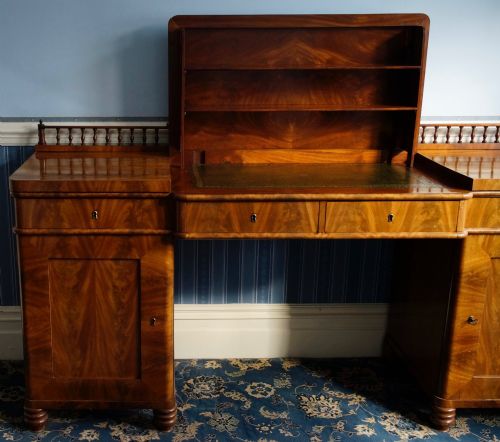
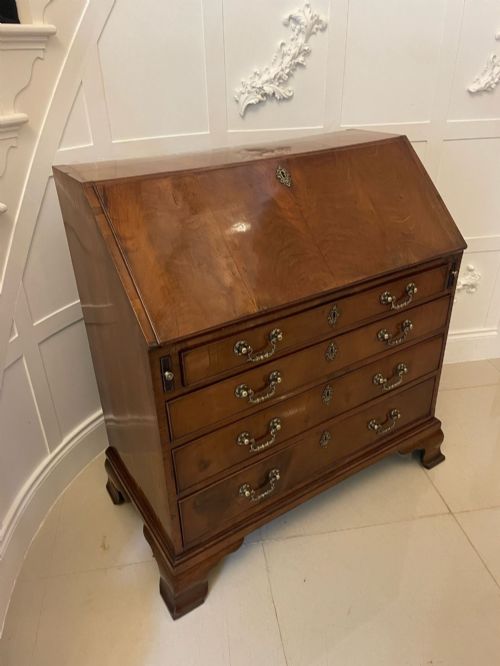
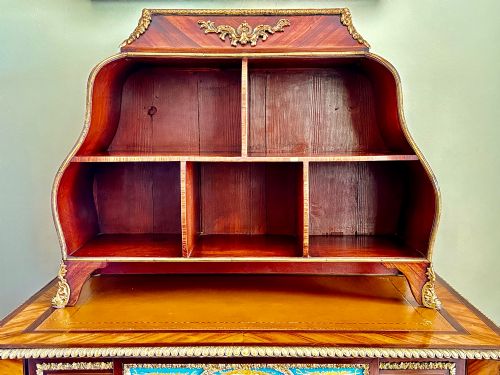
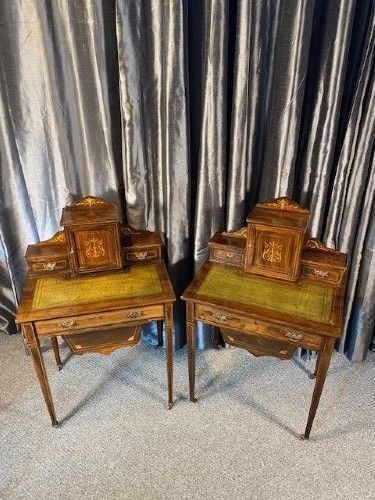
When you search for an antique desk top cabinet, you encounter a specialised form of miniature case furniture designed to sit upon a larger surface. These pieces provide pigeonholes, small drawers, and compartments for letters and writing materials, often incorporating a sloping fall-front or a hinged door.
The selections available range from sturdy oak stationery boxes to walnut and mahogany tabletop writing desks and compact fall-front cabinets. Victorian and Edwardian examples dominate the offerings, frequently featuring fitted calendars and internal letter slots.
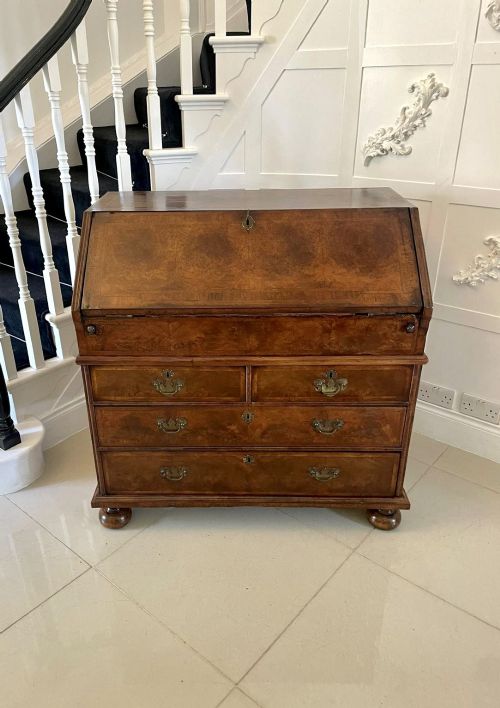
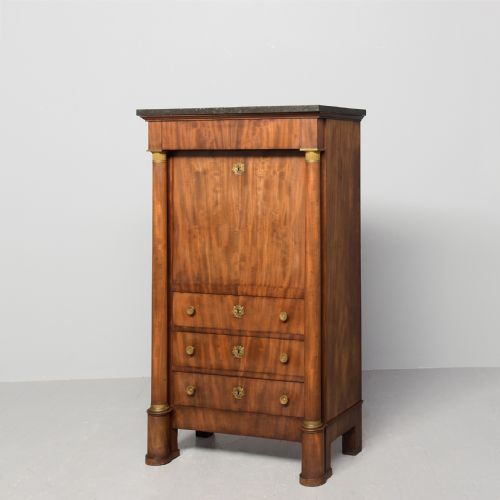
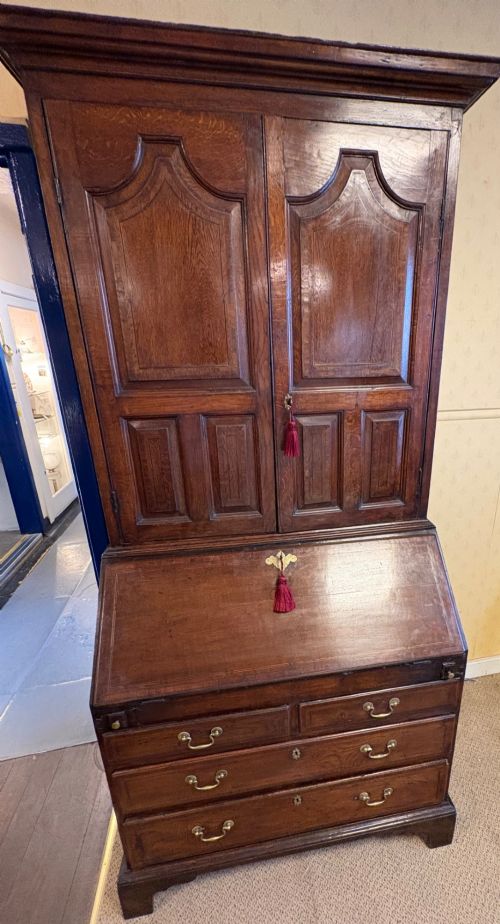
Earlier pieces from the eighteenth and nineteenth centuries appear less often on tabletop duty, though related forms like the compact bureau and diminutive secretaire cabinets share the same function of keeping correspondence orderly.
How they were made
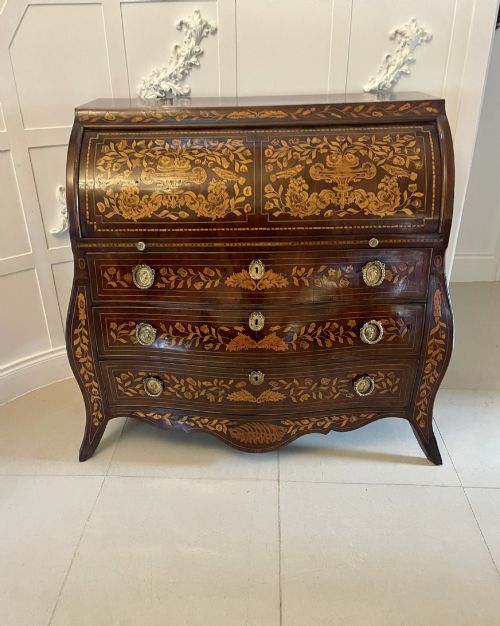
Cabinet makers built these pieces using solid timbers such as oak, walnut, and mahogany, frequently applying decorative veneers like burr walnut and marquetry across the exterior surfaces. Brass handles, hinges, and occasional bronze mounts provide structural reinforcement and visual contrast.
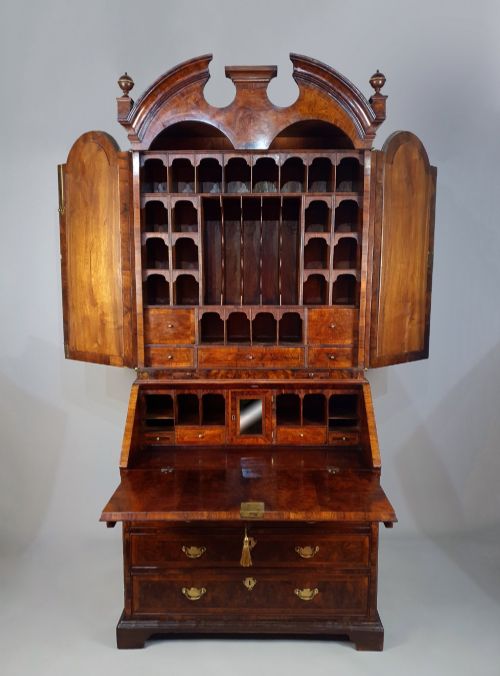
Interiors often involve intricate joinery, creating stepped pigeonholes and secret compartments within a confined space. Tambour shutters and folding writing slopes rely on precise wooden slat construction and canvas backings to operate smoothly.
Several Victorian oak cabinets retain perpetual calendars, proving that nineteenth-century desks also suffered from perpetual date confusion.
What varies in quality
The standard of craftsmanship shows in the selection of timber figures, such as the richness of the burr walnut or the grain alignment in mahogany panels. Superior pieces display meticulous dovetailing on drawer linings and careful matching of veneers across the front.
Hardware and internal fittings separate standard production items from finer works. Original brass mounts, well-fitted calendar attachments, and smoothly functioning tambour mechanisms indicate a higher grade of manufacture by skilled workshops.
Edwards and Roberts·Gillow and Co·Gillows of Lancaster·Blake London·Tudor and Burrey
The Antique Desk Top Cabinet Glossary
- Tambour
- A sliding shutter formed of narrow strips of wood glued to a canvas backing. This mechanism allows a curved cabinet front to open smoothly without swinging outward.
- Stationery cabinet
- A desktop box fitted with tiered compartments and partitions specifically designed to hold writing paper and envelopes.
- Secretaire abattant
- A tall cabinet featuring a drop-front writing surface that conceals a fitted interior of small drawers and pigeonholes.
- Davenport
- A compact writing desk featuring a sloped writing bed above a pedestal of drawers, sometimes produced in tabletop proportions.
- Marquetry
- The art of applying decorative veneer pieces to a structure to form intricate patterns and pictures using various coloured woods.
Antique Desk Top Cabinet: Frequently Asked Questions
What is an antique desk top cabinet used for?
These cabinets served to organise correspondence, writing paper, and envelopes in a domestic or office setting. They kept essential writing tools neatly arranged on top of a larger desk or table.
Today, they function well for storing modern stationery, letters, or small household items while adding period character to a room.
How do I date an antique desktop stationery cabinet?
Dating relies upon observing the primary timber, construction methods, and hardware styles. Oak and mahogany appear frequently across the Victorian and Edwardian periods, while walnut is common in earlier examples.
Internal fittings like perpetual calendars often point to late nineteenth or early twentieth century production. Dovetail joints and drawer construction methods further clarify the period of manufacture.
Are tabletop cabinets different from full-sized bureaux?
Tabletop cabinets lack legs or a supporting base chest, meaning they require placement upon an existing table or desk. Full-sized bureaux incorporate their own lower drawer sections or standing frames.
Despite the difference in scale, both forms typically feature fitted interiors designed for writing and correspondence.
How should I care for a wood desktop cabinet?
Keep the wood away from direct heat sources and strong sunlight to prevent the timber and veneers from drying out or splitting. Gentle dusting with a soft cloth preserves the polish and finish.
Occasional application of appropriate wax maintains the lustre of mahogany, walnut, or oak surfaces without building up heavy residues.