


Antique Desk Top Bureau
An antique desk top bureau offers a neat compartment for correspondence, combining compact writing surfaces with domestic storage.
Antique Desk Top Bureau
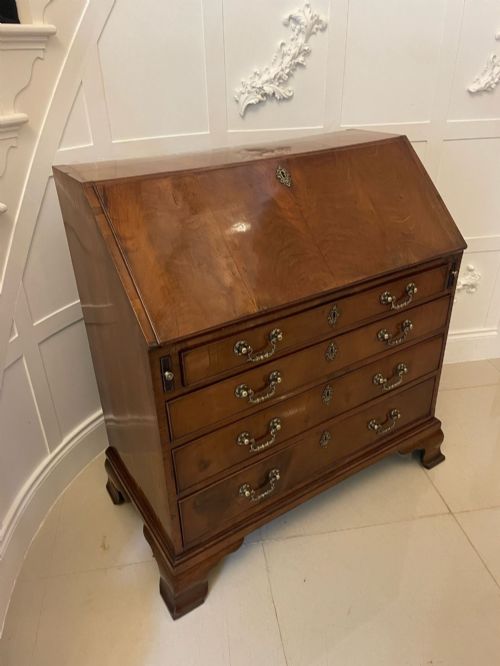
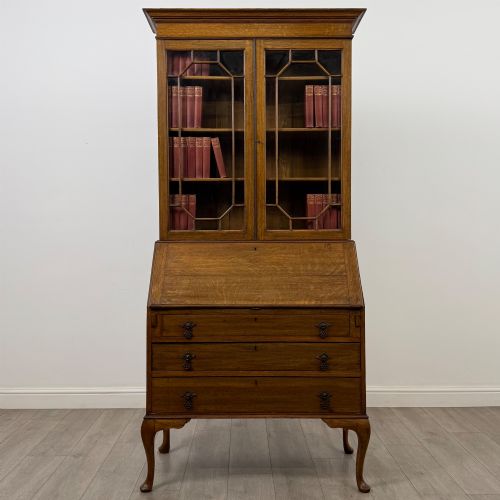
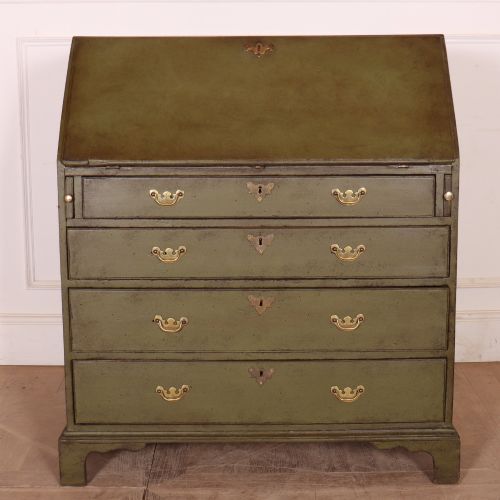
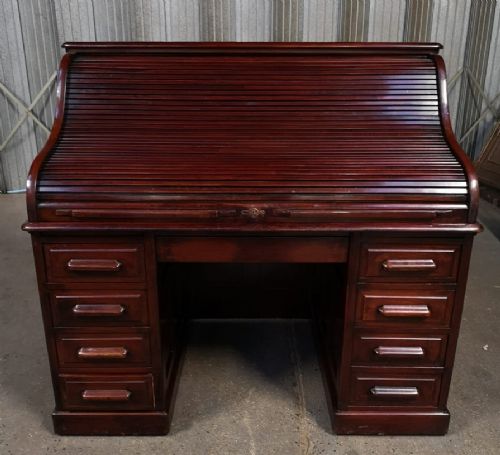
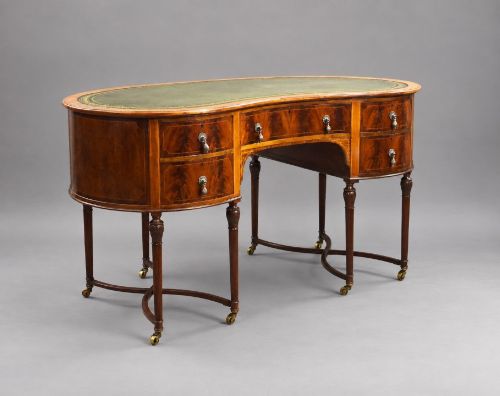
When you search for an antique desk top bureau, you encounter compact writing units designed to sit upon tables alongside larger freestanding cabinet furniture. The selection ranges from small tabletop models to bureau bookcases and fall-front writing boxes originating across the eighteenth, nineteenth, and early twentieth centuries.
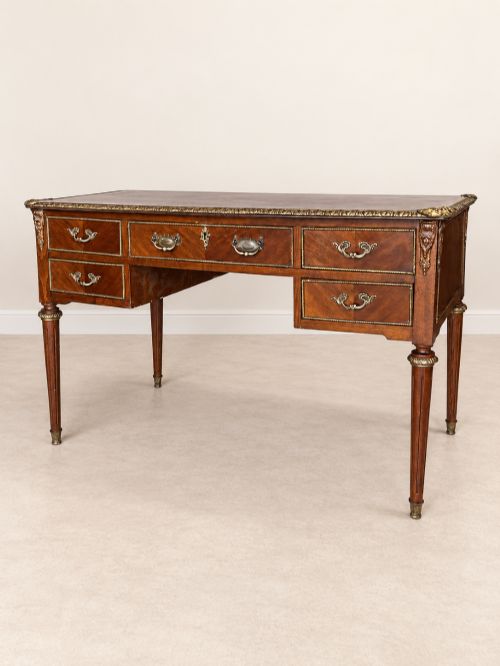
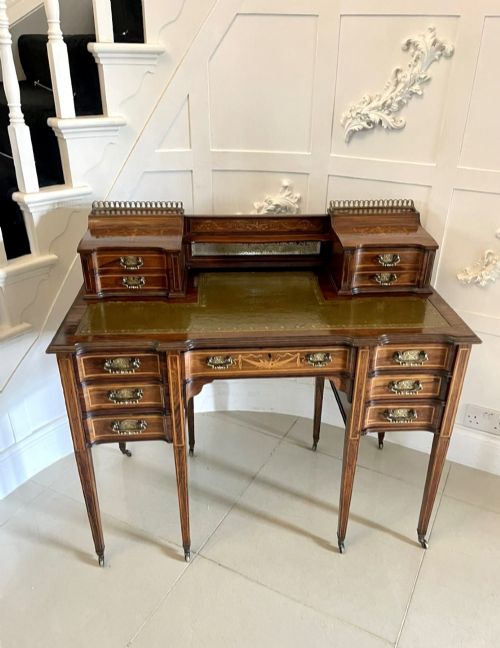
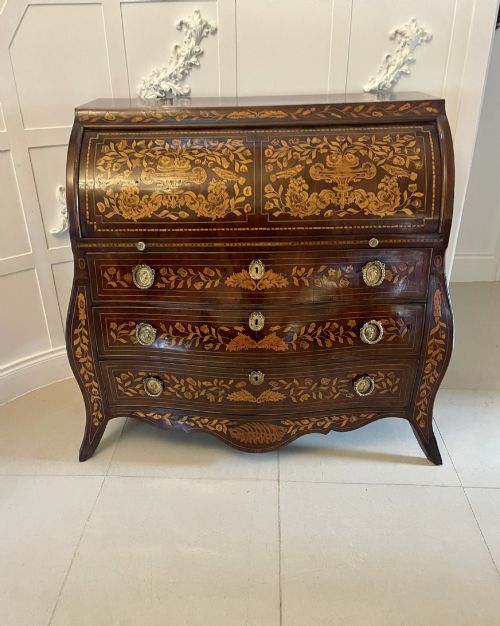
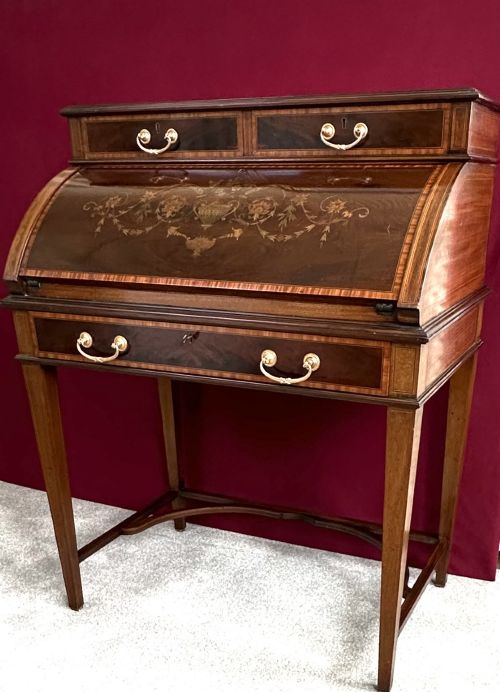
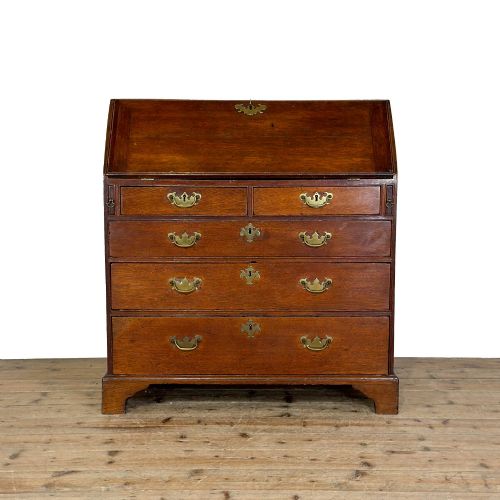
The pieces on this page span styles from simple oak country furniture to elaborate marquetry-inlaid creations and revival periods like Queen Anne and Louis XV. Most frequently, you meet mahogany and walnut examples featuring fitted interiors with small drawers and pigeonholes hidden behind sloping writing flaps.
Materials and construction
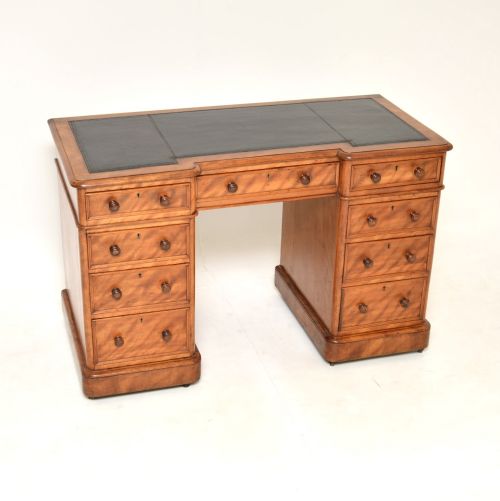
Cabinetmakers constructed these writing surfaces using dense timbers such as mahogany, oak, and walnut, often applying burr walnut veneers or floral marquetry for decorative impact. Brass hinges, escutcheons, and leather writing inserts frequently accompany the woodwork.
Joinery methods rely on dovetailed drawer construction and framed panels to stabilise the timber against seasonal movement. Ormolu mounts and fine brass gallery rails appear on continental pieces, while simpler English models depend on the natural grain of figured mahogany or plain oak.
Several compact writing desks include secret compartments designed for stashing private correspondence far away from prying eyes.
Measures of quality
The standard of a bureau rests upon the selection of timber veneers, the precision of the interior pigeonholes and small drawers, and the integrity of the original hinges and locks. Pieces featuring matching grain patterns across the fall-front flap demonstrate superior workshop planning.
Finer examples retain original brassware, leather inserts, and internal fitted compartments without later alterations or replacement carcase parts. The crispness of marquetry inlay and the smooth action of the fall-front support arms distinguish workshop execution.
François Linke·Edwards & Roberts·Paul Sormani·Gillows·Maple & Co.
The Antique Desk Top Bureau Glossary
- Bureau
- A sloping lidded writing cabinet enclosing drawers and pigeonholes. It serves as a portable or stationary desk for domestic correspondence.
- Fall-front
- A hinged writing flap that opens downward to create a horizontal desk surface. It conceals the internal compartments when closed.
- Marquetry
- Decorative veneer patterns formed from pieces of various woods or other materials fitted into a glued matrix. It creates pictorial or geometric designs on cabinet surfaces.
- Ormolu
- Gilded bronze applied as decorative mounts to furniture frames. It decorates nineteenth-century continental writing desks.
- Pigeonhole
- A small open compartment within a desk interior used for sorting letters and papers. These compartments often sit above small concealed drawers.
- Secretaire abattant
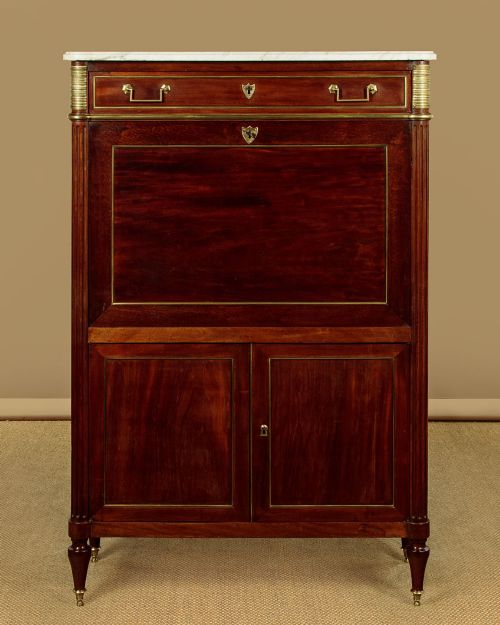
- A tall vertical cabinet with a drop-front writing surface. It provides a formal writing space while concealing storage above and below.
Antique Desk Top Bureau: Frequently Asked Questions
What is an antique desk top bureau?
An antique desk top bureau is a small writing cabinet designed to rest upon a table or chest, providing a sloping writing surface and internal storage.
These pieces emerged to handle personal correspondence before the widespread use of dedicated writing tables, offering lockable security for papers.
How do I identify the period of a bureau?
Period identification relies on observing timber choices, construction techniques like dovetailing, and the prevailing decorative style.
Eighteenth-century examples often feature solid oak or figured mahogany with stepped internal drawers, while Edwardian and later pieces display machine-sawn elements and varied revival motifs.
Where should I place a desk top bureau?
These compact units sit comfortably on sturdy side tables, large dressers, or dedicated stands where the writing flap can open fully.
Positioning them away from direct heat sources protects the timber veneers and prevents the leather writing surfaces from drying out.
How were these desks used originally?
Owners sat at these bureaus to write letters, manage household accounts, and store important documents within the internal compartments.
The sloping lid doubled as a writing slant and a secure cover to hide unfinished correspondence from visitors.