
Antique Desk Storage
Antique desk storage encompasses practical and decorative containers designed to organise writing materials, papers and small valuables across centuries of craftsmanship.
Antique Desk Storage
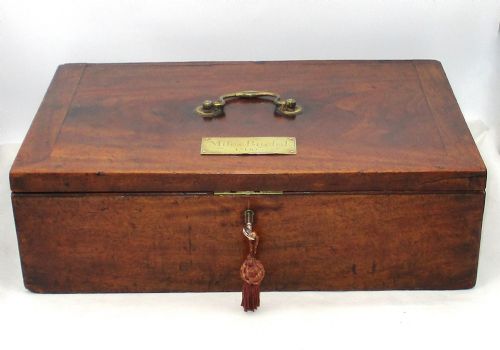
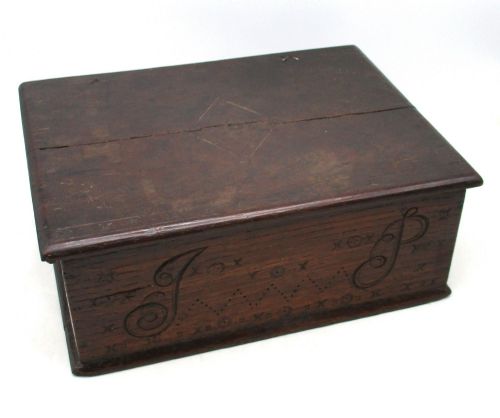
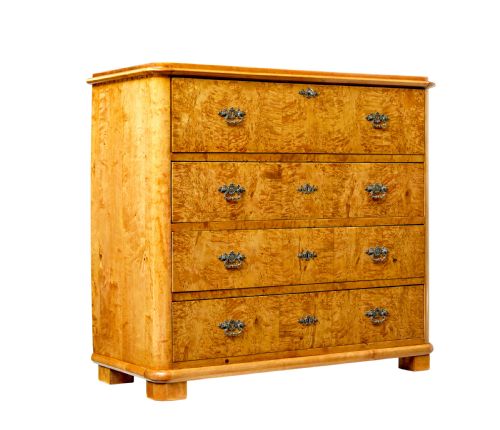
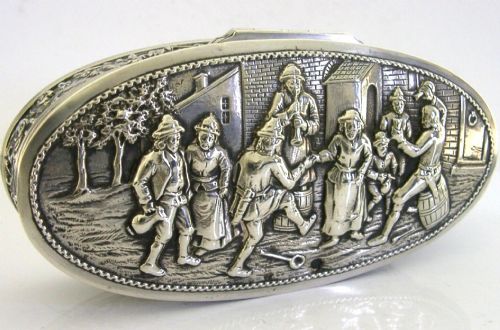
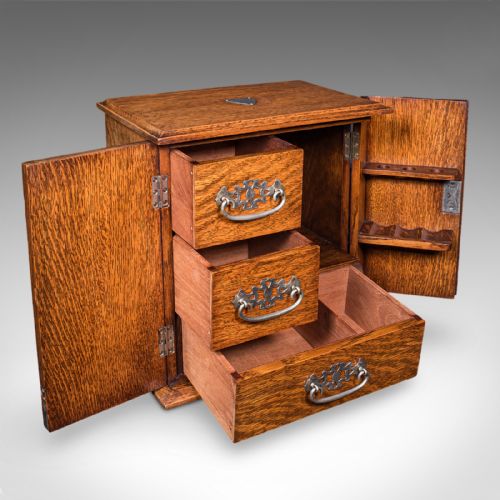
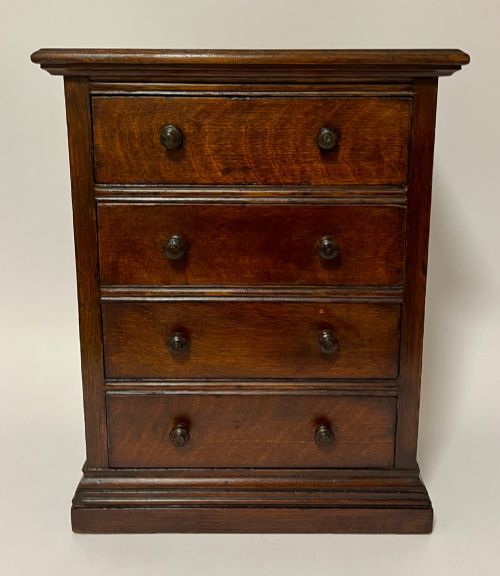
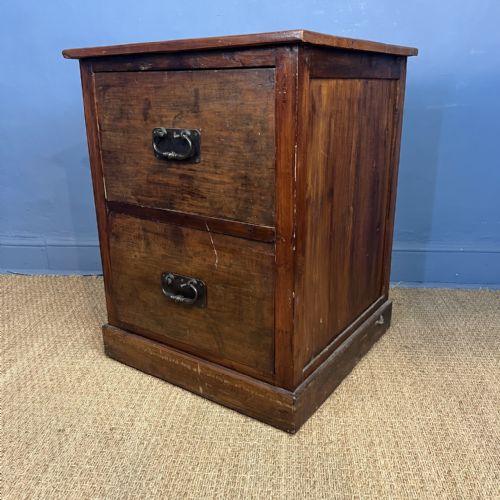
When looking for antique desk storage, buyers encounter a diverse range of objects spanning the seventeenth century through to the early decades of the twentieth century. These pieces encompass utilitarian filing cabinets, document boxes, Bible boxes, miniature chests of drawers and specialised desk accessories.
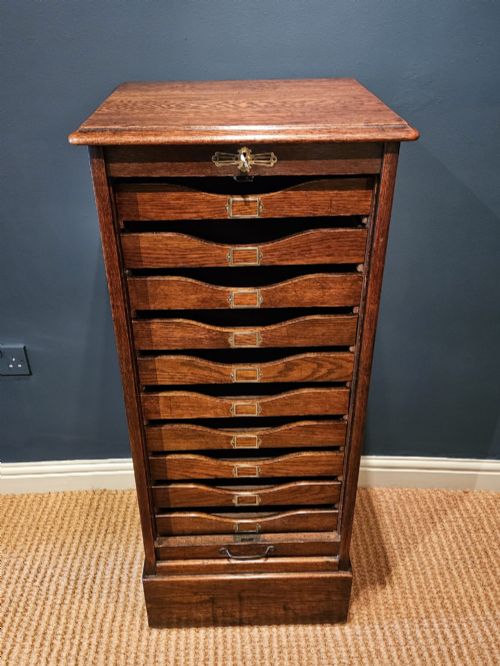
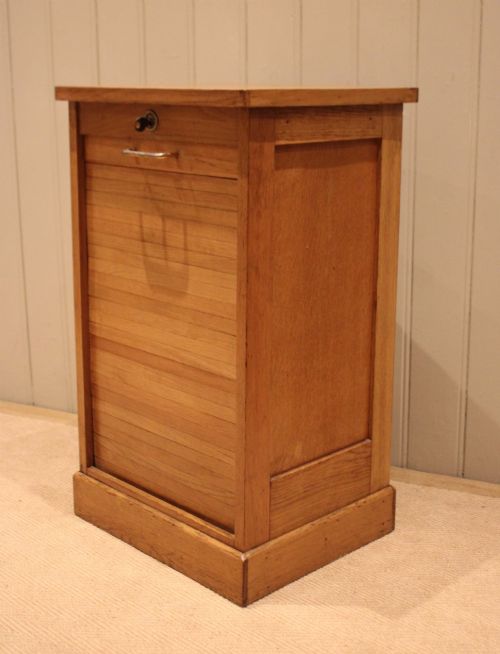
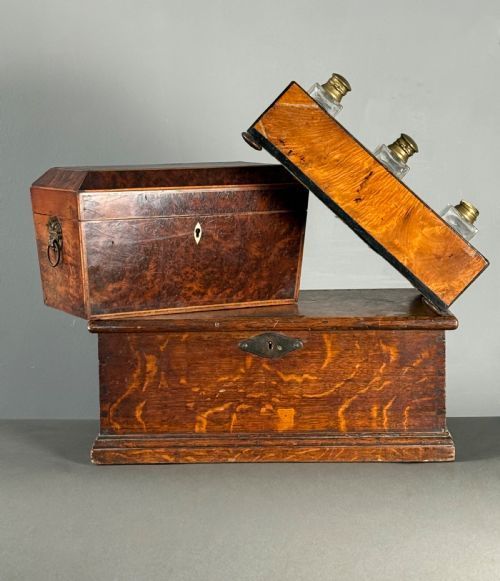
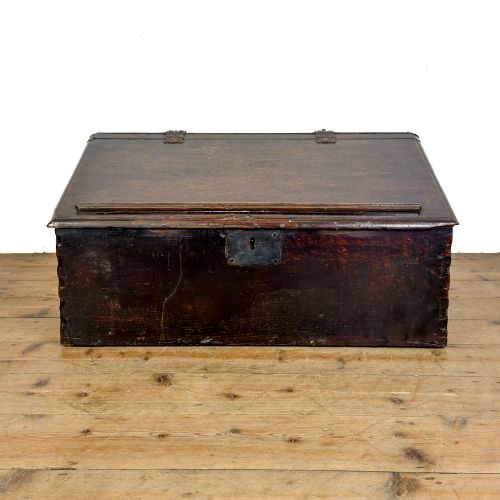
The selection frequently includes oak Bible boxes from the seventeenth and eighteenth centuries alongside mahogany document boxes and Edwardian oak tambour front filing cabinets. Alongside these formal office pieces appear smaller decorative items such as tea caddies, trinket boxes and tabletop cabinets constructed in various woods.
Materials and Construction
The construction of these pieces relies heavily on solid timbers such as oak, mahogany, walnut, pine and rosewood, often complemented by brass hardware and iron details. Cabinetmakers utilised traditional joinery techniques, ranging from early carved panels and dovetailed drawer construction to sloped fronts and tambour mechanisms.
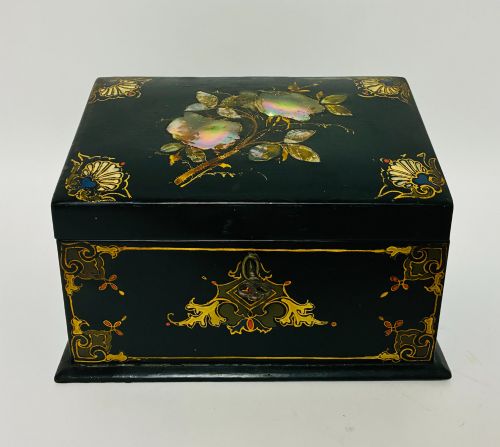
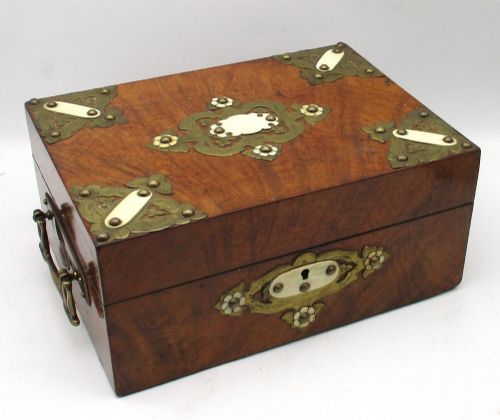
Surface finishes vary according to the period and function, utilising polished lacquers, boulle work, painted pine, papier mache, mother-of-pearl and bone inlay to enhance the appearance of utilitarian containers.
A tiny nineteenth-century dog kennel dresser proves that even miniature furniture needed a proper home for small household hounds.
Distinguishing Quality
Superior quality in these items rests upon the integrity of the timber, the precision of the joinery and the survival of original hardware such as brass handles and working locks. Pieces displaying thoughtful proportions, refined carving or intricate decorative details distinguish themselves from simpler utility boxes.
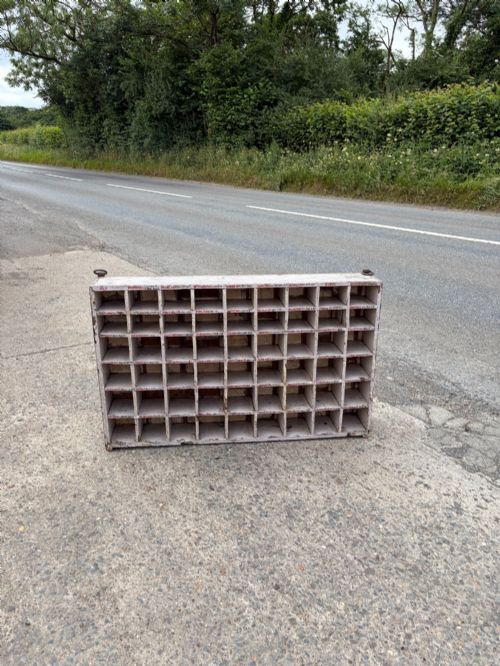
The sophistication of internal mechanisms, including smoothly operating tambour fronts, tightly fitted pigeon holes and well-preserved linings, separates standard desk storage from exceptional examples.
The Antique Desk Storage Glossary
- Bible box
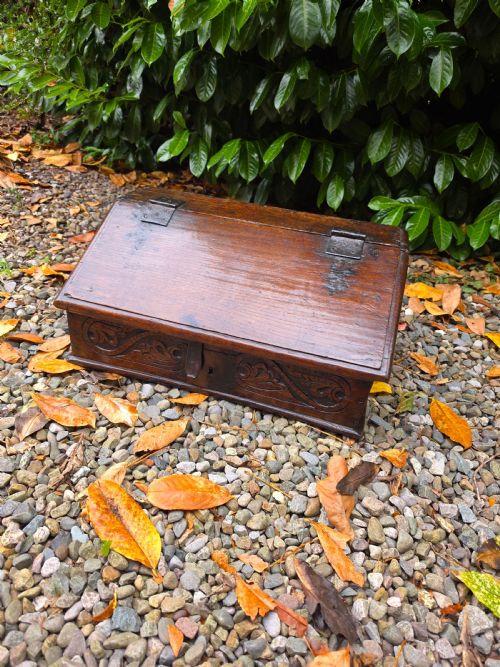
- A sloping-lidded wooden container traditionally used to hold sacred texts and writing equipment. These early pieces often feature carved decoration and date from the seventeenth and eighteenth centuries.
- Tambour front
- A flexible door constructed from narrow vertical strips of wood glued to a canvas backing, allowing it to slide smoothly around a curved track on office cabinets.
- Document box
- A secure portable container designed to store legal papers and letters, frequently reinforced with brass binding or corner mounts for travel.
- Tea caddy
- A lidded box originally created to store precious loose tea leaves, often featuring internal compartments and sophisticated decorative veneers.
- Specimen cabinet
- A small set of shallow drawers intended for organising natural history collections, coins or small curiosities.
Antique Desk Storage: Frequently Asked Questions
How were tambour filing cabinets used?
Tambour filing cabinets were utilised in Edwardian and early twentieth-century offices to organise correspondence and documents efficiently while occupying minimal floor space. The slatted wooden sliding door concealed internal pigeon holes and file dividers.
These cabinets provided a neat, enclosed storage solution for busy professionals who required rapid access to paperwork without leaving traditional drawers open.
Where should I place a tabletop cabinet?
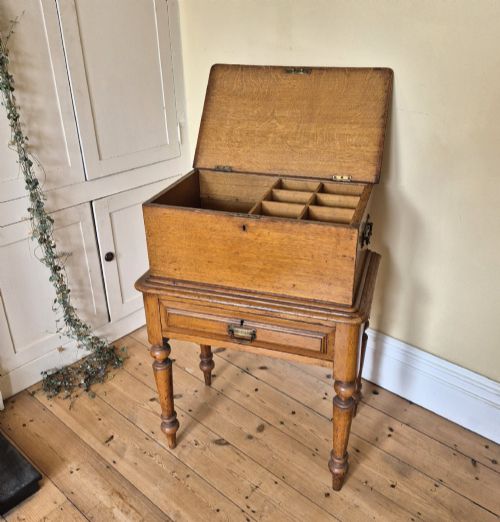
Tabletop cabinets suit studies, living rooms or hallways where they can sit securely upon desks, sideboards or chests of drawers. Their modest proportions allow them to function as practical containers for stationery or small collections while serving as decorative focal points.
Placing them away from direct sunlight and heat sources protects the historic wood finishes, veneers and delicate brass hardware from drying out.
How do I identify a Victorian stationery box?
Victorian stationery boxes frequently incorporate sloping or folding lids that open to reveal fitted compartments designed for envelopes, pens and writing paper. They appear in materials ranging from polished mahogany and rosewood to lacquered papier mache.
Many examples include interior ledges for stamps and inkwells, alongside tooled leather details or brass mounts characteristic of nineteenth-century desk accessories.