


Antique Desk Storage Box
An antique desk storage box keeps papers, ink and letters ordered on a table, offering solid wood and brass craftsmanship for daily use.
Antique Desk Storage Box
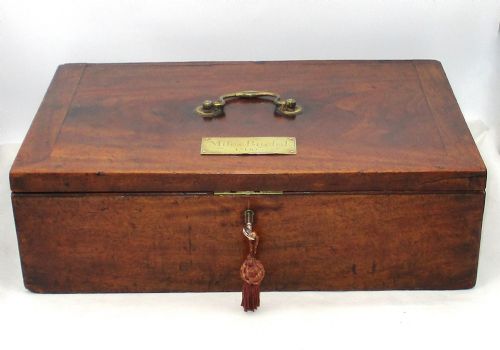
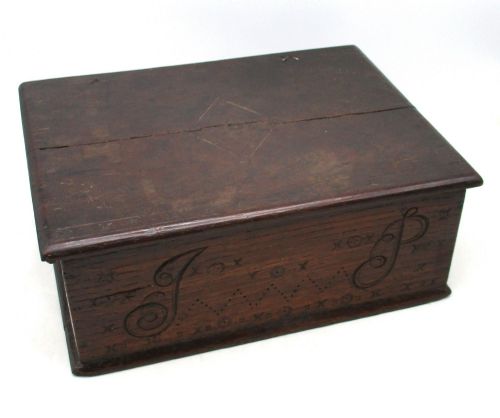
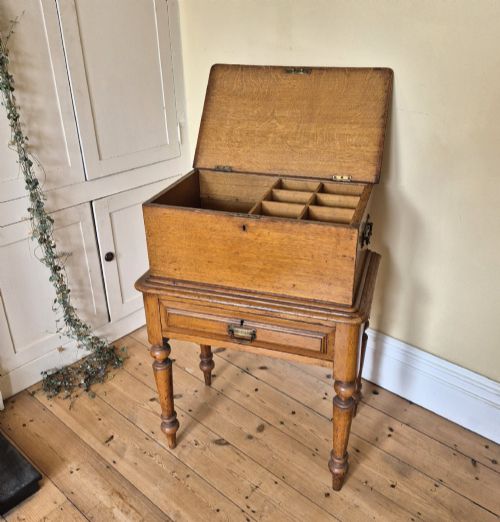
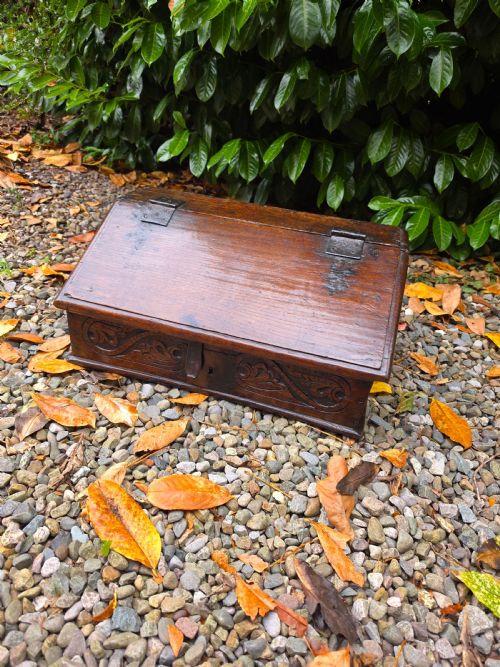
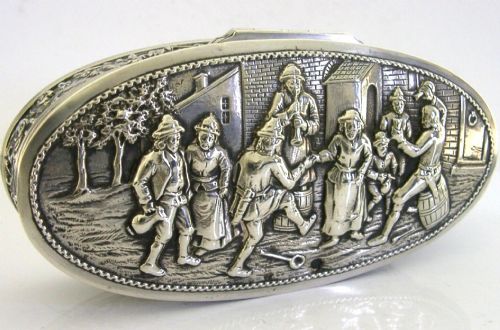
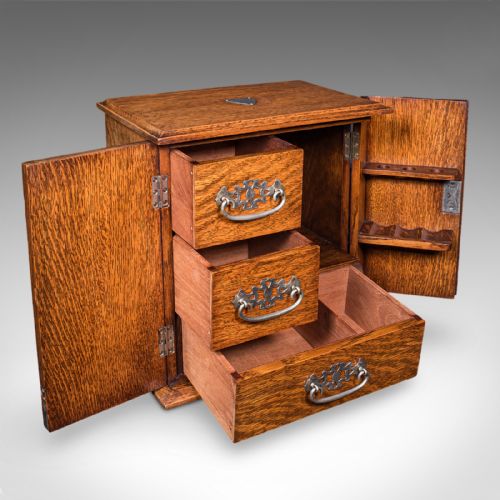
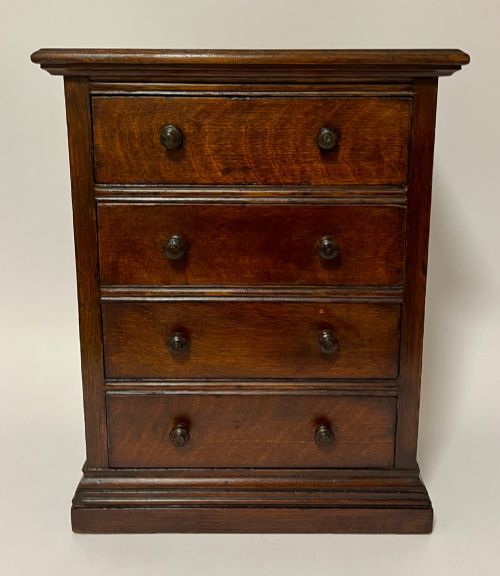
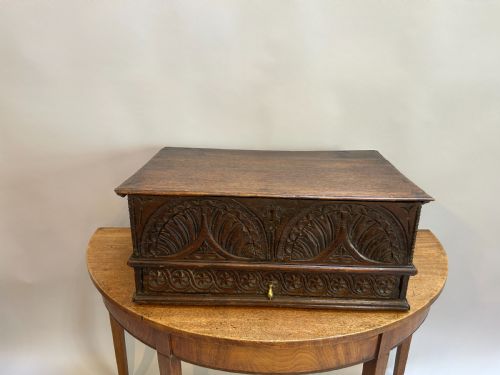
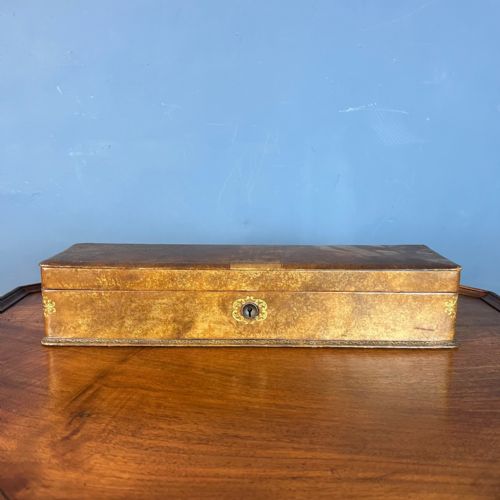
An antique desk storage box comprises various tabletop forms designed to hold documents, letters, stationery and small writing accessories. Pieces range from simple oak bible boxes and slant front chests to rosewood document cases, walnut stationery boxes and small tabletop cabinets with drawers.
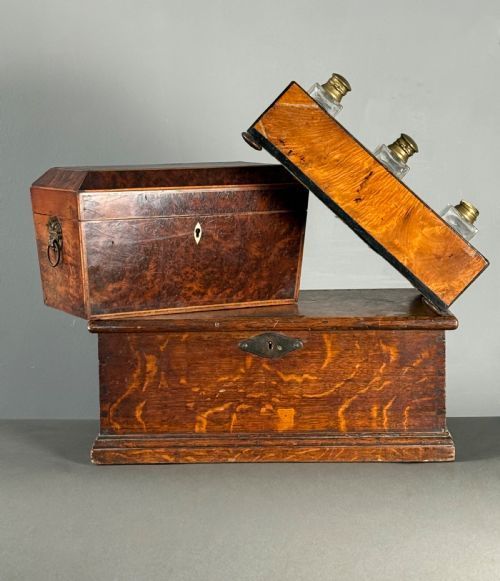
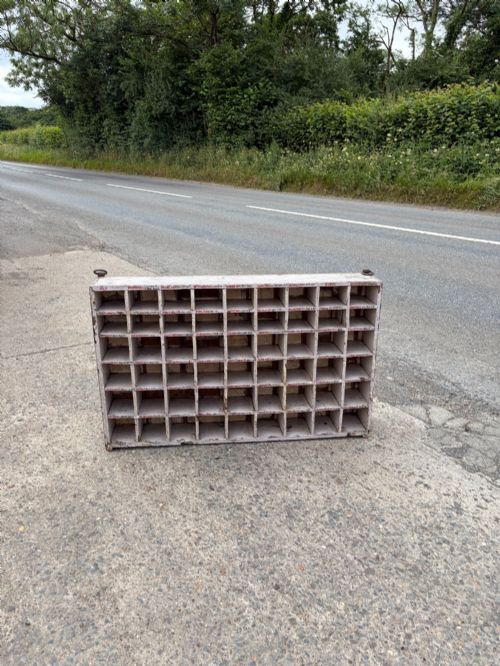
The selection on this page draws heavily from Victorian and 18th century examples, alongside Georgian, Regency and Edwardian variants. Buyers regularly encounter oak, mahogany and walnut constructions, often fitted with compartments or pigeon holes for desk organisation.
Beyond standard document boxes, the category encompasses specific utilitarian forms such as watchmaker cabinets, cigar humidors and ticket dispensing boxes. These objects reflect the varied ways workspaces and personal desks were organised across the seventeenth, eighteenth, nineteenth and early twentieth centuries.
How they were made
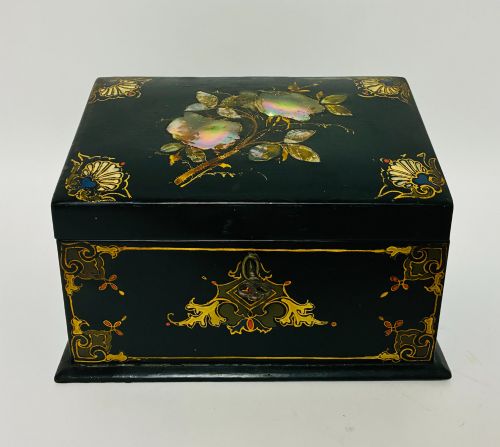
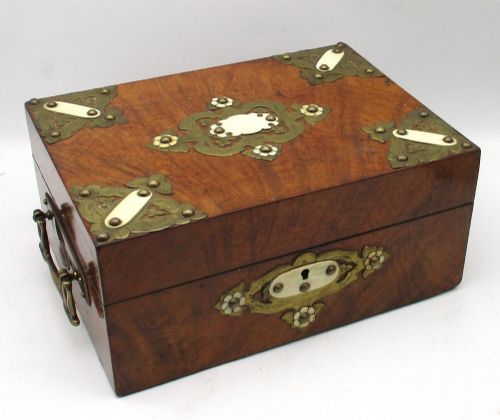
Cabinet makers utilised durable hardwoods including oak, mahogany, walnut and burr walnut, frequently pairing them with brass reinforcement, hinges and lock plates. Surfaces received decorative treatments such as mother of pearl details, bone inlays, tooled leather, lacquer and star patterns.
Construction techniques span pegged or carved joints on early seventeenth and eighteenth century oak bible boxes to finely dovetailed carcases on nineteenth century mahogany writing slopes and stationery cabinets. Interior compartments were hand fitted to accommodate specific desk items like pens, cigars or documents.
Several boxes double as disguises, including faux book stacks designed to blend discreetly into a gentleman's library shelf.
What varies in quality
Quality depends upon the crispness of hand carving, the precision of wood selection like figured burr walnut or dense mahogany, and the integrity of internal fittings. Superior examples retain original brass bound edges, working locks with keys, and clean, period linings.
The execution of secondary details, such as inlaid brass stringing, tight dovetail joints and well fitted pigeon holes, separates standard utility boxes from finer cabinet maker pieces. Preservation of original surface finishes and patination further distinguishes better surviving specimens.
The Antique Desk Storage Box Glossary
- Bible box
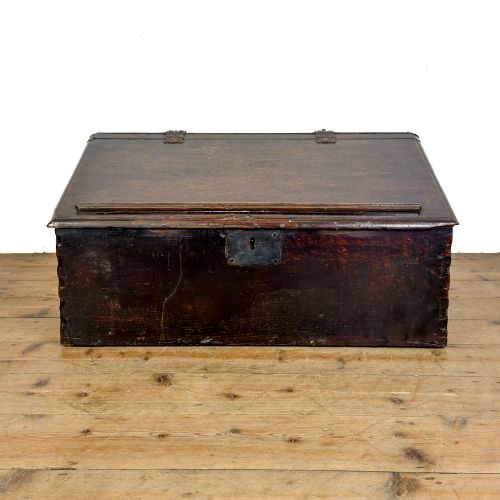
- A sloping or flat-topped wooden chest traditionally used to store folio volumes, papers and personal documents. These seventeenth and eighteenth century pieces represent some of the earliest portable desk storage forms.
- Writing slope
- A portable box with a hinged, slanted writing surface that folds down to reveal internal storage for paper, inkwells and pens. They are frequently encountered in mahogany and rosewood from the Georgian and Victorian eras.
- Stationery box
- An upright desktop cabinet with a sloping or dome top designed to hold letters, envelopes and writing paper in vertical compartments or pigeon holes. They gained popularity during the Victorian period.
- Document box
- A sturdy rectangular chest built to secure legal papers, deeds and correspondence. Examples appear across multiple centuries in woods like oak and mahogany, often featuring brass carrying handles.
Antique Desk Storage Box: Frequently Asked Questions
How were antique desk storage boxes used?
These boxes served as portable or desktop repositories for loose correspondence, legal documents, writing instruments and valuables before fitted study furniture became common.
Owners kept papers organised and locked away from dust and prying eyes in homes, offices and institutions.
How do I date an oak bible box?
Dating relies on construction methods such as hand-cut dovetails, pegged joints, tool marks and the style of any surface carving.
Early seventeenth and eighteenth century pieces typically display heavier framing and simpler joinery compared to later revival or imitation works.
Can I use an antique stationery box on a modern desk?
These boxes function effectively for holding modern letters, notepads, pens and small electronic accessories.
Their internal pigeon holes and compartments remain well suited for desktop organisation in contemporary workspaces.