
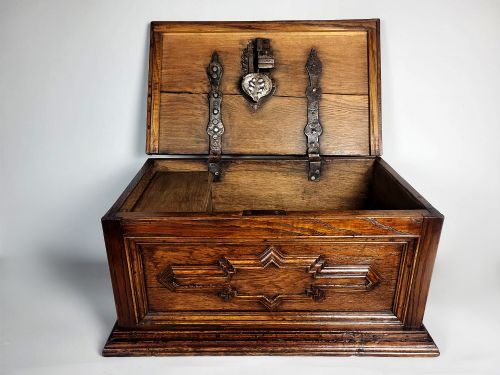
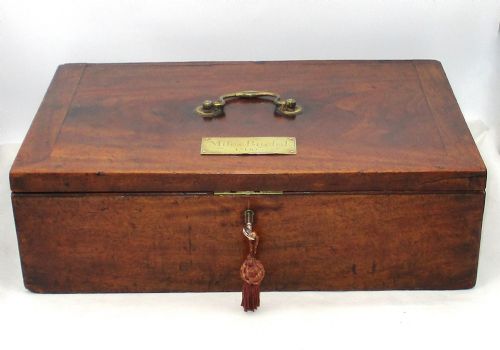
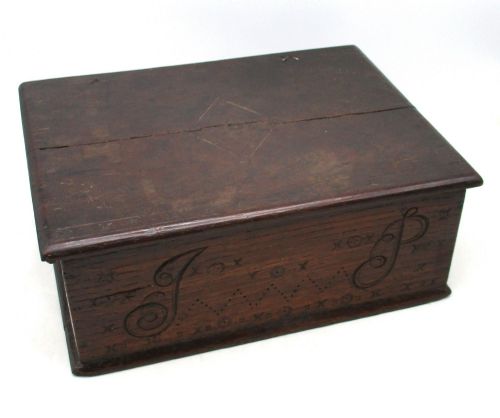
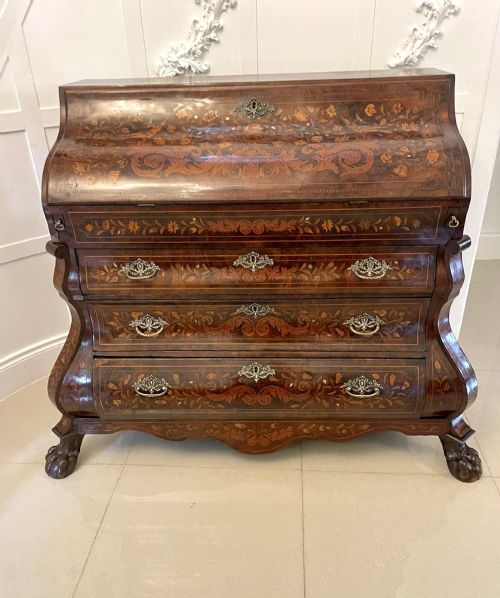



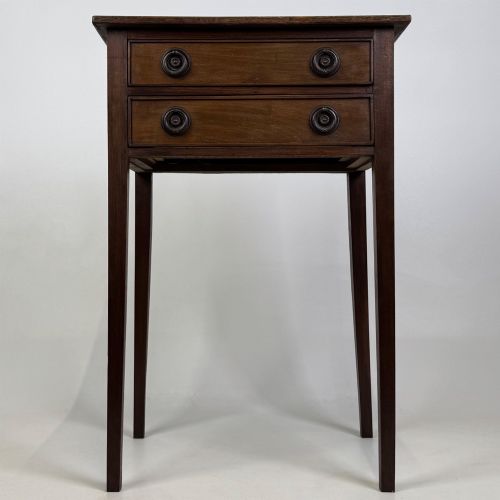
Antique Desk on Chest
An antique desk on chest combines a robust set of storage drawers with a dedicated writing surface, offering period craftsmanship and practical daily utility.
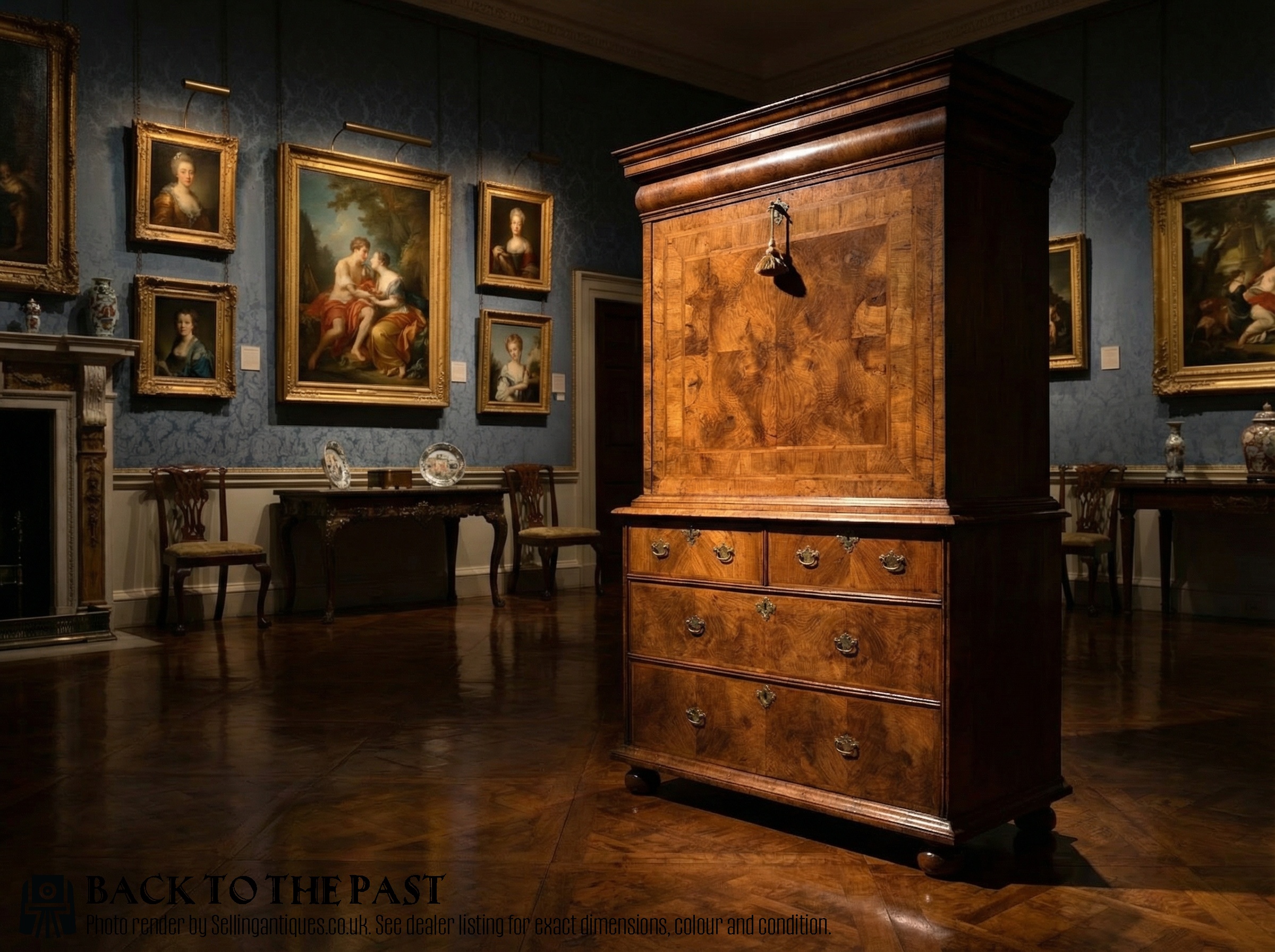
Antique Desk on Chest
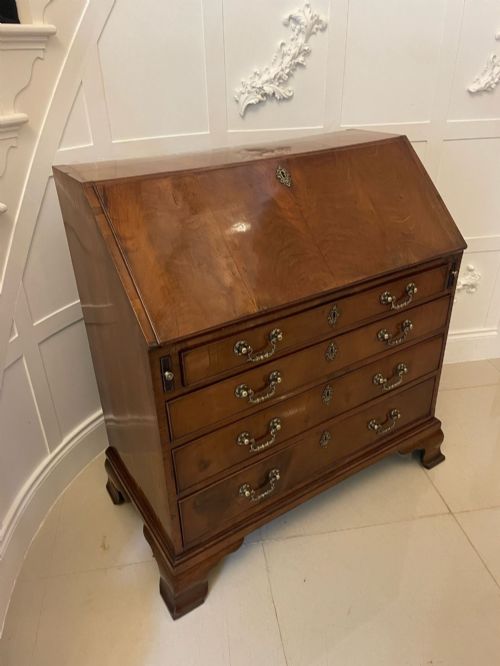
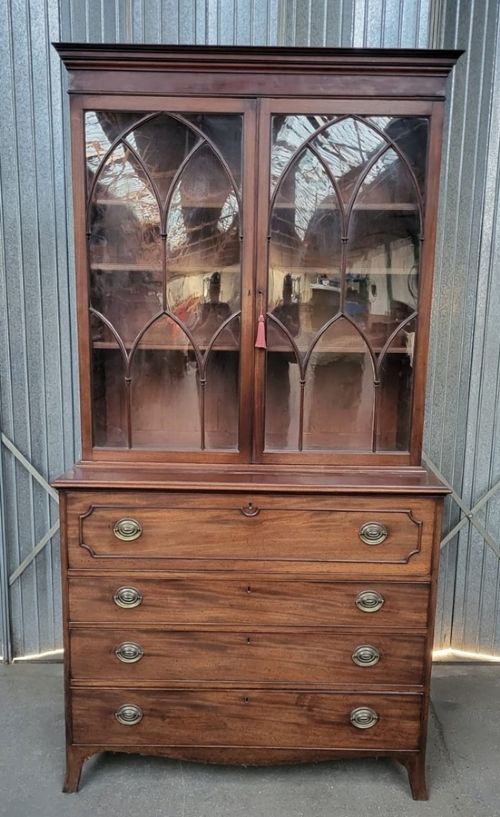
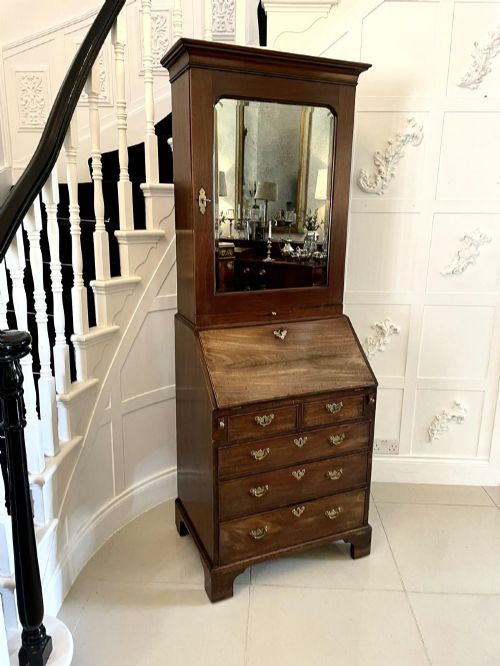
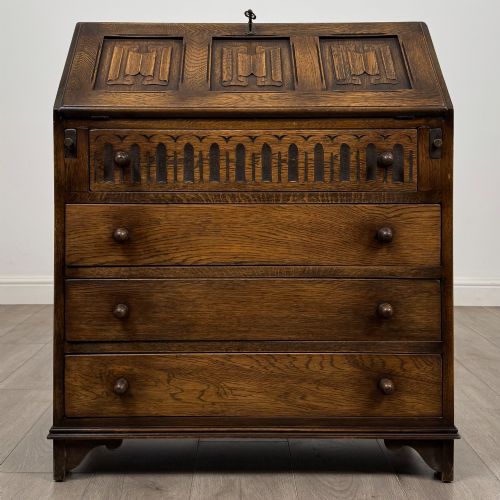
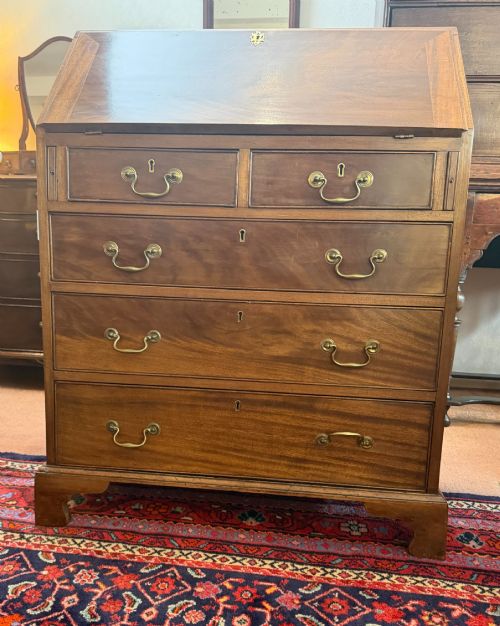
When you search for an antique desk on chest, you encounter sturdy case furniture designed to combine a functional writing space with deep drawer storage. These pieces merge the form of a chest of drawers with a sloping fall front or a pull-out secretaire drawer.
You are most likely to meet Georgian mahogany and oak examples on this page, alongside earlier walnut pieces and later Victorian or Edwardian interpretations. The proportion typically pairs a substantial lower chest with an upper writing compartment or desk section.
The historical utility of these items served merchants, writers, and households requiring secure correspondence storage alongside domestic linen or document organisation. Surviving examples range from provincial oak constructions to high-status burr walnut and marquetry pieces.
How they were made
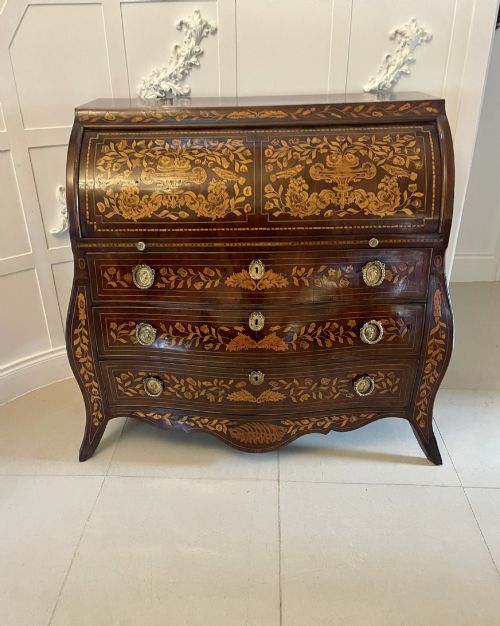
Cabinet makers utilised dense native and imported timbers such as mahogany, oak, walnut, and yew wood, often applying figured veneers or floral marquetry to primary display surfaces. Drawer linings and secondary elements frequently relied on oak or pine.
Construction techniques involved precise dovetailing for drawer boxes and mortise and tenon joints for structural frames, ensuring long-term durability. Brass drop handles, escutcheons, and original locks secured the compartments and added functional metalwork detail.
Secret drawers hidden behind dummy pigeonholes reward curious owners with compartments sized for secret letters.
What varies in quality
The calibre of timber selection and veneer matching defines the visual hierarchy, with symmetrical burr walnut or figured mahogany commanding higher regard than plain secondary woods. Crispness in hand-carved details and the retention of original brass hardware further separate standard domestic pieces from masterworks.
Internal organisation also dictates distinction, where fitted pigeonholes, secret compartments, and leather or baize writing surfaces demonstrate superior workshop output. The integrity of the original carcase construction and minimal timber replacement preserve the enduring value of the piece.
George Oakley
The Antique Desk on Chest Glossary
- Secretaire
- A piece of furniture containing a drawer that pulls out and folds down to reveal a fitted writing surface and pigeonholes. This mechanism conceals writing materials behind a standard drawer front.
- Fall front
- A hinged flap that drops forward to create a horizontal writing desk. It typically rests on internal pigeonhole partitions or supportive slides when opened.
- Marquetry
- Decorative inlay work using various coloured woods to form intricate floral or geometric patterns on furniture surfaces. Craftsmen assemble these thin veneer pieces meticulously into the primary timber.
- Bombe
- A bulging, convex swelling shape characteristic of certain 18th century case furniture sides and fronts. This curved profile demands advanced woodworking skill to execute properly.
- Dovetail
- A joint formed by interlocking wedge-shaped fingers that locks drawer corners together securely. Hand-cut variations help indicate the age and origin of period pieces.
Antique Desk on Chest: Frequently Asked Questions
What is a desk on chest?
A desk on chest is a dual-purpose item of furniture that places a writing slope or secretaire drawer above a set of storage drawers. It unites the functions of a traditional writing desk and a tall chest.
These pieces appeared in various room settings throughout the eighteenth and nineteenth centuries to handle household accounts and correspondence. They provide substantial vertical storage while maintaining a dedicated workspace.
How were secretaire drawers used?
A secretaire drawer pulls outward from the chest while a hinged front folds down to expose a writing surface. Users kept stationery, inkwells, and letters inside the array of small pigeonholes and miniature drawers.
This design allowed a user to write letters without opening a separate, dedicated desk unit. The drawer could then be locked shut to secure private correspondence and valuables.
Where should I place it?
An antique desk on chest suits studies, living rooms, or bedrooms where its vertical orientation saves floor space. Ensure the room maintains stable humidity levels away from direct heat sources to protect the antique wood and veneer.
Allow sufficient clearance in front of the piece for the fall front to open or the secretaire drawer to pull out fully. Pairing the desk height with a compatible period chair ensures comfortable seating.