
Antique Desk Lamp Base
These antique desk lamp base options provide period illumination, bringing solid brass, bronze, and carved alabaster to a working surface.
Antique Desk Lamp Base
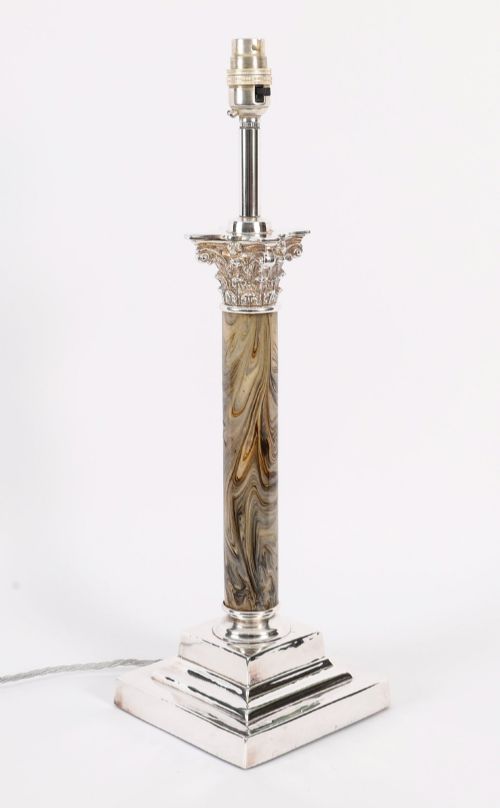
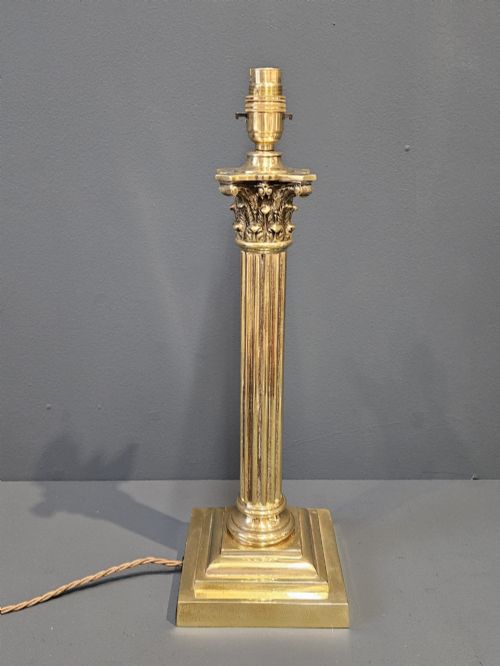
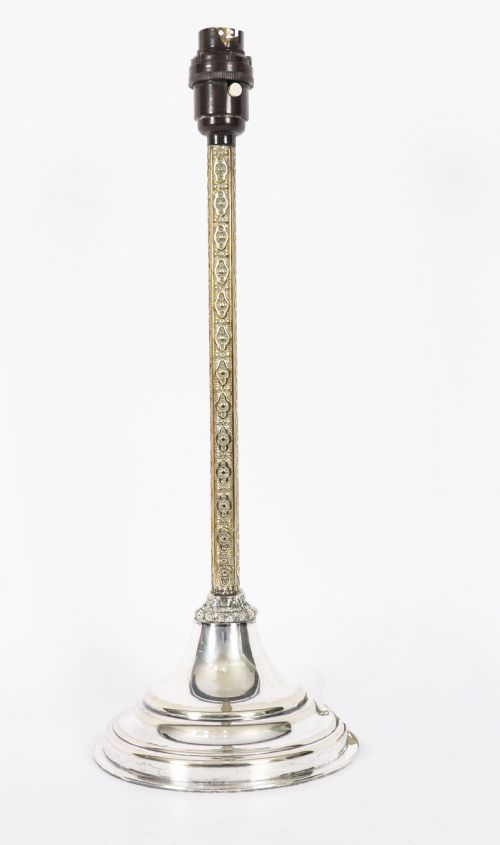
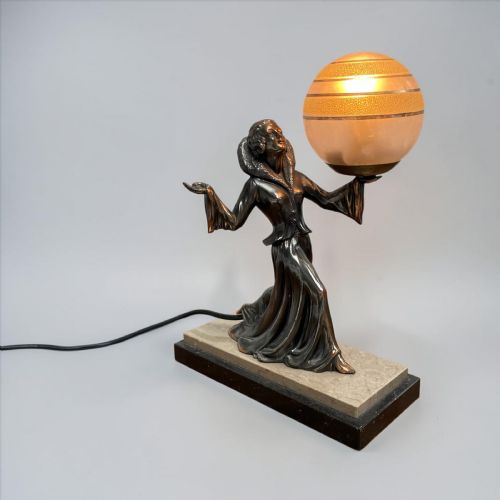
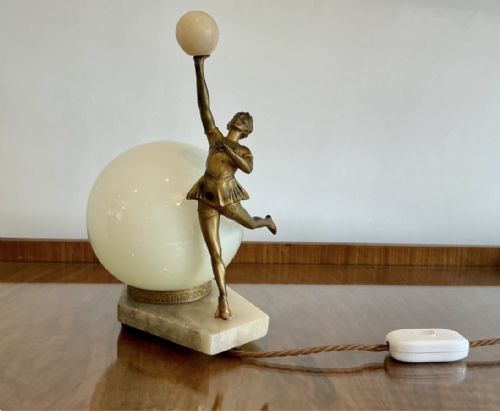
When you search for an antique desk lamp base, you find vertical metal and stone supports designed to hold electrical fittings or converted from earlier oil burners. The pieces appearing here span the Victorian, Edwardian, and Art Deco periods, drawing on Neoclassical, Chinoiserie, and Arts and Crafts design traditions.
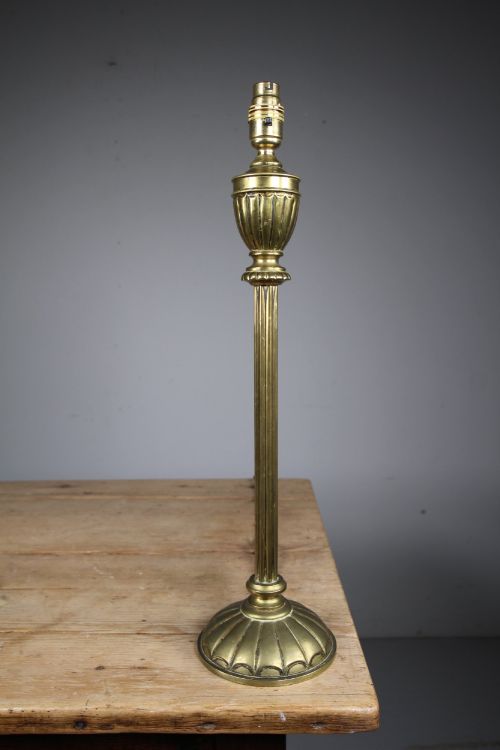
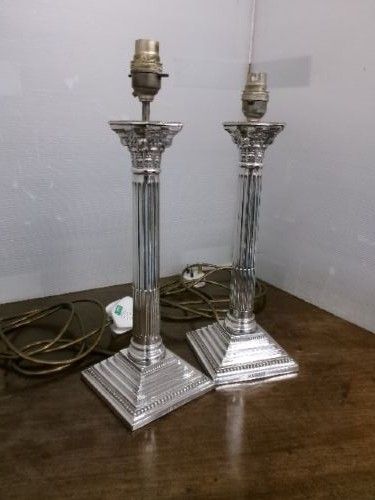
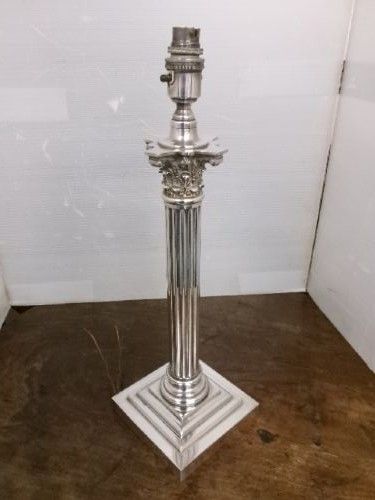
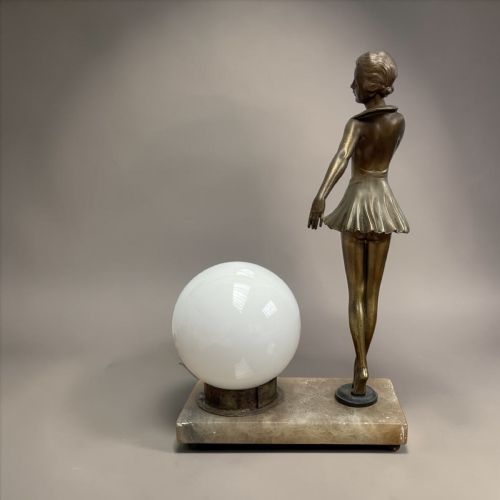
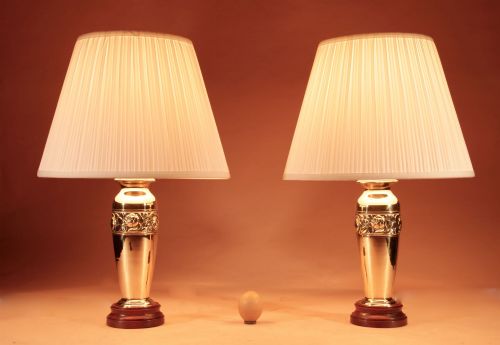
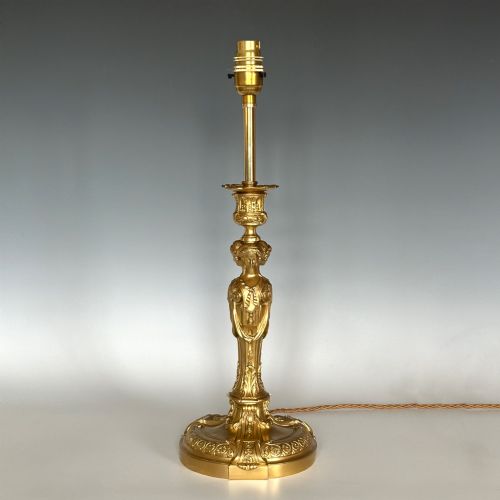
The most common formats on this page are column forms, particularly Corinthian columns in brass or silver plate, alongside figural designs and turned timber standards. Makers adapted materials ranging from heavy marble and onyx bases to hand-painted lacquer and bronze to suit library and writing room interiors.
How they were made
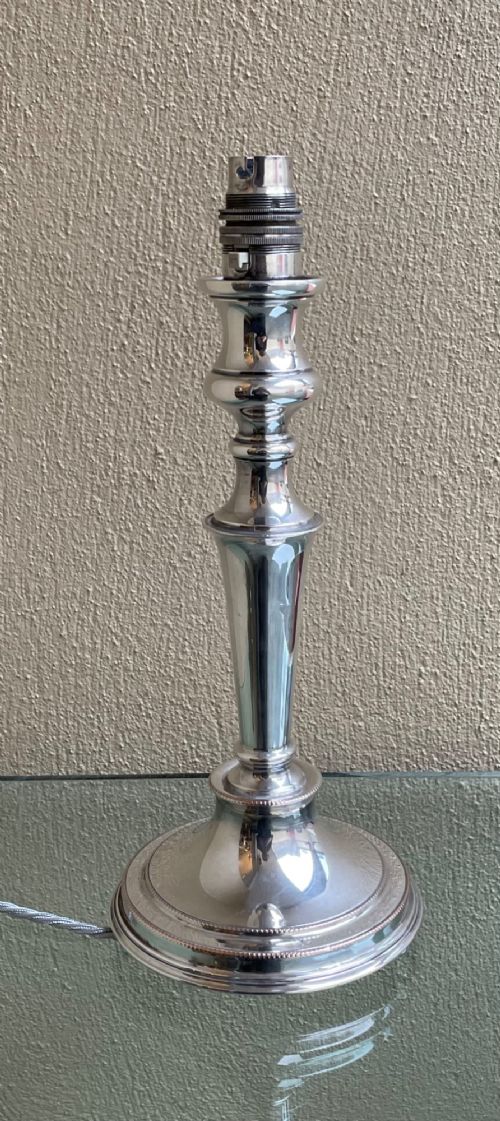
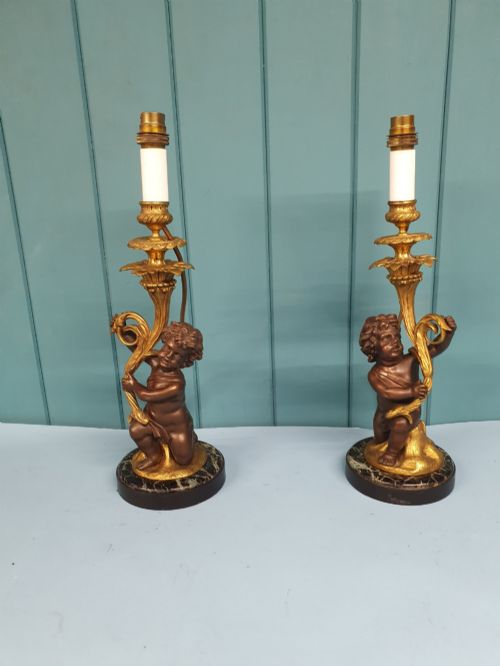
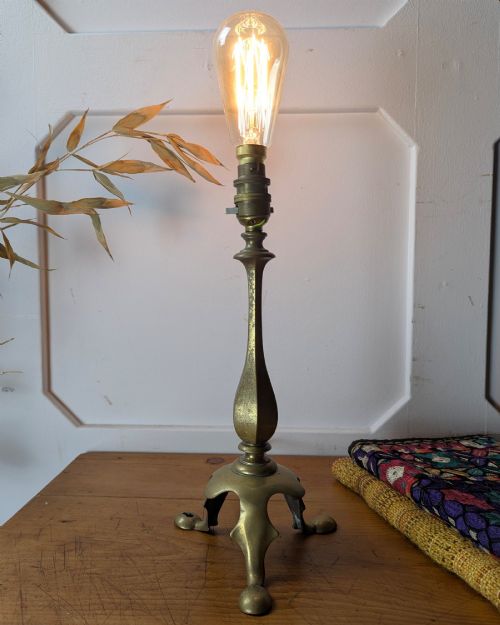
Foundry work dominates the metal pieces, utilising cast brass, bronze, and ormolu, often finished with parcel gilding or silver plating over a base metal. Stone components rely on precision turning and polishing of alabaster, marble, and onyx, sometimes mounted with metal collars and trim.
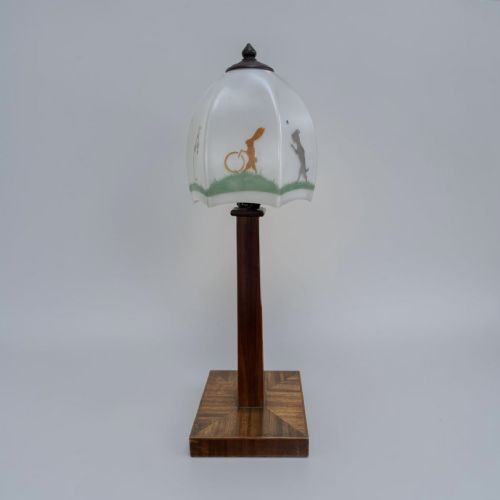
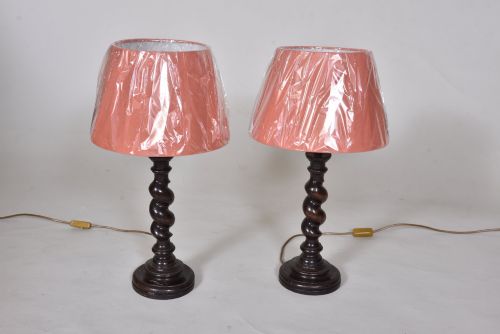
Organic materials such as oak, lignum vitae, and specialist lacquers involve traditional cabinet-making and hand-painting techniques. Many bases incorporate turned timber shafts or intricate surface decoration typical of Kashmiri and regional export work.
Materials represented across the inventory include cast bronze, silver-plated brass, carved alabaster, and hand-painted Chinoiserie lacquer.
What varies in quality
The standard of the casting dictates the crispness of detail in Corinthian capitals, figural bronzes, and foliate mounts, separating mass-produced items from finely chased examples. Weight and stability matter significantly, as solid marble, heavy bronze, and dense hardwoods provide the necessary counterweight for a functional desk fitting.
Surface preservation determines the integrity of the piece, whether maintaining the original patination on aged brass or the preservation of hand-painted lacquer and parcel gilt details. Maker marks and patent stamps add distinction to utilitarian forms.
Mappin & Webb·Lacroix·Lalique·Hicks and Meigh
The Antique Desk Lamp Base Glossary
- Corinthian Column
- A classical column form featuring an ornate capital decorated with acanthus leaves. It remains a popular motif for heavy brass and silver-plated desk lamp bases.
- Ormolu
- Finely ground high-carat gold mercury-gilded onto a bronze object. This technique produces a rich, warm metallic finish seen on French decorative fittings.
- Opaline Glass
- A pale, translucent milk glass often used in shades or bodies of desk lighting. It diffuses bulb light evenly without harsh glare.
- Lignum Vitae
- An extremely dense and heavy tropical hardwood. Cabinet-makers utilised its weight and dark grain for durable turned bases.
- Chinoiserie
- European interpretation of Chinese and East Asian artistic traditions. Pieces typically feature hand-painted lacquer decoration on wood or metal surfaces.
Antique Desk Lamp Base: Frequently Asked Questions
How do I wire an old lamp base?
Most period bases require professional rewiring to meet current electrical safety standards. An electrician can run modern flex through the existing central channel without altering the external metal or stone structure.
Retaining original switches or holders is often possible, but internal components should be updated. Ensure the weight of the base supports the chosen shade before final assembly.
Are these converted oil lamps?
A large proportion of Victorian and Edwardian metal standards began life as oil or kerosene lamps before conversion to electricity. These conversions usually took place during the early twentieth century as domestic power supplies spread.
Evidence of conversion appears in the burner fittings and internal threading at the top of the column. Collectors value these converted pieces for their heavy metal mass and robust engineering.
How do I clean tarnished brass bases?
Active cleaning depends on whether you wish to maintain the aged patina or reveal bright metal. Gentle dusting and microfibre cloths remove surface dirt without stripping historical oxidation.
Avoid harsh chemical dips on silver-plated or parcel-gilt items, as these treatments remove thin metal layers. Professional conservation advice helps preserve vulnerable lacquer and painted finishes.
How do I date an alabaster lamp?
Dating relies on stylistic clues, such as the streamlined geometric lines of Art Deco pieces compared to the softer Neoclassical Revival forms of the Edwardian era. The composition of the wiring channel and plug types also provides a baseline for the era of conversion.
Examine the base for maker stamps, registry marks, or retailer signatures. Natural variations in the stone and turning marks indicate the hand-crafting methods of the period.