
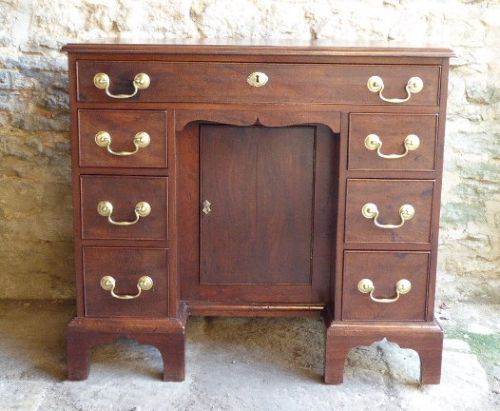
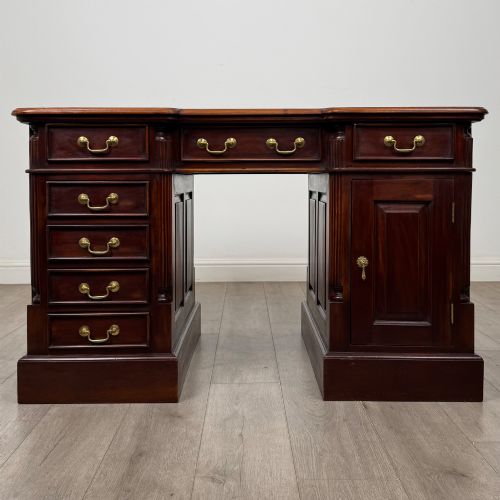
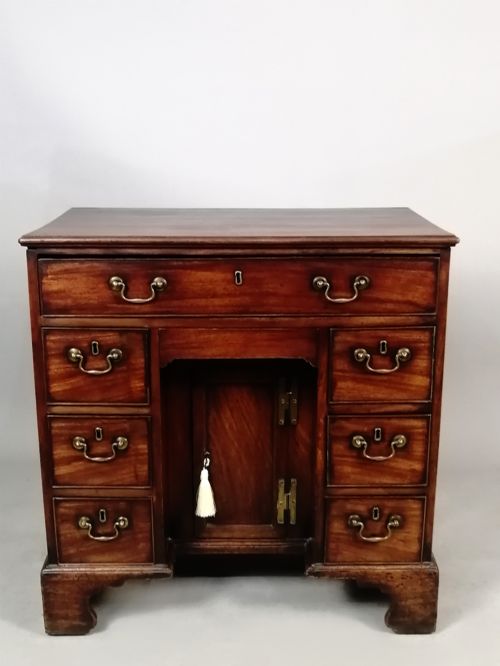
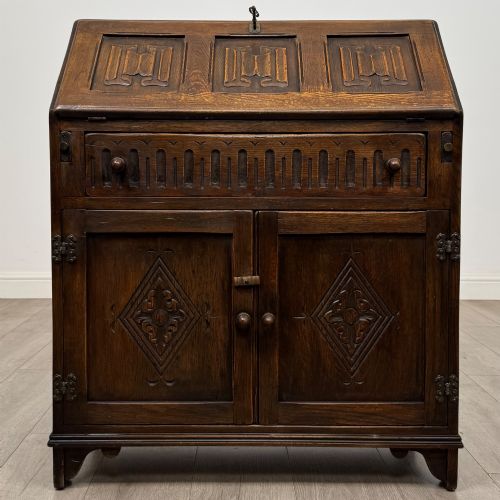
Antique Desk Cupboard
An antique desk cupboard combines utilitarian storage with a dedicated writing surface, spanning periods from the seventeenth century to the twentieth.
Antique Desk Cupboard
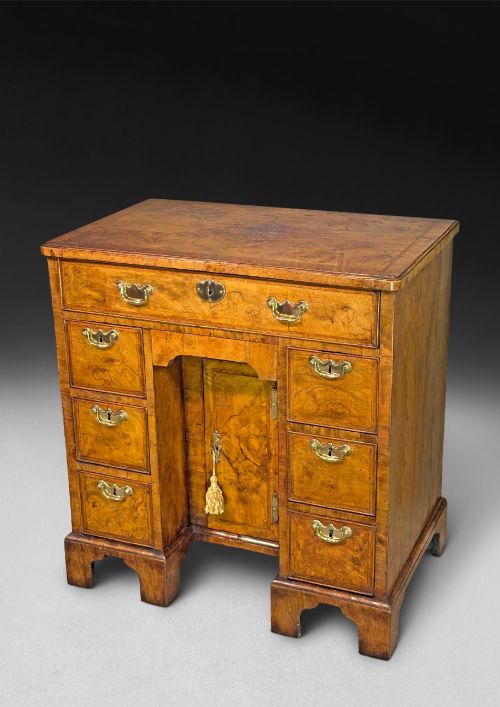
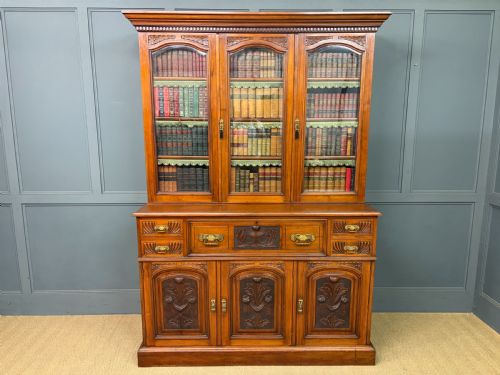
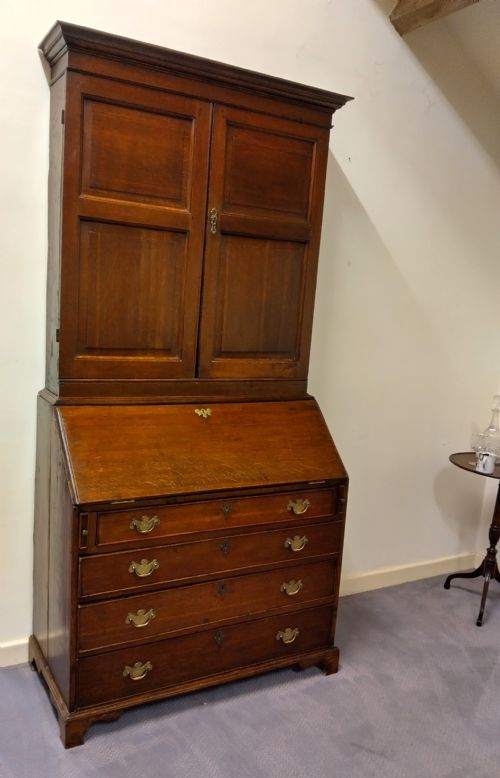
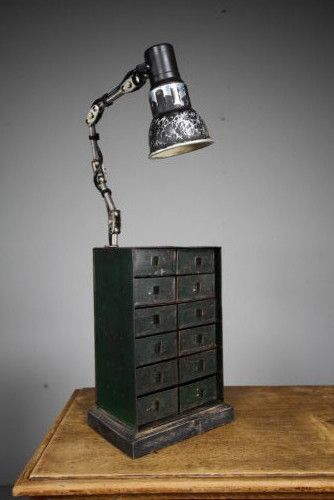
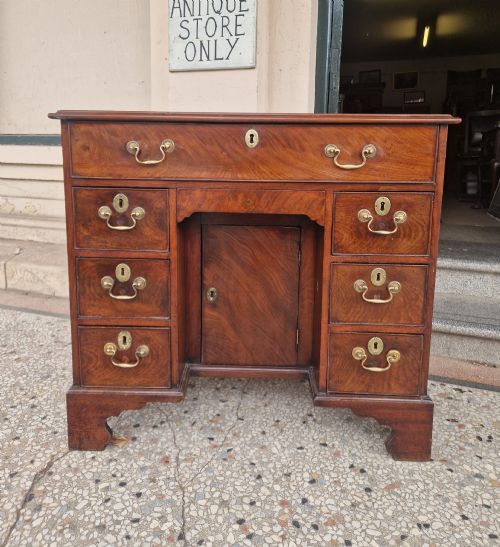
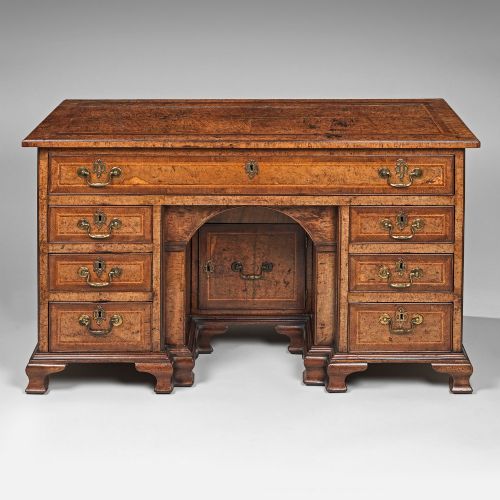
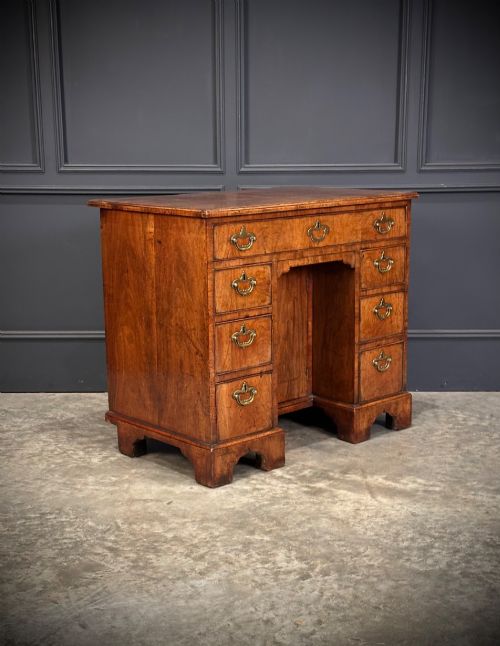
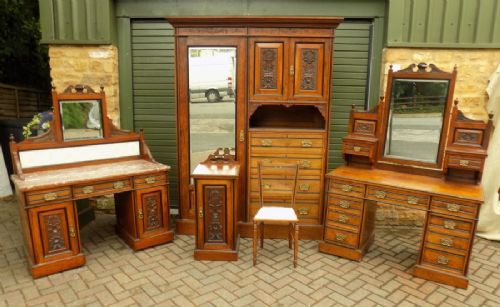
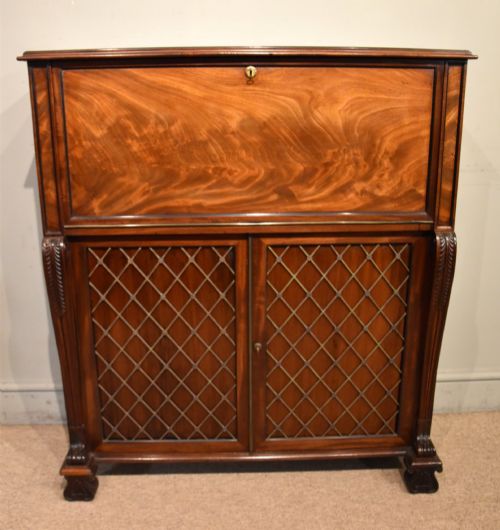
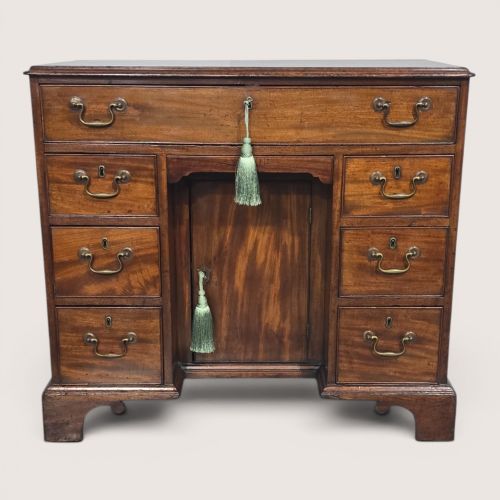
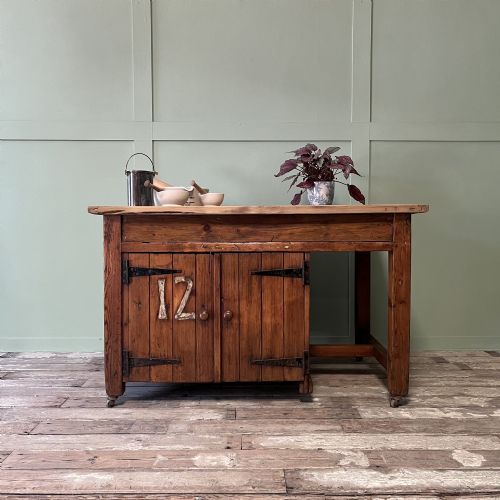
When you search for an antique desk cupboard, you encounter forms that merge enclosed shelving or small compartments with writing surfaces, including kneehole desks, bureaus, secretaire bookcases, and table cabinets. The pieces on this page draw from Georgian, Victorian, Edwardian, and seventeenth-century eras, reflecting domestic and office utility.
Mahogany and oak dominate the offerings, alongside walnut and burr walnut veneers, brass hardware, and occasional glass panels. The lineage runs from sturdy early oak strong boxes and seventeenth-century Spanish walnut bargueño cabinets through refined George II fiddleback walnut kneeholes to Edwardian stationery cabinets and twentieth-century oak writing bureaus.
How they were made
Carpenters and cabinetmakers utilised native and imported timbers, pairing solid oak, mahogany, and walnut with figured veneers like burr walnut and burr elm. Construction methods ranged from pegged framework on seventeenth-century pieces to dovetailed drawer boxes and fitted interior pigeonholes on Georgian and Victorian examples.
Hardware played a functional and decorative role, featuring brass handles, drawer pulls, and occasionally brass paw feet. Carved ornamentation, linenfold panels, and inlaid Sheraton revival motifs appear on specific Arts and Crafts and Edwardian iterations.
Listings span the seventeenth century through to the 1930s, using mahogany, oak, walnut, and pine across desks, cabinets, and chests.
What varies in quality
The degree of figuration in the timber veneer separates standard utility pieces from high-status examples, with burr elm, fiddleback walnut, and figured walnut commanding greater visual depth. The intricacy of internal joinery, such as secret compartments within kneeholes and pigeonholes inside bureaus, indicates the skill of the original workshop.
The survival of original brass handles, working locks, and fitted interior elements distinguishes untouched examples from those with replaced hardware or adapted internal cavities.
Arthur Simpson of Kendal·F.H. Marshall & Co Glasgow·Bryn Mawr Welsh Oak
The Antique Desk Cupboard Glossary
- Kneehole desk
- A compact writing table featuring a central recess flanked by pedestals of small drawers and a cupboard door set back beneath the writing surface.
- Secretaire
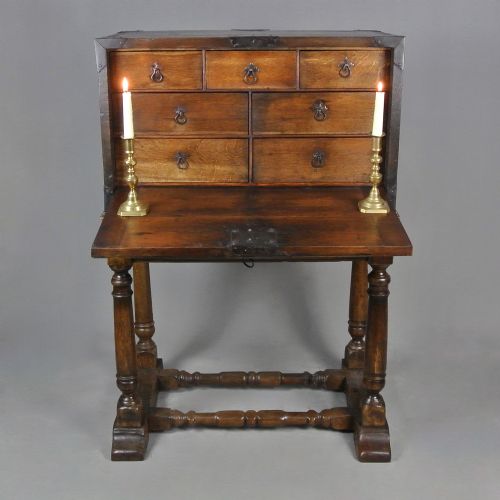
- A cabinet or desk incorporating a drop-front writing drawer or fall-front panel that conceals a fitted interior of small drawers and pigeonholes.
- Bargueño
- A Spanish cabinet on a stand, featuring a drop-front that opens to reveal an elaborate arrangement of small drawers and compartments.
- Fiddleback walnut
- Walnut timber displaying a transverse ripple figure that resembles the back of a violin, prized for high-end Georgian cabinetwork.
Antique Desk Cupboard: Frequently Asked Questions
What is an antique desk cupboard?
It is a hybrid furniture form that combines a writing surface with enclosed storage space, such as cupboards, drawers, or pigeonholes.
These pieces range from compact kneehole desks and tabletop cabinets to large secretaire bookcases and bureau cabinets designed for domestic paperwork.
How do I date an oak bureau?
Early examples from the seventeenth century often feature pegged frame construction, heavy oak timbers, and simple fielded panels.
Later Edwardian and twentieth-century pieces display machine-cut dovetails, lighter oak veneers, and decorative elements like linenfold carving.
Where were these cabinets used?
They served in domestic parlours, libraries, estate offices, and bedrooms as functional furniture for correspondence and record keeping.
Smaller tabletop cabinets and miniature chests were used for storing stationery, specimens, or valuables in private chambers.