




Antique Derby Figurine
An antique derby figurine captures the grace and mythological or pastoral charm of eighteenth and nineteenth-century ceramic sculpture for the discerning collector.
Antique Derby Figurine
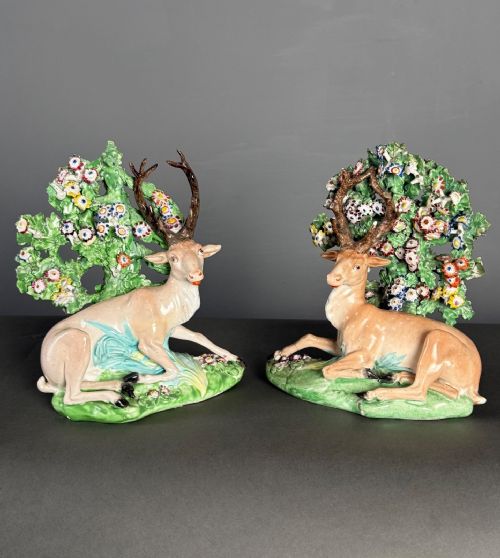
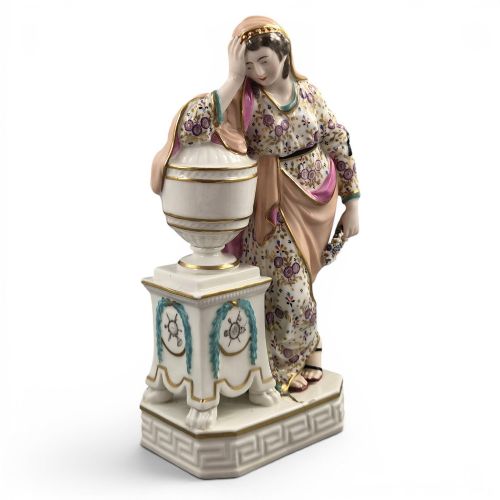
An antique derby figurine represents sculpted porcelain shaped into classical deities, pastoral characters, animals, and theatrical personalities from British workshops. Buyers examining this category encounter pastoral shepherds, musicians with bocage foliage, and allegorical figures spanning the Georgian, Regency, and Victorian eras.
The objects on this page originate predominantly from the eighteenth-century Georgian period, featuring early models with soft-paste porcelain and patch marks, alongside later nineteenth-century Bloor period iterations and nineteenth-century Continental revivals.
Forms vary from solo figures of street vendors and mythological figures like Minerva to paired candlesticks and elaborate groups such as the Three Graces.
Materials and Manufacturing Methods
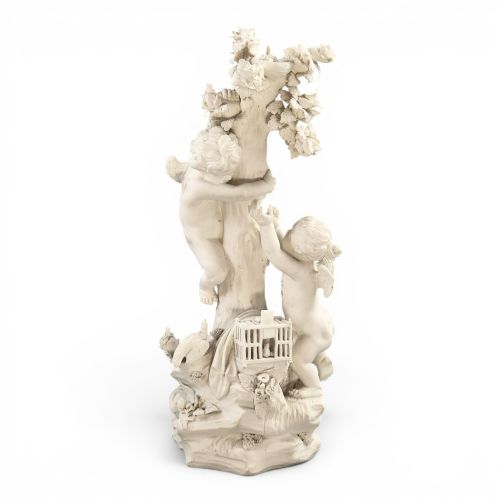
Potters utilised soft-paste porcelain and biscuit porcelain, the latter left unglazed to emphasise the matte, marble-like texture favoured for neoclassical subjects and detailed modeling. Kiln workers fired these pieces in sections, joining components before applying polychrome enamel colours and gold leaf highlights.
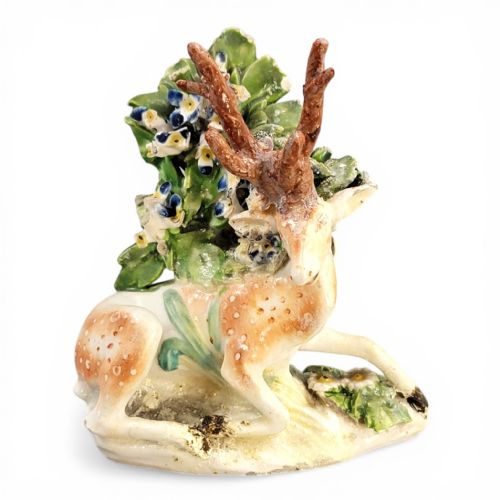
Gilding and enamel painting brought surface detail to garments and facial expressions, while bocage work - applied ceramic foliage - created fragile, leafy backgrounds behind pastoral characters.
Later nineteenth-century productions incorporated similar soft-paste and hard-paste recipes, often utilising gold leaf and rich enamel palettes to emulate earlier Georgian aesthetics.
Look closely to spot miniature dogs hiding near bagpipers and goat-riding tailors among the pastoral gatherings.
Distinguishing Quality and Craftsmanship
Original glazing and the application of gilding reveal the tier of production, where master painters achieved greater depth in the enamelling of garments and accessories.
Completeness of pairs, survival of delicate appendages like candle sconces, and the crispness of the biscuit porcelain surface elevate certain examples above standard decorative pieces.
Bloor Derby·Stevenson and Hancock·Samson of Paris
The Antique Derby Figurine Glossary
- Soft-paste porcelain
- A glassy ceramic composition fired at lower temperatures than hard-paste porcelain, common in eighteenth-century English works. It yields a warm, creamy body under the glaze.
- Biscuit porcelain
- Unglazed ceramic fired to a matte finish that resembles white marble, highly valued for detailed sculptural groups. This surface highlights the finesse of the original modeler's knife.
- Bocage
- Applied ceramic foliage and leafy scrolls forming a decorative background behind a figure. This intricate technique creates delicate, tree-like surrounds common in pastoral subjects.
- Patch mark
- A small unglazed scar on the underside of a porcelain piece left by the kiln supports during firing. These marks help date early Derby wares to the mid-eighteenth century.
- Bloor period
- The era of Derby production managed by Robert Bloor from the early nineteenth century onward. Pieces from this time often display richer enamels and distinct factory marks.
Antique Derby Figurine: Frequently Asked Questions
What is an antique derby figurine?
An antique derby figurine is a glazed or unglazed porcelain sculpture produced by the Derby porcelain works or inspired by its historic output. These pieces depict mythological deities, pastoral figures, animals, and theatrical characters.
Collectors prize them for their sculptural detail, historical costume, and the evolution of ceramic techniques from the mid-eighteenth century onward.
How can I tell early Derby pieces apart?
Early pieces from the eighteenth century often utilise soft-paste porcelain and feature patch marks on the base from kiln furniture. They display hand-painted enamels and sometimes lack factory marks.
Later nineteenth-century pieces from the Bloor period or subsequent revivals tend to have different paste compositions, crisper factory stamps, and heavier gilding.
Were these figures used as candlesticks?
Many Derby figures double as functional lighting items, incorporating candle sconces held by musicians or dancers among floral bocage. These candelabra figures combined ambient illumination with decorative tabletop art.
Pairs of these figures were often placed on mantelpieces to balance a room's interior scheme during the Georgian and Regency periods.
How should I care for porcelain figures?
Careful dusting with a soft, dry brush is the safest method for maintaining delicate porcelain and brittle bocage elements. Avoid harsh chemical cleaners or submersion in water, which can damage exposed soft-paste bodies and historic gilding.
Display them away from direct sunlight and high-traffic areas to protect fragile projections from accidental knocks.