




Soft Paste Porcelain Sculpture
Soft paste porcelain sculpture captures figures and allegorical groups modelled in rich ceramic bodies during the Georgian and 18th century periods.
Soft Paste Porcelain Sculpture
Soft paste porcelain sculpture encompasses ceramic figures, figurines, and sculptural groups created across the Georgian and 18th century periods. Buyers encountering this selection will find mythological figures, allegories of the seasons and elements, and animal models.
The pieces range from early Derby shepherdesses and wild boars to large French chinoiserie figure groups and Bow element figures. Each sculpture represents the characteristic modelling styles of the 18th century, including Rococo influences and 18th-century revival forms.
How they were made
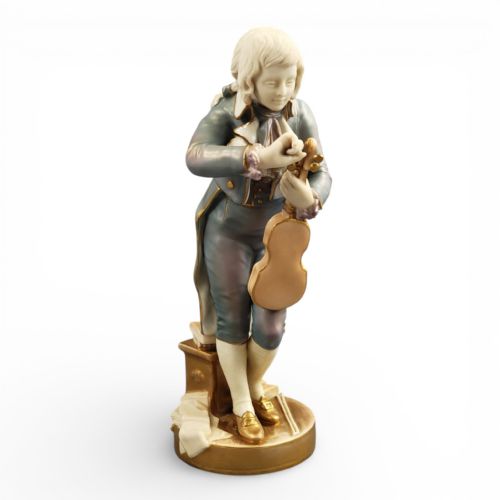
These sculptures utilise soft-paste porcelain and biscuit porcelain bodies shaped into figures and sculptural groups. Artisans employed hand-painting techniques with enamel colours and applied gold leaf or gilding to highlight details.
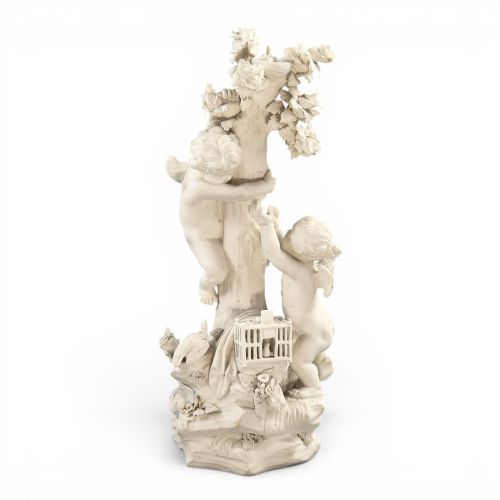
The construction of complex groupings involves modelled elements such as bocage backgrounds and figural anatomy. Biscuit porcelain versions left the ceramic unglazed, while others received polychrome enamels.
Soft Paste Porcelain Sculpture Retail Price Guide 2026
Typical asking prices for soft paste porcelain sculpture among the pieces listed under this phrase on Sellingantiques today, from the lower quarter to the upper quarter. They describe what is for sale here now, not the wider market.
The inventory records soft paste porcelain sculpture from the Georgian period through to the Edwardian era.
What varies in quality
The sophistication of the modelling separates standard figures from superior sculptural groups. Master modellers achieved greater anatomical precision and dynamic poses in figures like Father Time clipping Cupid's wings.
Derby Porcelain·Bow Porcelain·Royal Worcester
The Soft Paste Porcelain Sculpture Glossary
- Soft-Paste Porcelain
- A ceramic composition made from a mixture of clays, frits, and glassy materials fired at lower temperatures than true hard-paste porcelain. This body creates a warm, slightly creamy surface texture ideal for early figural modelling.
- Biscuit Porcelain
- Unfired or once-fired porcelain left unglazed to produce a matte, marble-like finish. It was frequently used by factories such as Derby to highlight the crisp details of sculptural figures.
- Bocage
- A decorative background of carved or applied foliage, leaves, and branches surrounding a ceramic figure. This leafy arbour provides structural support and visual framing for 18th-century animal and human models.
- Rococo
- An artistic style characterised by asymmetrical curves, scrollwork, and ornate natural motifs. Many mid-18th-century porcelain figures adopt this aesthetic in their scrolled bases and swirling drapery.
Soft Paste Porcelain Sculpture: Frequently Asked Questions
What is soft paste porcelain?
Soft paste porcelain is a glassy ceramic compound developed before true hard-paste porcelain formulas became widespread in Europe. It yields a distinct tactile quality and creamy tone.
Factories formulated their own pastes using ground glass and white clays, which fired at lower heats and accepted enamel colours with a soft depth.
How do I care for figures?
Keep porcelain sculptures away from direct sunlight and dust them gently with a soft, dry brush. Avoid harsh cleaning solutions that can damage enamel or gilding.
Display them in stable environments away from high humidity and sudden temperature shifts to protect the historic ceramic body.
What are biscuit figures?
Biscuit figures are porcelain sculptures left without a glossy glaze after firing. This treatment produces a matte finish resembling carved marble.
English factories like Derby utilised this technique to emphasise the fine detail of allegorical and mythological subjects.
What is a bocage?
A bocage is an applied background of leaves and flowering branches that frames a porcelain figure. It adds naturalistic scenery behind animals or human subjects.
This leafy screen is characteristic of mid-18th-century ceramic design and often requires careful handling due to its delicate structure.