




Antique Derby Figure Pair
An antique derby figure pair brings domestic animal models, classical allegories and whimsical characters into the room, modelled in soft-paste porcelain.
Antique Derby Figure Pair
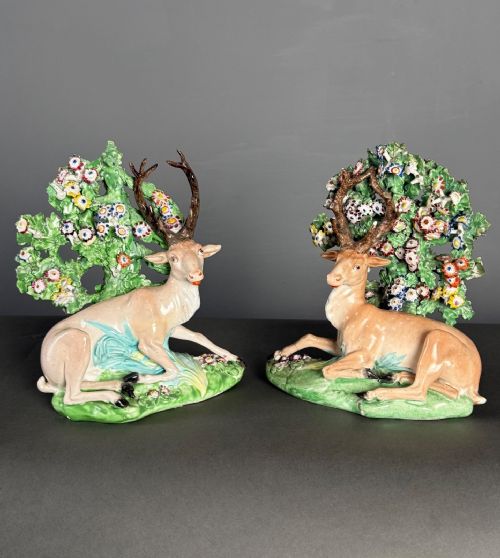
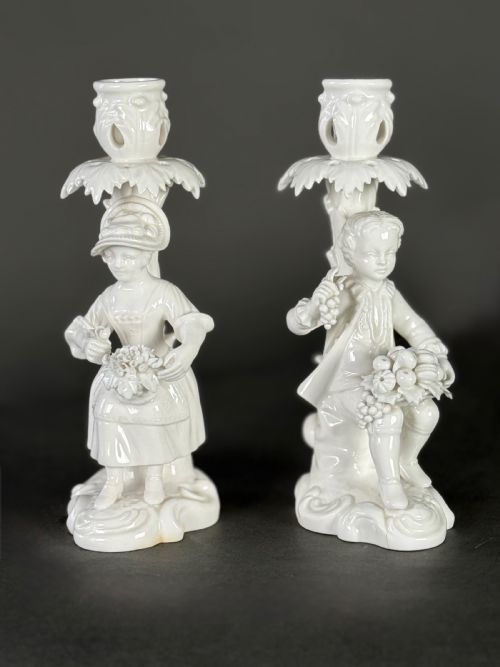
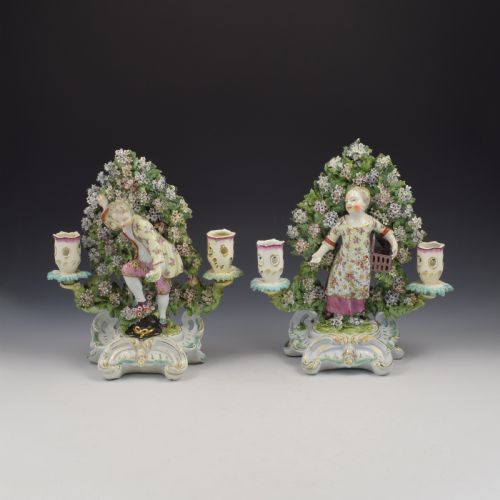
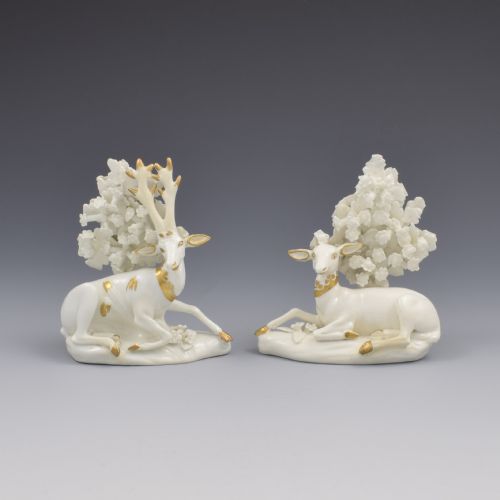
An antique derby figure pair comprises matching ceramic models produced in matched sets of two, taking the form of human figures, musicians, dancers, children or animals. These dual groupings often incorporate functional elements such as candle sconces or naturalistic leafy backgrounds known as bocage.
The selections available range across the Georgian, 18th Century and 19th Century periods, encompassing early soft-paste porcelain manufactories through to later nineteenth-century interpretations. Buyers encounter everything from rustic shepherds and seasonal allegories to recumbent stags and botanical candlestick groups.
Originating predominantly from English kilns alongside later French and continental revival pieces, these dual compositions reflect shifts in neoclassical and rococo taste. They serve as decorative mantel and table ornaments designed to balance each other visually when displayed together.
How they were made
Potters shaped these objects using both soft-paste and hard-paste porcelain clay bodies, which were cast in moulds and carefully joined before initial firing. Artisans then applied liquid glazes to seal the ceramic body and create a smooth vitreous surface.
Object forms span candlesticks, decorative figurines, and figural groups in soft-paste and hard-paste ceramic bodies.
What varies in quality
The precision and richness of the enamel painting and gilding determine the aesthetic merit of the finished object. Clean, evenly fired glaze surfaces and careful placement of secondary colours distinguish superior examples from simpler production runs.
The Antique Derby Figure Pair Glossary
- Bocage
- An ornamental background of applied porcelain leaves and branches that surrounds the central figures. This fragile technique creates a dense, naturalistic arbour effect behind musicians or dancers.
- Soft-paste porcelain
- A glassy ceramic composition fired at lower temperatures than hard-paste porcelain. It produces a warm, creamy body that interacts distinctively with early enamels and glazes.
- Patch-mark
- Small unglazed blemishes on the underside of early figures left by the kiln supports during firing. These marks help specialists date pieces to specific manufacturing periods.
- Gilding
- The application of gold leaf or powdered gold to highlight garments, bases and decorative accents. It adds reflective contrast to the painted enamel surface.
Antique Derby Figure Pair: Frequently Asked Questions
How were these figures used originally?
In period interiors, these matching figures served as decorative garnitures placed on mantelpieces, side tables, or dining room credenzas. Versions fitted with metal or ceramic sconces functioned as decorative candlesticks for lighting rooms.
They demonstrated the owner's cultivation and taste through classical, pastoral, and allegorical subjects. Their symmetrical design helped anchor the visual balance of formal room arrangements.
How do I live with porcelain figures?
Display these delicate ceramics on stable, secure surfaces away from heavy foot traffic or direct sunlight to protect the enamel colours. Position them where their detailed modelling and gilding can be appreciated at close range.
Dust them gently with a soft, dry brush rather than liquid cleaners. Because the porcelain body and applied bocage are fragile, keep them out of reach of children and pets.
How can I tell different periods apart?
Early pieces from the eighteenth century typically utilise a soft-paste porcelain body with hand-painted enamel colours and distinct kiln support marks on the base. Later nineteenth-century examples often employ hard-paste porcelain or different manufacturing stamps.
Stylistic shifts also provide clues, moving from rococo asymmetry and naturalistic bocage toward nineteenth-century revival styles and continental interpretations. Comparing the crispness of the modelling and glaze characteristics helps distinguish original period work from later reproductions.