

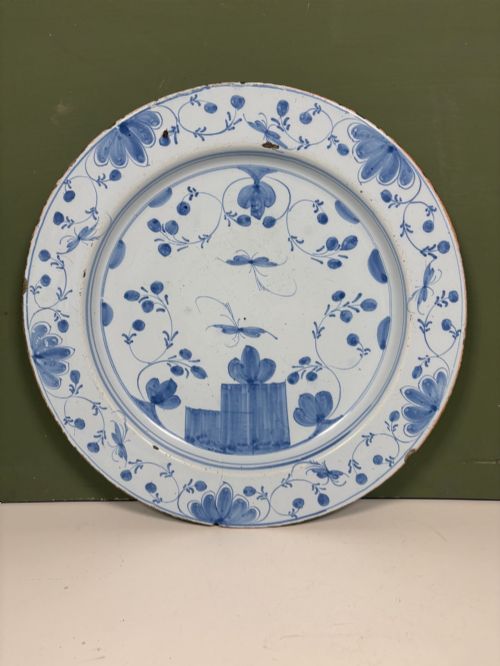
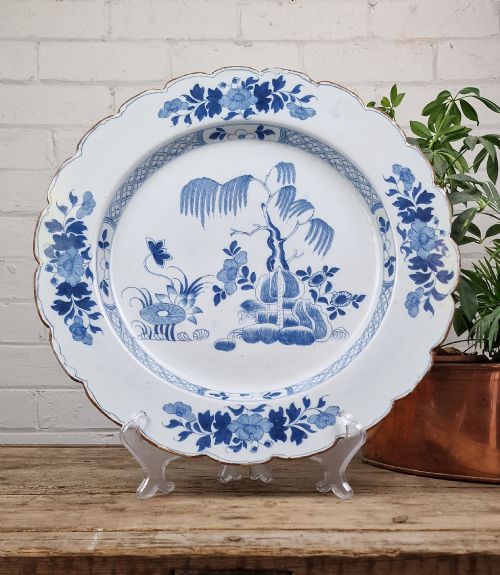


Antique Delftware Platter
An antique delftware platter offers a tangible piece of tin-glazed ceramic history, bringing centuries of hand-painted blue and white artistry straight to your wall or table.
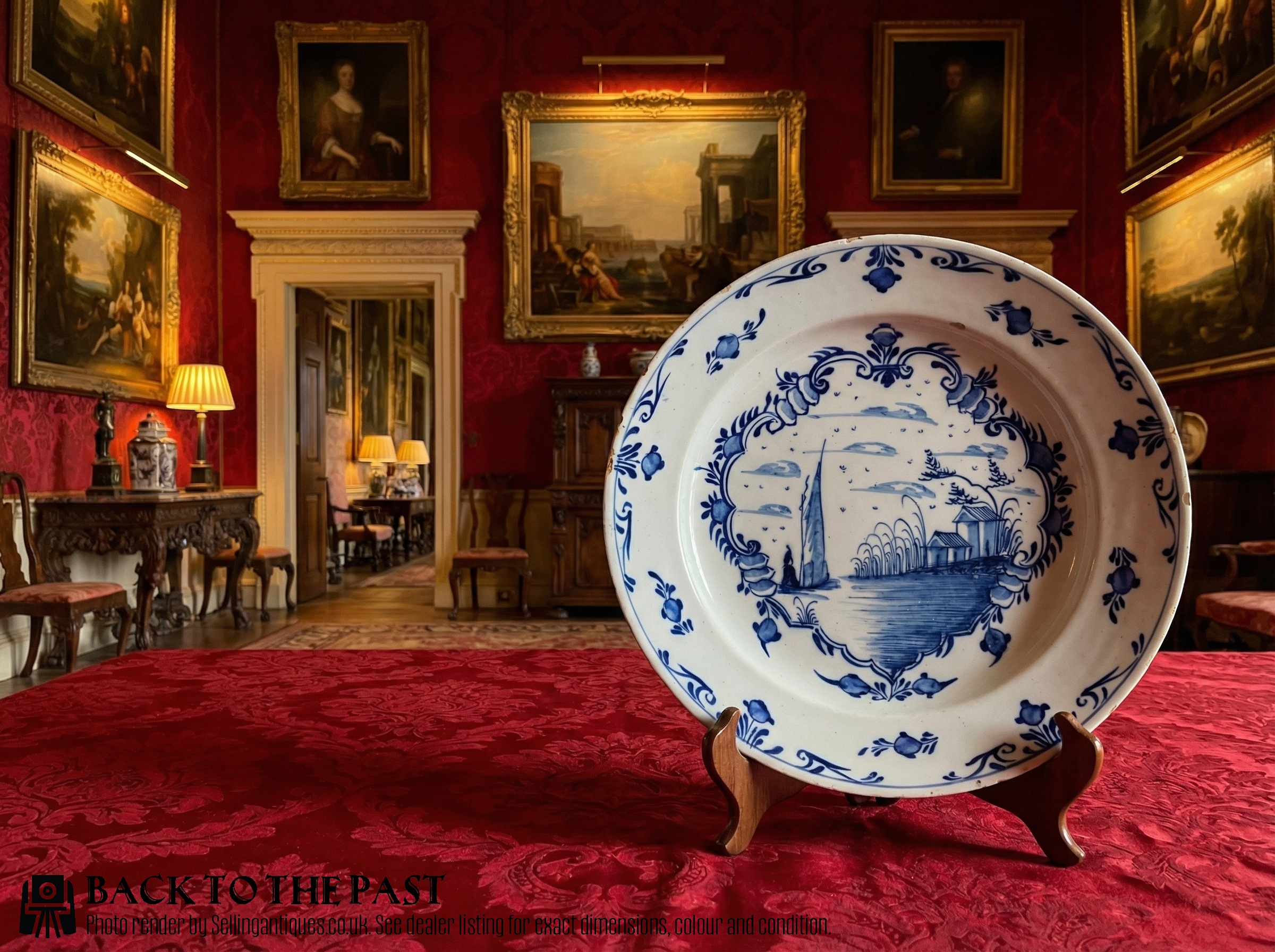
Antique Delftware Platter
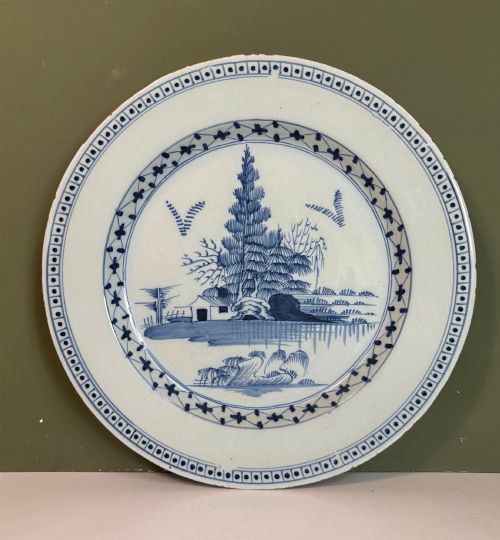
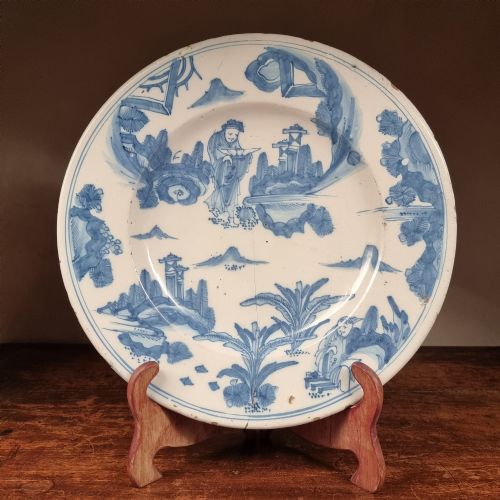
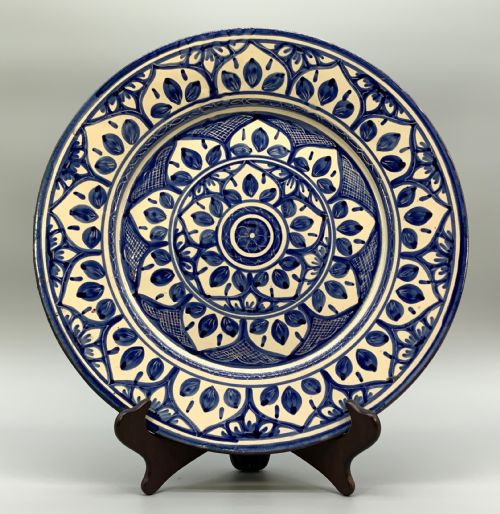
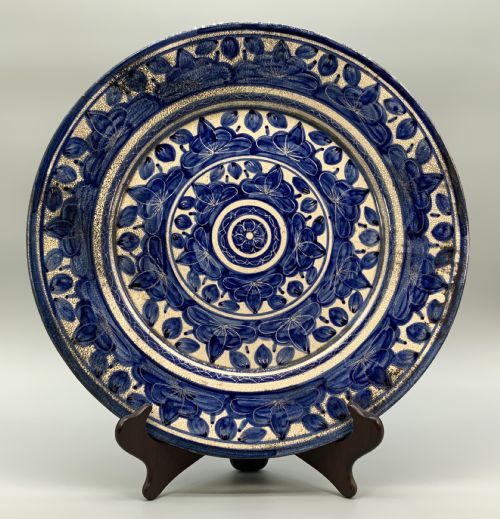
An antique delftware platter takes the form of a large decorative charger, plate or dish designed for display or serving. When you search for an antique delftware platter, you encounter substantial circular earthenware vessels intended to make a visual statement.
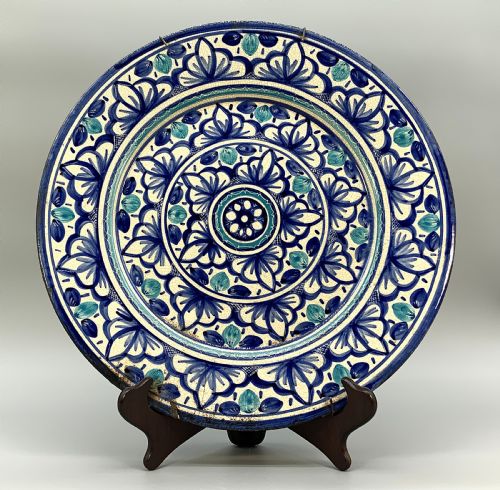
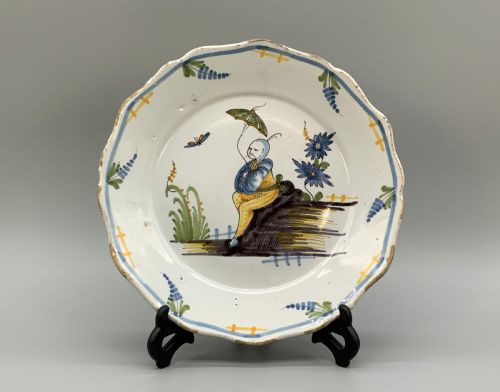
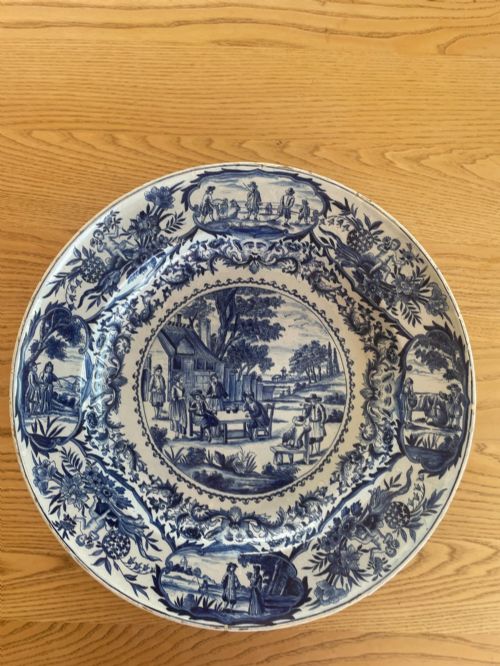
The pieces appearing on this page span several centuries, notably the seventeenth, eighteenth and nineteenth centuries, alongside mid-twentieth-century Continental interpretations. English and Dutch workshops dominate the origins, alongside Moorish style revival pieces and French faience.
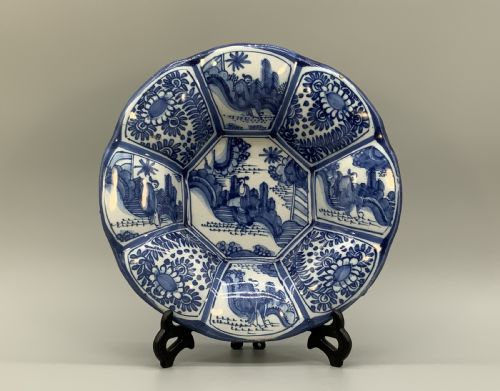
Most examples rely on generous diameters to showcase expansive painted scenes, ranging from traditional blue and white Chinoiserie motifs to polychrome and manganese palettes. You will frequently find these objects described as wall chargers or decorative plates due to their generous proportions.
How they were made
Makers formed these platters using earthenware clay, shaping them into broad plates and chargers before applying an opaque tin glaze. This tin-glazed earthenware surface provided a smooth, white canvas resembling porcelain.
Painters applied cobalt pigment, cobalt oxide, or manganese directly onto the unfired or raw glaze, allowing the metallic oxides to absorb into the surface during the firing process. Grand feu techniques and polychrome pigments further expanded the decorative repertoire seen in these ceramic works.
What varies in quality
Quality in these platters rests upon the crispness of the hand-painted brushwork and the depth of the cobalt pigment against the tin glaze. Superior examples display confident, fluid execution in their Chinoiserie or floral motifs.
The smoothness of the tin glaze and the stability of the earthenware body also set finer specimens apart. Platters featuring successful polychrome or manganese coloration alongside harmonious composition represent the higher tier of production.
De Witte Ster
The Antique Delftware Platter Glossary
- Charger
- A large decorative plate or platter typically meant for display on a wall or sideboard rather than daily dining. These substantial dishes provide the primary canvas for intricate delft painting.
- Tin-Glaze
- An earthenware ceramic glaze rendered white and opaque by the addition of tin oxide. It creates the characteristic smooth background necessary for painting delftware.
- Chinoiserie
- European decorative art depicting imaginative interpretations of Chinese styles, widely painted on seventeenth and eighteenth-century ceramics. This aesthetic heavily influences the blue and white patterns on these platters.
- Polychrome
- Decoration employing multiple distinct colours rather than a single pigment like cobalt blue. On these platters, it often includes manganese, yellow, and other enamel hues.
- Earthenware
- Porous pottery fired at lower temperatures than stoneware or porcelain. It serves as the fundamental ceramic body for all tin-glazed delftware.
Antique Delftware Platter: Frequently Asked Questions
How were antique delftware platters used?
These large ceramic vessels served primarily as decorative chargers rather than functional tableware, often displayed prominently on walls or dressers in affluent homes.
Their generous painted surfaces allowed households to exhibit fashionable scenes, ranging from classical blue and white Chinoiserie to vibrant polychrome patterns.
How do I hang a heavy charger?
Displaying a large earthenware platter safely requires a specialised wire wall hanger designed to distribute the weight evenly across the rim without putting pressure on the ceramic body.
Ensure the mounting hardware is securely anchored into a wall stud, given the substantial weight of seventeenth and eighteenth-century tin-glazed chargers.
How can I tell English from Dutch delft?
Distinguishing between English and Dutch delftware often involves examining the clay body, glaze characteristics, and the specific nuances of the cobalt painting style.
English earthenware bodies tend to feel slightly heavier and show distinct potting traits compared to their continental counterparts, though stylistic crossover remains common.
What is Moorish style delft?
Moorish style delft refers to later Continental interpretations, notably from nineteen-forty, that adapt traditional tin-glazed earthenware techniques to geometric and exotic Mediterranean motifs.
These pieces combine the familiar blue and white faience palette with distinct stylistic influences distinct from standard seventeenth-century Dutch production.