


Antique Delft Tin Glaze
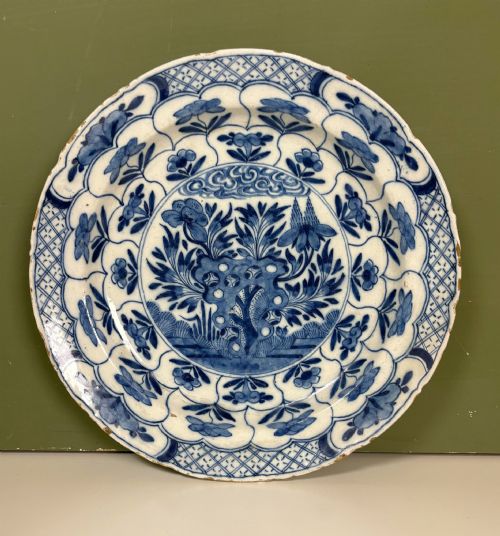
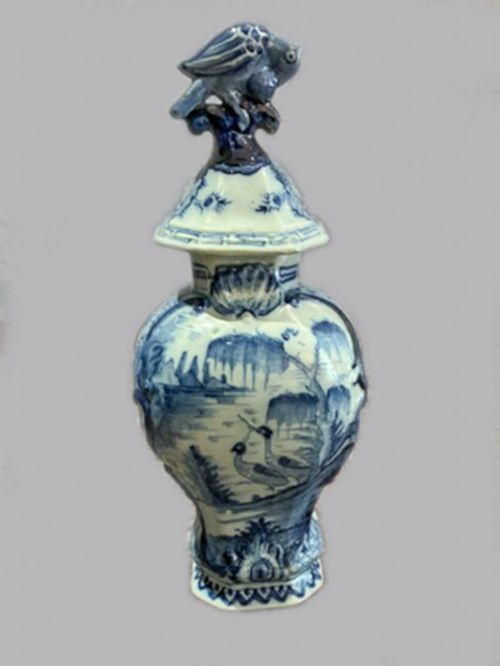
These pieces of antique delft tin glaze bring hand-painted earthenwares into your home, prized for their traditional blue and white patterns and tin-glazed surfaces.
Antique Delft Tin Glaze
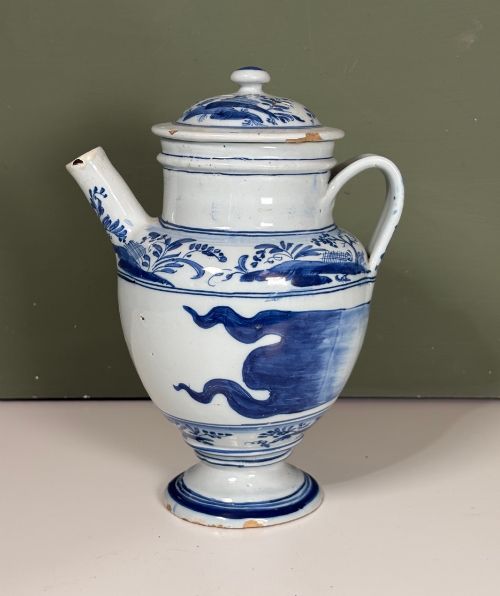
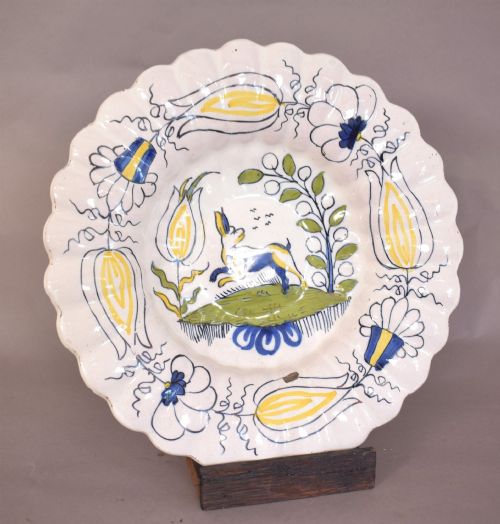
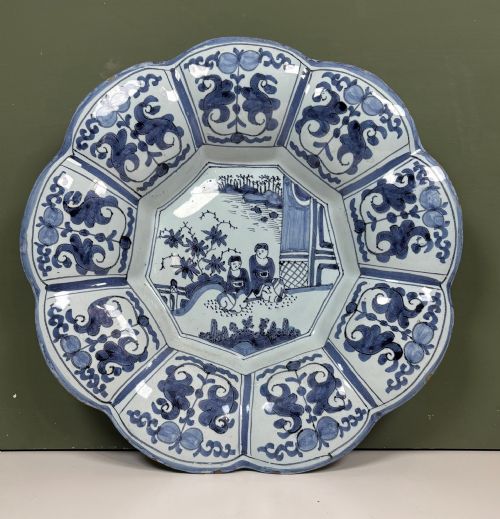
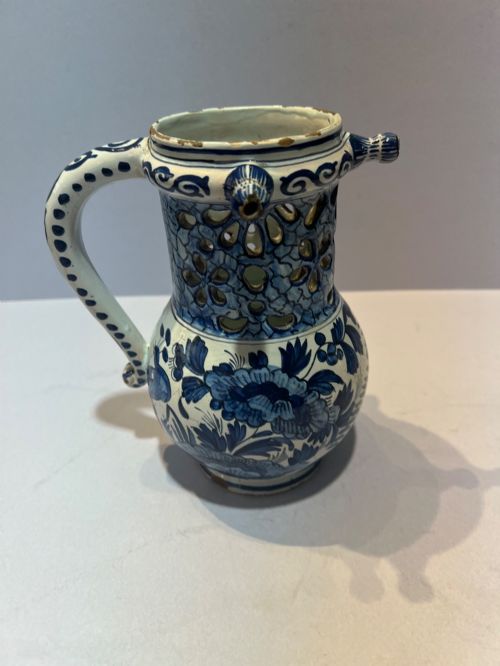
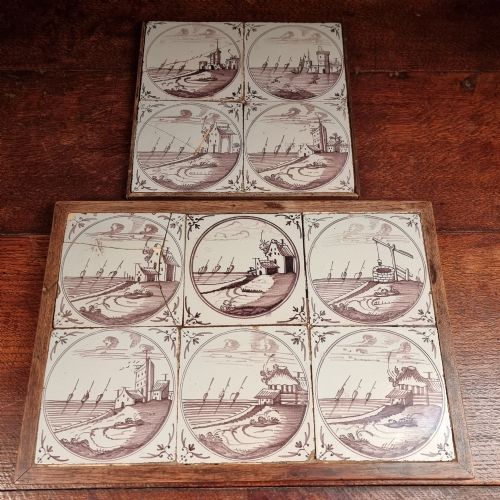
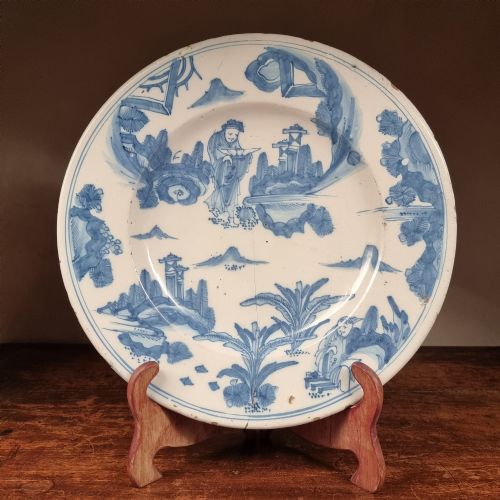
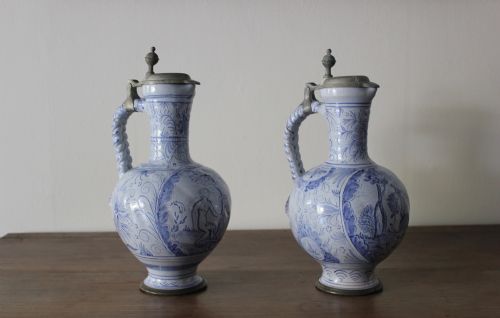
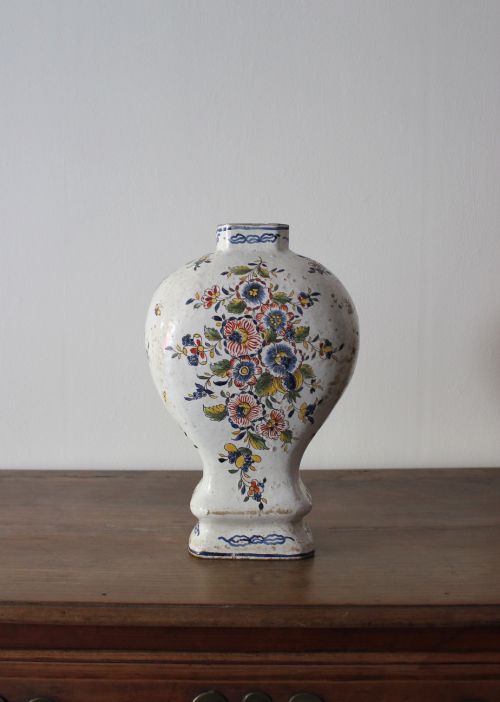
When you search for antique delft tin glaze, you encounter a variety of earthenware forms originating primarily from the seventeenth and eighteenth centuries. The selection on this page leans heavily toward chargers, decorative plates, and vases, alongside specialist items like apothecary jars, tiles, and posset pots.
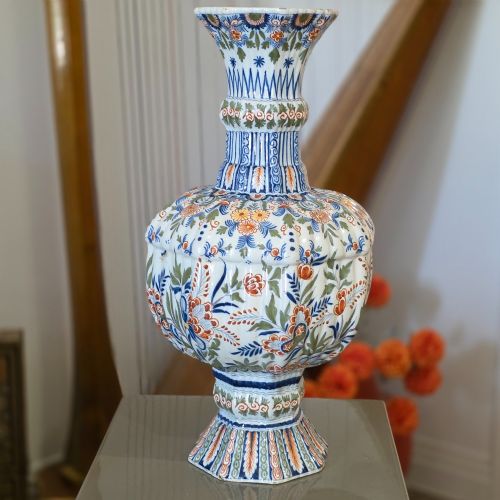
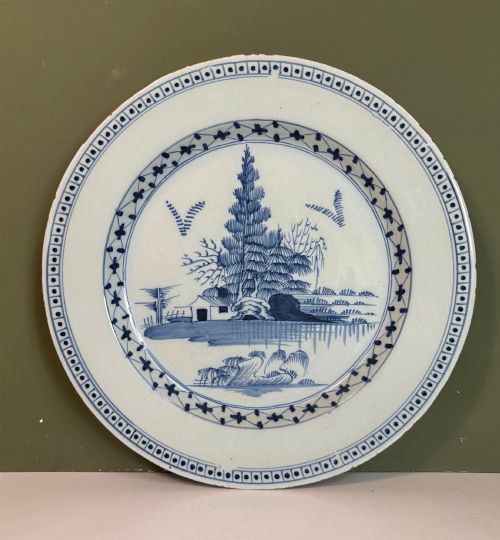
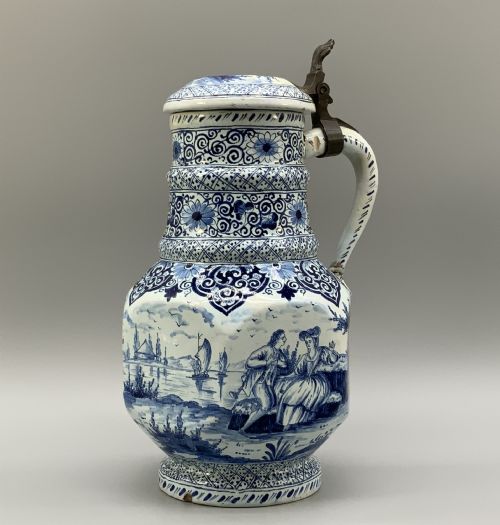
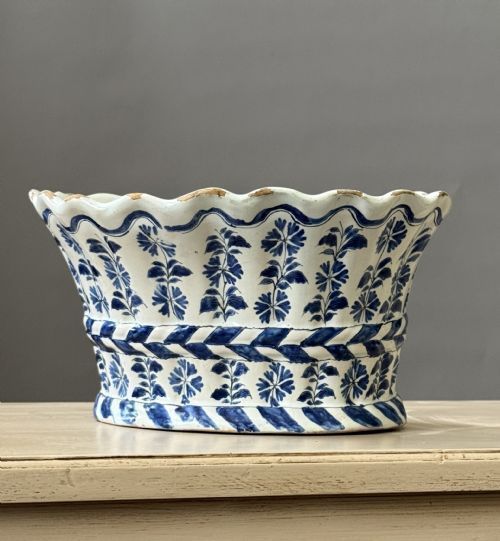
Most pieces display blue and white or polychrome hand-painted decoration, often drawing on floral, animal, or Chinoiserie motifs. You will also find regional variations including English, French, and Spanish faience sitting alongside traditional Dutch Delftware.
How they were made
Potters shaped earthenware bodies and coated them in a white tin-glaze that provided an opaque, smooth background for painting. Artisans then applied pigments directly onto the absorbent unfired glaze, utilising cobalt oxide for deep blues as well as manganese and yellow for polychrome examples.
Once painted, the vessels went into the kiln for firing, a process that fused the pigments into the white glaze layer. This technique required considerable skill because any error in brushwork on the porous surface became permanent.
Listings span seventeenth-century origins through to nineteenth-century revivals, recording earthenware vessels decorated with cobalt pigment and tin glaze.
What varies in quality
Quality rests upon the precision and fluidity of the hand-painted brushwork, separating hurried workshop production from master execution. Pieces with crisp, detailed botanical or figurative motifs display a higher degree of artistic control by the decorator.
The smoothness of the tin-glaze and the stability of the earthenware body also determine the standing of a vessel. Better examples maintain an even glaze coverage with minimal firing distortion, preserving the harmony of the original form and decoration.
The Antique Delft Tin Glaze Glossary
- Tin-Glaze
- A pottery glaze made opaque by the addition of tin oxide, creating a white surface suitable for painting. This finish defines the core appearance of all listed wares.
- Charger
- A large decorative plate designed for display on a wall or dresser rather than for dining. These wide surfaces often carry the most ambitious painted scenes.
- Faience
- A European term for tin-glazed earthenware, particularly that produced in France and other continental centres. It shares technical roots with traditional Delftware.
- Polychrome
- Decoration employing multiple colours beyond standard blue, frequently incorporating manganese purple, yellow, and green pigments. These palettes appear frequently on eighteenth-century examples.
- Chinoiserie
- European decorative motifs inspired by Chinese art and porcelain imports. Artisans adapted these orientalist designs onto local earthenware vessels.
Antique Delft Tin Glaze: Frequently Asked Questions
What is delftware made from?
These objects consist of a buff or earthenware clay body covered in an opaque white tin-glaze. Painters applied metal oxide pigments directly onto this absorbent coating before firing.
The resulting ceramic combined a sturdy earthenware fabric with the bright white appearance of imported Chinese porcelain, which European potteries sought to imitate.
How were chargers used?
Large chargers served primarily as decorative display pieces on sideboards, walls, and dressers in affluent homes. Their expansive surfaces provided decorators with a broad canvas for narrative scenes and floral patterns.
While some larger dishes may have functioned at the table during formal meals, surviving examples often show suspension holes or minimal wear, indicating wall display.
How do you clean antique tin glaze?
Careful dusting with a soft, dry cloth is usually sufficient to maintain the surface of tin-glazed earthenware. Water and liquid cleaners should generally be avoided to protect the porous historic body and brittle glaze.
Because the tin-glaze can be prone to chipping along the edges, handle pieces minimally and support the base entirely when moving them.
How do I tell Dutch Delft from English?
Distinguishing regional origins involves looking at the composition of the clay body and the specific tones of the blue pigment. English examples often utilised a softer, chalkier fabric, while Dutch pieces frequently displayed sharper cobalt painting.
Decoration styles also offer clues, as local workshops adapted imported patterns to suit domestic tastes across Britain and the Netherlands.