





Antique Delft Ceramic Jar
These antique delft ceramic jar pieces combine tin-glazed earthenware bodies with cobalt pigment decoration, offering robust utility and rich historical character for the discerning interior.
Antique Delft Ceramic Jar
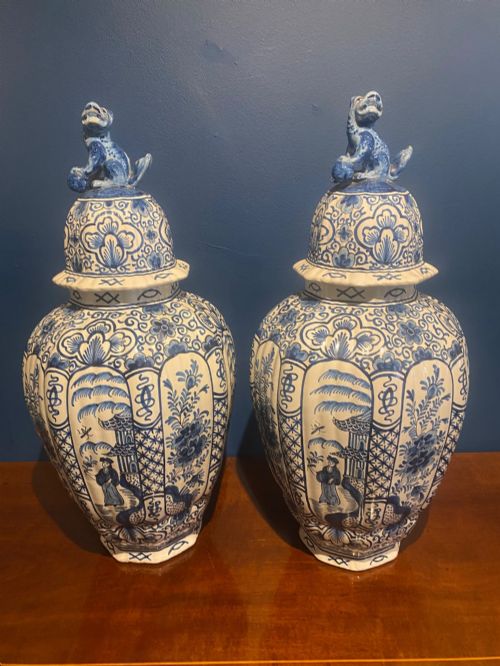
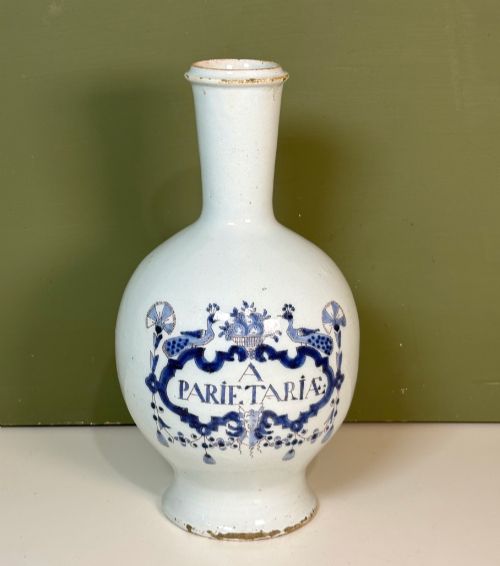
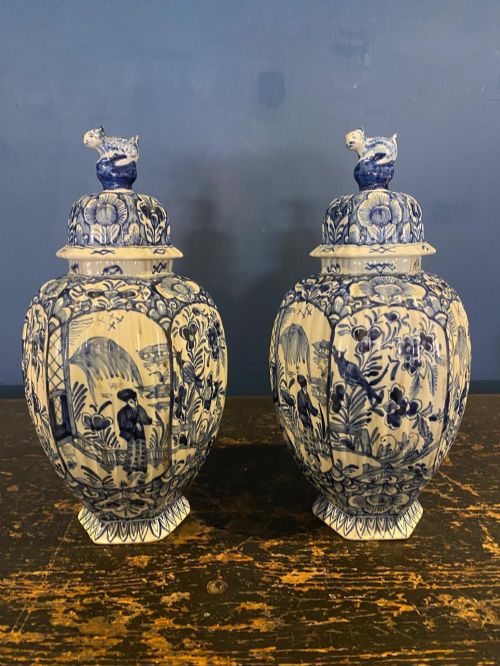
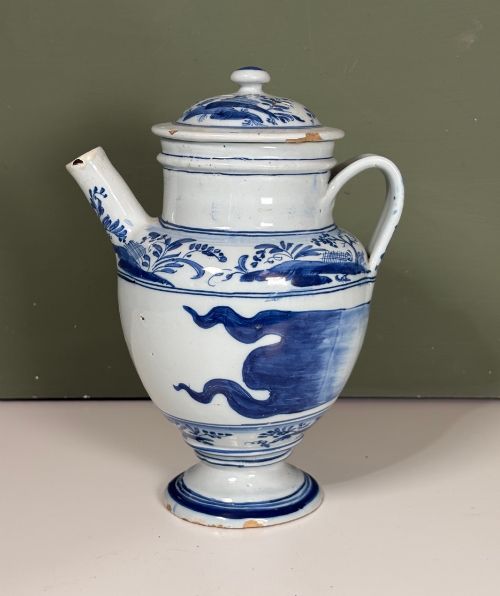
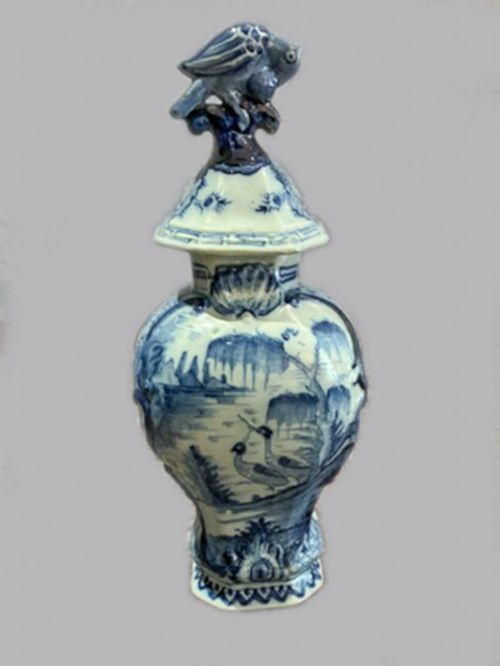
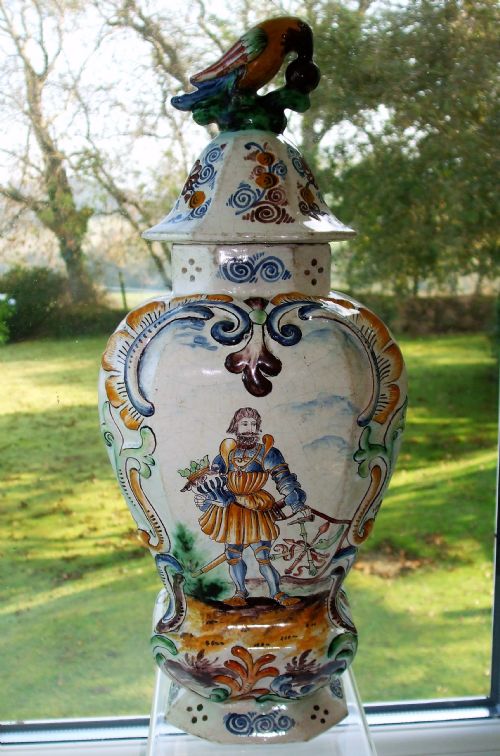
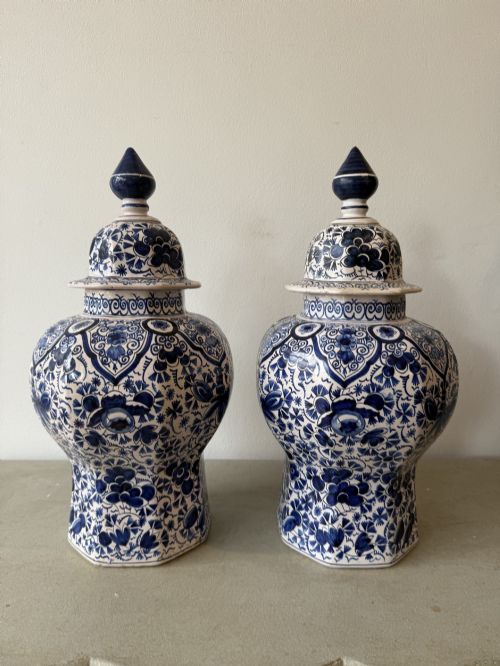
An antique delft ceramic jar encompasses diverse forms including apothecary jars, drug jars, albarellos, tobacco jars, and lidded vases. These vessels serve functional storage and decorative display roles across domestic and pharmacy settings.
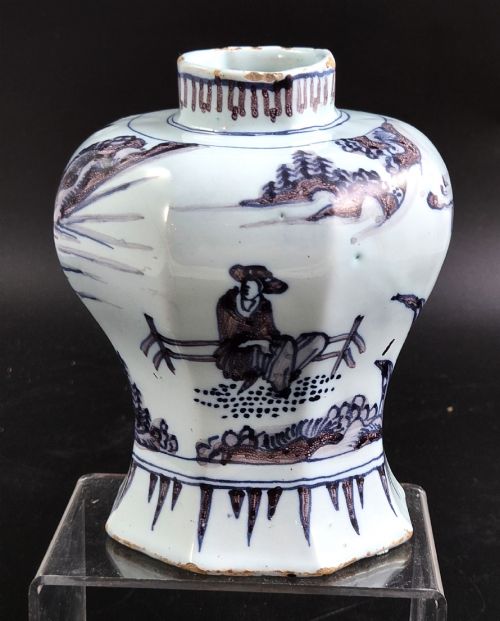
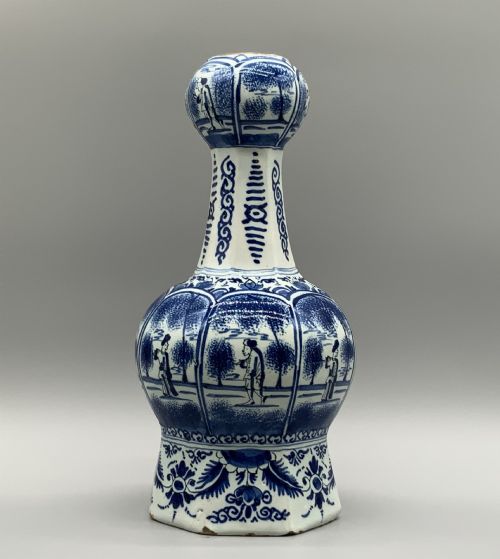
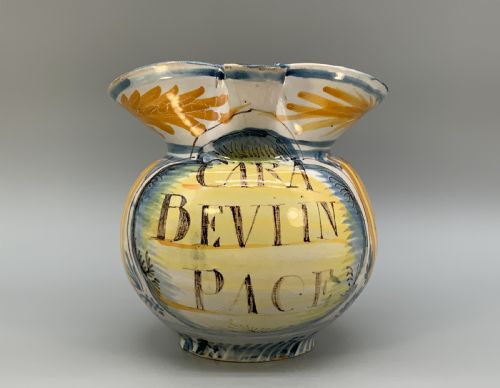
The selections visible here predominantly span the seventeenth, eighteenth, and nineteenth centuries, originating from Dutch and Italian workshops. Buyers encounter baluster silhouettes, lidded urns, and tall vases decorated in cobalt blue or polychrome palettes.
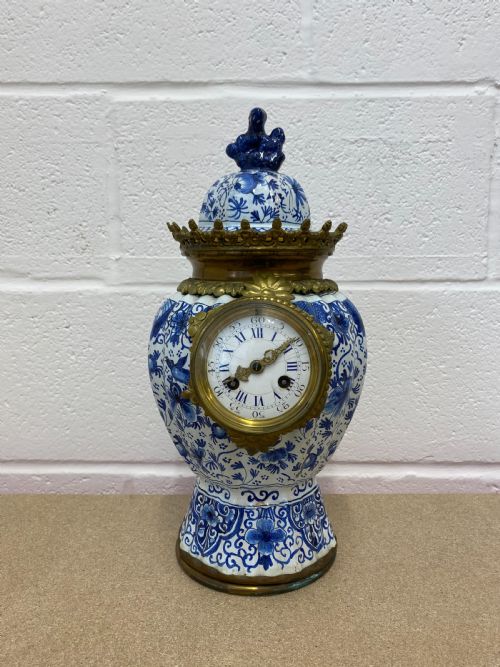
Stylistic influences range from Dutch Baroque and Georgian Chinoiserie to Italian traditional faience. Pieces appear singularly or in matched pairs, sometimes mounted as table lamps with hardwood bases or fitted with brass elements.
Assessing quality in tin-glazed ceramics
Quality rests upon the crispness of the hand-painted brushwork and the stability of the tin glaze across the earthenware body. Superior examples display confident pictorial scenes, vibrant cobalt tones, and well-proportioned baluster or albarello forms.
The integrity of the glaze surface, the balance of the fired vessel, and the preservation of original lids distinguish finer specimens. Later adaptations, such as lamp conversions, alter the original utilitarian form but introduce distinct decorative merit.
Antique Delft Ceramic Jar Retail Price Guide 2026
Typical asking prices for delft ceramic jar among the pieces listed under this phrase on Sellingantiques today, from the lower quarter to the upper quarter. They describe what is for sale here now, not the wider market.
Pharmacists labelled their jars in Latin so customers could admire their erudition while swallowing noxious dried herbs.
The Antique Delft Ceramic Jar Glossary
- Tin-glazed earthenware
- Pottery coated with an enamel glaze containing tin oxide to produce an opaque white surface. This technique allows detailed brushwork to be applied directly onto the unfired glaze.
- Albarello
- A cylindrical pharmacy jar designed to store herbal ointments and dry drugs. Its waisted shape provides a secure grip for handlers in busy apothecary shops.
- Cobalt pigment
- A mineral oxide used to achieve deep blue colouration on ceramic bodies. It withstands high firing temperatures without losing intensity.
- Polychrome
- Decoration employing multiple colours beyond traditional blue and white. Artisans utilise manganese, yellow, and green pigments alongside cobalt.
- Baluster
- A vertical architectural form with a swelling lower portion tapering toward the top. Ceramic jars frequently adopt this silhouette for visual stability.
Antique Delft Ceramic Jar: Frequently Asked Questions
What were antique delft ceramic jars used for?
These vessels held dry drugs, herbal remedies, tobacco, and liquid ointments in European apothecaries and domestic households. Pharmacies relied on labelled apothecary jars to organise medicinal stores efficiently.
Over time, many of these utilitarian containers transitioned into purely decorative objects displayed on mantelpieces and sideboards. Larger lidded urns and baluster vases were specifically produced to enhance wealthy interiors.
How do I date an antique delft jar?
Dating relies upon stylistic markers, palette choices, and changes in ceramic body thickness across different centuries. Seventeenth-century examples often feature dense Chinoiserie motifs, whereas eighteenth-century pieces display refined Dutch Baroque floral compositions.
Nineteenth-century items sometimes incorporate Italian faience traditions with manganese and yellow polychrome highlights. Analysing the tin glaze composition and base construction provides further chronological context.
Are these jars waterproof?
Tin-glazed earthenware is historically porous and prone to moisture absorption through unglazed areas or hairline cracks in the glaze. While they hold dry goods or artificial stems safely, prolonged contact with water is discouraged.
Owners should use internal glass liners if displaying fresh flowers inside antique vessels. Protecting the glaze preserves the structural integrity of the earthenware body.
How should I clean my delft jar?
Dusting gently with a dry, soft cloth remains the safest method for routine maintenance. Avoid soaking the ceramic in water, as moisture exploits any existing weaknesses in the porous earthenware.
Harsh chemical cleaning agents and abrasive scourers strip the delicate tin glaze and ruin painted cobalt details. Professional restoration advice is recommended for stubborn surface grime.