
Antique Decorative Urn Vase
When you search for an antique decorative urn vase, you are looking for a sculptural vessel that bridges classical form with domestic display.
Antique Decorative Urn Vase
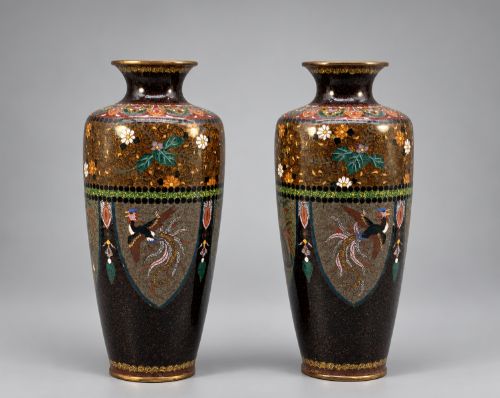
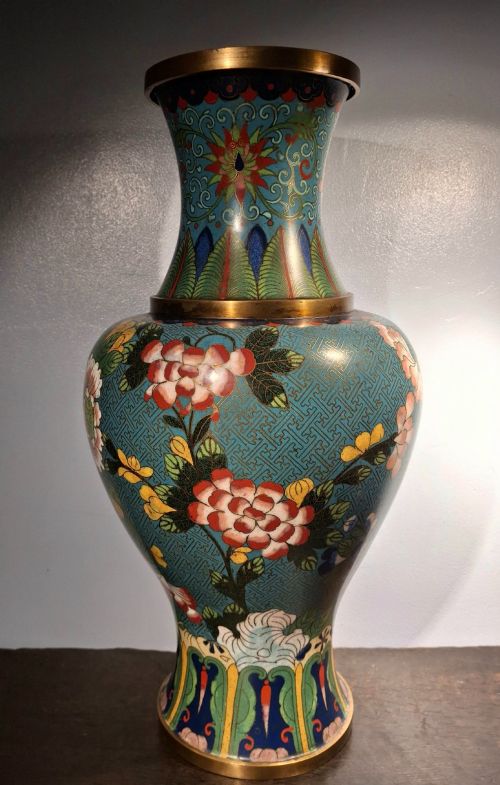
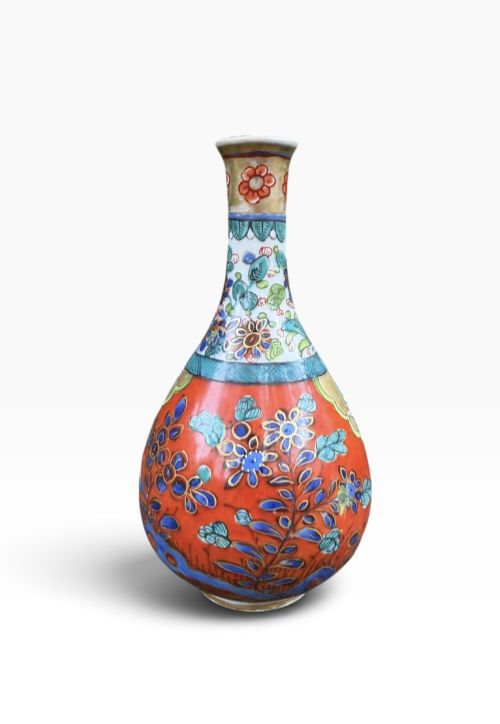
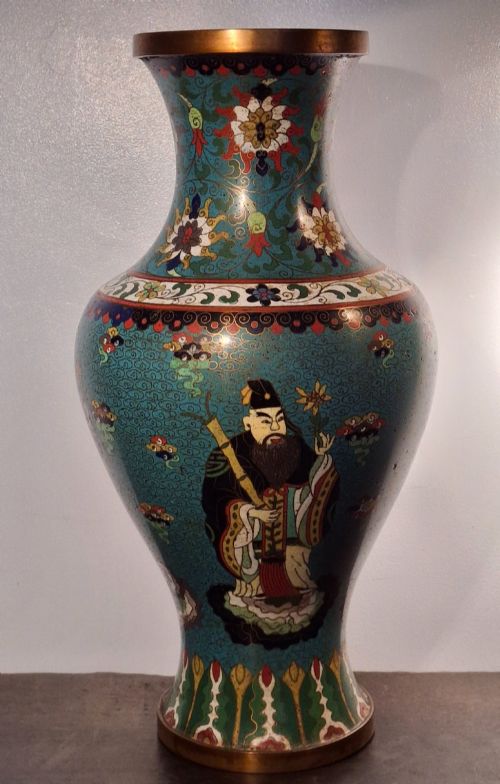
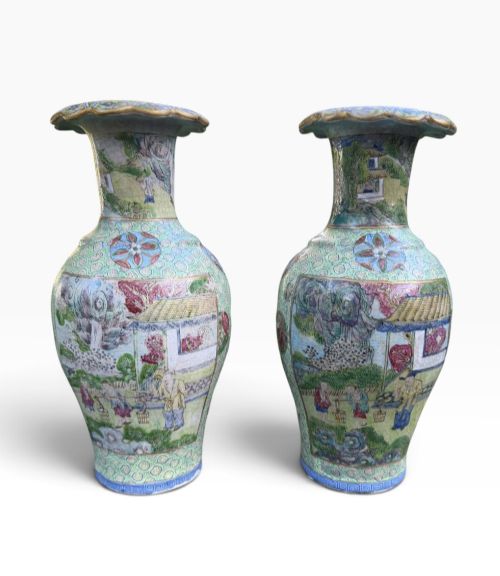
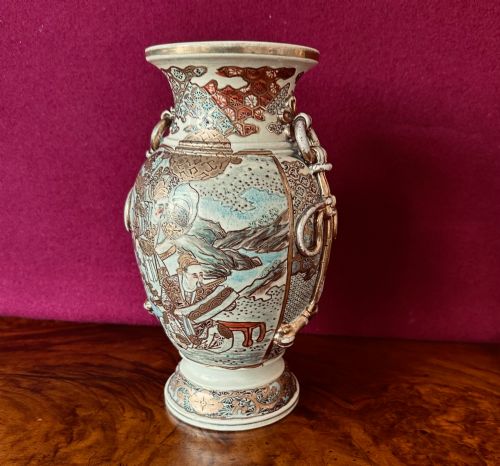
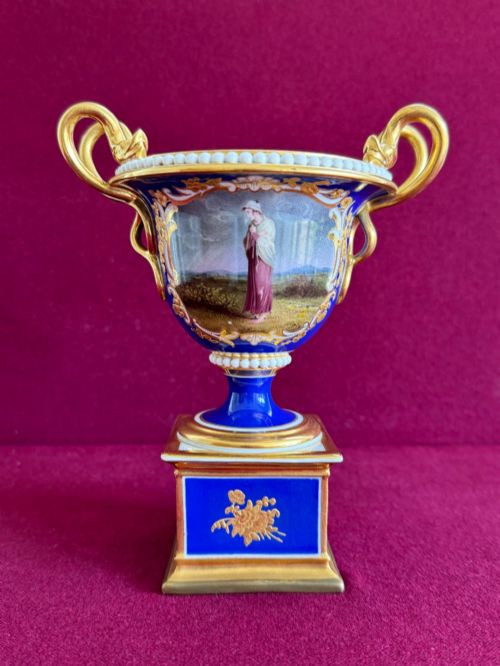
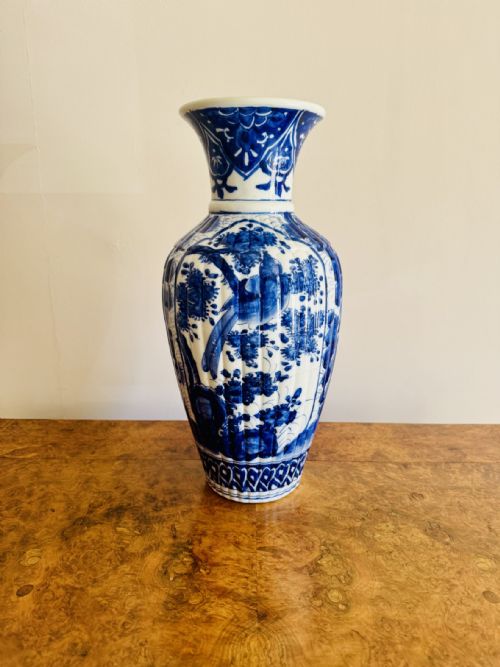
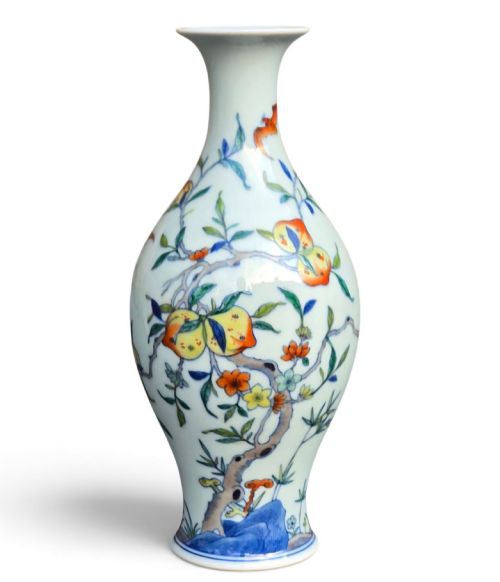
The antique decorative urn vase category encompasses a diverse range of sculptural vessels designed primarily for visual display rather than utility. These pieces draw heavily on historical vocabularies, spanning neoclassical silhouettes, Japanese Meiji period bronzes, and nineteenth-century European ceramic traditions.
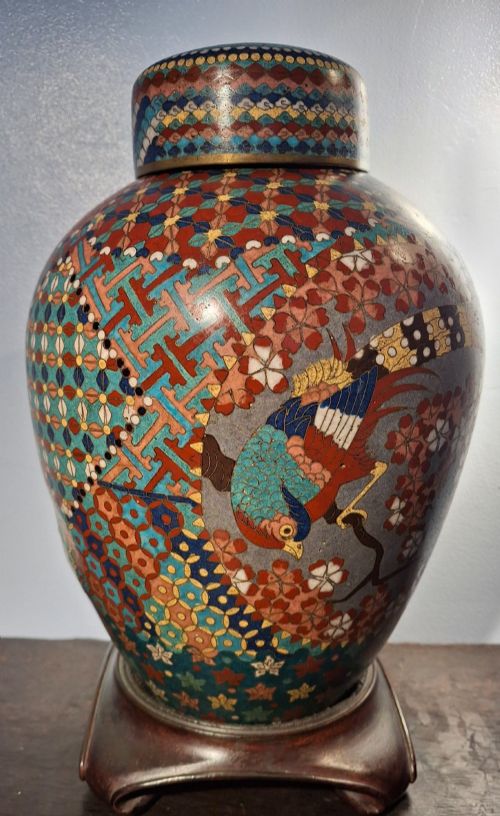
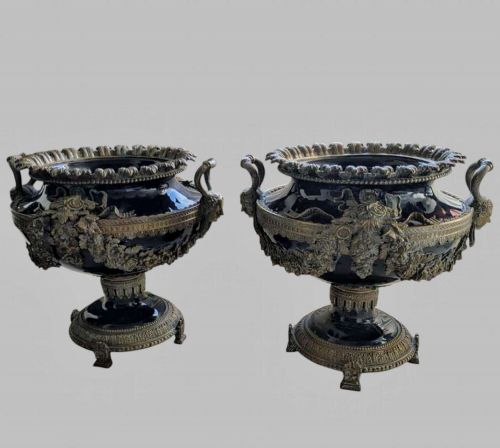
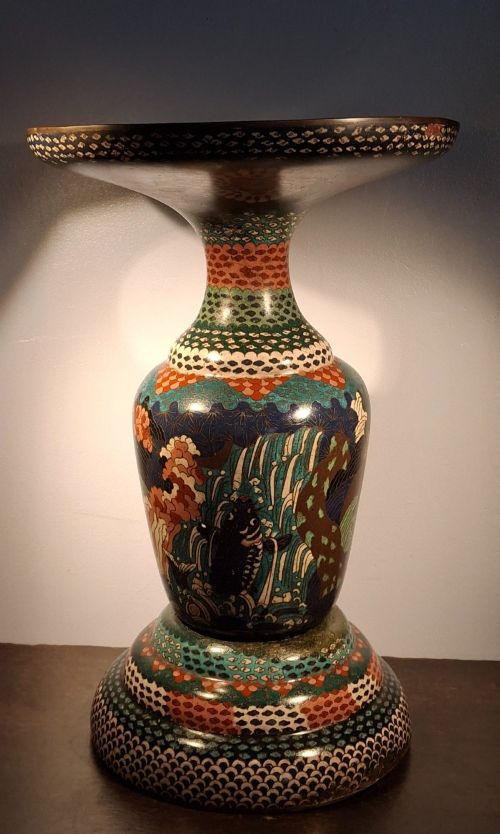
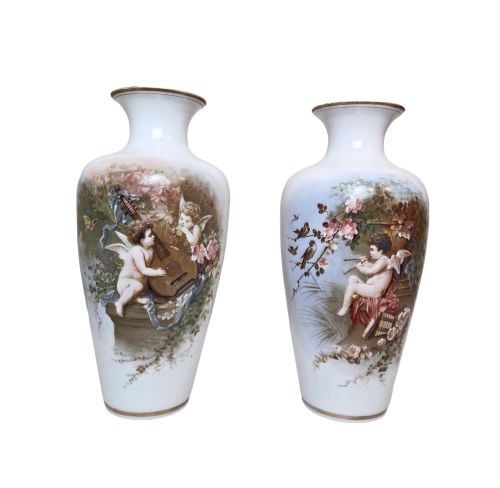
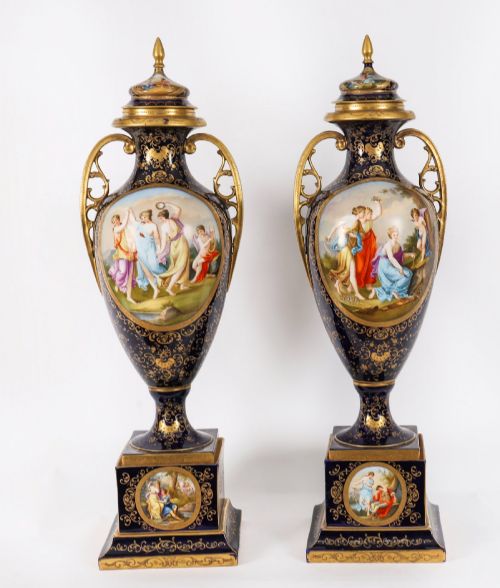
Buyers will most frequently encounter nineteenth-century porcelain and bronze examples, often paired as garnitures or finished with gilt mounts. Forms range from monumental floor-standing Japanese Imari jars to smaller English stoneware and French faience vessels.
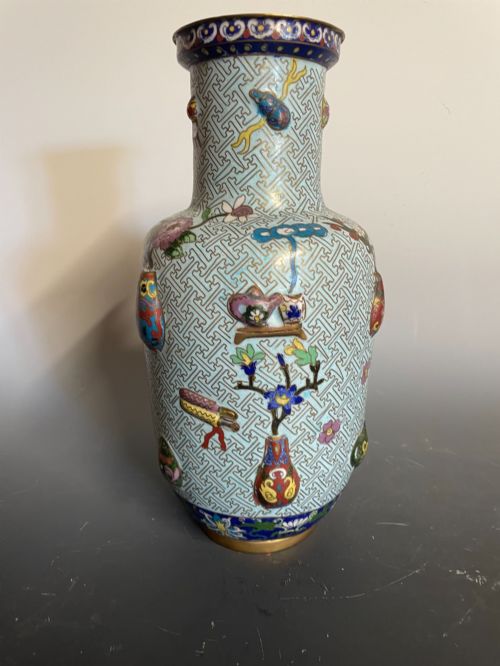
Makers utilised various regional styles, incorporating Chinese baluster shapes, Austrian hand-painted flasks, and grand tour bronze Warwick vases into domestic interiors.
Materials and Techniques
Makers shaped these vessels using traditional ceramic and metalworking methods, relying on porcelain, earthenware, stoneware, and various copper alloys. Glazes, enamel, and gold leaf frequently finish the ceramic bodies, adding surface depth and colour.
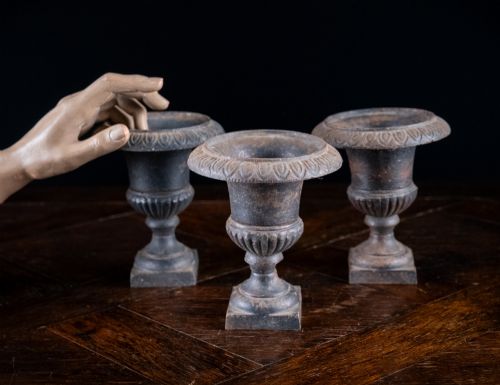
Metal vessels often combine cast bronze, gilt bronze, or bronzed spelter with applied mounts, champlevé enamelling, or silver cabochons. Turned walnut wood and carved marble also appear, demonstrating the breadth of physical media employed across different workshops.
One nineteenth-century French jar incorporates actual sea shells into its folk art decoration, merging maritime curiosities with classical vessel forms.
Evaluating Craftsmanship
Quality rests in the crispness of the casting, the precision of hand-painted detailing, and the integration of secondary mounts. Superior pieces display meticulous brushwork on porcelain and sharply defined relief work on bronzes.
The weight of the material, the harmony of the proportion, and the preservation of original gilding or patination distinguish finer examples from standard production pieces.
Royal Crown Derby·Royal Doulton·Flight Barr and Barr·Royal Worcester·Wedgwood
The Antique Decorative Urn Vase Glossary
- Baluster
- A vase form with a rounded body that tapers toward the base and swells outward below a narrow neck. This silhouette echoes classical architectural pillars.
- Champlevé
- An enamelling technique where troughs are dug into a metal surface and filled with vitreous enamel before firing. The metal ridges separate the coloured glass areas.
- Garniture
- A set of matched vases or urns designed to be displayed together on a mantelpiece or sideboard. They typically comprise three or more graduated pieces.
- Majolica
- Tin-glazed earthenware decorated with brightly coloured metal oxide paints on an opaque white background. Italian examples are particularly noted for their historical tin glaze traditions.
- Spelter
- A zinc alloy used as a cheaper substitute for bronze in decorative metalwork. It is frequently given a bronze-like patina to simulate heavier metal.
Antique Decorative Urn Vase: Frequently Asked Questions
How were antique urns originally used?
These vessels served primarily as decorative ornaments on mantelpieces, sideboards, and pedestals within wealthy homes. Many were designed purely to display artistic craftsmanship rather than to hold cut flowers.
Larger floor-standing examples anchored empty corners of grand hallways, while smaller paired vases created symmetrical focal points in formal reception rooms.
What is a garniture set?
A garniture is a matching group of three, four, or five vases and jars manufactured together as a decorative display suite. They were arranged in a specific symmetrical order across a fireplace mantel.
Finding a complete, surviving garniture is uncommon because individual pieces often became separated over generations of inheritance or house moves.
How do I distinguish bronze from spelter?
Bronze is a heavy copper and tin alloy that develops a warm, stable patination over centuries and rings with a clear tone when tapped. Spelter is a lighter zinc-based metal that feels softer and cooler to the touch.
Look underneath the base where the metal is exposed; spelter often reveals a greyish-white interior beneath worn patination layers.
How do I clean antique ceramic vases?
Dust these delicate surfaces gently using a soft, dry artist's brush to avoid disturbing fragile gilt highlights or painted enamels. Avoid using water, abrasive cloths, or modern chemical cleaners on antique glazes.
If stubborn grime requires intervention, consult a professional conservator to prevent stripping nineteenth-century enamel or gold leaf.