
Antique Dancer Figurine
When you handle an antique dancer figurine, you hold a tangible piece of movement preserved in metal, stone, or ceramic.
Antique Dancer Figurine
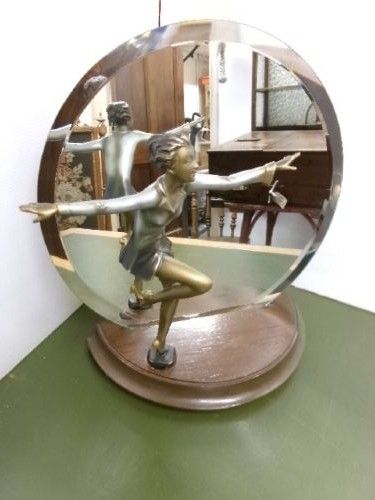
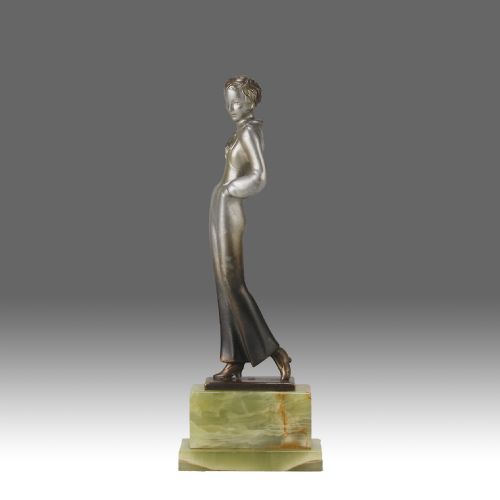
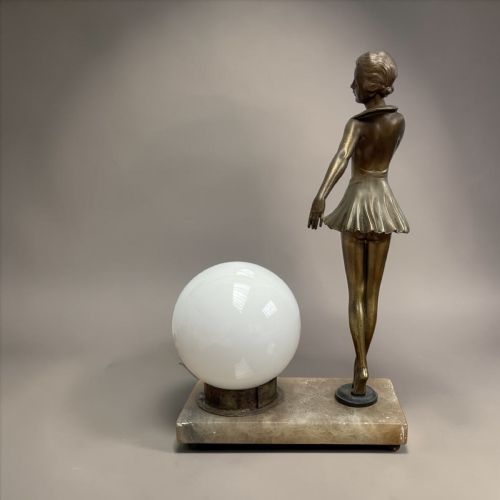
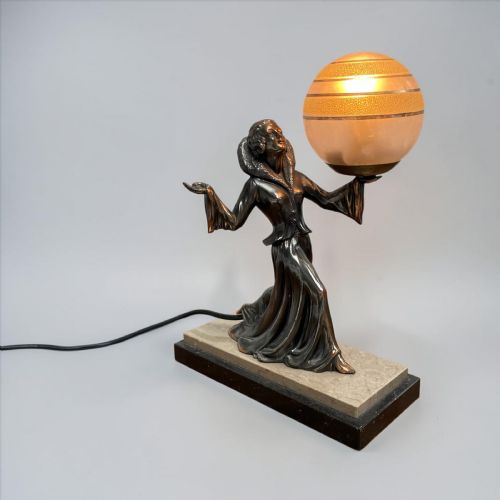
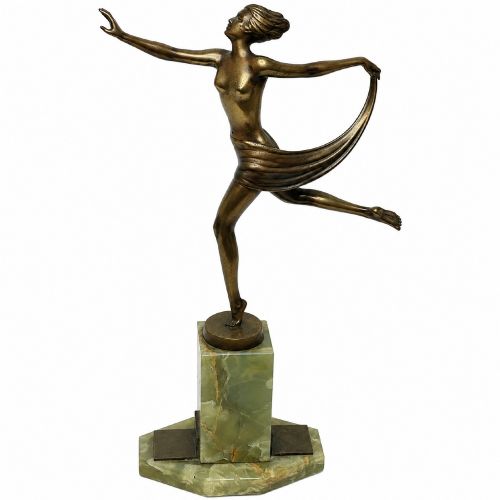
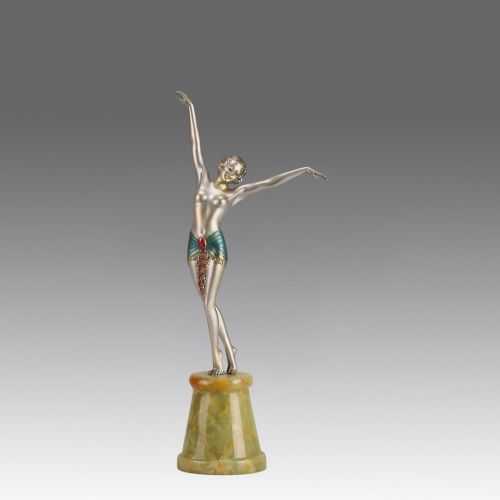
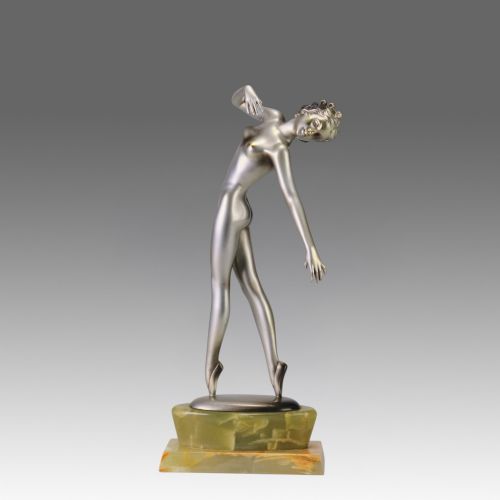
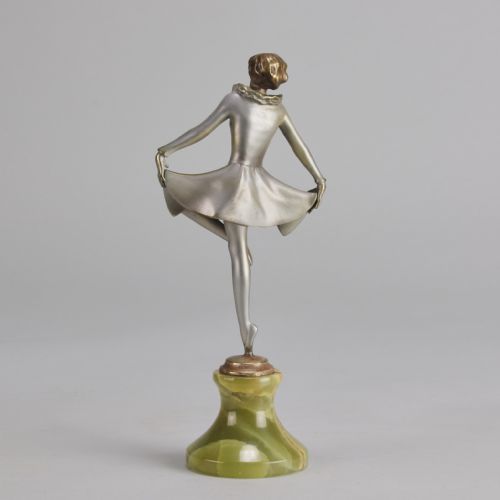
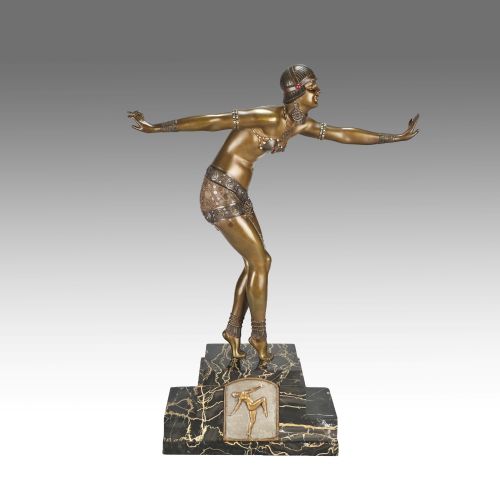
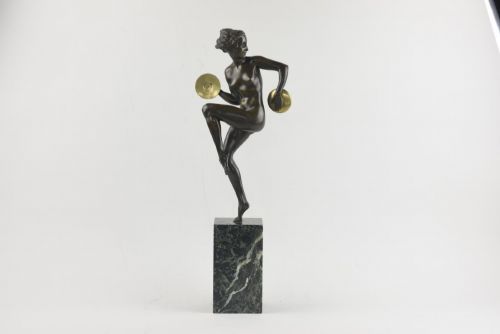
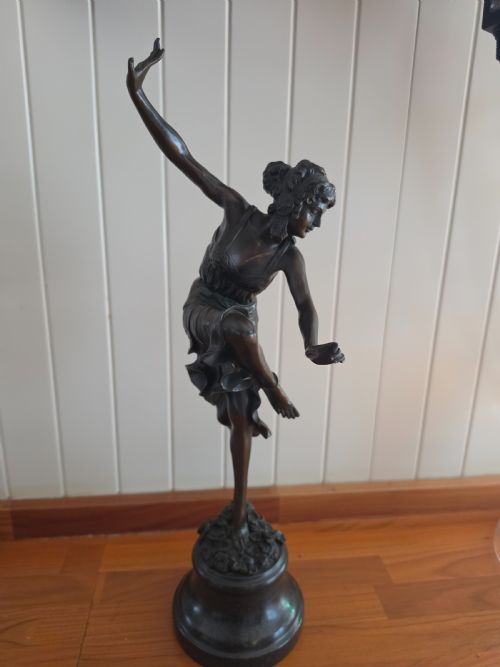
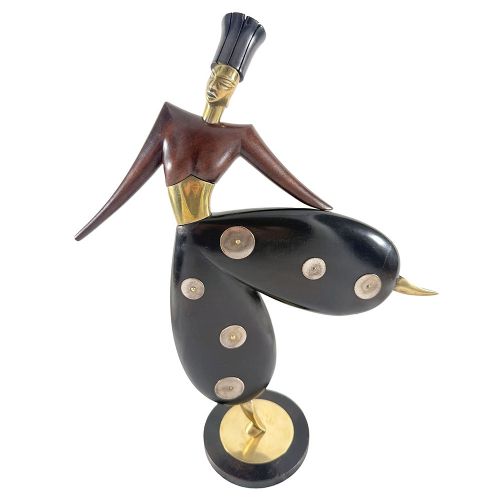
An antique dancer figurine captures human motion in solid form, spanning classical mythological subjects, traditional cultural dances, and theatrical performances. You find these sculptures cast as standalone figures, mounted upon stone pedestals, or integrated into functional objects such as table lamps.
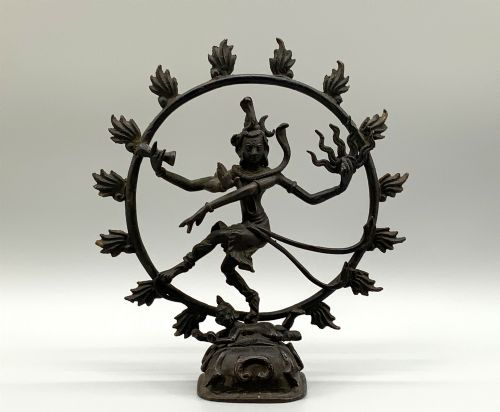
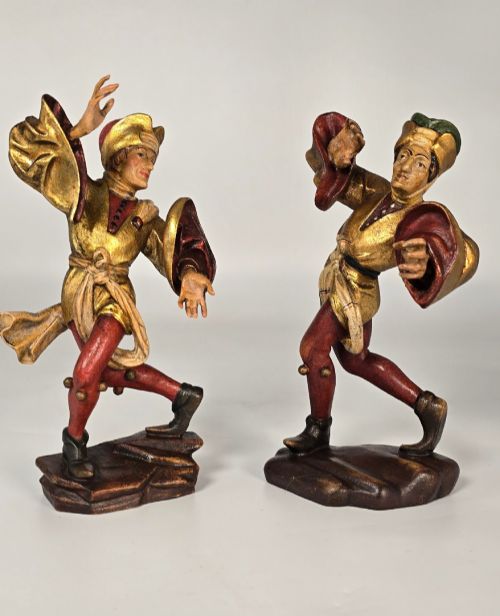
Earlier examples bridge the nineteenth century and the Georgian period, shifting from traditional porcelain pairs to classical revival bronzes. Collectors also encounter regional woodcarvings and specialised bronze figures depicting specific historical or mythological dancers.
How they were made
Carved pieces utilise dense materials such as limewood or alabaster, shaped by hand to display the folds of traditional costumes and fluid limbs. Porcelain and ceramic examples involve high-temperature firing and hand-painted enamel decoration, producing glossy surfaces on historical figures and candlesticks.
Listings span the Georgian period, the nineteenth century, and early twentieth-century decades up to 1940, incorporating Art Deco and Art Nouveau styles.
What varies in quality
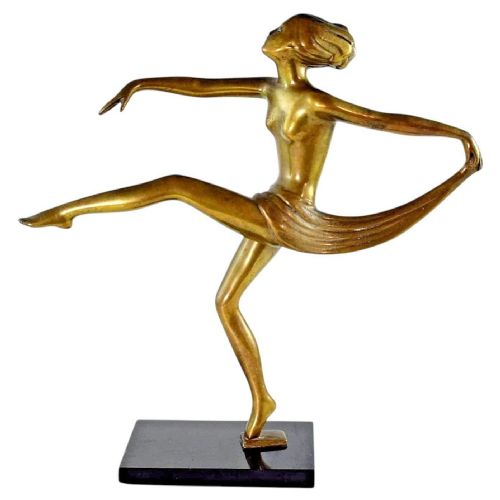
The standard of a casting determines how crisply the fingers, drapery, and facial expressions emerge from the metal without soft edges or surface pitting. Superior examples maintain balance and proportion in complex, extended poses, whereas lesser pieces rely on bulkier supports to maintain structural integrity.
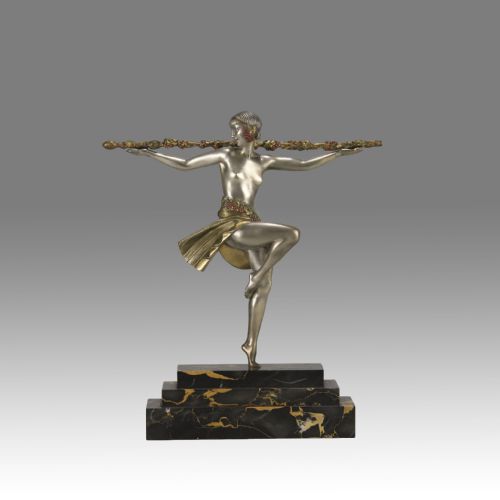
Surface finish separates ordinary production from masterwork execution, particularly in the precision of cold-painted enamel colours and the matching of natural veining in marble or onyx bases. Signature marks and foundry stamps also influence the standing of a piece within its period.
Pierre le Faguays·Josef Lorenzl·Demetre Chiparus·Aurore Onu·C J R Colinet·Paul Philippe·Rene Andre Varnier·Paul de Boulogne·Vion & Baury Paris
The Antique Dancer Figurine Glossary
- Cold-painted bronze
- A technique where oil paint is applied to a bronze sculpture after casting without subsequent firing, allowing for intricate polychrome clothing and hair details.
- Spelter
- An alloy of zinc and lead used as an economical substitute for bronze in decorative figures, often given a bronze-coloured or silvered finish.
- Chryselephantine
- A sculpture combining bronze and ivory elements, frequently utilised by Art Deco artists to render flesh alongside metallic garments.
- Alabaster
- A fine-grained, translucent stone carved into smooth sculptural bases and figures, prized for its soft, light-diffusing qualities.
- Base
- The foundational block of marble, onyx, or wood that supports the weight of a standing or leaping figure.
Antique Dancer Figurine: Frequently Asked Questions
What materials make up these dancer figures?
Makers utilised a diverse palette of materials depending on the period and the workshop traditions. Bronze, silvered bronze, gilt bronze, and spelter form the metal bodies, frequently mounted on marble or onyx.
Other examples use carved limewood, alabaster, or porcelain, sometimes combining media such as bronze and ivory in chryselephantine sculptures.
Were these figures used as lamps?
Several pieces combine sculptural artistry with domestic utility by incorporating lighting elements into the composition. These table lamps position the dancer figure alongside or beneath a shade structure, integrating illumination into the metal or ceramic form.
Such objects served both decorative and practical functions in twentieth-century interiors.
How do regional styles differ?
Regional pieces reflect specific cultural dances and local crafting techniques outside of European academic traditions. The evidence includes nineteenth-century Indian bronzes of Hindu deities alongside carved Indonesian Janger dancers and Swiss Black Forest woodcarvings.
These works utilise local woods, metals, and iconography specific to their geographic origin and period.