


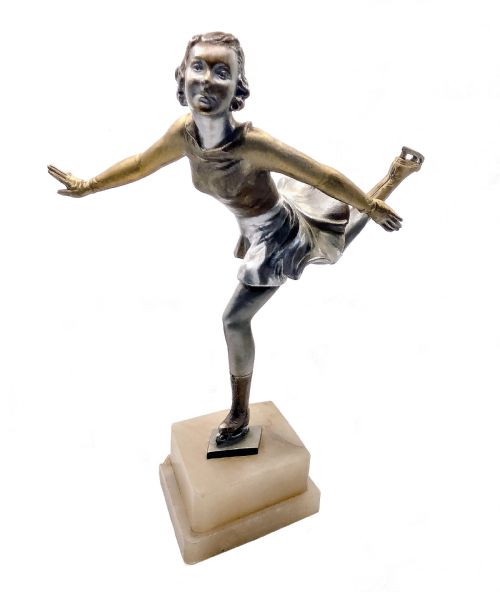


Lorenzl Bronze Statue
A lorenzl bronze statue captures the dynamic elegance of the Art Deco era through the distinct vision of an Austrian master.
Lorenzl Bronze Statue
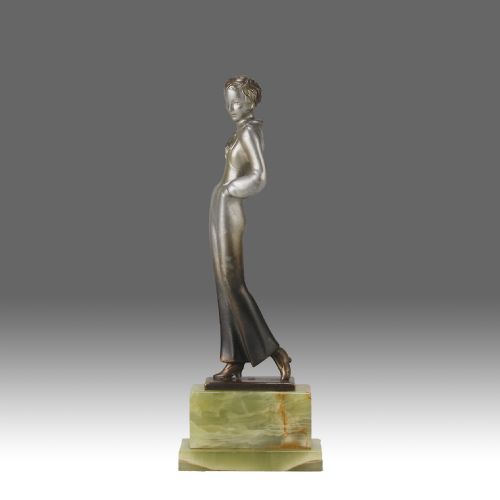
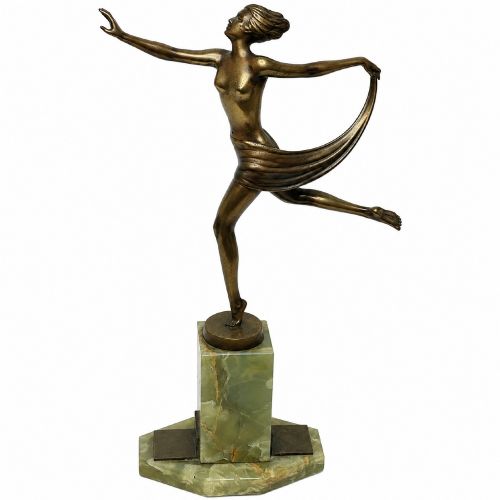
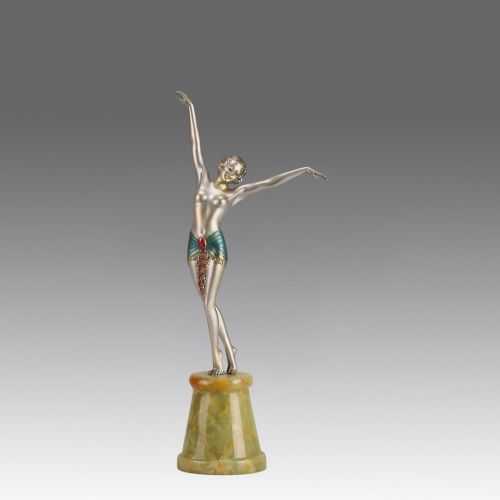
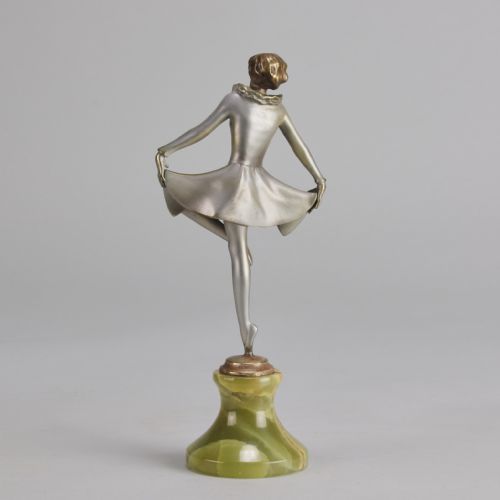
When you search for a lorenzl bronze statue, you encounter expressive figural sculptures that capture dancers, performers, and young ladies in quintessential Art Deco postures. These pieces emerge predominantly from the 1920s and 1930s, reflecting the modernist appetite for movement and theatricality.
The figures frequently take the form of dancers, ice skaters, and figurative studies such as Trouser Girl, Egyptian Dancer, and Phoebe. Most examples stand upon bases of onyx or marble, providing a solid architectural contrast to the slender, elongated forms above.
While original bronze and cold-painted bronze versions define the core of these listings, you also encounter alternatives cast in spelter or finished with silvered bronze and gilt. Attribution plays a role alongside signed works, with select pieces linked directly to Josef Lorenzl.
What varies in quality
The distinction between tiers rests upon the fidelity of the cast and the preservation of the delicate cold-painted or silvered surfaces. Finer examples display crisp facial expressions and precise detailing in the clothing of dancers like the Egyptian Helen or the scarf dancer.
The choice of base material also separates standard production from superior output, with high-grade onyx and heavy bronze castings outperforming lighter spelter alternatives with plain wooden or simpler mounts. Signature placement and distinct foundry marks further elevate specific items.
Josef Lorenzl
The Lorenzl Bronze Statue Glossary
- Cold-painted bronze
- A technique where bronze figures are painted with oil-based colours after casting, without subsequent firing. This surface decoration is susceptible to rubbing and flaking over decades.
- Spelter
- An alloy of zinc and lead used as a cheaper alternative to bronze during the twentieth century. It is lighter and softer than bronze, requiring careful handling.
- Onyx
- A banded variety of chalcedony frequently used for the heavy bases of Art Deco sculptures. Its natural striations provide a decorative platform for the metal figures.
- Art Deco
- The dominant design style of the 1920s and 1930s characterised by stylised forms, clean lines, and an embrace of modernism. This aesthetic informs the posture and attire of every listed figurine.
Lorenzl Bronze Statue: Frequently Asked Questions
How do I identify a genuine piece?
Authentic pieces from this maker typically exhibit the characteristic slender proportions and fluid dance poses associated with Art Deco design. Look closely at the casting quality and the application of cold paint or silvering.
Signatures vary, as some figures remain unsigned while others bear the artist's mark. Comparing the base materials, such as genuine onyx or marble, helps confirm period standards.
How should I display my statue?
Place your sculpture on a stable, level surface away from direct sunlight to protect the delicate cold-painted finishes. A dedicated cabinet or a sturdy console table works well for highlighting the slender profiles.
Ensure the heavy stone bases are fully supported and protected from accidental knocks. Minimal handling preserves both the metal patina and the painted surfaces.
What periods do these pieces date from?
The listings span the 1920s and 1930s, capturing the height of the Art Deco movement in Europe. This timeframe encompasses the roaring twenties cabaret culture and the streamlined elegance of the thirties.
Items from both decades share stylistic traits centred on motion, dance, and theatrical performance. Dating relies on stylistic attribution, costume details, and materials characteristic of those specific interwar years.