


Antique Cushion Wall Mirror
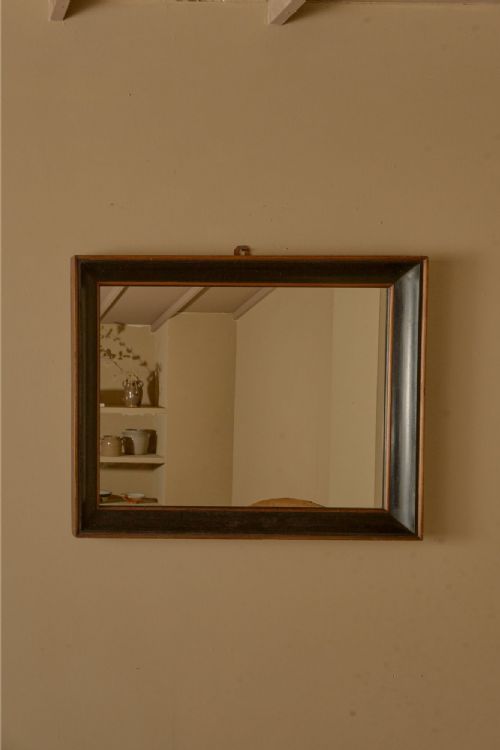
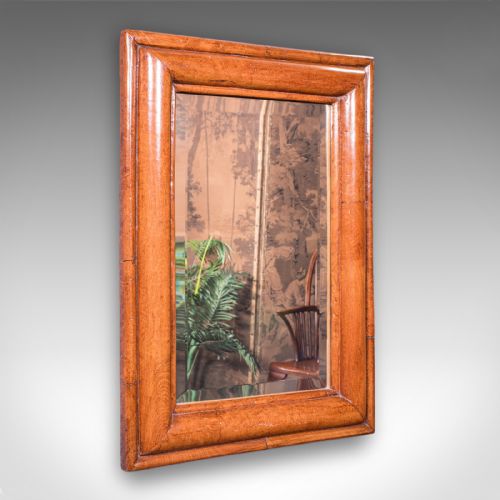
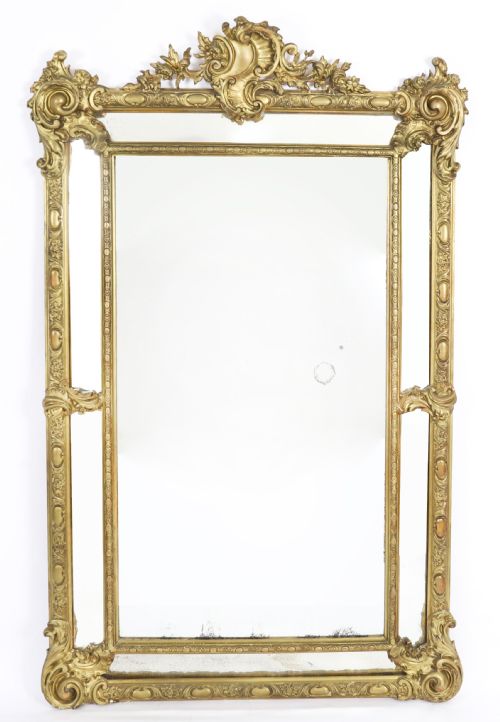
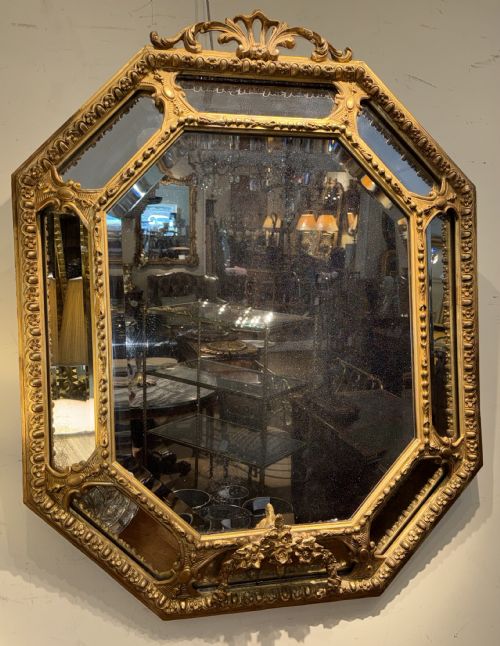
An antique cushion wall mirror brings depth and structured reflection to a room through its distinctive, rounded profile.
Antique Cushion Wall Mirror
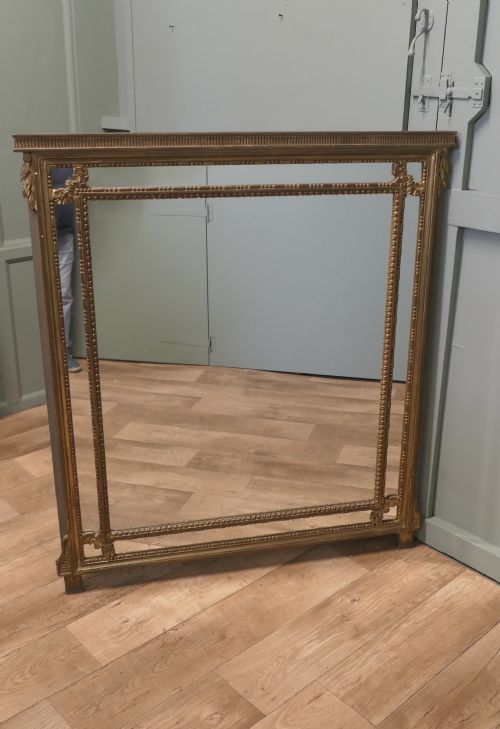
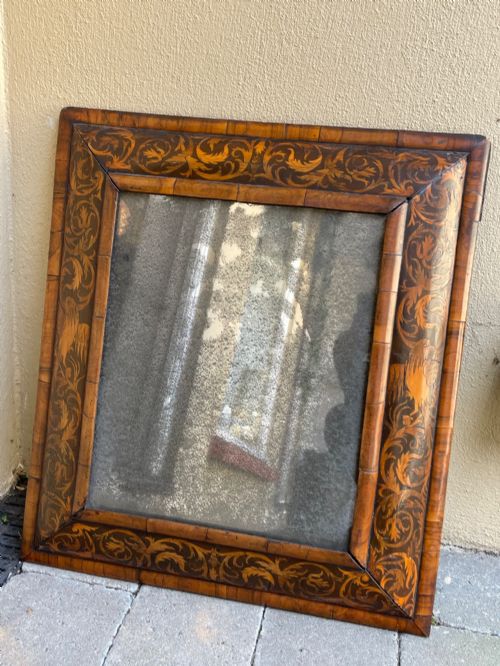
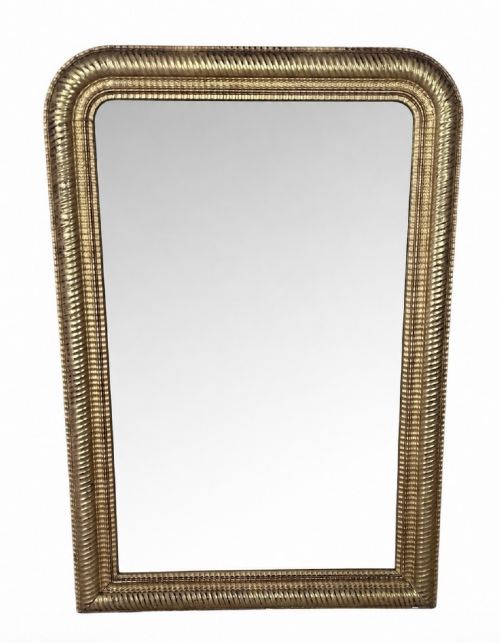
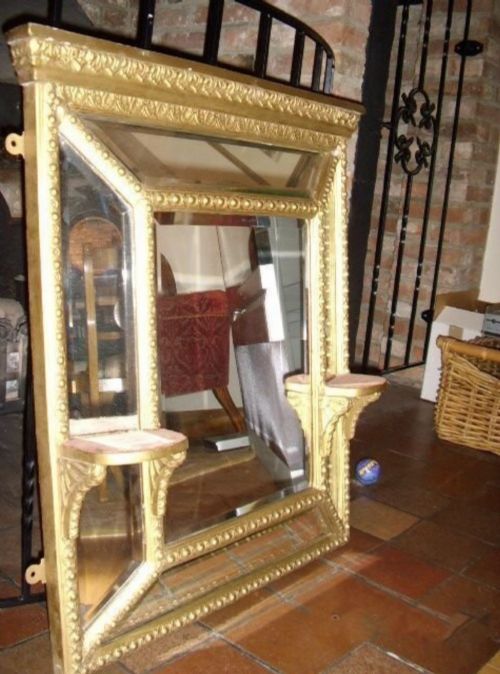
The pieces on this page span several centuries and regional traditions, frequently appearing in nineteenth-century French and Victorian iterations alongside earlier William and Mary revivals. Wall mirrors, overmantels, and vanity pieces dominate the selection, each utilising the characteristic convex moulding to catch and refract light.
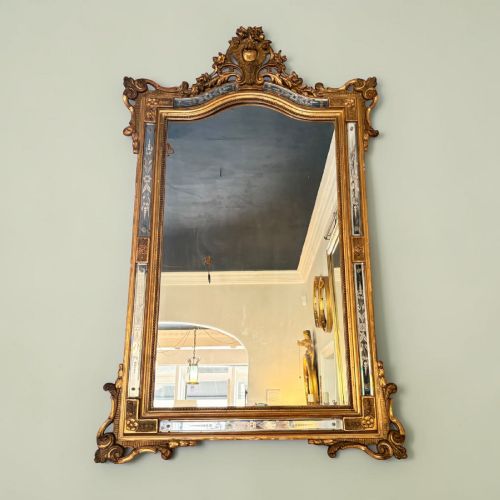
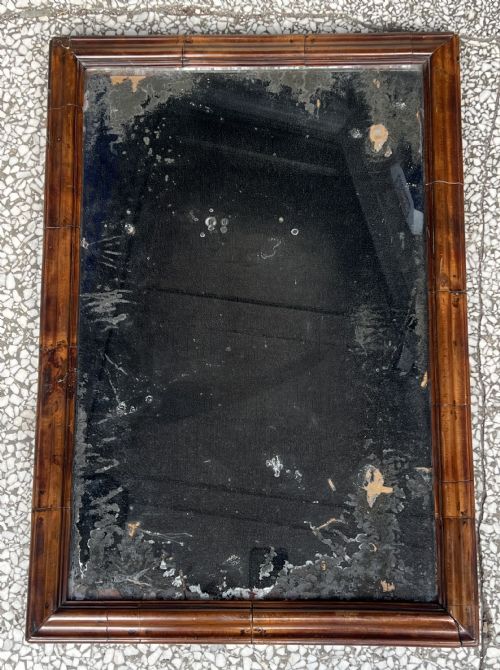
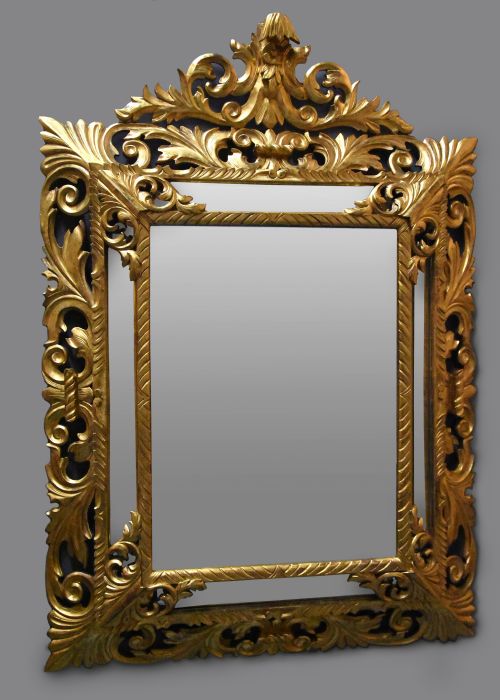
Makers and workshops from Italy, France, England, and the Netherlands adapted the profile across different eras, resulting in variations from restrained walnut veneers to elaborate giltwood carvings. The core design remains consistent in its outward swell, framing the reflective glass with tangible volume.
Materials and construction methods
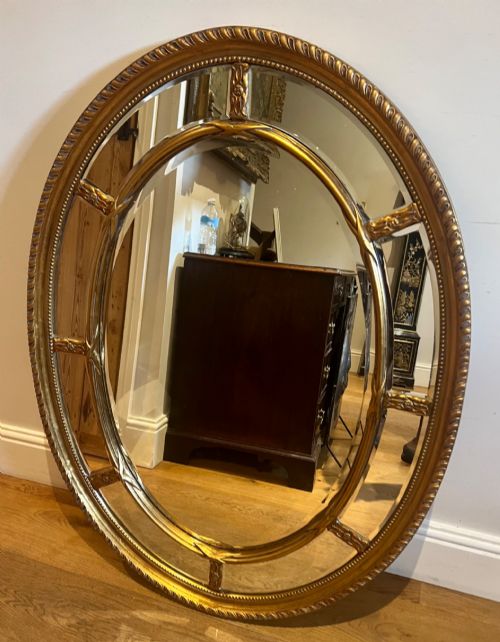
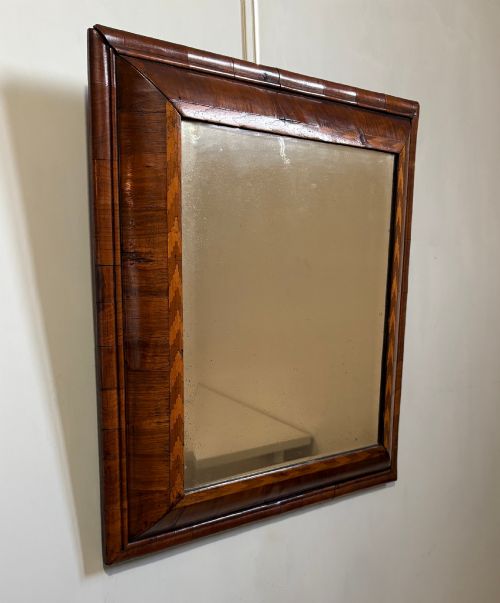
Makers built the foundational frames of these mirrors using timber substrates such as oak, mahogany, walnut, or pine, often applying complex veneers like oyster cutwork or marquetry inlays. Gesso and gold leaf were then layered over the wood to create smooth, gilded surfaces that could be burnished to a high sheen.
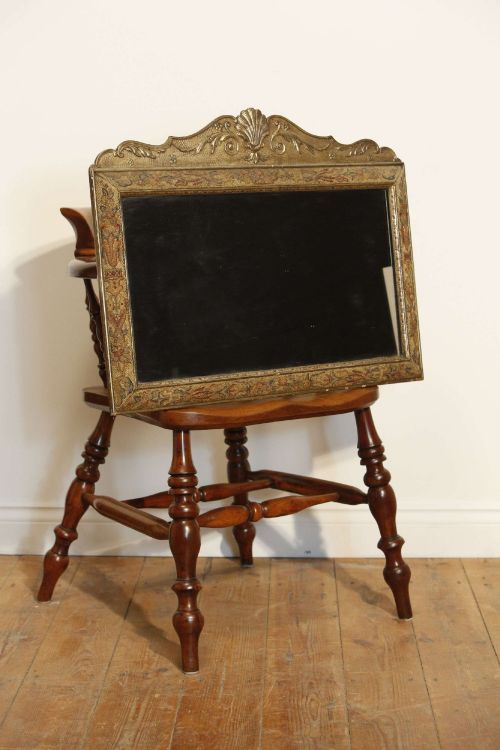
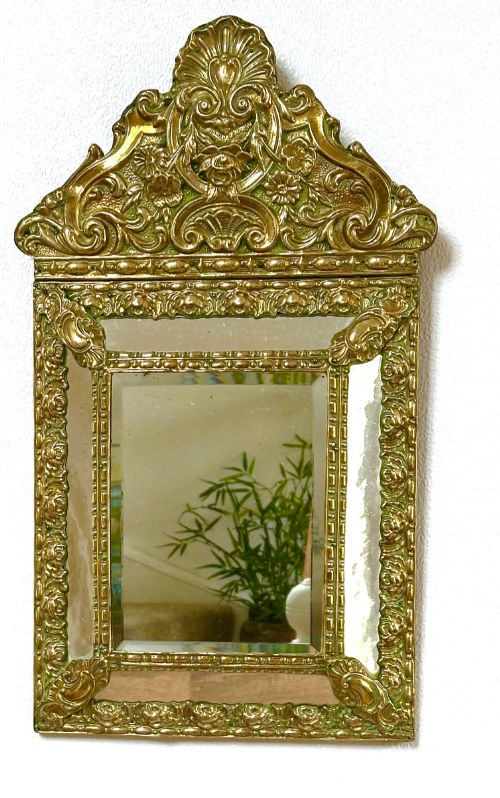
Metalwork frames also appear, utilising brass, repoussé techniques, and pressed metal sheeting secured over wooden cores to form decorative Flemish and Dutch style mouldings. Glass plates, including bevelled and mercury mirror glass, were hand-set into the frames to complete the construction.
Antique Cushion Wall Mirror Retail Price Guide 2026
Typical asking prices for cushion wall mirror among the pieces listed under this phrase on Sellingantiques today, from the lower quarter to the upper quarter. They describe what is for sale here now, not the wider market.
Distinctions in craftsmanship and preservation
The distinction between standard examples and superior pieces rests in the depth and precision of the frame's carving or veneer work. Intricate marquetry, crisp repoussé detailing, and deep, hand-cut bevels on the glass indicate a higher standard of workshop production.
The preservation of the original surface finish, whether undisturbed giltwood or aged walnut patina, dictates the integrity of the piece. Integrated crests, original mirror plates, and robust structural joinery separate exceptional survivals from heavily restored items.
The Antique Cushion Wall Mirror Glossary
- Cushion frame
- A mirror frame with a convex, rounded profile that swells outward from the wall toward the glass plate. This volumetric shape is also known as a ripple or swept moulding.
- Giltwood
- Timber that has been coated with fine layers of gesso and covered in gold leaf. It is frequently burnished to create a bright, reflective metallic surface.
- Repoussé
- A metalworking technique where the metal is hammered from the reverse side to form raised decorative reliefs. It is commonly seen on brass and copper frames.
- Oyster veneer
- Cross-sections of small branches or roots sliced horizontally to reveal concentric circular grain patterns. These pieces are arranged closely together to form decorative patterns on wooden furniture.
- Bevelled glass
- A mirror plate whose outer edges are cut and polished at an angle to create a thinner, sloped border. This technique refracts light and adds decorative dimension to the reflection.
Antique Cushion Wall Mirror: Frequently Asked Questions
How should I clean an antique mirror glass?
Clean antique glass gently using a soft microfiber cloth and a minimal amount of distilled water or mild, non-ammonia glass cleaner. Spray the liquid onto the cloth rather than directly onto the glass to prevent moisture seeping behind the plate.
Avoid commercial chemical cleaners, as they can damage degraded silvering or seep into the wooden joints and gesso surrounds. Take care around the edges where the silver backing is often fragile and prone to oxidation.
How do I identify the period of a cushion mirror?
Dating relies on examining the construction methods of the wooden substrate, the composition of the gesso, and the characteristics of the glass plate. Seventeenth-century examples often feature walnut or oyster veneers, while nineteenth-century pieces frequently display heavier giltwood carvings or pressed brass.
Inspect the reverse of the frame for original backboards, old fixings, and tool marks that reveal the manufacturing era. Hand-beveled edges and mercury silvering also provide reliable chronological clues for older plates.
Where is the best place to hang an overmantel cushion mirror?
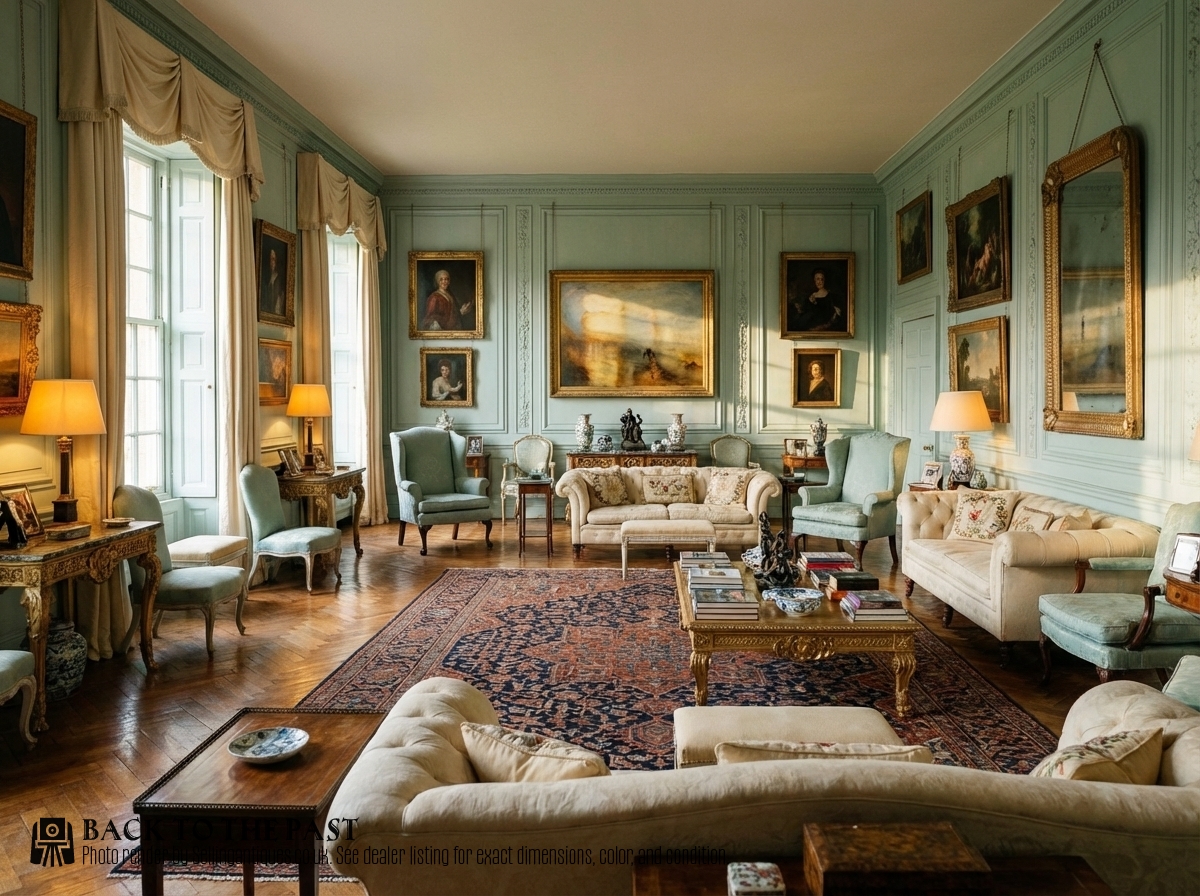
An overmantel cushion mirror is traditionally positioned directly above a fireplace mantelpiece to anchor the room's focal point. The expansive surface reflects light from windows across the space, making the room feel brighter and more voluminous.
Ensure the mantelpiece can support the scale of the frame and that the mirror is hung securely at a balanced height above the hearth. They also function effectively above large sideboards or in spacious reception halls.