

Antique Crystal Wine Glass
An antique crystal wine glass brings weight to the table, formed from lead glass and cut with geometric facets across centuries of drinking customs.
Antique Crystal Wine Glass
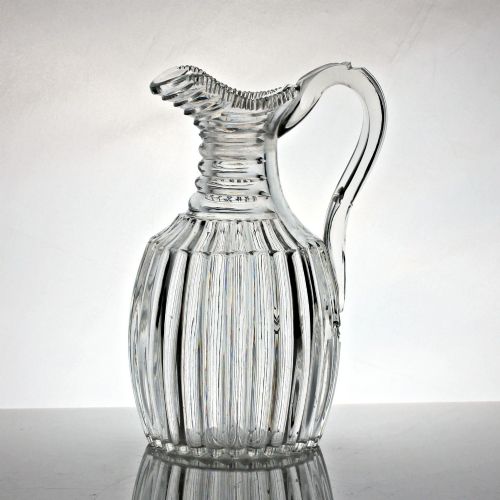
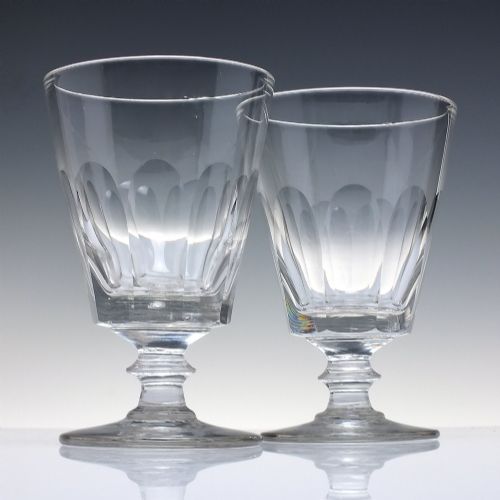
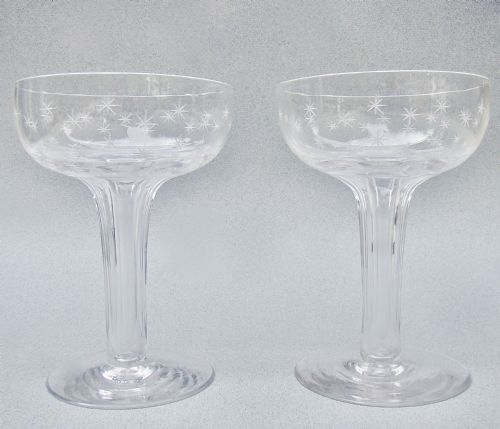
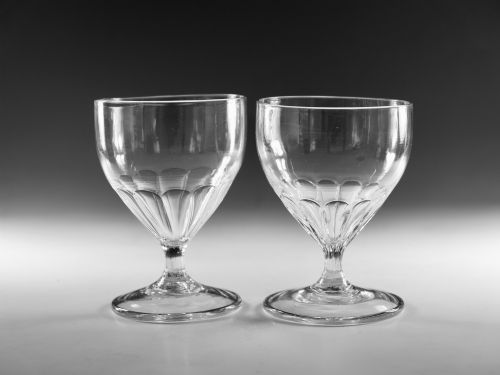
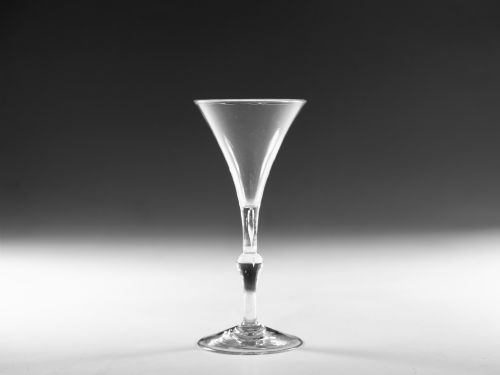
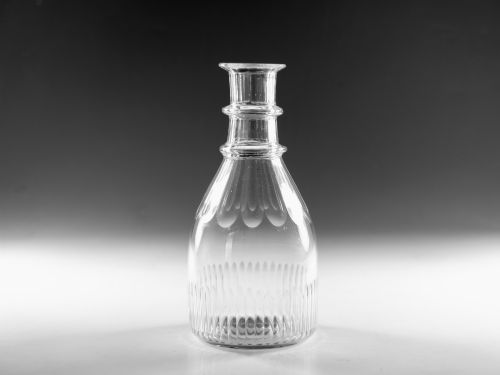
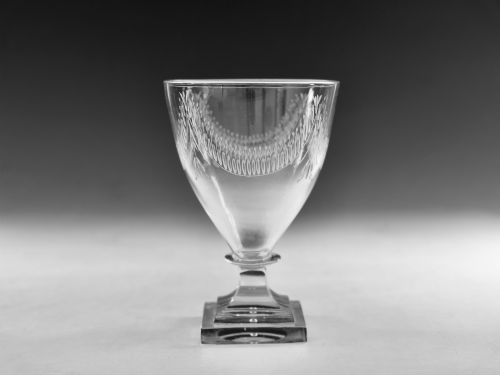
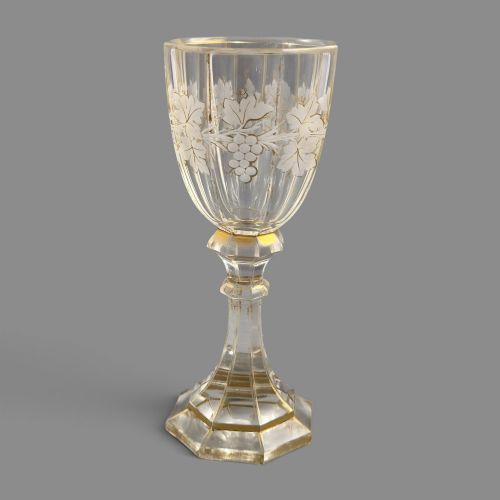
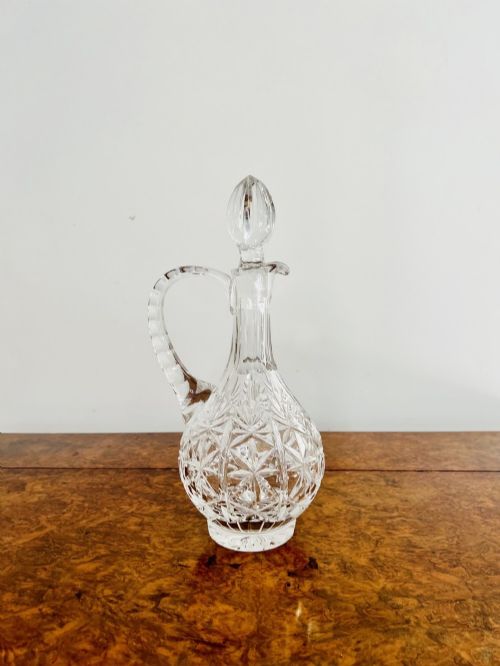
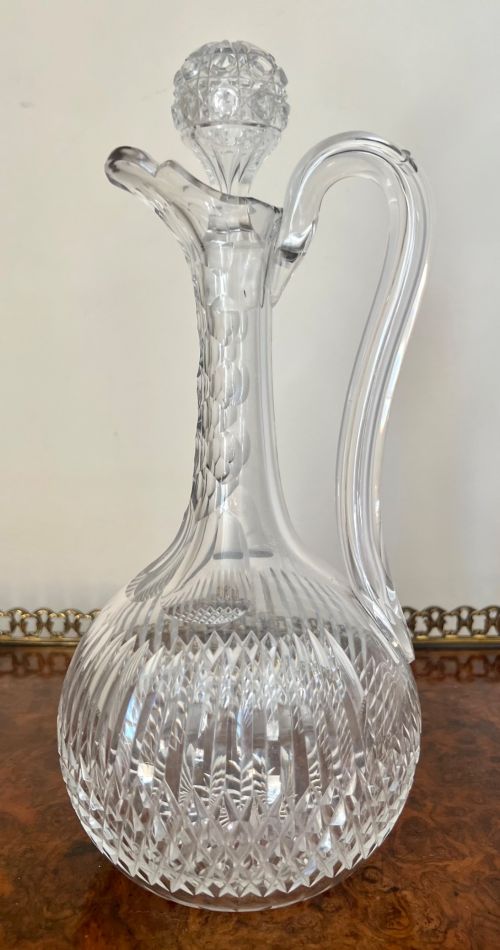
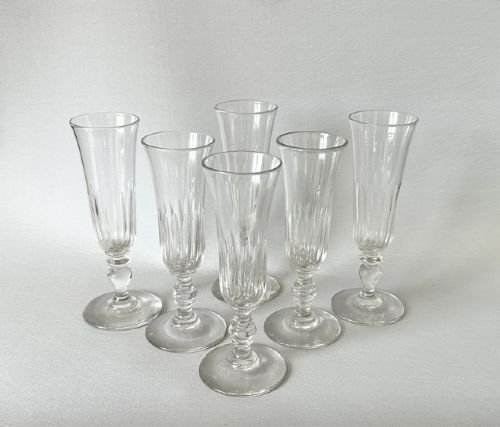
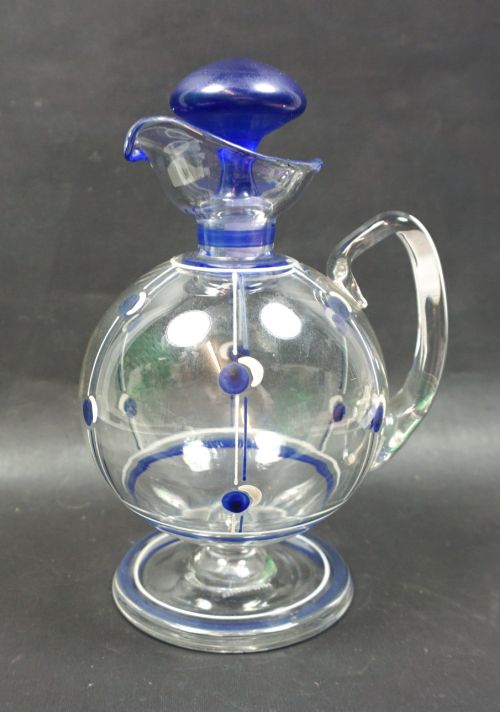
When you search for an antique crystal wine glass, you encounter drinking vessels spanning the Georgian, Victorian, and Edwardian eras, alongside pieces from Continental makers. The selection includes stemware featuring twisted stems and engraved bowls, alongside related serving vessels such as decanters and claret jugs.
The pieces you meet most often on this page date from the eighteenth and nineteenth centuries, reflecting shifts in dining habits and production techniques. English lead glass and Bohemian crystal dominate the forms, offering clear bowls, coloured overlays, and faceted stems designed to catch the light.
Materials and technique
Grounded in lead crystal, flint glass, and clear glass, these vessels rely on high lead content to achieve weight, clarity, and resonance. Makers shaped the molten material by hand, employing blowing irons and moulds to establish the primary form of the bowl, stem, and foot.
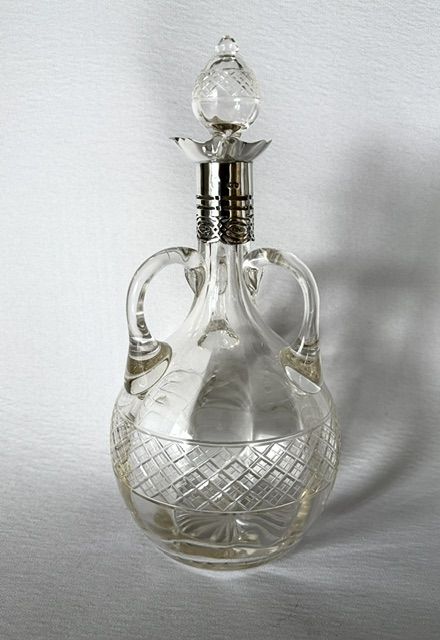
Decoration required wheel-cutting, engraving, and enamelling, with artisans grinding facets, stars, and floral motifs directly into the surface. Silver collars, mounts, and electroplated hardware were frequently added to decanters and jugs to finish the piece.
Materials recorded across the inventory include lead crystal, flint glass, coloured glass overlays, and sterling silver mounts.
Assessing the craftsmanship
Quality rests in the purity of the metal and the precision of the cutting, where superior vessels display crisp, sharp facets that remain smooth to the touch rather than shallow or blurred. The balance of the stem, the thinness of the rim, and the symmetry of the foot indicate the skill of the glasshouse.
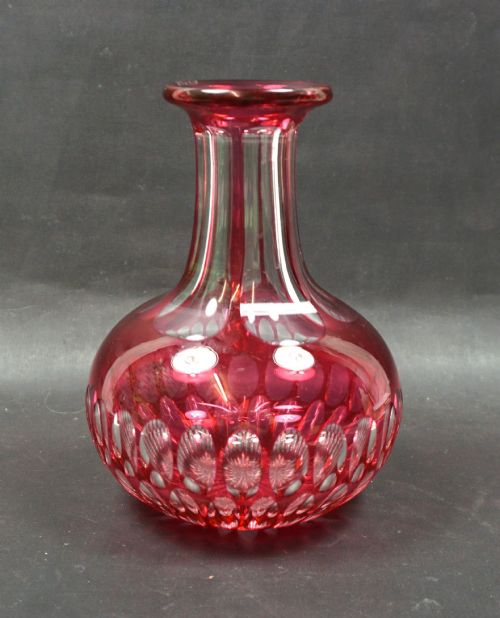
In decorated examples, the fineness of the hand-engraving or the depth of the coloured glass overlay separates standard production from exceptional work. Greater weight and resonant ring signal a higher lead content, distinguishing better specimens from lighter, simpler wares.
Asprey and Co. Ltd·Moser·Baccarat·Theresienthal
The Antique Crystal Wine Glass Glossary
- Lead glass
- Glass containing lead oxide, which increases brilliance, weight, and the time available for working the hot metal. It forms the basis of heavy drinking vessels.
- Air twist
- A spiral formation of tiny air bubbles trapped within the stem of a glass during manufacture. It is created by drawing and twisting heated glass rods.
- Opaque twist
- A stem decoration formed by enclosing white or coloured enamel threads within clear glass. These threads are twisted into complex linear patterns before the stem is pulled.
- Prism cut
- A linear cutting technique producing sharp, prismatic facets that refract light. It appears frequently on the stems and bodies of Georgian drinking vessels.
- Roemer
- A large, bulbous German or Bohemian wine goblet featuring a patterned stem and a wide conical foot. They often utilise green or amber glass.
Antique Crystal Wine Glass: Frequently Asked Questions
Can I still use these glasses for daily dining?
Many people enjoy using period stemware for special occasions, provided the glass is handled with care during washing and serving. Their sturdy lead composition makes them surprisingly robust for formal dinners.
For fragile or heavily gilded pieces, display or careful handling is often preferred to protect the historical surface decoration from wear.
How can I tell an air twist stem from a plain stem?
An air twist stem contains deliberate internal threads of elongated bubbles that spiral down the glass. These are visible when held to the light.
By contrast, a plain stem consists of smooth, solid glass without internal optical effects, typical of earlier Georgian tavern and wine glasses.
What does coloured overlay mean on glassware?
Coloured overlay involves fusing a thin layer of coloured glass, such as cranberry or green, over a clear crystal body. The maker then cuts through the outer layer to reveal the clear glass beneath.
This technique creates striking contrast patterns, particularly popular in Bohemian and Victorian production.