


Antique Crystal Scent Bottle
An antique crystal scent bottle combines practical vanity with heavy cut glass, silver mounts and coloured glass.
Antique Crystal Scent Bottle
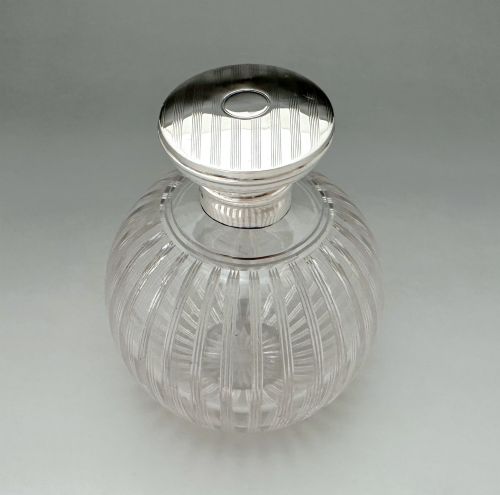
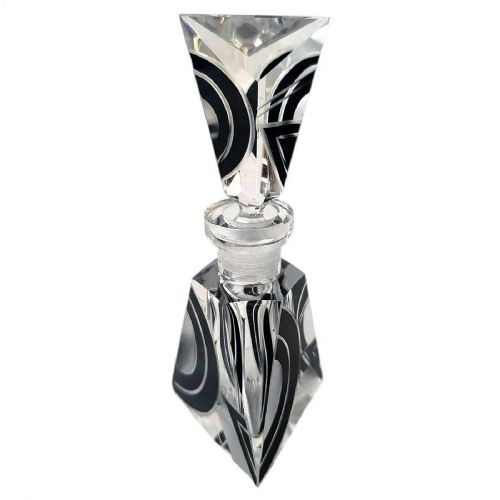
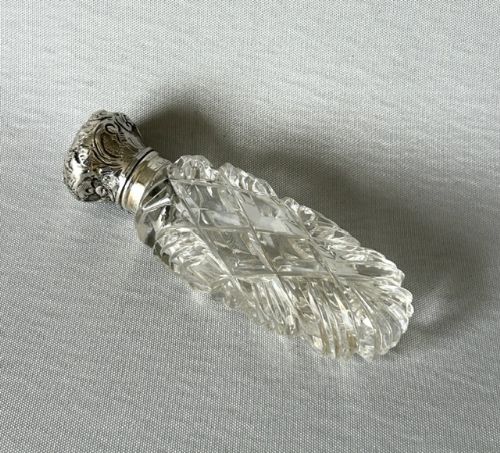
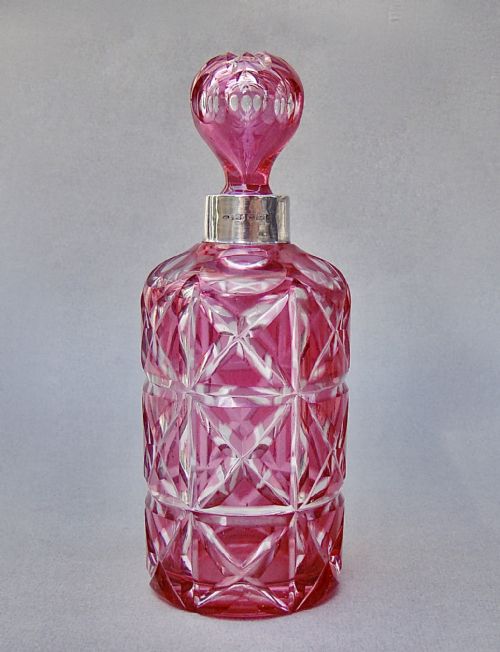
When you search for an antique crystal scent bottle, you encounter small personal vessels designed to hold perfume, cologne or smelling salts upon a dressing table or inside a travelling case. The most common versions on this page are Victorian and Edwardian cut glass pieces fitted with sterling silver lids, alongside geometric Art Deco designs.
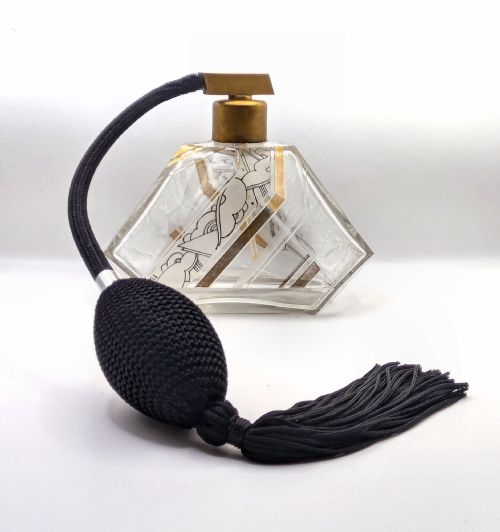
Makers and workshops across Britain, France, Bohemia and the Czech Republic produced these containers in various forms including globes, decanters and atomisers. Pieces range from simple silver-collared glass flasks to elaborate Chinese rock crystal snuff bottles and French Guilloche enamel items.
How They Were Made
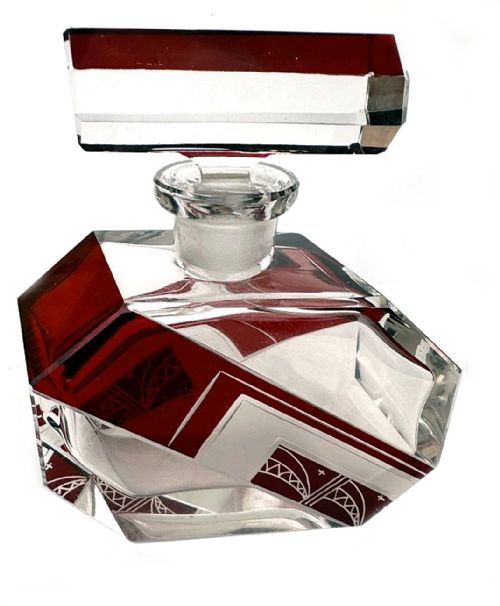
Makers utilised heavy lead crystal and glass, often moulded or wheel-cut with deep geometric patterns to catch the light. Coloured glass variants in cranberry, ruby and green highlight the versatility of nineteenth and twentieth-century glasshouses.
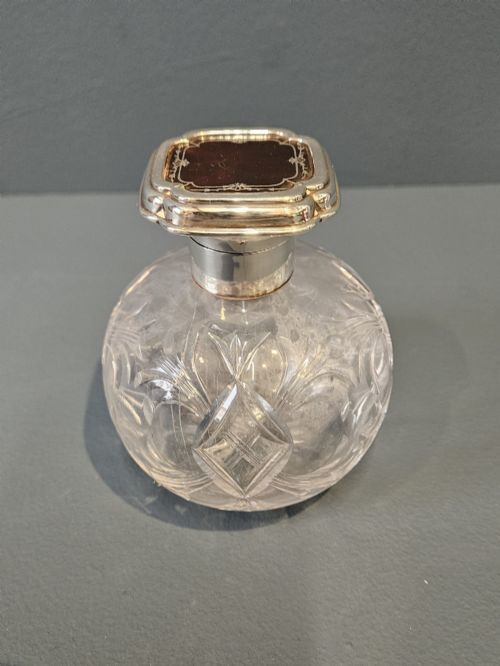
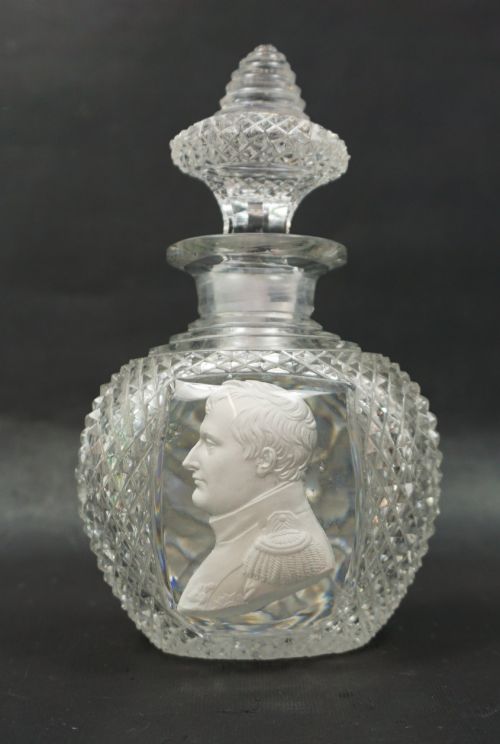
Metalworkers added sterling silver, chrome and tortoiseshell mounts, hinged lids or screw caps, frequently marked with Birmingham hallmarks. Enamel work, sulphide portraits and master-carved openwork applied further decorative layers to the vessels.
Listings feature items spanning from the 1830s to the 1930s, incorporating cut glass, sterling silver, enamel and tortoiseshell.
What Varies in Quality
The distinction between standard containers and finer pieces rests upon the crispness of the glass cutting and the weight of the crystal. Sharp, clean facets and heavy metal mounts indicate higher production standards.
Design complexity and named workshops create differentiation within the range. Pieces by makers such as Karl Palda or René Lalique, or those incorporating tortoiseshell and guilloche enamel, represent higher tiers of craftsmanship.
Harold Bushell and Co·Karl Palda·Barnsley and Co·Rene Lalique·George Unite
The Antique Crystal Scent Bottle Glossary
- Guilloche enamel
- A decorative technique where a precise pattern is mechanically engraved beneath a translucent enamel layer. It appears frequently on early twentieth-century vanity items.
- Sulphide
- A small white cameo made of ceramic paste embedded inside glass or crystal. These figures often depict historical portraits.
- Atomiser
- A perfume bottle fitted with a spray mechanism and bulb. They gained popularity during the Art Deco period.
- Snuff bottle
- A small container used to hold powdered tobacco. Chinese examples often utilise carved rock crystal and delicate openwork.
Antique Crystal Scent Bottle: Frequently Asked Questions
What is an antique crystal scent bottle used for?
These vessels held liquid perfume, cologne or smelling salts for personal grooming on a dressing table. Many were also manufactured as part of travelling vanity sets to be carried securely.
Smaller examples served specialised purposes such as holding snuff. Their decorative nature meant they were often displayed openly in dressing rooms.
How do I date a silver mounted scent bottle?
Silver mounts on British pieces typically carry hallmarks that indicate the assay office, standard of silver and year of manufacture. Examining these stamps provides a precise date for the metal components.
Stylistic cues such as heavy Victorian cutting or geometric Art Deco forms help date the glass body when hallmarks are absent.
What is the difference between glass and crystal?
Crystal refers to glass that contains a proportion of lead oxide, which increases the weight, clarity and refractive index of the material. This allows for deeper and sharper facet cutting.
Standard glass is lighter and lacks the specific heavy ring and brilliance found in high-lead crystal vessels.
Are Art Deco scent bottles different from Victorian ones?
Victorian and Edwardian pieces generally rely on floral motifs, heavy silver repoussé caps and deep vertical or criss-cross glass cutting. They prioritise traditional opulence and substantial weight.
Art Deco items from the 1920s and 1930s favour clean geometric lines, vibrant colours, enamel work and streamlined forms associated with makers like Karl Palda or Rene Lalique.