





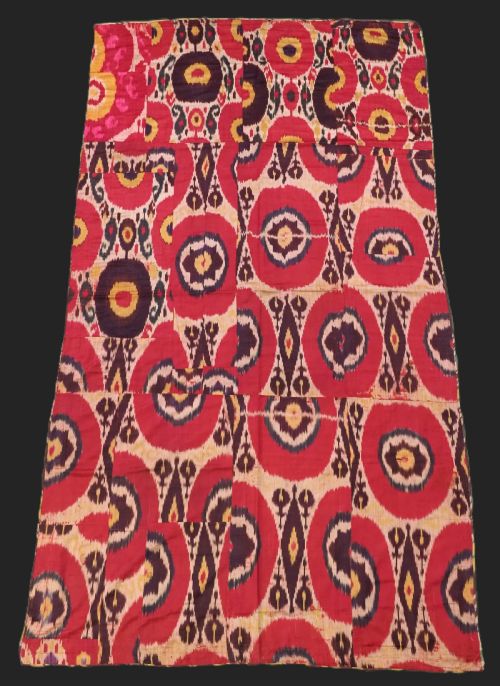
Antique Crimson Textile Hangings
Antique crimson textile hangings bring rich reds and intricate tribal patterns into a room, offering tactile history through woven wool, silk, and velvet.
Antique Crimson Textile Hangings
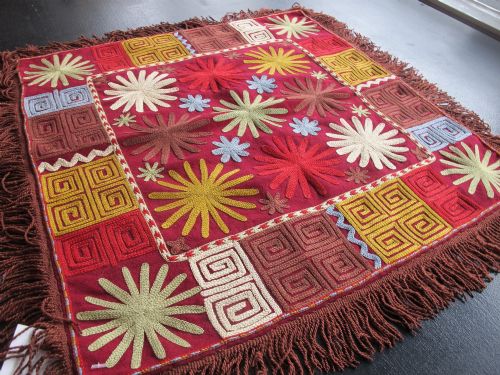
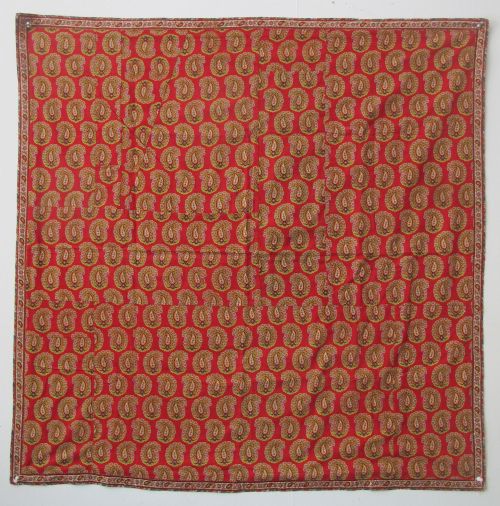
When searching for antique crimson textile hangings, collectors examine woven storage faces, embroidered panels, and decorative wall coverings originating from Central Asia and Europe. These pieces span from the eighteenth century through the late nineteenth and early twentieth centuries, capturing traditional nomadic and courtly designs.
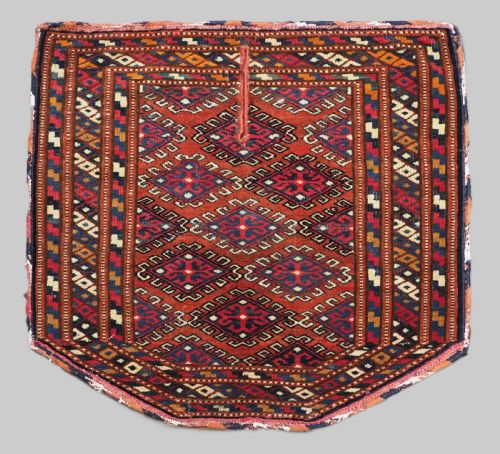
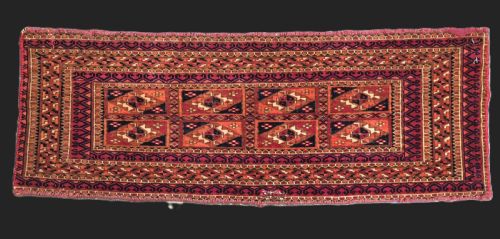
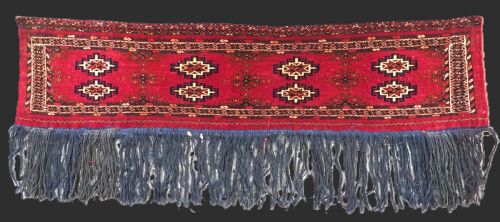
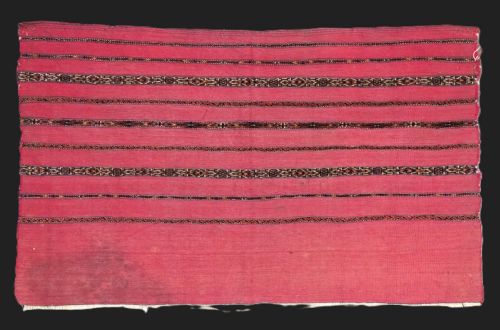
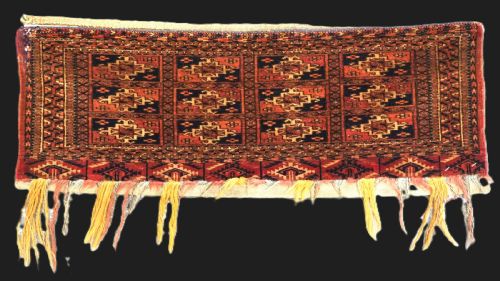
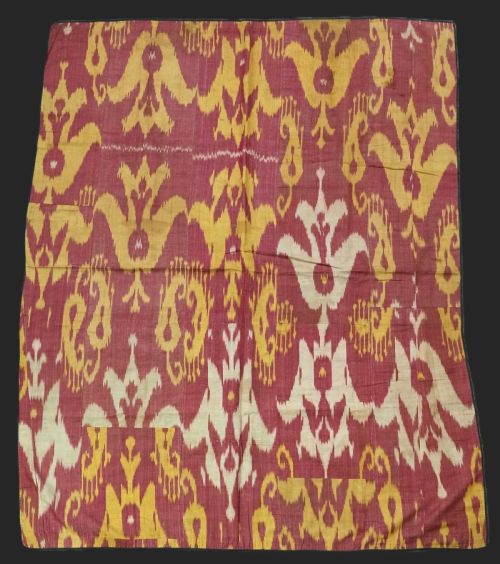
The most common examples on this page are Turkmen tribal bags, torbas, and chuvals featuring deep red colourways alongside Uzbek suzanis and ikat fabric panels. English country house silk and bead bell pulls and European ciselé silk velvet pilaster hangings also appear.
Tribal weaving traditions dominate the selection, showcasing dense geometric motifs, gul patterns, and embroidery created for domestic use or dowry displays. Buyers encounter both fragmentary panels and complete pieces retaining original plain weave backs or hanging loops.
Materials and construction methods
Weavers utilised natural dyes on wool, cotton, and silk foundations to achieve deep crimson and madder red tones characteristic of these textiles. Hand-spun wool and silk threads form the dense pile and flatweave structures found in tribal bags and tent trappings.
Embroidery techniques involve silk needlework on cotton or linen grounds, particularly visible in Suzani panels and Lakai work. Cut-pile velvet and metal threads feature in European decorative panels and pilaster hangings.
Several nomadic bags still retain their original utilitarian backs, having survived a century or more of tent life intact.
Assessing quality in historical textiles
Knot density and weave tightness separate standard domestic work from master tribal examples, with finer pieces showing precise geometric drawing. The complexity of the gul arrangement and the saturation of natural dye colours influence desirability.
Survival of original structural elements, such as plain weave backs, hanging loops, and complete borders, elevates the integrity of tribal bagfaces and storage pieces.
The Antique Crimson Textile Hangings Glossary
- Chuval
- A large tent storage bag used by Turkmen nomads for household goods. These items frequently survive as decorative faces cut from their original backs.
- Torba
- A smaller storage bag produced by Central Asian tribes, often featuring multiple guls and used inside the yurt.
- Suzani
- A large embroidered wall hanging or textile panel from Central Asia, traditionally worked in silk on a cotton foundation.
- Guls
- The repeating octagonal medallion motifs used in Turkmen carpet and textile design to denote tribal affiliation.
- Ciselé velvet
- A velvet fabric where areas of the pile are cut while other sections remain uncut, creating a patterned relief effect.
Antique Crimson Textile Hangings: Frequently Asked Questions
How were tribal hangings used originally?
Nomadic tribes utilised these woven pieces inside tents for storing bedding, clothing, and household possessions. Many functioned as dowry items or decorative tent furnishings rather than wall displays.
Over time, collectors removed the faces from their utilitarian backs to display the complex geometric patterns as flat textiles. Surviving loops indicate how certain pieces hung within nomadic structures.
What defines a Tekke or Yomut hanging?
Tekke and Yomut pieces originate from Turkmen tribal groups inhabiting the Central Asian steppes and oases. They employ specific geometric medallion layouts and distinct colour palettes dominated by deep madder reds.
Weaving fineness and the exact structuring of the guls help differentiate the tribal subgroup responsible for the textile. Each group maintained strict traditional design canons passed down through generations.
How should I care for antique silk and wool?
Historic textiles require protection from direct sunlight to prevent the fading of natural madder and cochineal red dyes. Gentle vacuuming through a mesh screen removes surface dust without stressing fragile fibres.
Professional textile conservators should handle any cleaning or mounting requirements. Flat mounting on acid-free supports distributes weight evenly across old silk and wool.
Can I hang heavy velvet panels safely?
European velvet hangings and embroidered bell pulls need even weight distribution along their upper edge to prevent tearing. Stitching a wide cotton support sleeve to the reverse allows a padded baton to take the strain.
Avoid hanging textiles near heat sources or damp exterior walls. Proper circulation behind the panel prevents moisture accumulation in organic fibres.