




Antique Velvet Wall Hanging
An antique velvet wall hanging brings rich texture and historic depth to a room, offering tactile warmth that modern fabrics simply cannot match.
Antique Velvet Wall Hanging
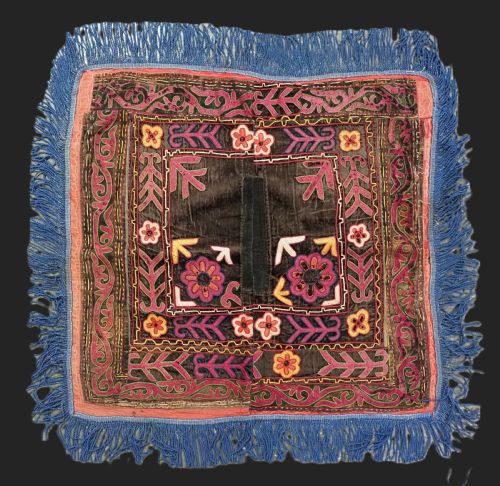
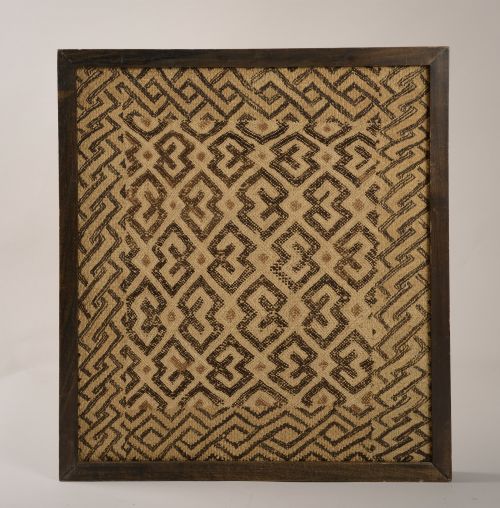
When you search for an antique velvet wall hanging, you examine textile panels and decorative hangings produced across several centuries and regions. The selection on this page ranges from Central Asian tribal embroidery to European silk velvet panels.
You meet various textile forms here, including dowry embroideries, pilaster hangings, and coverlets repurposed for display. These pieces display distinct cultural origins, stretching from Ottoman Turkey and India to France and Central Asia.
The materials span velvet, silk, cotton, and gold thread, frequently worked on a velvet ground. Such items served decorative and ceremonial functions in period interiors, bringing colour and pattern to stone or panelled walls.
Materials and Technique
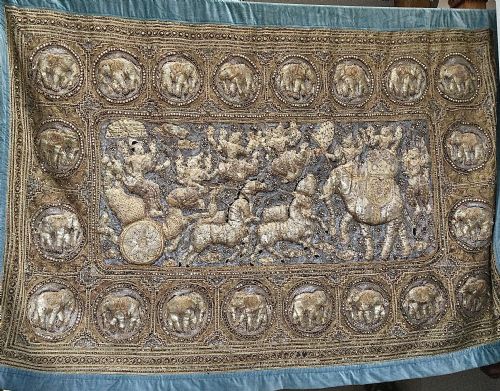
The construction relies heavily on silk velvet grounds combined with supplementary threads such as gold thread and metal thread. Artisans utilised techniques like ciselé velvet weaving, needlepoint, and intricate embroidery to build pattern and relief.
Supporting elements include cotton backings, painted wood frames, and gilt relief work found on related wall art and display pieces. These combinations reflect the traditional textile and cabinet-making skills of 17th-century, 18th-century, and 19th-century workshops.
A fighting tableau panel ensures that even soft velvet wall decor can occasionally feature a surprisingly robust disagreement.
Assessing Quality
Quality rests upon the density of the weave, the complexity of the embroidery, and the preservation of the pile. Finer examples display meticulous needlework and substantial use of metal thread rather than simpler printed or painted substitutes.
The integrity of the textile ground and the skill of the original design separate superior panels from standard domestic items. Patination and wear alter the appearance, but original hand-stitched details retain their visual impact.
The Antique Velvet Wall Hanging Glossary
- Ciselé velvet
- A velvet where the pattern is created by a combination of cut and uncut pile loops. This technique produces a textured, damask-like effect on the fabric surface.
- Ilgich
- A traditional embroidered textile created by Central Asian tribes, frequently used as a dowry piece. They feature bold geometric or floral motifs worked in vibrant silks.
- Metal-thread
- A yarn made from beaten gold, silver, or gilt-metal wrapped around a silk or cotton core. It provides metallic sheen and durability to ceremonial embroideries.
- Needlepoint
- A form of counted thread embroidery stitched through an open-weave canvas ground. Early panels utilise this method to depict pictorial scenes or repeating patterns.
Antique Velvet Wall Hanging: Frequently Asked Questions
How do I hang a fragile textile?
Support the weight evenly by mounting the textile onto a padded wooden batten or conservation-grade board upholstered in neutral fabric. Avoid direct framing against glass to prevent moisture accumulation.
Keep the piece away from direct sunlight and strong artificial sources to protect delicate silk pile and metal threads from fading and degradation over time.
How do I date an antique velvet piece?
Examine the weave structure, the type of dyes used in the velvet pile, and the style of any embroidery work. Eighteenth-century examples often feature ciselé velvet with baroque motifs, whilst nineteenth-century pieces may show tribal or colonial influences.
Compare the selvages, backing materials, and stitching techniques against documented examples from the same geographical region and period.
Where were these textiles originally displayed?
Wealthy households utilised heavy velvet hangings and tapestries to insulate stone walls, improve acoustics, and display social status in reception rooms and bedchambers. Smaller embroidered panels often functioned as covers or dowry items before later being mounted for display.
Palaces, chateaux, and merchants' houses across Europe, the Ottoman Empire, and Asia employed textiles as portable decoration that could travel with the household.