




Antique Ecclesiastical Hangings
Antique ecclesiastical hangings bring sacred history into a room through rich textiles and carved panels shaped by centuries of devotion.
Antique Ecclesiastical Hangings
Antique ecclesiastical hangings encompass textile pieces alongside carved wooden panels and architectural fragments originating from churches and chapels. Collectors searching for antique ecclesiastical hangings encounter velvet copes and embroidered silk panels dating back to the sixteenth and seventeenth centuries, reflecting centuries of liturgical use.
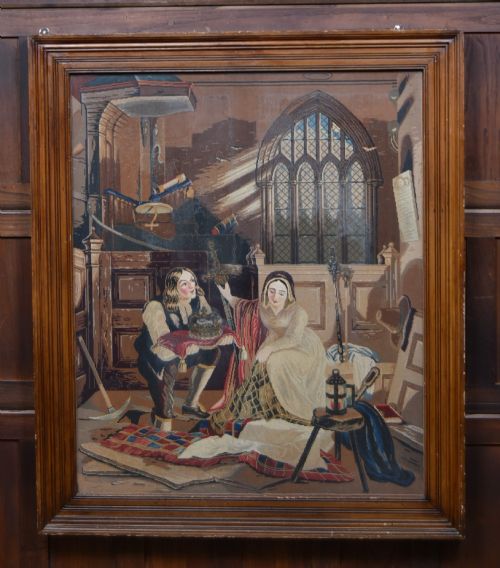
The selection also includes pilaster hangings from the seventeenth century, demonstrating how textile panels were integrated into sacred interior architecture. These items bring rich textures and historical depth to modern interiors, whether displayed framed on a wall or draped within a room.
How they were made
Textiles in this category rely upon heavy velvet and silk grounds enriched with gold thread embroidery, requiring meticulous hand-stitching by skilled artisans. These methods created durable vestments and wall coverings designed to withstand centuries of ceremonial use.
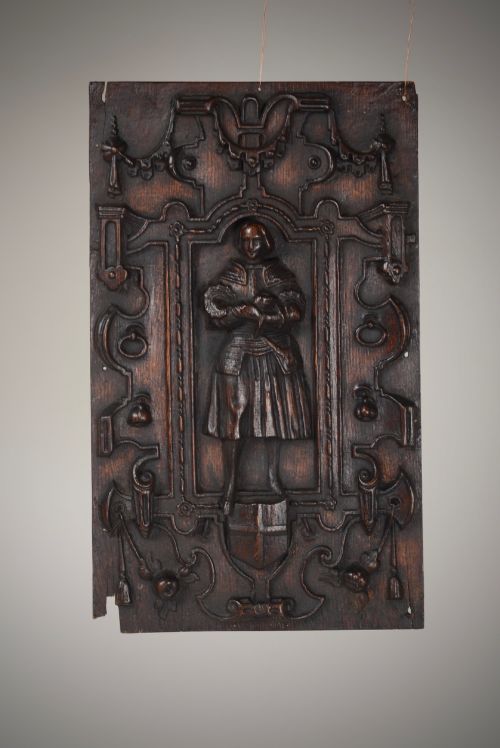
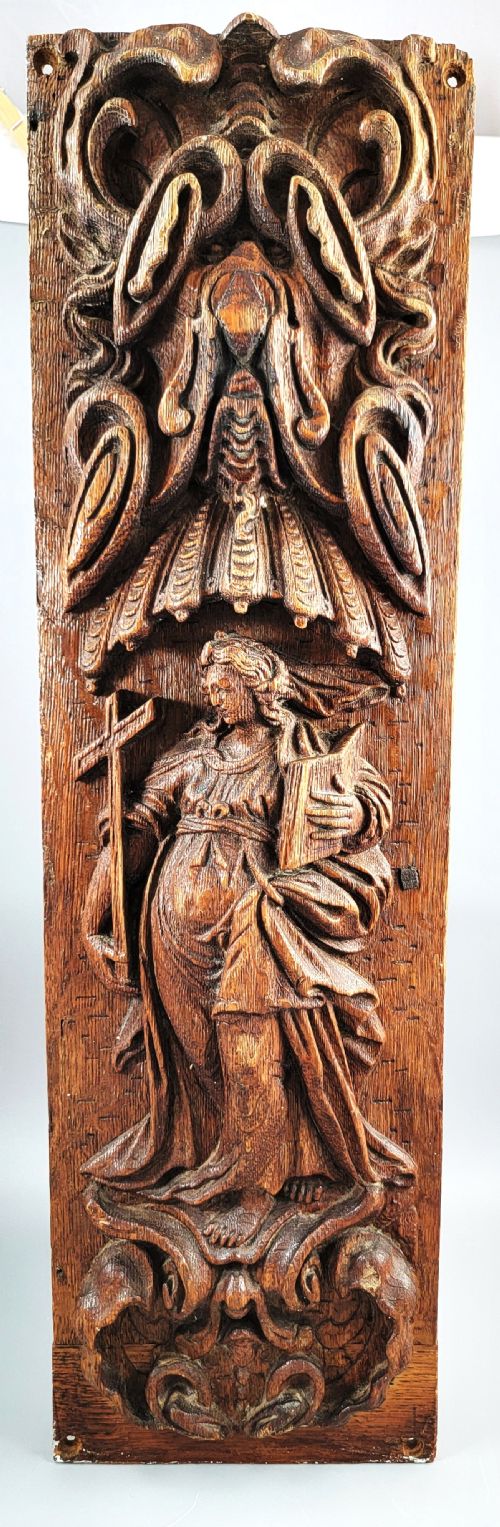
Wooden panels and architectural elements utilise carved oak and applied gilt, often paired with painted glass or embossed brass components. These traditional joinery and metalworking techniques formed the structural foundations of church furnishings and wall art.
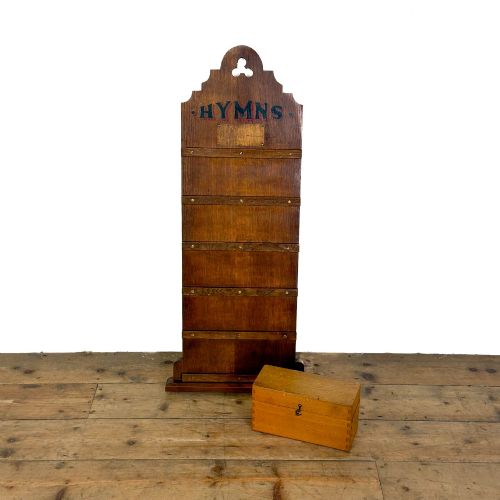
Tin tabernacles provided corrugated iron shelter for remote congregations, leaving behind remarkably illuminated religious texts now found on marketplace walls.
What varies in quality
The density and preservation of the gold thread embroidery and silk velvet define the upper tier of textile hangings. Pieces retaining their original structural integrity and rich pile sit distinctly above fragments showing heavy fibre loss.
Carved wooden panels separate along the crispness of the chisel work and the depth of the relief carving. Examples depicting clear allegorical figures demonstrate superior craftsmanship compared to simpler utilitarian boards.
The Antique Ecclesiastical Hangings Glossary
- Cope
- A long liturgical vestment resembling a cape, worn by clergy during processions and ceremonies. These garments often feature elaborate embroidery and rich velvet grounds.
- Pilaster hanging
- A vertical textile or panel designed to fit against a pilaster or narrow wall space within an architectural setting. They often served decorative and commemorative functions in sacred interiors.
- Gold thread
- Metal-wrapped thread utilised in luxury textile embroidery to create shimmering liturgical motifs and coats of arms. It reflects light and denotes high status in ecclesiastical commissions.
- Alms dish
- A metal bowl or plate used for collecting offerings during church services. They are frequently fashioned from embossed brass with decorative motifs.
Antique Ecclesiastical Hangings: Frequently Asked Questions
How were antique ecclesiastical hangings used?
These pieces served liturgical functions within churches, adorning walls, altars, and clergy during religious services and processions. Textiles provided rich visual focal points for sacred spaces.
Over time, many of these items transitioned from active church use into private collections, where they now function as decorative wall art and textile displays.
How do I hang antique textiles safely?
Mounting heavy textiles requires distributing the weight evenly across the entire top edge rather than piercing the fabric with hooks or nails. A common method involves stitching a cotton support sleeve to the back and sliding a padded wooden lath through it.
Keep these delicate pieces away from direct sunlight and excessive humidity to protect the ancient silk, velvet, and gold thread from degradation.
What periods do these pieces come from?
The available items span from the sixteenth century through to the late nineteenth and early twentieth centuries. Earlier pieces often feature heavy Spanish velvet and intricate hand embroidery.
Later items include nineteenth-century revivals and decorative architectural elements from tin tabernacles and period churches.
Are wooden panels considered hangings?
Carved wooden panels and pilaster elements often share categories with textile hangings due to their shared origins in church architectural decoration. Both types served to adorn sacred walls and define interior spaces.
Collectors frequently group these wooden reliefs together with fabric vestments when assembling ecclesiastical displays.