




Embroidered Velvet Wall Panels
These embroidered velvet wall panels bring rich texture and historical handwork into a room, offering tactile depth that painted walls simply cannot match.
Embroidered Velvet Wall Panels
When you search for embroidered velvet wall panels, you are looking at textile art designed for vertical display, originating from workshops and tribal traditions across several centuries. The pieces available here span diverse origins, from Central Asian tribal work and Anglo-Indian production to Ottoman empire pieces and French Baroque styles.
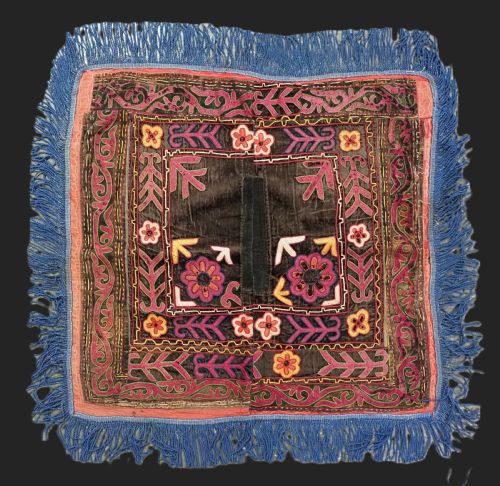
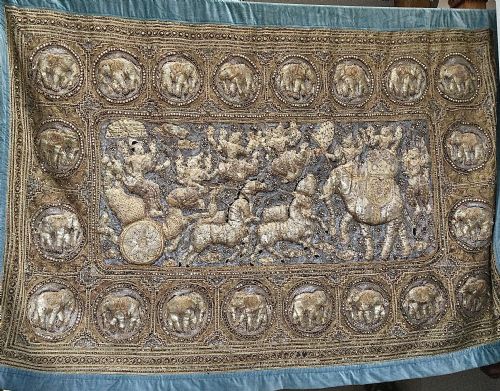
The form encompasses large relief hangings, pilaster panels, framed textiles, and coverlets adapted for the wall. You will encounter formats such as Uzbek Lakai tribe ilgich dowry embroideries, Delhi silk needlework on green velvet grounds, and Burmese or Southeast Asian traditional hangings.
Dating ranges from the seventeenth century through the nineteenth century and into the nineteen-thirties, showing varied regional aesthetics. Whether you choose a dense Ottoman metal-thread panel or a framed early French needlepoint, each object serves as a focal textile for interior display.
How they were made
Makers constructed these panels upon velvet grounds, frequently utilising silk velvet or standard velvet supported by cotton or wool backings. Artisans then applied intricate hand embroidery directly onto this plush pile surface.
Decoration relied heavily on metallic thread, gold thread, and sequins to catch the light against the dyed pile. Skilled hands stitched complex motifs, including tiger and dragon relief designs, floral patterns, and geometric tribal repeats.
One listed textile carries a direct provenance from the personal collection of a famous twentieth-century economist.
What varies in quality
Quality rests primarily on the density and execution of the needlework, separating standard decorative textiles from masterworks of regional craft. Finer pieces demonstrate precise tension in the metallic threads, secure application of sequins, and well-preserved pile on the velvet ground.
Condition and completeness also drive distinction across the range, particularly given the vulnerability of antique organic fibres to loss and wear. Panels retaining their original dimensions, vibrant metal-thread lustre, and intact structural backing represent the higher tier of surviving examples.
The Embroidered Velvet Wall Panels Glossary
- Velvet
- A woven tufted fabric with a dense pile, providing a soft and light-absorbing ground for needlework. It forms the base material for many historic wall panels.
- Metallic thread
- Flat strips or twisted wires of metal, often silver-gilt, used in embroidery to create reflective highlights. This material adds rich ornamentation to Ottoman and Asian textiles.
- Ilgich
- A traditional embroidered hanging produced by Central Asian tribal groups, notably the Lakai. These pieces often served as dowry items before finding new life as wall art.
- Needlepoint
- Embroidery stitched through an open-weave canvas foundation rather than directly onto a velvet pile. It produces a firm, durable decorative surface seen in European panels.
Embroidered Velvet Wall Panels: Frequently Asked Questions
How do I hang an antique textile safely?
Support the weight evenly across the top edge using a padded wooden batten or a conservation-grade sleeve rather than hanging it from isolated points.
Keep the textile away from direct sunlight and damp environments to protect the fragile velvet pile and metallic threads from degradation.
Where were these panels originally made?
The pieces originate from diverse global regions, including Central Asia, Ottoman Turkey, India, Burma, and France.
Each region employed distinct cultural motifs and stitching techniques, resulting in varied aesthetics ranging from tribal geometric patterns to formal Baroque designs.
How do I clean historic velvet panels?
Avoid water, chemical solvents, or vigorous brushing, as these actions instantly damage the delicate pile and dislodge metallic threads.
Surface dust should be removed very gently with a soft brush through a protective mesh screen, or left to professional textile conservators.
What period do most panels come from?
The available selection spans several distinct eras, with nineteenth-century examples and nineteen-thirties pieces appearing alongside seventeenth-century fragments.
Earlier pieces typically display European Baroque or Asian traditional aesthetics, while nineteenth-century works reflect active international trade and tribal production.