



Antique Cream Pottery
Antique cream pottery brings warm, historical earthenware into your home, spanning Georgian creamware to Victorian transfer prints and Satsuma vases.
Antique Cream Pottery
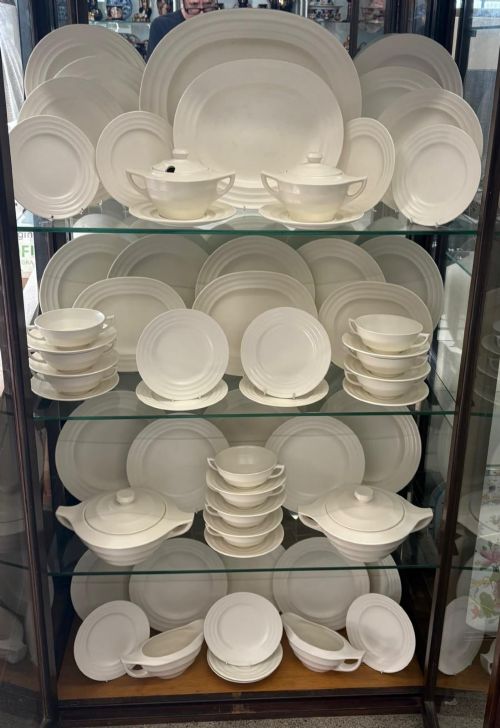
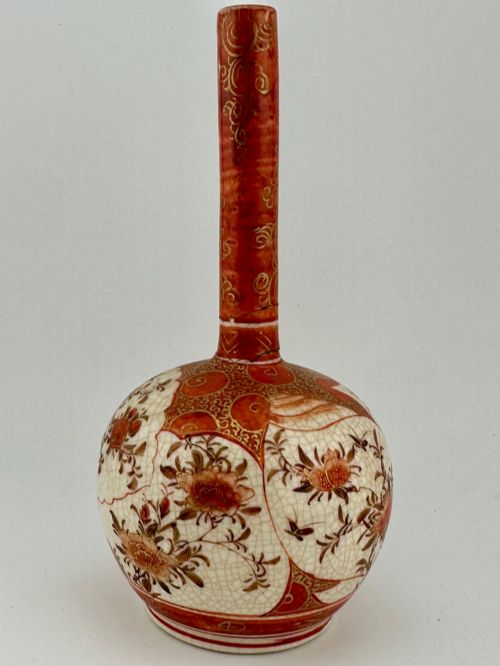
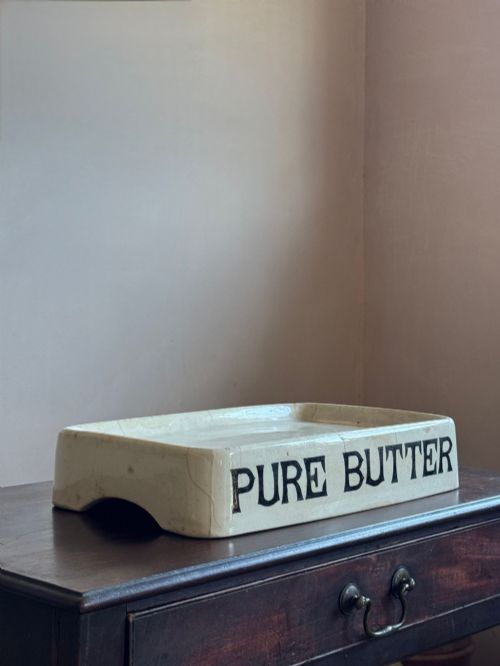
Antique cream pottery encompasses a diverse range of historic ceramic objects, from utilitarian dairy bowls and grocery slabs to decorative vases and commemorative jugs. Buyers seeking this category encounter earthenware vessels shaped across the eighteenth and nineteenth centuries, including distinct regional wares from English potteries and Japanese export studios.
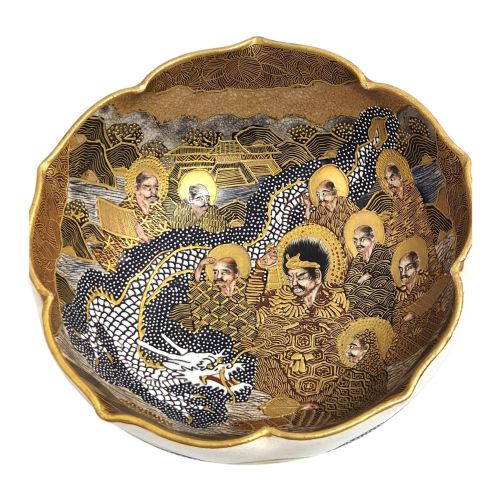
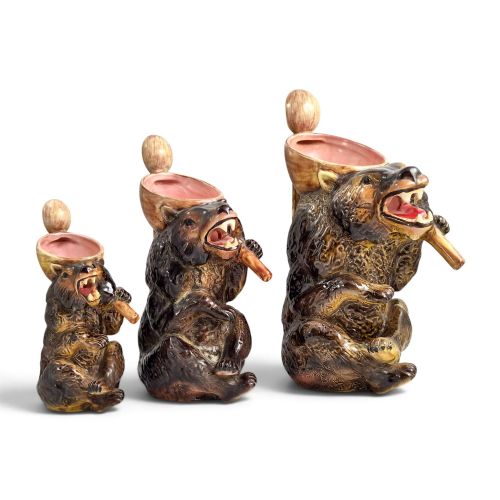
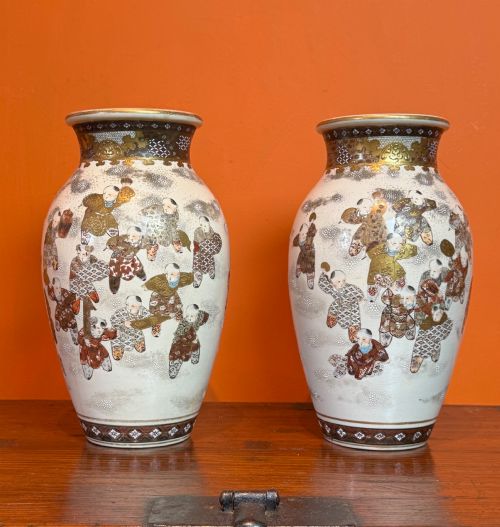
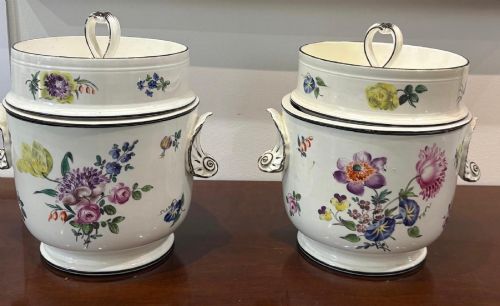
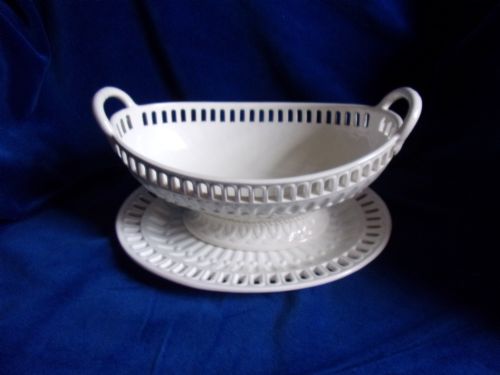
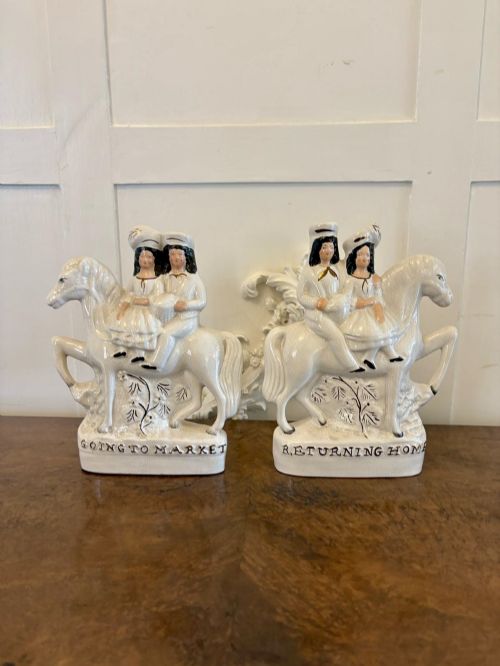
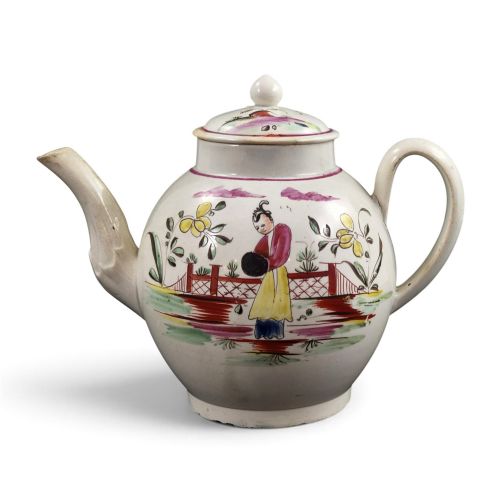
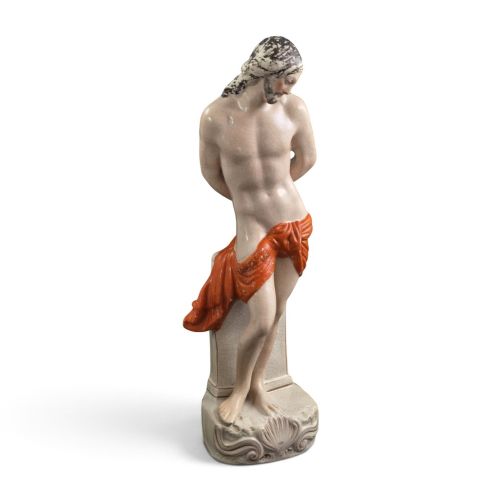
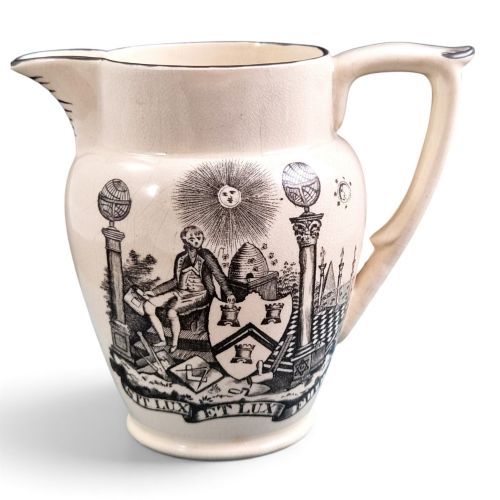
The selection on this page leans heavily toward nineteenth-century production, featuring Staffordshire figures, transfer-printed pitchers, and creamware baskets alongside Japanese Satsuma ceramics. Forms vary widely, taking the shape of teapots, ice pails, jelly moulds, and decorative plates that reflect both domestic utility and ornamental tastes of their respective periods.
Origins stretch across English kilns in Staffordshire, Leeds, and Sunderland, alongside Scottish potteries and international workshops in Kyoto and Kobe. These objects bridge the gap between everyday household administration and parlor display, offering functional items imbued with period craftsmanship.
How they were made
Makers utilised earthenware and ceramic bodies, applying lead glazes and specialised creamware techniques to achieve smooth, pale surfaces suited for domestic and decorative wares. Artisans built forms through throwing, moulding, or slipware methods before finishing the pieces with transparent or tinted glazes.
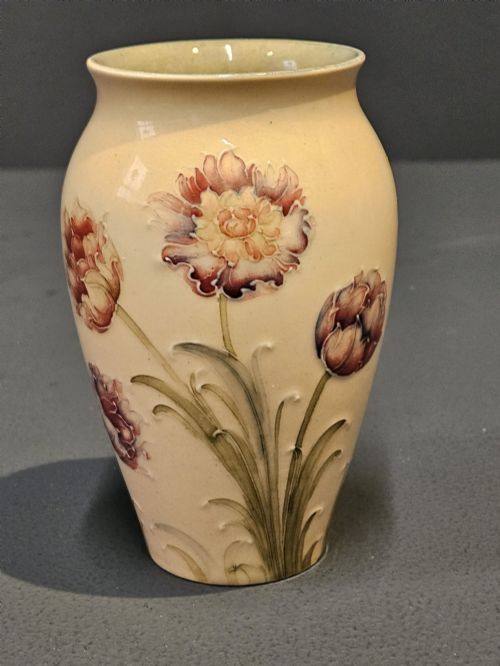
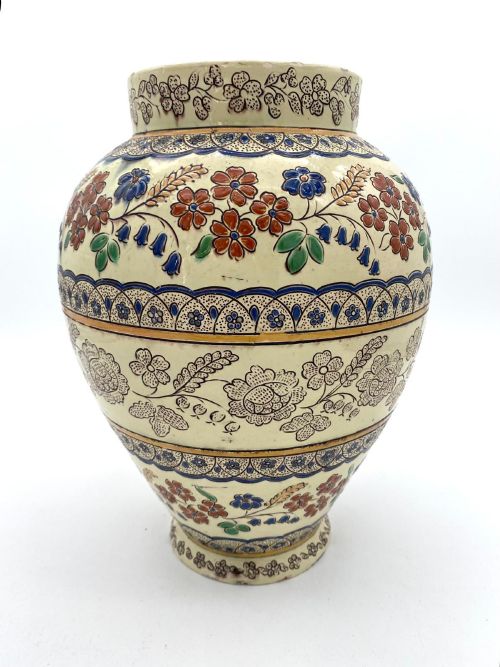
Decoration relied heavily on black and coloured transfer printing, hand-painted floral enamels, and intricate moriage relief work. Select items incorporated contrasting elements such as gold leaf, gilt highlights, and enamel pigments to accentuate moulded details.
Antique Cream Pottery Retail Price Guide 2026
Typical asking prices for cream pottery among the pieces listed under this phrase on Sellingantiques today, from the lower quarter to the upper quarter. They describe what is for sale here now, not the wider market.
Listings feature earthenware and ceramic pieces spanning the Georgian, Victorian, and Edwardian periods, including creamware, lead glaze, and enamel materials.
What varies in quality
Quality rests in the crispness of the moulded relief, the precision of transfer-printed lines, and the finesse of hand-painted enamel work. Superior examples display clean separation of colours, careful glazing without pooling, and well-balanced forms that maintain structural integrity.
The refinement of the clay body and the sophistication of the decorative scheme distinguish standard utilitarian vessels from exhibition-grade display pieces. Master potteries achieved thinner walls, sharper botanical or figurative details, and harmonious palettes that elevate the finished ceramic.
Royal Doulton·William Smith And Co·Leeds Pottery·Cantagalli Florence·Moorcroft McIntyre
The Antique Cream Pottery Glossary
- Creamware
- A fine-grained, light-colored earthenware developed in the eighteenth century, finished with a transparent lead glaze that yields a warm cream tone.
- Transferware
- Pottery decorated by applying a printed design from an engraved copper plate onto the ceramic surface using tissue paper before firing.
- Moriage
- A Japanese ceramic decorating technique utilising clay piped through a pastry-bag-like tool to create raised, textured patterns.
- Slipware
- Pottery decorated with slip, which is a liquid mixture of clay and water, applied to a damp clay body before firing.
- Pearlware
- An early nineteenth-century refined earthenware featuring a bluish glaze designed to mimic the appearance of Chinese porcelain.
Antique Cream Pottery: Frequently Asked Questions
How were creamware plates used?
Creamware plates served as dining and display tableware in Georgian and Victorian households, prized for their clean, uniform appearance.
They transitioned easily from everyday dining tables to formal settings, often featuring transfer-printed scenes or moulded basketweave borders.
How do I date antique earthenware?
Dating antique earthenware involves examining the style of the pottery, the manufacturing technique, and any visible maker marks or impressed stamps.
Stylistic shifts, such as the transition from Georgian creamware forms to Victorian transfer prints, help narrow the period of origin.
How should I display ceramic jugs?
Ceramic jugs look best displayed on sturdy shelves, sideboards, or mantelpieces where their handles, spouts, and decorative transfers remain visible.
Ensure they sit away from direct sunlight and heavy traffic areas to protect their historical glazes and delicate earthenware bodies.