
Antique Country Seat Furniture
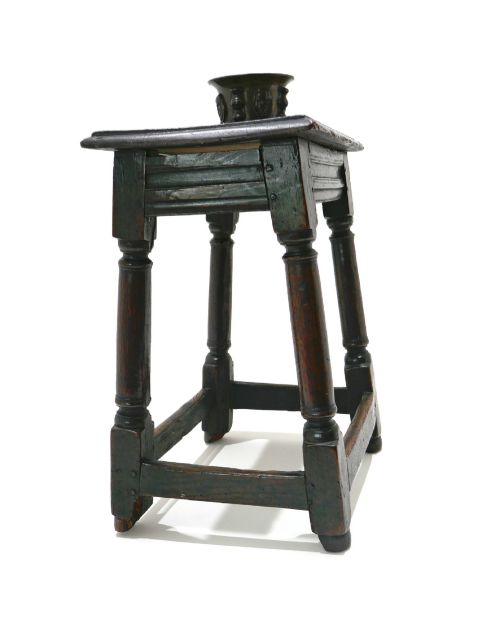
Antique country seat furniture encompasses robust wooden armchairs, benches, settles and stools shaped by practical domestic and vernacular traditions.
Antique Country Seat Furniture
Antique country seat furniture comprises utilitarian wooden seating designed for domestic, tavern and farmhouse interiors across the eighteenth, nineteenth and early twentieth centuries. These pieces encompass sturdy armchairs, benches, settles, dining chairs and stools intended for daily domestic life.
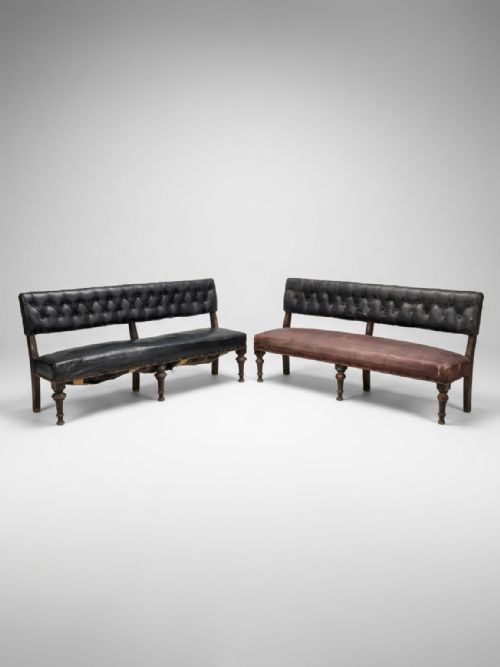
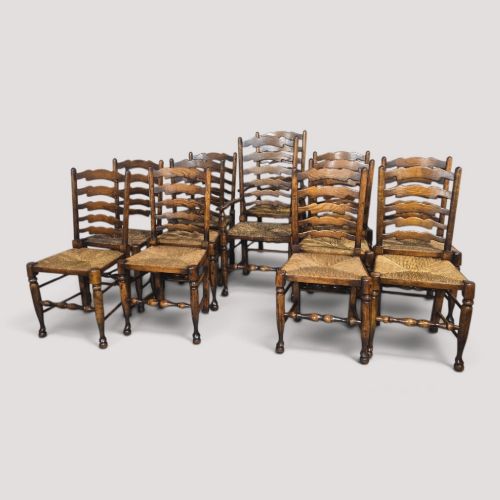
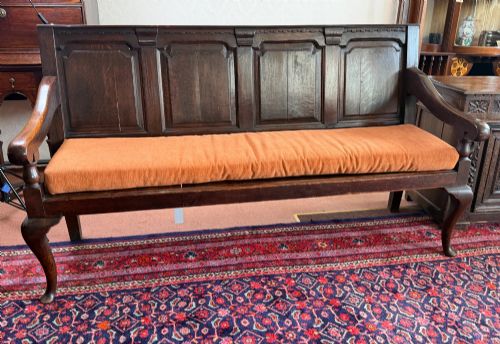
The selection on this page centres heavily on nineteenth-century and eighteenth-century examples, spanning English country, Georgian and Victorian vernacular traditions. Buyers encounter forms such as Windsor armchairs, box settles, church pews and pub stools built for heavy use.
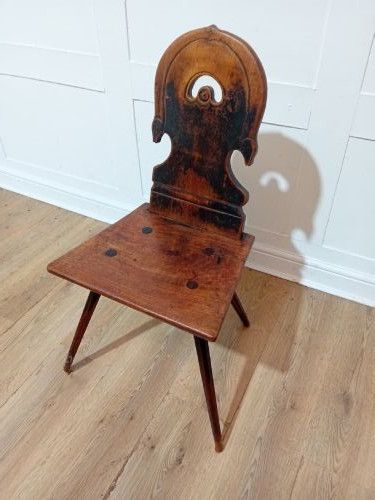
Regional variations appear frequently, including Welsh oak and elm designs alongside French provincial pieces and Austrian farmhouse benches. Simplicity of form and direct utility define these survivors of rural domestic environments.
How they were made
Makers utilised a combination of native hardwoods selected for specific structural demands, pairing flexible woods like ash and yew with durable elm, oak, beech and pine. Traditional construction relied on pegged joints, mortise and tenon framing, and solid timber planks.
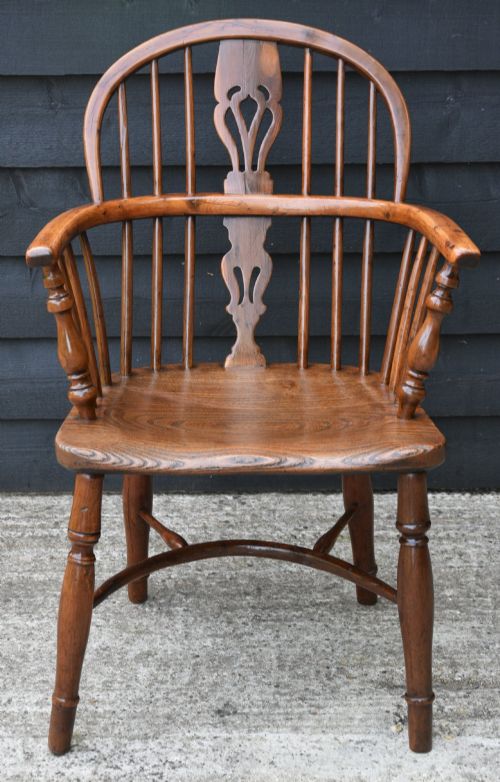
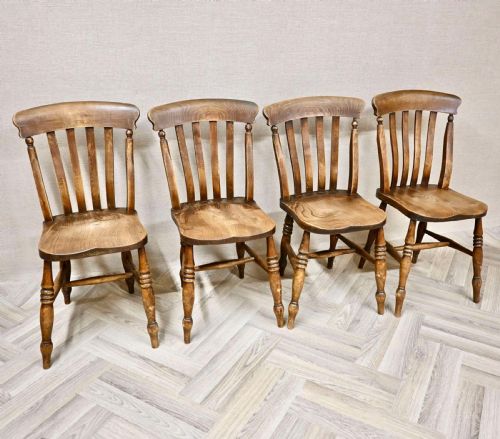
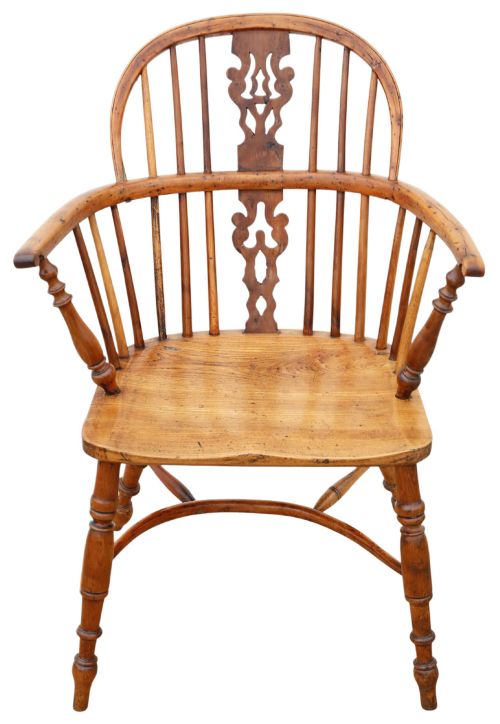
Windsor chairs and stick back forms employed turned wooden spindles seated directly into thick saddle seats, often shaped from a single block of elm. Box settles incorporated joined oak panels to form enclosed seating that blocked draughts in stone-floored rooms.
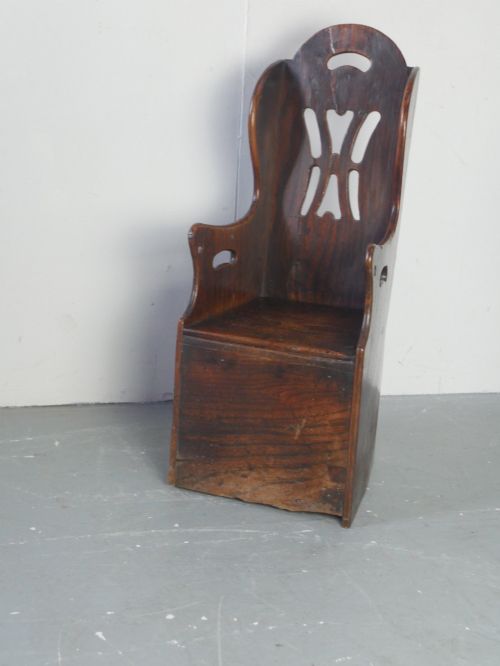
Some historic child armchairs were built low enough to sit safely beside the hearth without tumbling into the ashes.
What varies in quality
Quality in these pieces depends upon the integrity of the timber, the balance of proportions and the survival of an honest surface patina developed through generations of handling. Finer examples display thoughtful grain selection in contrasting woods, such as yew-wood bows paired with elm seats.
Structural refinement separates standard utilitarian items from exceptional vernacular work, visible in the taper of spindles, the comfort of shaped seats and the restraint of turned details. Excessive restoration or replacement timbers diminish the integrity of an antique piece.
Whytock and Reid·Howard and Sons
The Antique Country Seat Furniture Glossary
- Windsor armchair
- A chair built with a solid wooden seat into which the legs, back spindles and bow are separately raked and jointed. This form developed high regional specialisation, particularly in domestic and farmhouse settings.
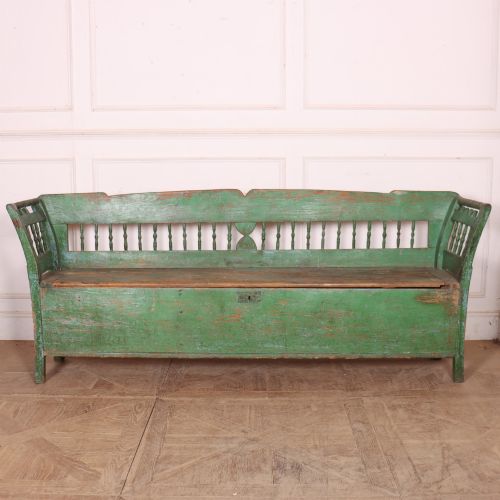
- Settle
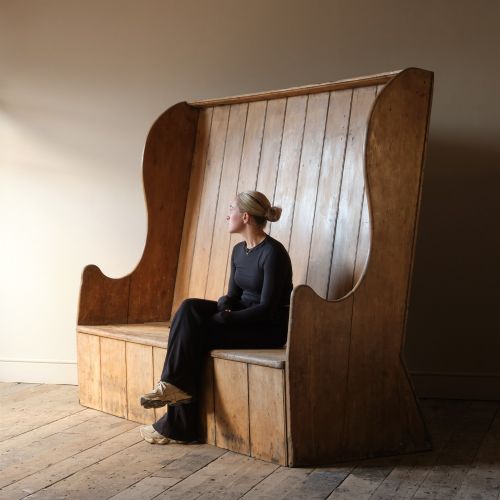
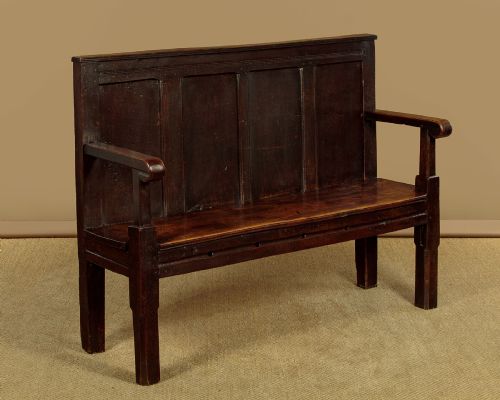
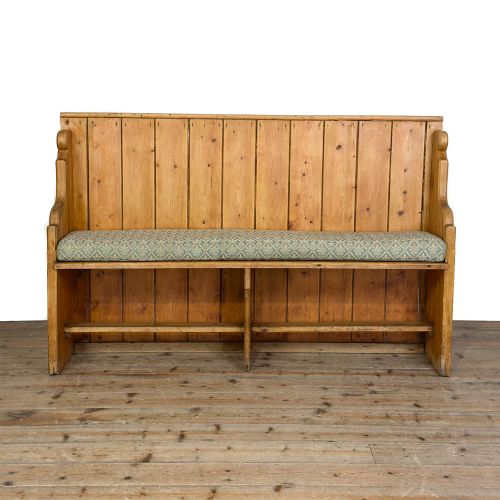
- A wooden bench featuring high solid backs, solid arms and often an enclosed box base designed to keep out floor drafts. These pieces stood near hearths in rural kitchens and public houses.
- Comb back
- A Windsor chair variation where the top rail resembles the teeth of a comb, often featuring extended arm posts or continuous vertical spindles. This regional vernacular design offers distinctive back support.
- Rush seated
- A seat woven from dried rushes wound tightly over a wooden frame, common in lighter dining and bedroom chairs. This technique provided resilient flexibility before synthetic materials replaced natural fibres.
- Lambing chair
- An enclosed wooden armchair featuring high wings and a low seat, historically used by shepherds or for nursing infants near a fire. These pieces offer deep protection against room drafts.
Antique Country Seat Furniture: Frequently Asked Questions
What is an antique settle?
A settle is a high-backed wooden bench designed to seat multiple people while blocking cold drafts in traditional rooms. Many examples incorporate a box base beneath the seat for household storage.
These pieces served functional roles in kitchens, hallways and public houses before modern upholstery and central heating altered domestic layouts.
Where were country seats used?
These wooden seats populated farmhouses, country cottages, rural taverns and large estate kitchens where durability mattered most. Simple forms suited daily domestic tasks and heavy communal dining.
Vernacular styles varied by region, reflecting local timber availability and domestic customs across England, Wales and continental Europe.
How do I care for antique wood furniture?
Maintain antique timber by keeping pieces away from direct heat sources and sudden humidity shifts that cause wood to split. Regular dusting with a dry cloth preserves the natural surface.
Avoid heavy modern polishes and instead rely on traditional wax applied sparingly to protect the historic finish and patina.