


Antique Country Footstool
These antique country footstools bring practical domestic utility and regional character to an interior.
Antique Country Footstool
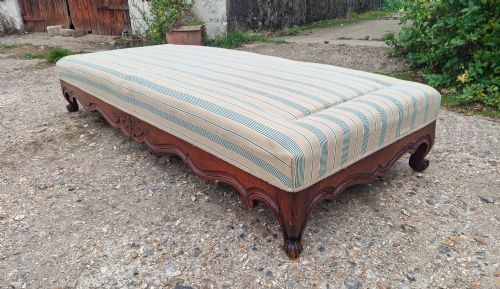
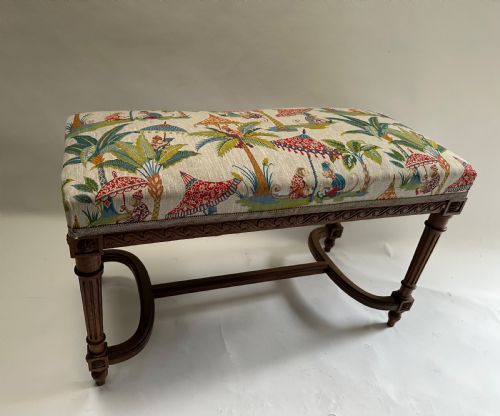
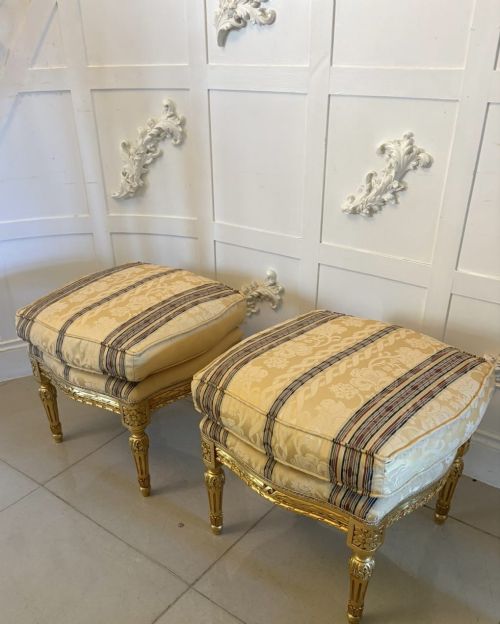
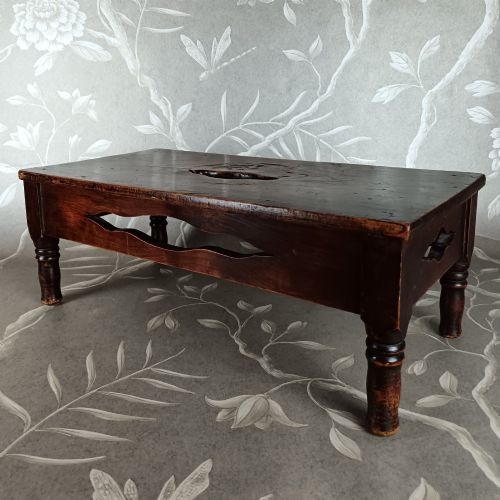
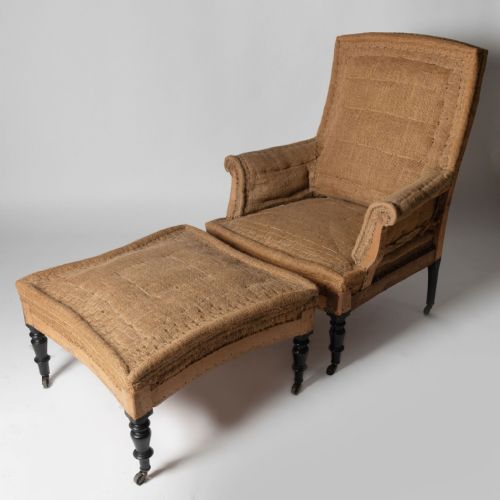
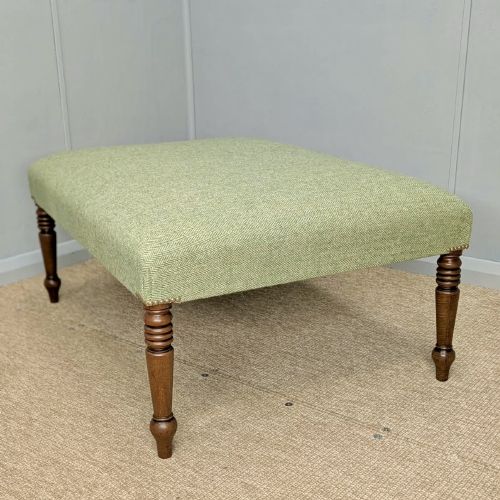
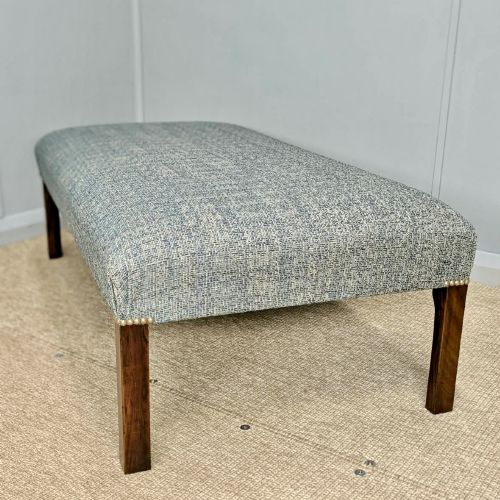
An antique country footstool encompasses low seating and rests designed for domestic comfort, originating from rural workshops and provincial households rather than urban cabinet makers. These pieces emerge in various forms, from simple pegged wooden boards to upholstered fireside rests intended to elevate feet from cold draughty floors.
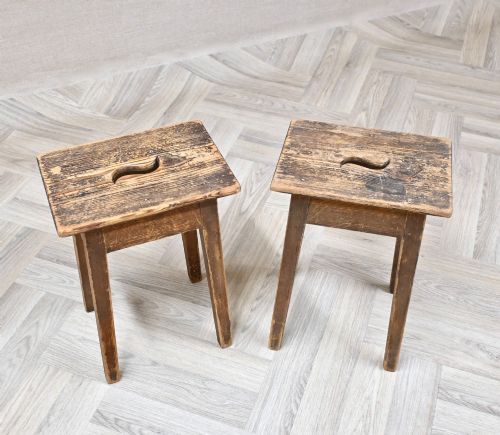
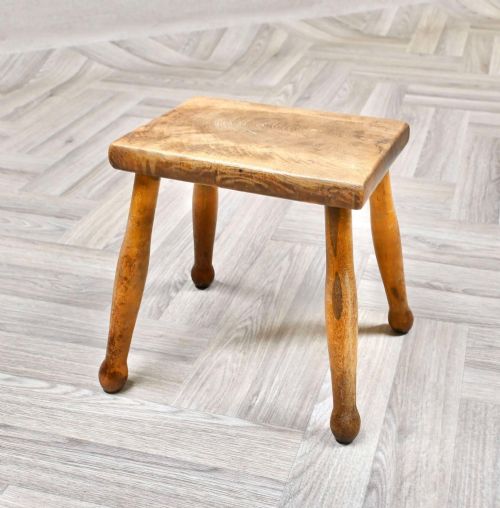
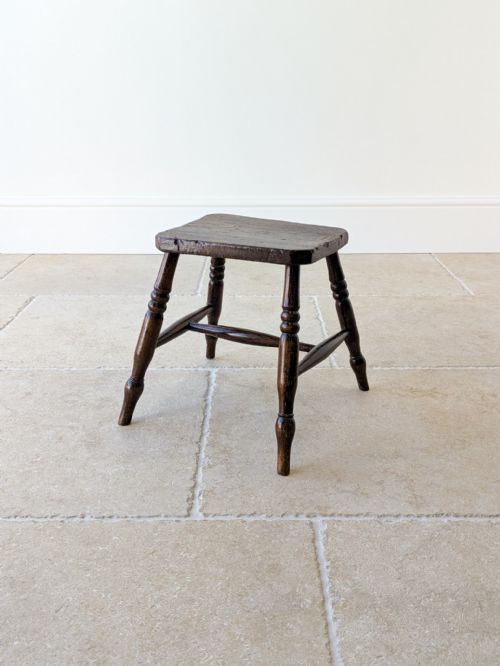
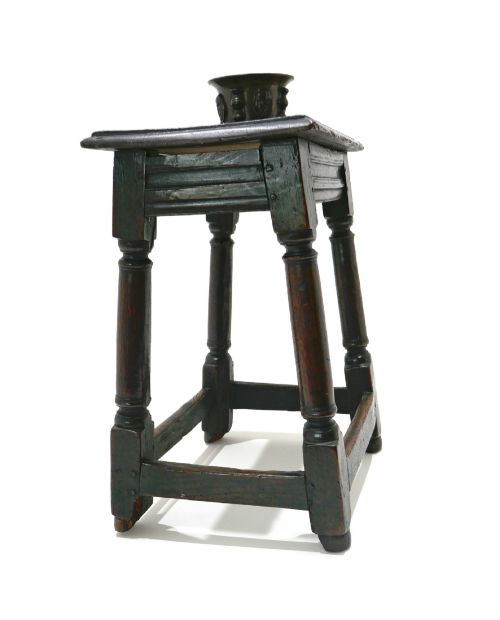
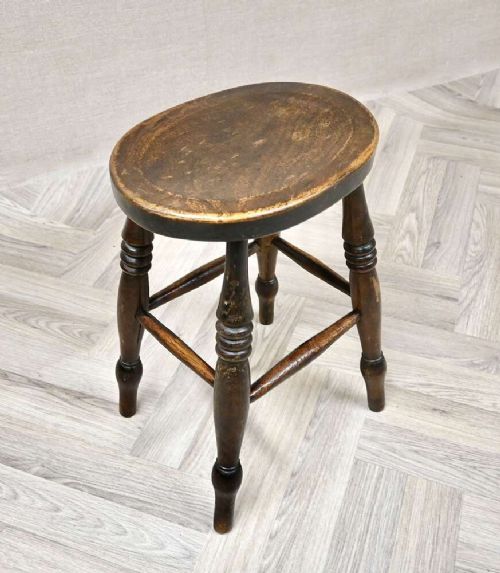
The versions most commonly met on this page range from modest three-legged milking stools and sturdy oak joint stools to nineteenth-century vernacular pieces in elm, beech, and pine. Such items often display the honest wear of daily use, connecting modern rooms directly to agricultural and domestic history.
Materials and construction methods
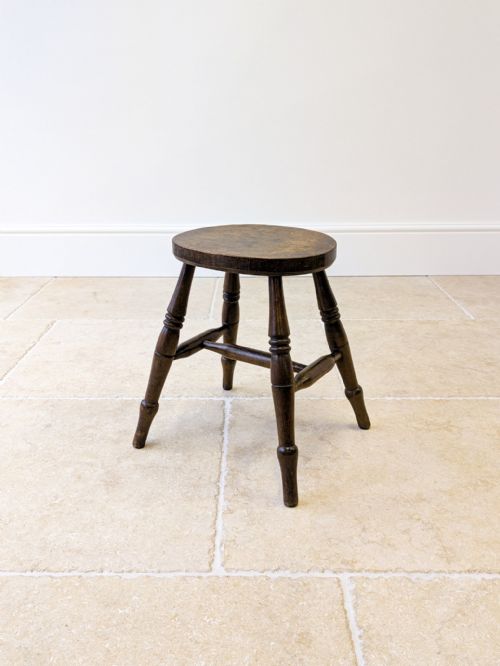
Makers utilised available local hardwoods such as oak, elm, ash, and beech, selecting timbers suited to the structural demands of each form. Early examples rely on pegged and joined construction techniques, while later nineteenth-century pieces frequently incorporate turned legs, Windsor-style seats, or simple nailed joints.
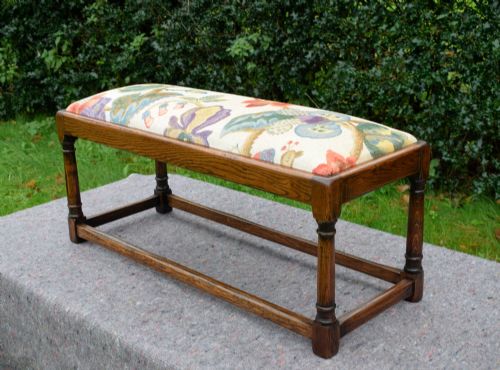
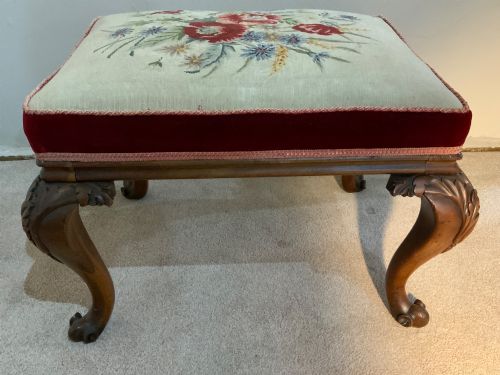
Surface treatments vary from bare scrubbed timber and rich wax finishes to remnants of original ochre, yellow, and green paint. Upholstered variants employ traditional stuffing and webbing beneath textiles such as tapestry and fabric, often added to simpler wooden frames for fireside warmth.
Antique Country Footstool Retail Price Guide 2026
Typical asking prices for country footstool among the pieces listed under this phrase on Sellingantiques today, from the lower quarter to the upper quarter. They describe what is for sale here now, not the wider market.
Several modest milking stools survive wearing coats of original ochre and green paint, having escaped decades of energetic stripping.
Assessing quality and character
Quality in an antique country footstool rests upon the integrity of its construction, the depth of the timber's patina, and the survival of original surface finishes. Pieces retaining untouched tool marks, honest structural wear, and early or original paint command greater interest than those stripped or overly restored.
Proportion and balance distinguish finer provincial work from utilitarian workshop leftovers. A well-turned leg, a thoughtfully shaped seat, or tight pegged joints demonstrate the careful eye of a vernacular maker working within regional traditions.
The Antique Country Footstool Glossary
- Joint stool
- A sturdy wooden stool constructed with mortise and tenon joints, pegged together for strength rather than relying on glue. These pieces date predominantly from the seventeenth and eighteenth centuries.
- Milking stool
- A small, portable, typically three-legged seat used by agricultural workers during milking. They often feature simple wooden seats and splayed legs for stability on uneven ground.
- Vernacular
- Objects made by regional artisans using local traditions and materials, distinct from high-style or academically designed furniture. This category embraces practical items created for everyday rural life.
- Hearth stool
- A low, long stool positioned near a fireplace for sitting or resting feet. They frequently feature upholstered tops designed for domestic comfort.
- Pegged construction
- A method of joining wooden elements using wooden pins or dowels instead of metal nails. This technique accommodates seasonal wood movement without weakening the frame.
Antique Country Footstool: Frequently Asked Questions
What is a joint stool?
A joint stool is a sturdy wooden seat built with mortise and tenon joinery secured by wooden pegs. These pieces date from the seventeenth and eighteenth centuries and served various household functions.
Their robust construction allowed them to double as small tables or steps when needed in domestic settings.
How do I identify a milking stool?
Milking stools typically feature three splayed legs and a simple wooden seat shaped to remain stable on uneven ground. They were designed to be lightweight and portable for agricultural work.
Many examples retain traces of original paint or scrubbed wooden surfaces reflecting their practical origins.
Where should I place a footstool?
These stools fit easily beside armchairs, near fireplaces, or beneath windows as low display surfaces. Their compact scale allows them to tuck away neatly when not in use.
They bring tactile warmth and regional character to both traditional and contemporary living spaces.
How are different periods told apart?
Earlier pieces from the seventeenth century rely on heavy oak, pegged joinery, and linear forms. Nineteenth-century examples introduce softer woods like pine, elm, and beech with turned legs and painted surfaces.
Examining the tool marks, timber selection, and assembly methods helps clarify the likely date of manufacture.