


Antique Counter Bell
An antique counter bell summoned service in Victorian shops and hotels, offering satisfying utility and pleasing period design for a desk or hall.
Antique Counter Bell
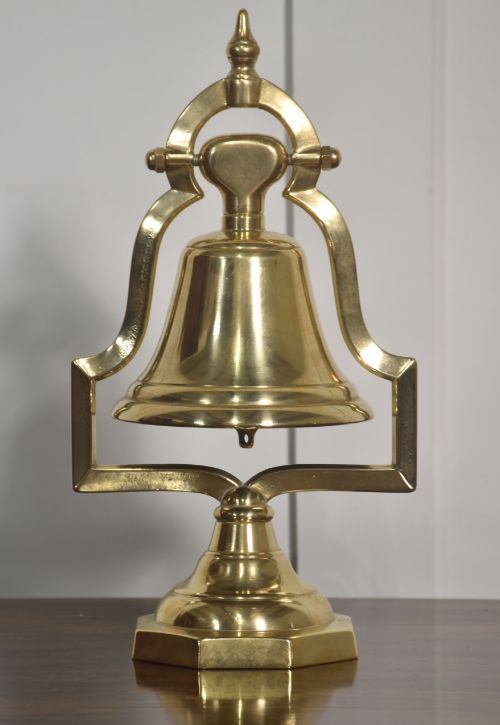
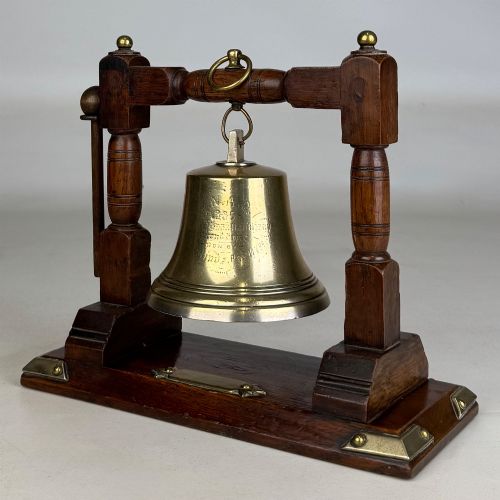
An antique counter bell serves as a tactile piece of commercial and domestic history, designed to sit upon a shop counter, hotel reception desk, or country house hallway table to summon attention with a crisp ring. The most common examples met on this page are sturdy brass instruments, often shaped in the classic beehive profile or mounted upon polished oak bases, dating primarily from the Victorian and Edwardian eras.
Beyond standard brass domes, collectors encounter variations including mechanical novelty designs cast as animals such as pigs, cats, or elephants, alongside silver-plated or sterling silver pieces intended for more formal interior settings. These objects bridge the gap between utilitarian shop fittings and decorative desk accessories, combining functional mechanisms with period craftsmanship.
Materials and Construction
The construction of these pieces relies heavily on cast brass, bronze, and iron, chosen for durability in daily service and the ability to produce a bright, resonant tone when struck. Metal domes are frequently polished to a high shine or left with a warm, patinated finish, paired with turned wooden bases made from oak or ebonised wood to provide stability and visual contrast.
Internal spring mechanisms and plungers convert downward pressure into a sharp hammer strike against the interior of the dome. More elaborate examples incorporate figural cast metal bodies, sterling silver casing, or mounted glass elements, reflecting the manufacturing standards of nineteenth and early twentieth-century metalworkers.
Antique Counter Bell Retail Price Guide 2026
Typical asking prices for counter bell among the pieces listed under this phrase on Sellingantiques today, from the lower quarter to the upper quarter. They describe what is for sale here now, not the wider market.
Some Victorian shopkeepers welcomed customers with mechanical bells shaped as pigs, cats, and hunting dogs that chimed at the press of a paw.
Distinctions in Quality
Quality in these items rests upon the weight of the metal, the clarity of the ring, and the integrity of the internal spring mechanism. Substantial cast brass domes with thick walls produce a resonant, sustained tone, whereas lighter pressings yield a flat, abrupt sound.
The refinement of the casting in figural pieces, such as animal forms or detailed floral bases, separates standard utility items from superior decorative examples. Original matched components, including the wooden stand and mounting screws, retain the historical integrity expected by discerning collectors.
William Comyns
The Antique Counter Bell Glossary
- Beehive bell
- A bell shaped with stepped, rounded contours resembling a traditional straw beehive. This profile is among the most frequently encountered brass desk accessory forms from the nineteenth century.
- Plunger mechanism
- A spring-loaded internal hammer activated by pressing down on the top of the dome or a dedicated button. It allows the bell to sound rapidly without lifting the object.
- Figural bell
- A bell cast in the likeness of an animal, human figure, or object rather than a standard geometric dome. These novelty pieces often depict domestic pets or farm animals.
- Registration diamond
- A British statutory mark used between 1842 and 1883 that indicates the exact date a design was submitted for legal protection. It provides a reliable chronological anchor for dating the piece.
Antique Counter Bell: Frequently Asked Questions
How do you ring a desk bell?
Most desk and counter bells operate via a vertical plunger or a push-button on top that drives an internal hammer against the inside of the dome.
Some Edwardian and Victorian variants use a lever or feature a pivoting design mounted on a wooden or cast metal base.
Where were counter bells used?
These bells saw widespread use in Victorian retail shops, hotel reception desks, railway stations, and large country houses.
They served as an efficient method for customers or household staff to summon attention from another room or behind a counter.
How do you date an antique bell?
Dating relies on stylistic clues, material composition, and official stamps such as British registration diamonds found on the metal surface.
Victorian and Edwardian examples often display distinct casting techniques and patination that distinguish them from later twentieth-century reproductions.