


Antique Reception Bell
An antique reception bell summons attention with a crisp ring, uniting utilitarian daily purpose with period desk-top style.
Antique Reception Bell
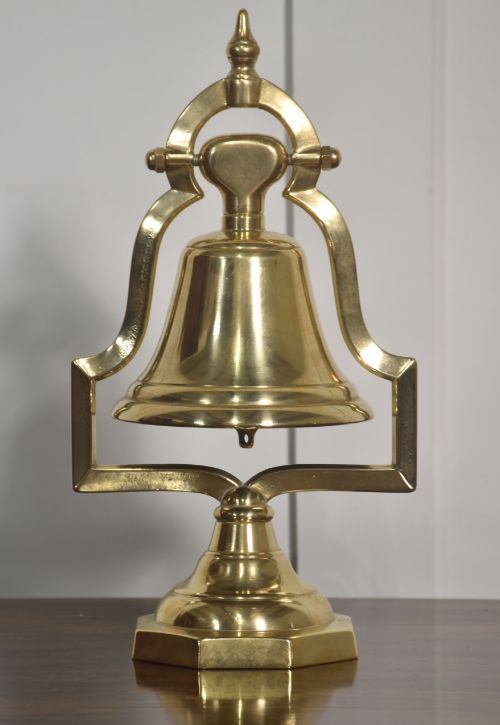
An antique reception bell is a functional table or counter accessory designed to summon service in shops, country houses, and hotels. The specimens encountered most frequently on this page are sturdy Victorian and Edwardian examples intended for everyday use.
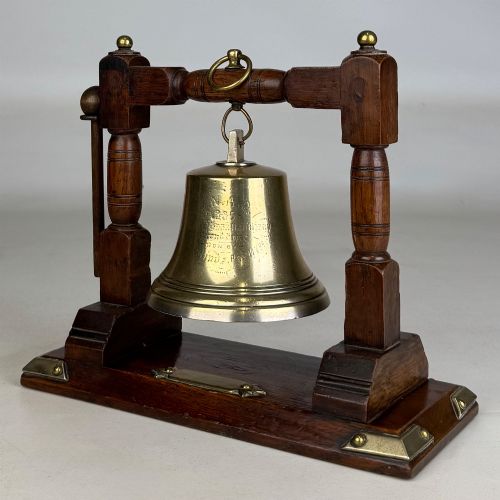
Forms range from simple domestic table bells and dinner gongs to heavy shop and hotel counter bells mounted on wooden bases or ornate metal stands.
These pieces originate predominantly from the nineteenth and early twentieth centuries, spanning the Victorian and Edwardian eras.
How they were made
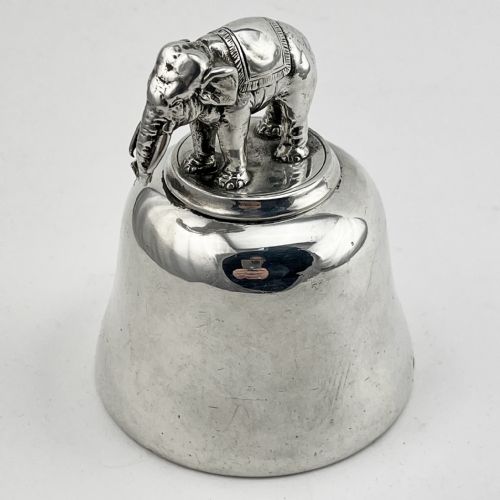
The primary materials recorded in these pieces are brass and sterling silver, frequently paired with wooden plinths made from oak or mounted on heavy bronze and steel bases.
Metals were cast and polished, while silver components were shaped to create resonant domes and fitted mechanisms for daily use.
A good counter bell demands a sharp, assertive ring that carries across a bustling Victorian shop.
What varies in quality
Quality rests in the weight of the metal, the clarity of the ring, and the integration of any wooden stand or cast base.
Solid sterling silver models and heavy Victorian brass or bronze pieces demonstrate superior material substance compared to lighter silver-plated variants.
The Antique Reception Bell Glossary
- Counter bell
- A bell designed to sit on a shop or hotel counter for summoning assistance. These often feature robust mountings to withstand frequent striking.
- Dinner gong
- A larger hanging or table-mounted bell used to announce meals in country houses. They produce a deeper, more resonant tone than small desk bells.
- Table bell
- A compact bell placed on a surface for domestic service use. They are frequently made of brass or sterling silver.
- Sterling silver
- A silver alloy containing ninety-two point five percent silver by mass. This material provides considerable weight and a bright ring to desk bells.
Antique Reception Bell: Frequently Asked Questions
Where were these bells used?
These bells served in varied commercial and domestic environments, including retail shops, hotel reception desks, and large country houses.
They stood within easy reach of staff and proprietors to maintain prompt service for visitors.
How do I date a brass bell?
Dating relies on observable design characteristics, period styles such as Art Nouveau or Victorian revival, and construction methods.
Makers often marked pieces with registration dates or silver hallmarks that clarify the year of manufacture.
Are silver bells fragile?
Solid sterling silver bells possess substantial metal thickness designed for continuous handling and striking.
Proper care involves gentle cleaning to preserve the metal surface without wearing down historical details.
What is an oak stand used for?
An oak stand provides a stable, weighted base that anchors the metal bell and dampens vibration.
These wooden plinths add visual presence to the desk accessory on a counter.