


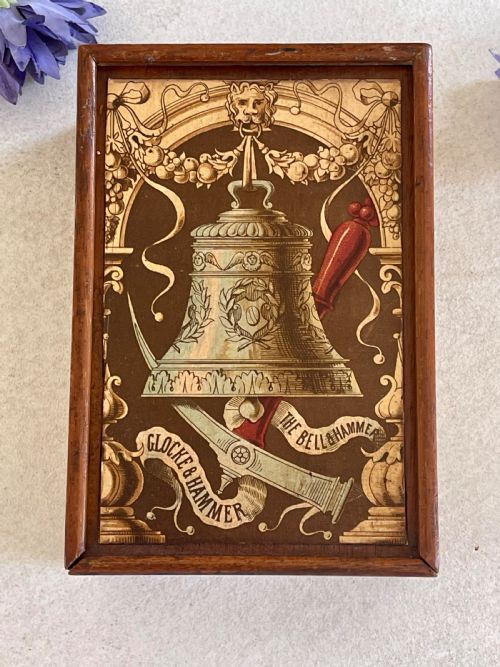


Edwardian Table Bell
An edwardian table bell is a practical and decorative desktop or dining accessory, bringing period charm and a crisp ring to any room.
Edwardian Table Bell
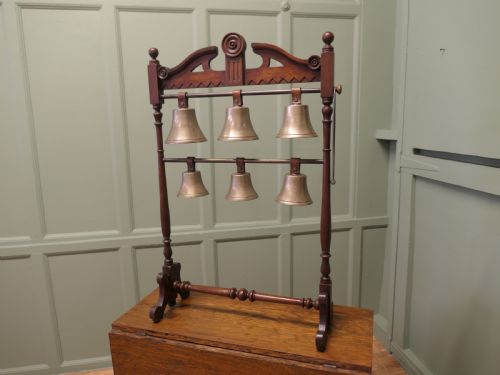
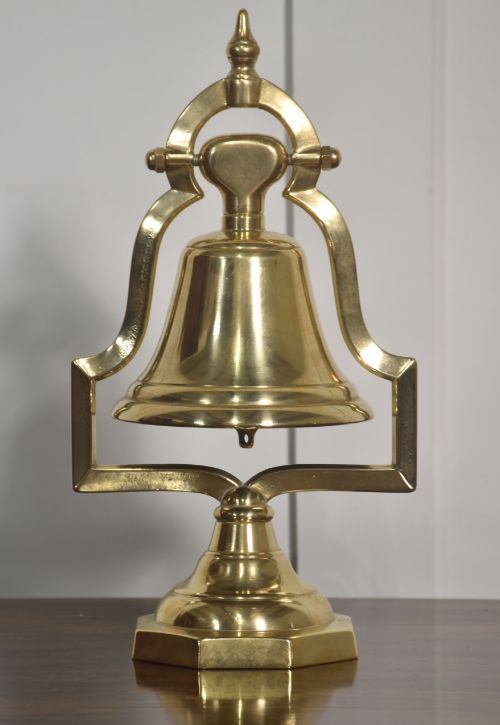
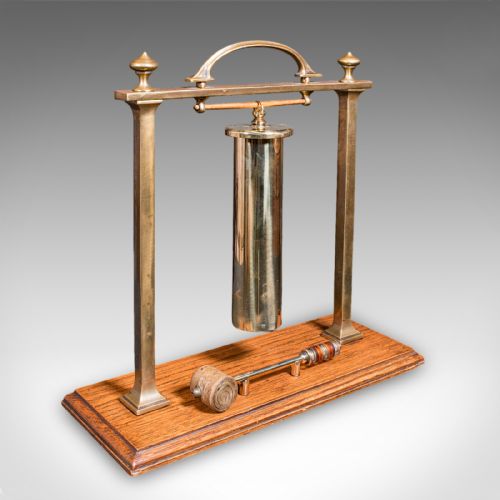
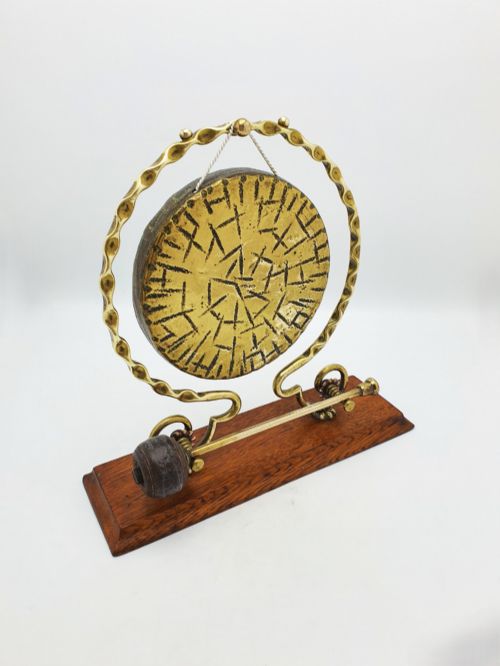
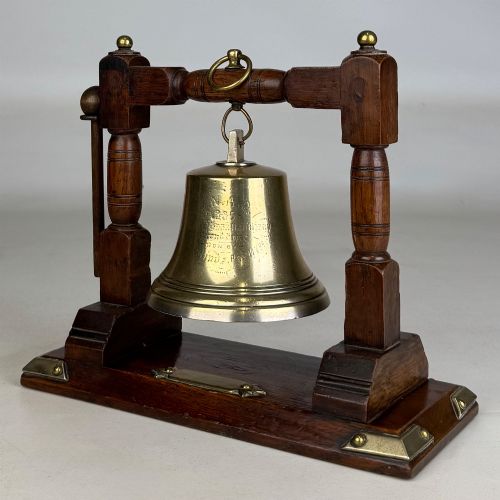
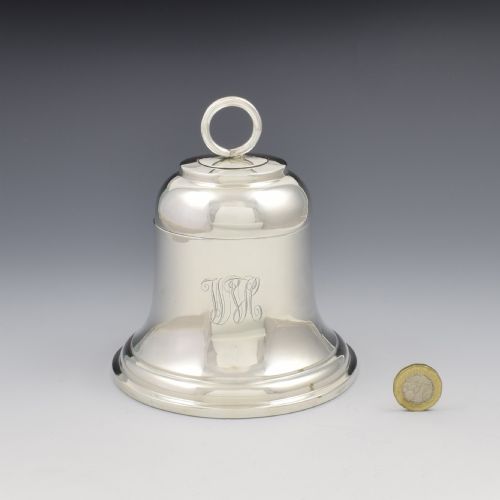
An edwardian table bell encompasses a range of striking instruments, from compact desk bells to large oak-mounted dinner gongs designed for afternoon tea or summoning staff. The pieces you encounter most frequently on this page combine cast brass bells with carved oak or walnut stands, alongside silver-plated examples produced around the early twentieth century.
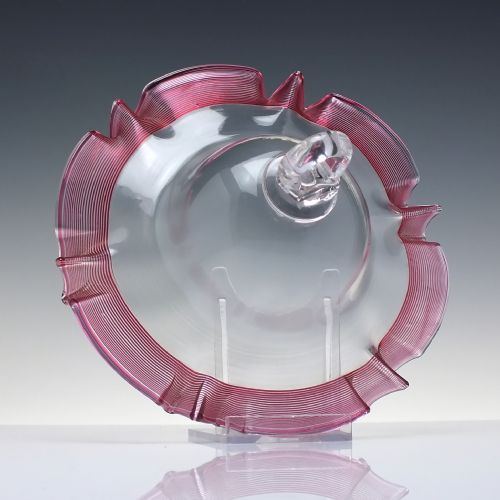
Makers of the period drew upon diverse artistic influences, resulting in objects shaped by Art Nouveau curves, Chinoiserie motifs, and rustic wooden mountings. Alongside standard table bells, you find related forms such as counter bells, game bells with hammers, and suspended gongs equipped with their original strikers.
Materials and construction
The construction of these pieces relies on a pairing of resonant metal and solid timber. Brass, bronze, and sterling silver form the ringing components, shaped by casting and hammering to achieve a clear tone.
Mounts and bases utilise quarter-sawn oak, walnut, and turned wood, often carved with period details or fitted with glass domes and silver plating.
Distinctions in craftsmanship
Quality in these items rests upon the weight of the metal and the stability of the mount. Heavier brass and thick silver plating produce a sustained, resonant tone, whereas thinner components yield a flat sound.
Superior examples exhibit crisp casting detail on figural bases and tight joinery in the wooden frames, whereas simpler utility items rely on plain turned pedestals without decorative flourish.
Heals·William Birch
The Edwardian Table Bell Glossary
- Gong
- A suspended metal disc or bowl struck with a mallet to produce a deep tone. These often hang within elaborate wooden or brass frames for dining rooms.
- Counter bell
- A spring-loaded bell designed for shops and hotels, sounded by depressing a plunger on top. They frequently feature ornate brass bases.
- Sterling silver
- A silver alloy containing ninety-two point five percent pure silver, commonly hallmarked on desk bells and inkwells from the period.
- Silver plate
- A layer of silver fused to a base metal core, used to give the appearance of solid silver on domestic bells and tableware.
- Art Nouveau
- A decorative style characterised by flowing, organic plant lines, frequently seen on cast brass table gongs from the turn of the twentieth century.
Edwardian Table Bell: Frequently Asked Questions
How were table bells used?
These bells served practical purposes in homes and businesses, from calling household staff to signalling service in shops and hotels.
Larger gongs summoned family members to dinner or afternoon tea, while smaller desk bells sat upon reception counters or dressing tables.
What metals are used for the bells?
Most bells are cast from brass or bronze to ensure a bright, ringing tone when struck or plunged.
Some examples feature sterling silver or silver plate over a base metal, particularly those intended for refined interior settings.
How do I care for wooden stands?
The oak and walnut bases require simple dusting with a dry cloth to protect the polished wood surfaces.
Avoid using harsh chemical cleaners on the metal components, as this can strip the aged patina from the brass or bronze.
Are all these pieces from the Edwardian era?
While the selection focuses heavily on the Edwardian period and the early twentieth century, you will also spot Victorian and late nineteenth-century items.
Stylistic shifts range from heavy Victorian brasswork to flowing Art Nouveau designs and rustic wooden mountings.