






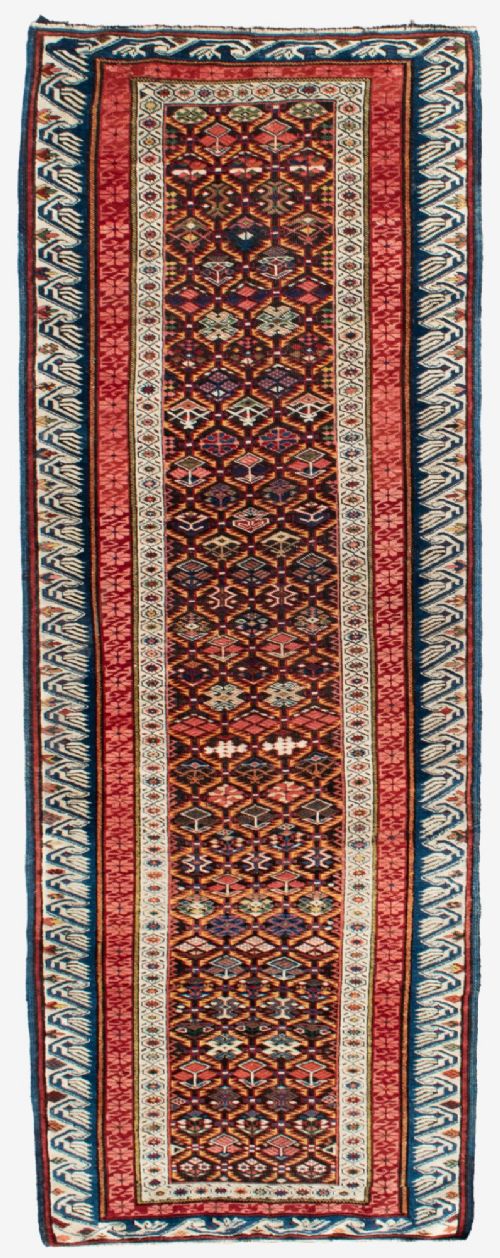
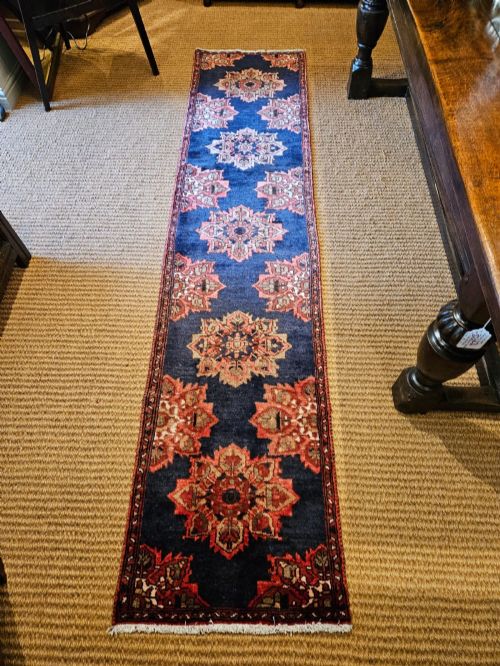
Antique Corridor Rug
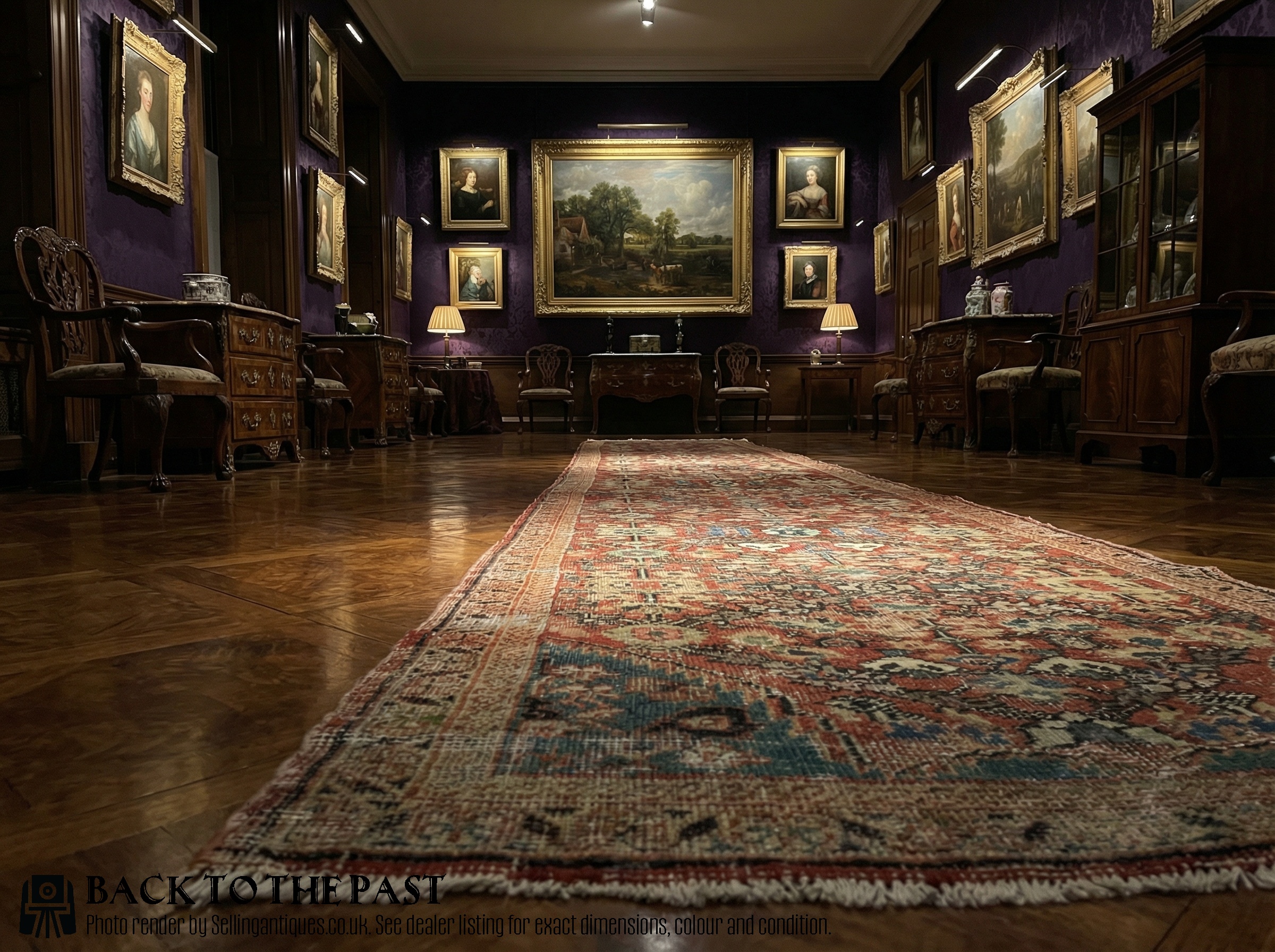
An antique corridor rug brings undeniable character to a hallway, offering rich wool pile and traditional motifs designed to handle high-traffic spaces.
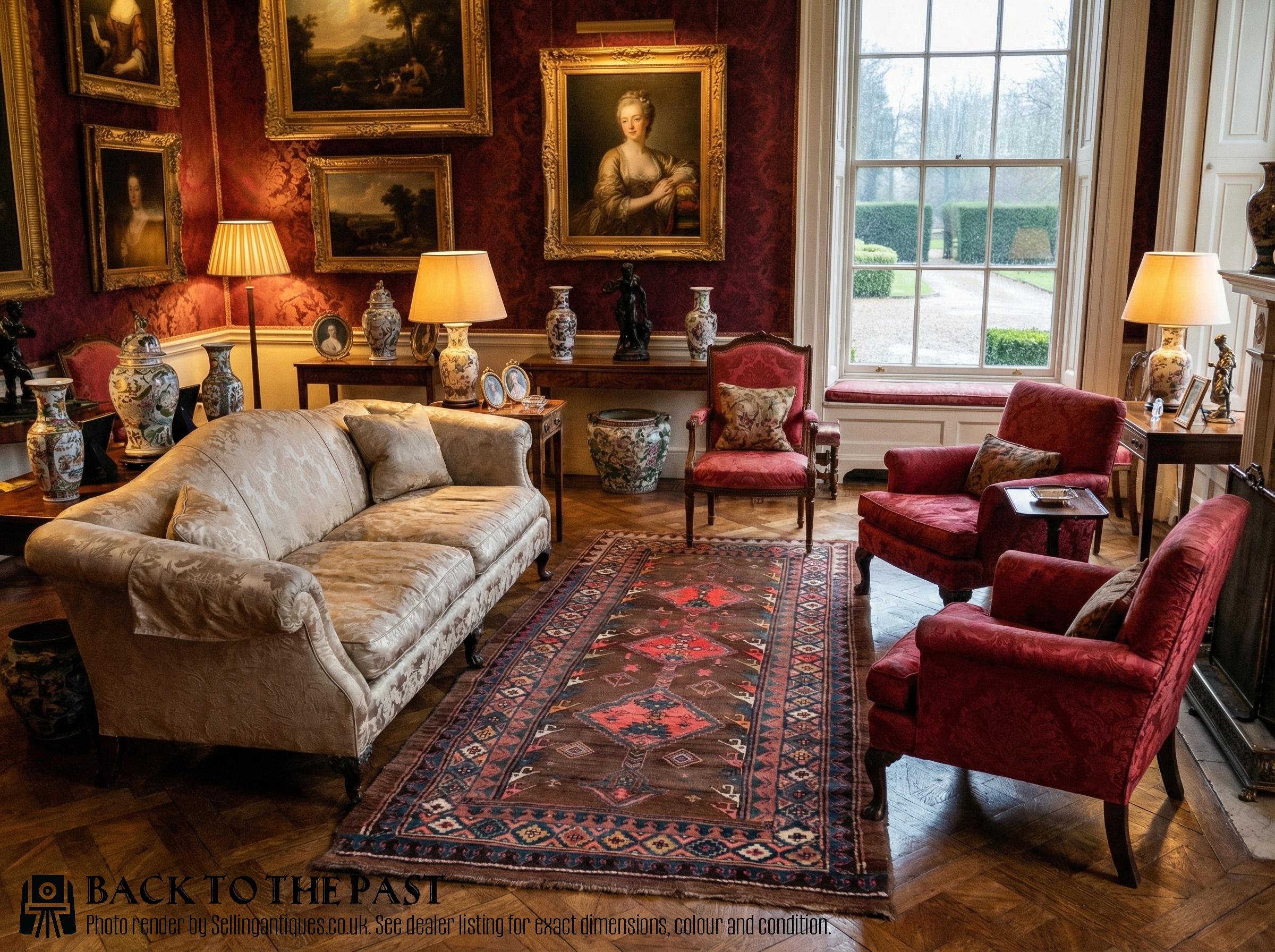
Antique Corridor Rug
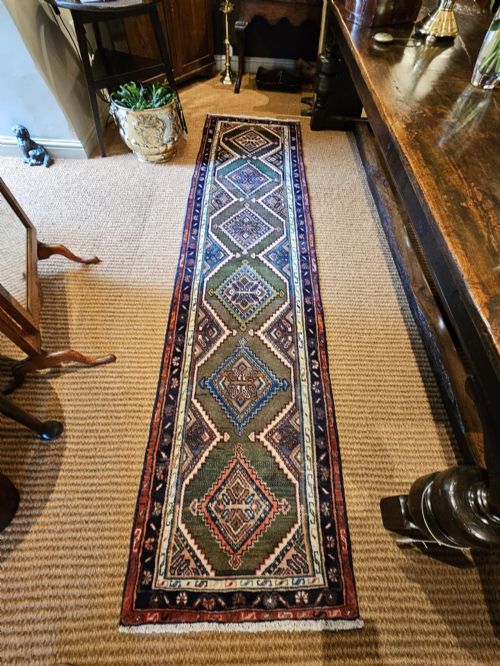
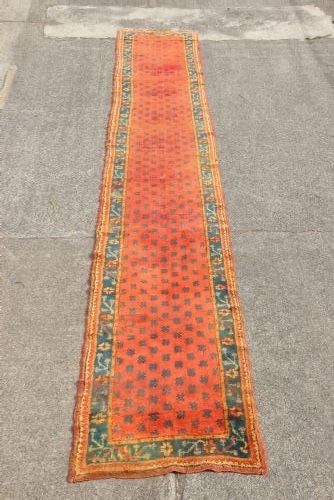
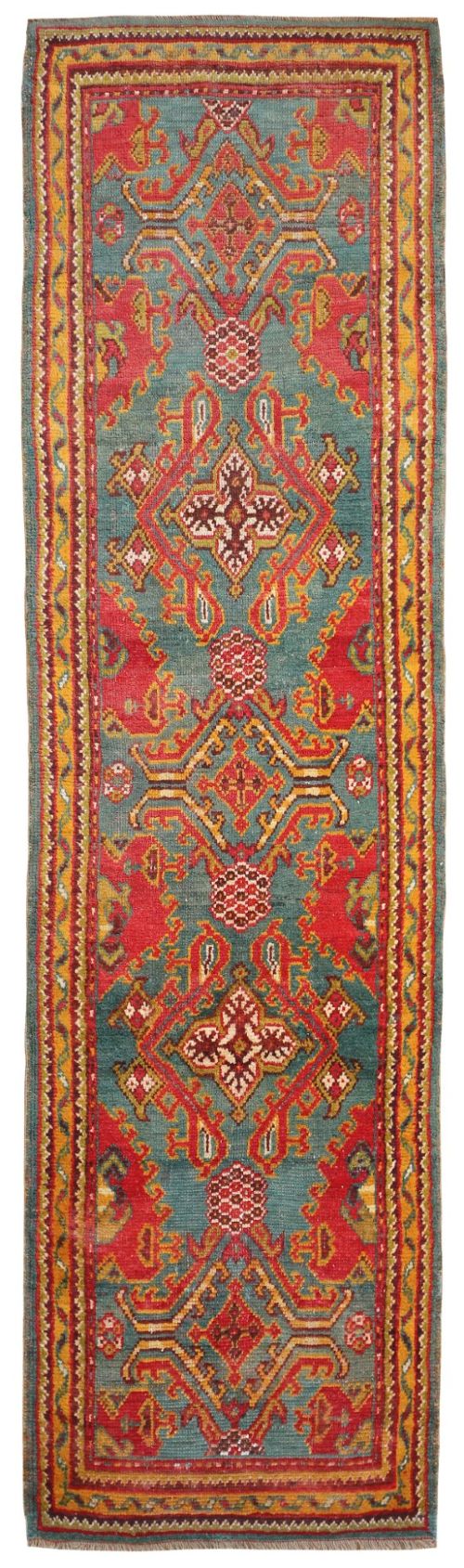
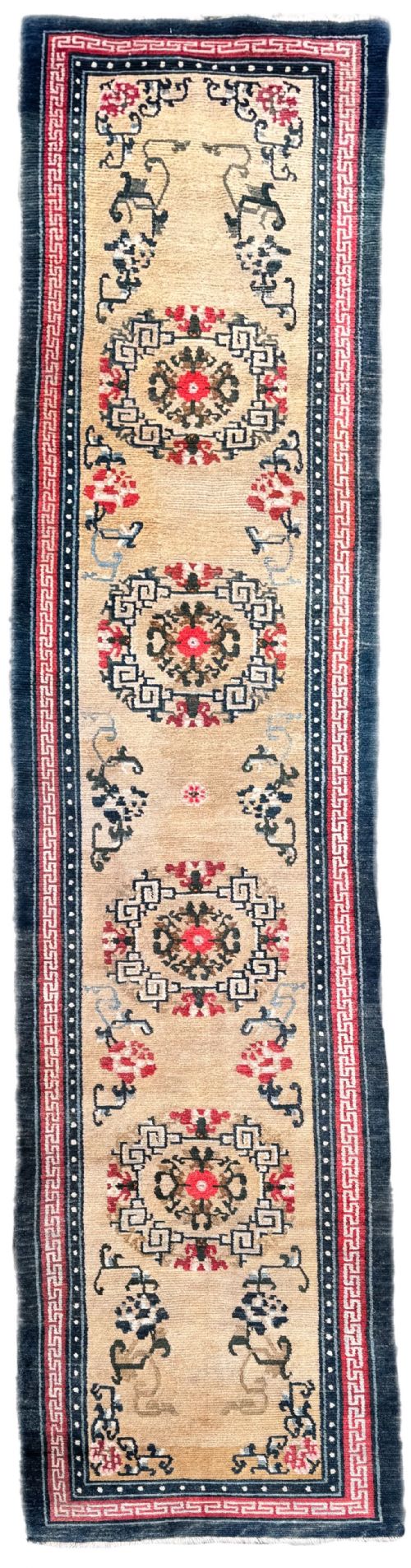
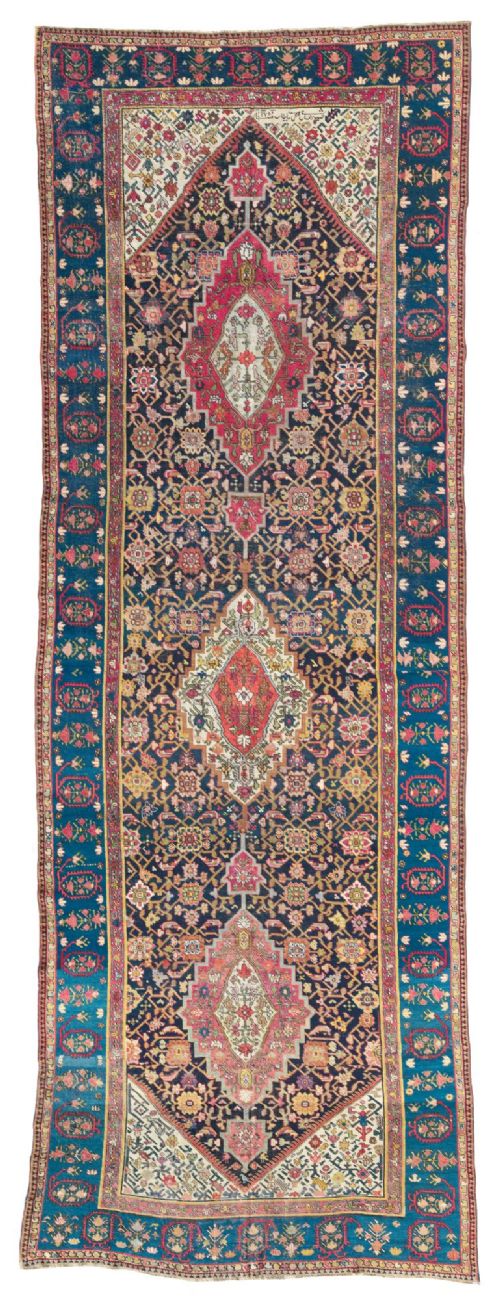
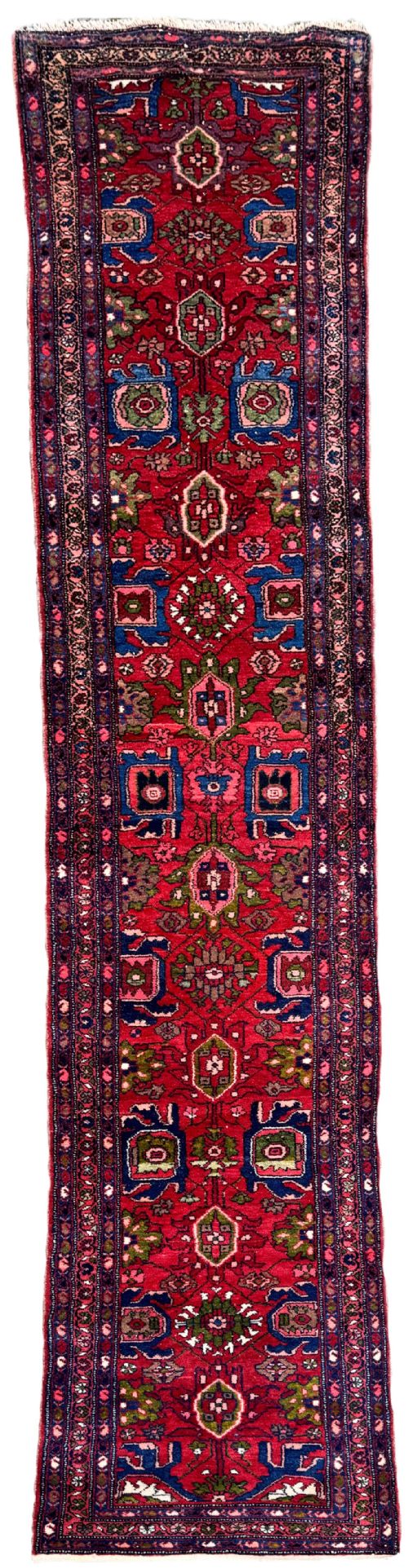
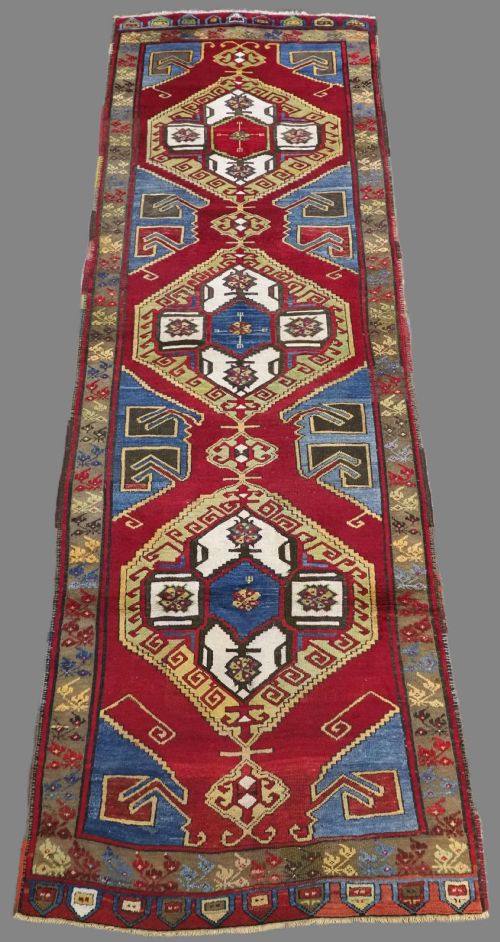
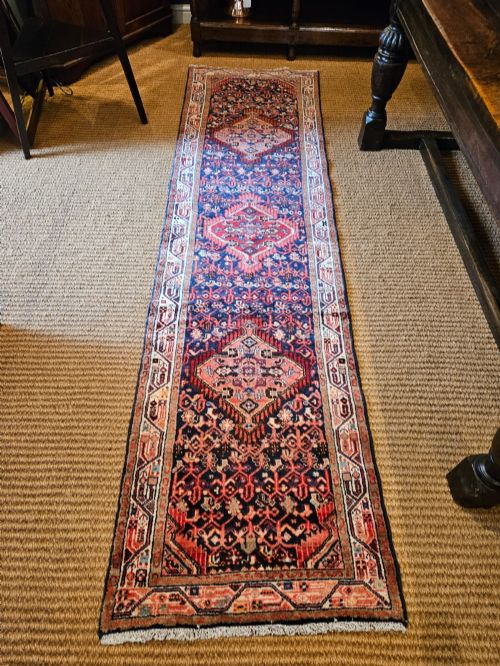
An antique corridor rug covers long, narrow spaces such as hallways, landings and passageways where standard square carpets simply do not fit. These elongated textiles are commonly designated as runners or long rugs, designed specifically to draw the eye along a linear path.
The selections encountered here span the late nineteenth century and the early twentieth century, originating from weaving traditions across Persia and the Caucasus. Examples range from structured Heriz and Mahal room runners to expressive Kurdish tribal pieces and geometric Caucasian Talish long rugs.
Buyers will find distinct formats among these listings, including narrow Persian runners with shrub designs, Khorossan carpets of grander scale, and rustic tribal weaves. Each piece reflects the specific regional knotting techniques and cultural aesthetics of its origin.
How they were made
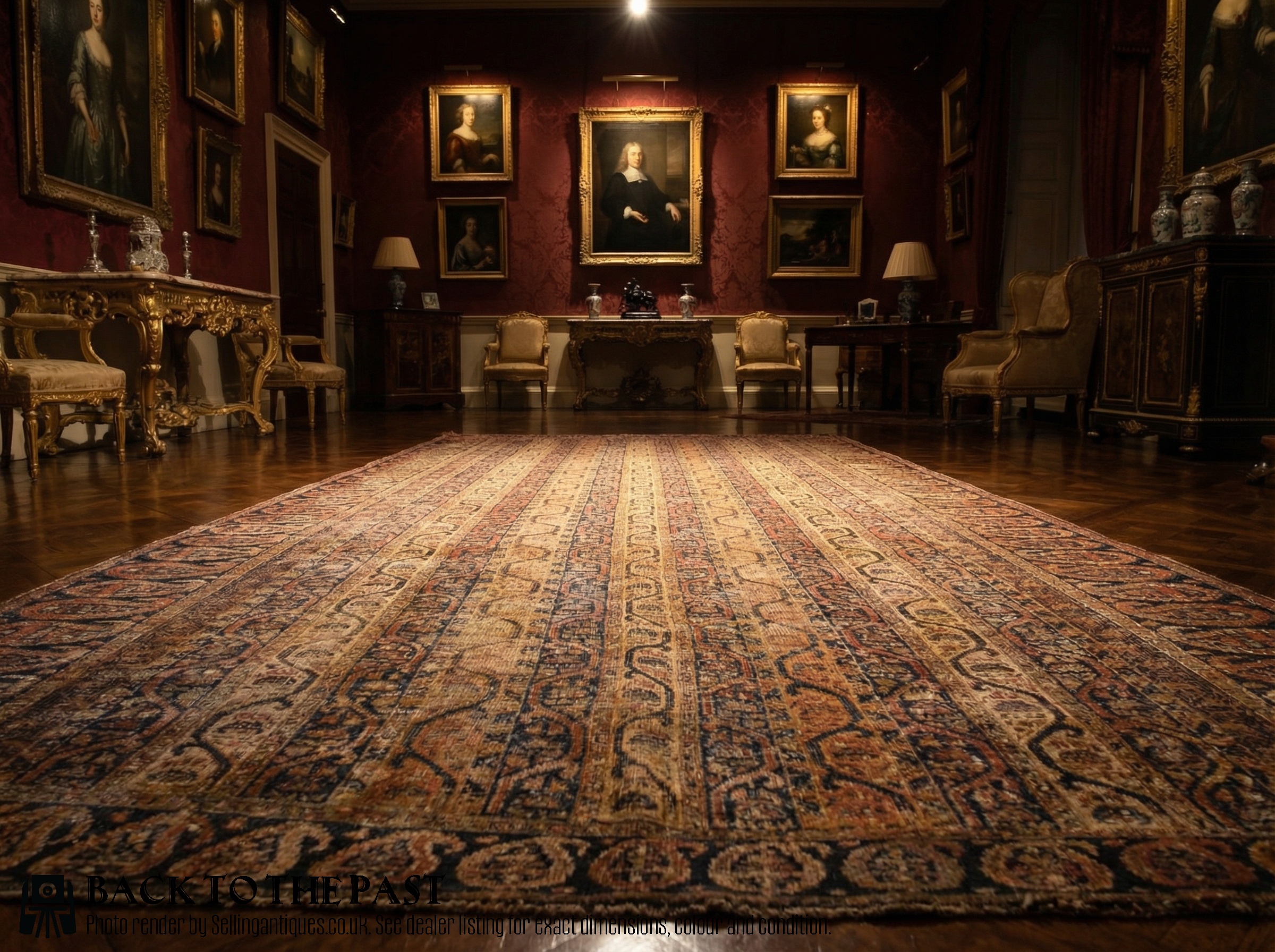
These floor coverings are constructed primarily from hand-spun wool pile knotted tightly onto supportive cotton foundation warps and wefts. The natural resilience of wool provides the dense texture necessary for enduring centuries of footsteps.
Weavers utilised natural dyestuffs extracted from roots, plants and minerals to colour the fleece before hand-knotting each individual tuft onto the loom. This traditional method yields deep, nuanced tones that mellow gracefully over decades of use.
Antique Corridor Rug Retail Price Guide 2026
Typical asking prices for corridor rug among the pieces listed under this phrase on Sellingantiques today, from the lower quarter to the upper quarter. They describe what is for sale here now, not the wider market.
Listings feature pieces spanning the decades from 1880 to 1920, incorporating both wool and cotton materials.
What varies in quality
Quality rests in the precision of the knot density and the crispness of the geometric or floral drawing. Finer weaves display intricate detail in borders and medallions, whereas simpler tribal pieces lean towards bold, unfussy abstractions.
The integrity of the original selvedges and ends dictates the overall preservation of the textile. Pieces retaining their original outer cords and untouched proportions command greater appreciation among collectors.
The Antique Corridor Rug Glossary
- Runner
- A long, narrow carpet format specifically proportioned for corridors, hallways and stairs. This shape guides movement through architectural spaces.
- Warp
- The vertical foundation threads stretched lengthwise on the loom before knotting begins. Wool or cotton warps provide the structural backbone of the textile.
- Weft
- The horizontal threads passed alternately over and under the warp threads after each row of knots. This locks the pile firmly into position.
- Selvedge
- The bound outer edges of a rug running parallel to the warp, protecting the structure from fraying. Original selvedges indicate careful preservation.
- Pile
- The upright cut ends of the knotted yarn that form the usable surface of the rug. Its depth and density determine how the textile feels underfoot.
Antique Corridor Rug: Frequently Asked Questions
Where should an antique corridor rug go?
These elongated textiles suit narrow domestic spaces such as entrance halls, long corridors, galley kitchens and bedside placements. Their linear format naturally connects adjoining rooms while protecting underlying floorboards.
Ensure the chosen space allows adequate clearance for doors to swing open freely over the pile thickness. Using a quality underlay prevents slipping and cushions the weave against hard stone or timber floors.
Are these rugs durable enough for hallways?
Traditional hand-knotted wool textiles are inherently robust and designed precisely for heavy domestic foot traffic. The natural lanolin present in vintage wool resists dirt and repels moisture effectively.
Rotating the textile periodically ensures even wear patterns develop across the length of the runner. Placing it away from direct, harsh sunlight preserves the original vegetable dyes.
How can I tell Persian from Caucasian rugs?
Persian examples often feature curvilinear floral patterns, all-over shrub designs and sophisticated medallion layouts. Their knotting structure tends to incorporate pliable cotton foundations alongside dense wool pile.
Caucasian pieces lean towards starker geometric layouts, sharp polygons and vibrant primary colour palettes. These tribal weaves showcase bold abstraction and distinct regional border signatures.