

Antique Corner Storage Cabinet
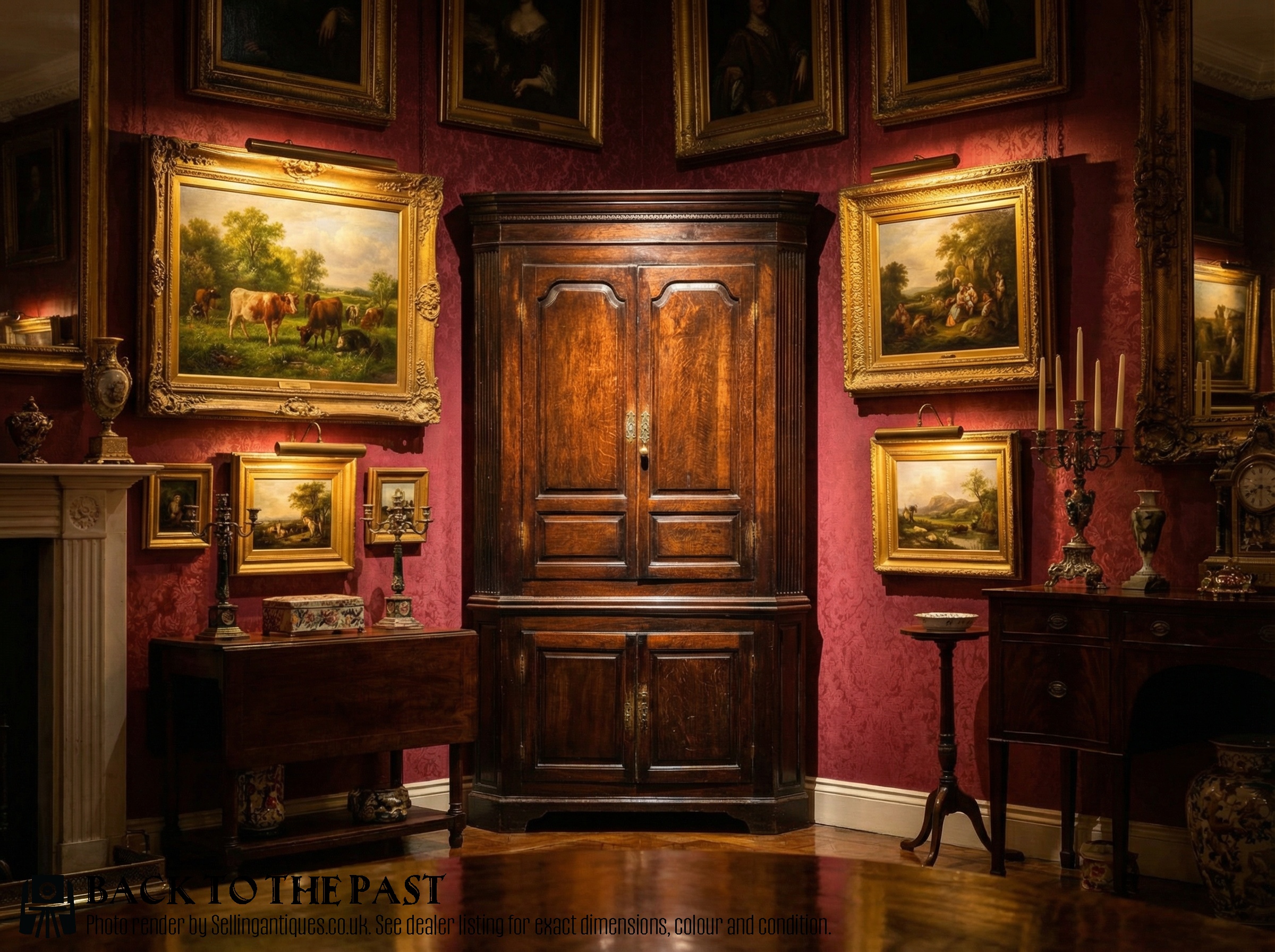
An antique corner storage cabinet turns dead wall space into architectural interest while hiding clutter behind panelled doors.
Antique Corner Storage Cabinet
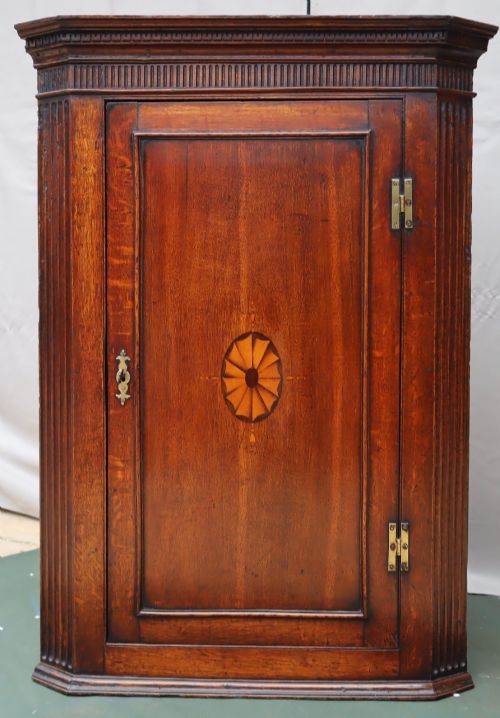
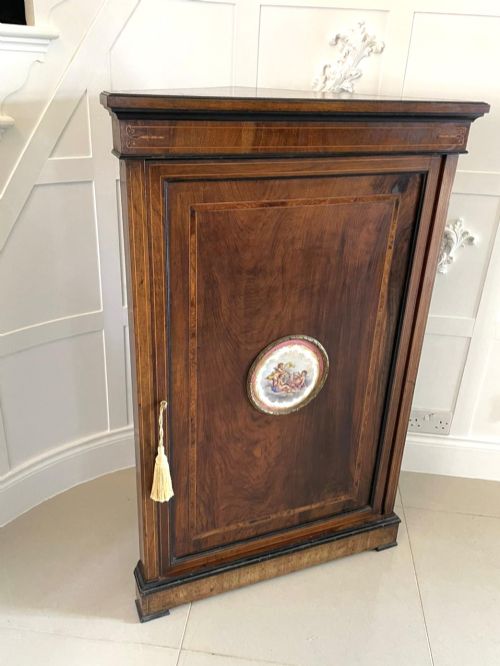
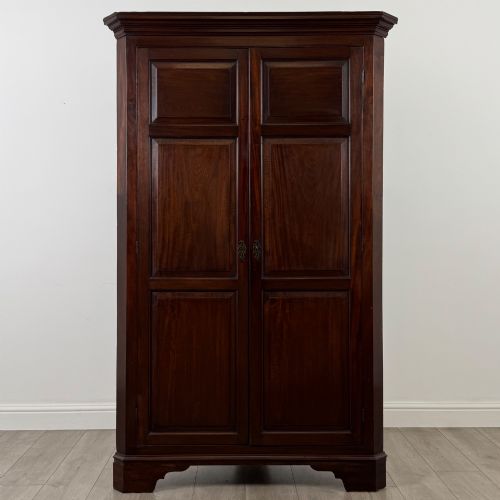
When you search for an antique corner storage cabinet, you look at fitted furniture designed specifically to utilise the 90-degree angles of a room. These pieces appear across periods from the Georgian era through to the Victorian age and into the early twentieth century.
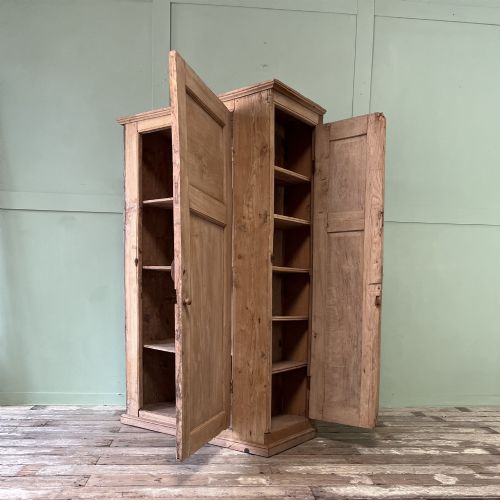
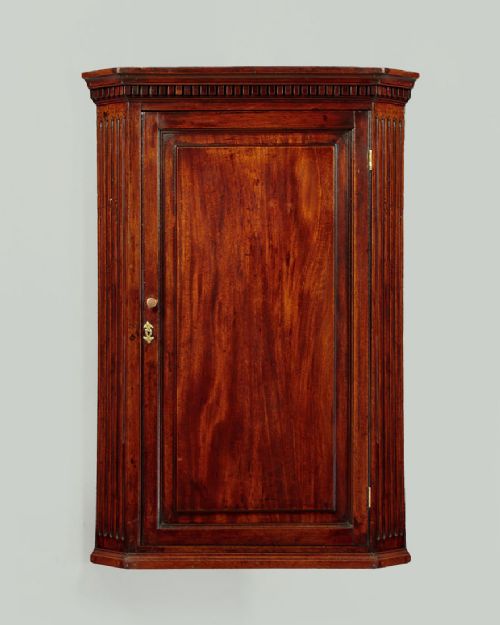
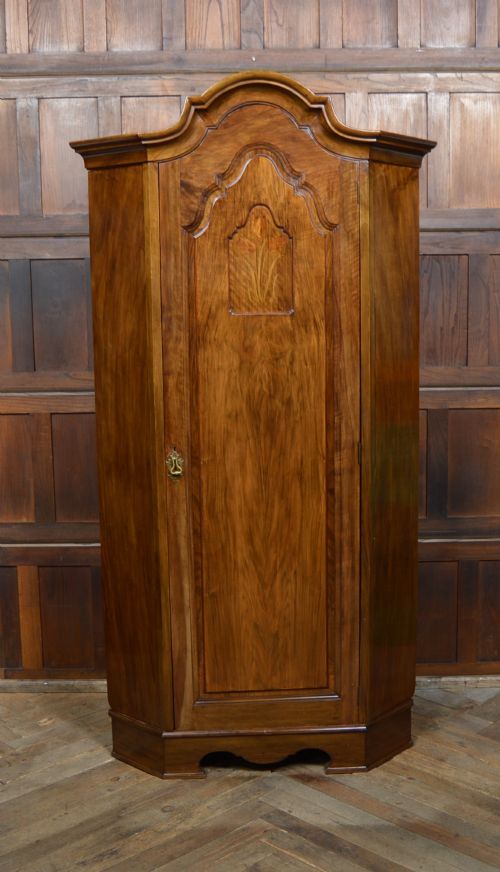
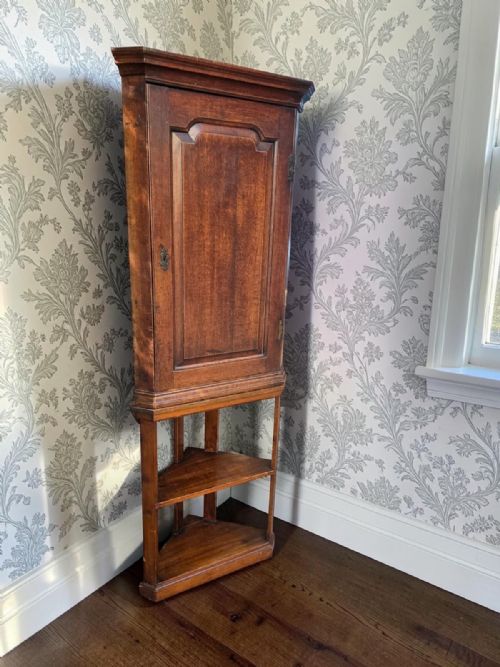
The most common formats on this page are wall-mounted cupboards and taller floor-standing cabinets. They utilise otherwise wasted space while bringing timber and craftsmanship into domestic interiors.
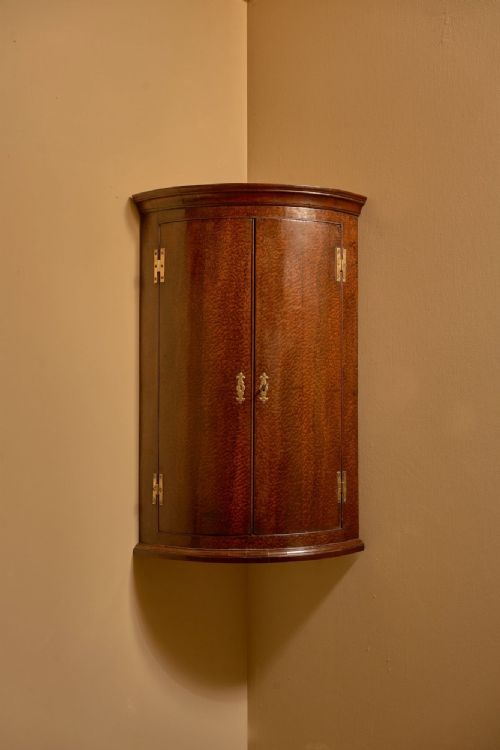
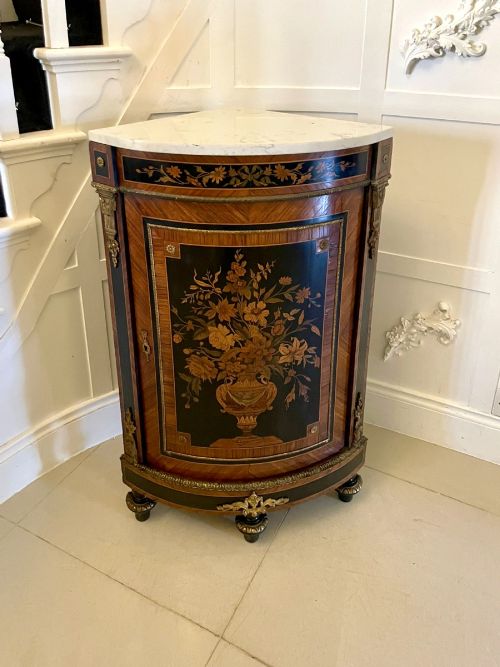
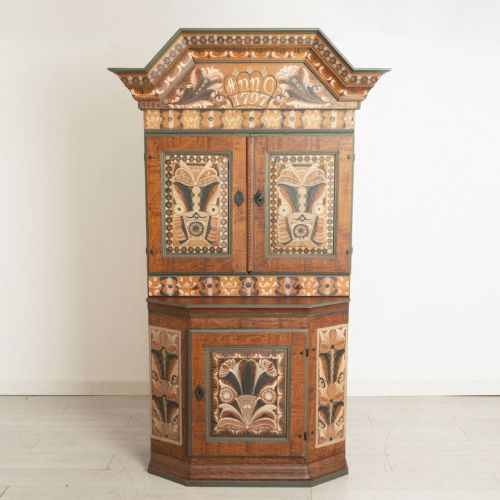
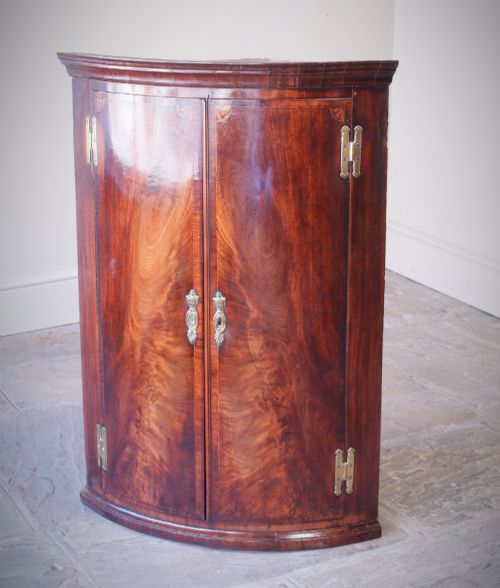
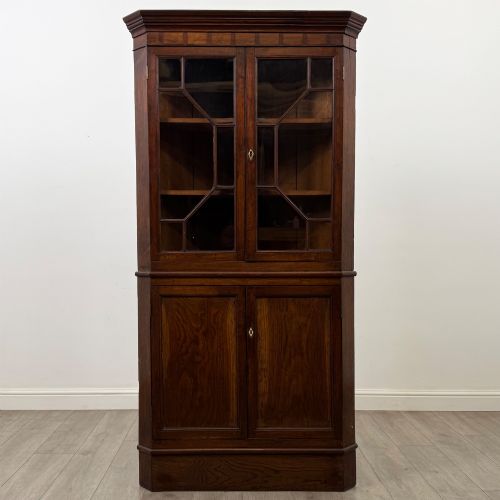
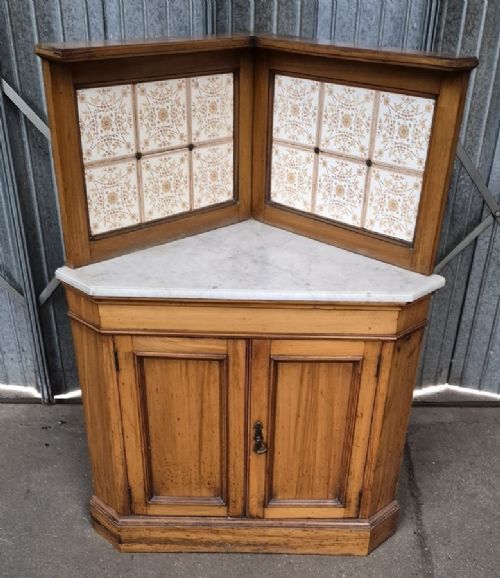
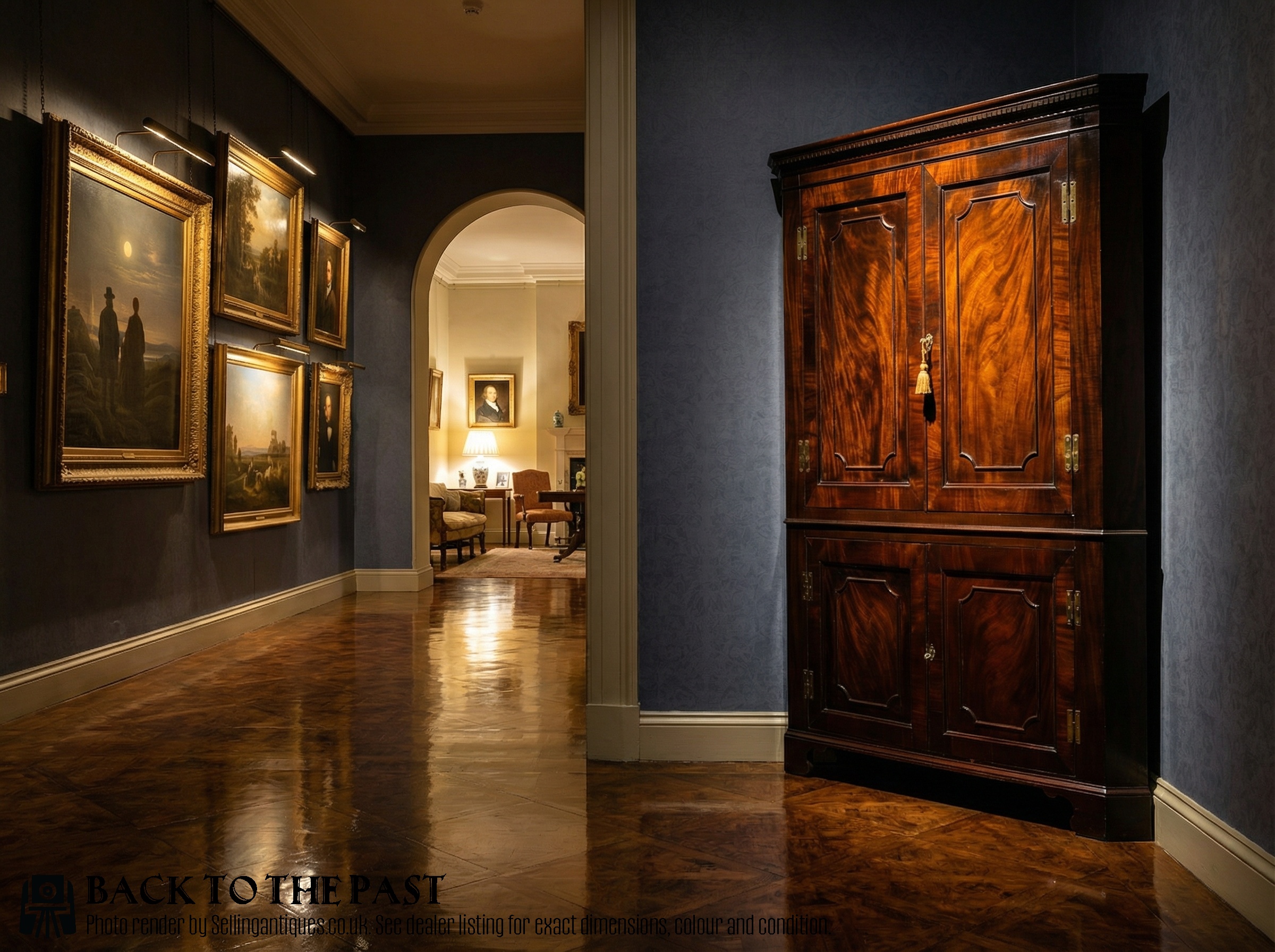
The evidence shows various configurations including bow-front shapes, two-part forms, and pieces fitted with glass doors or marble tops. These items serve as functional storage while anchoring the architecture of a room.
Materials and construction methods
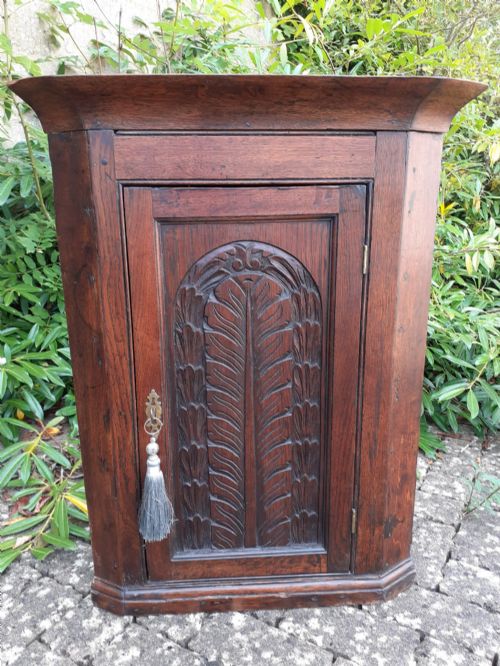
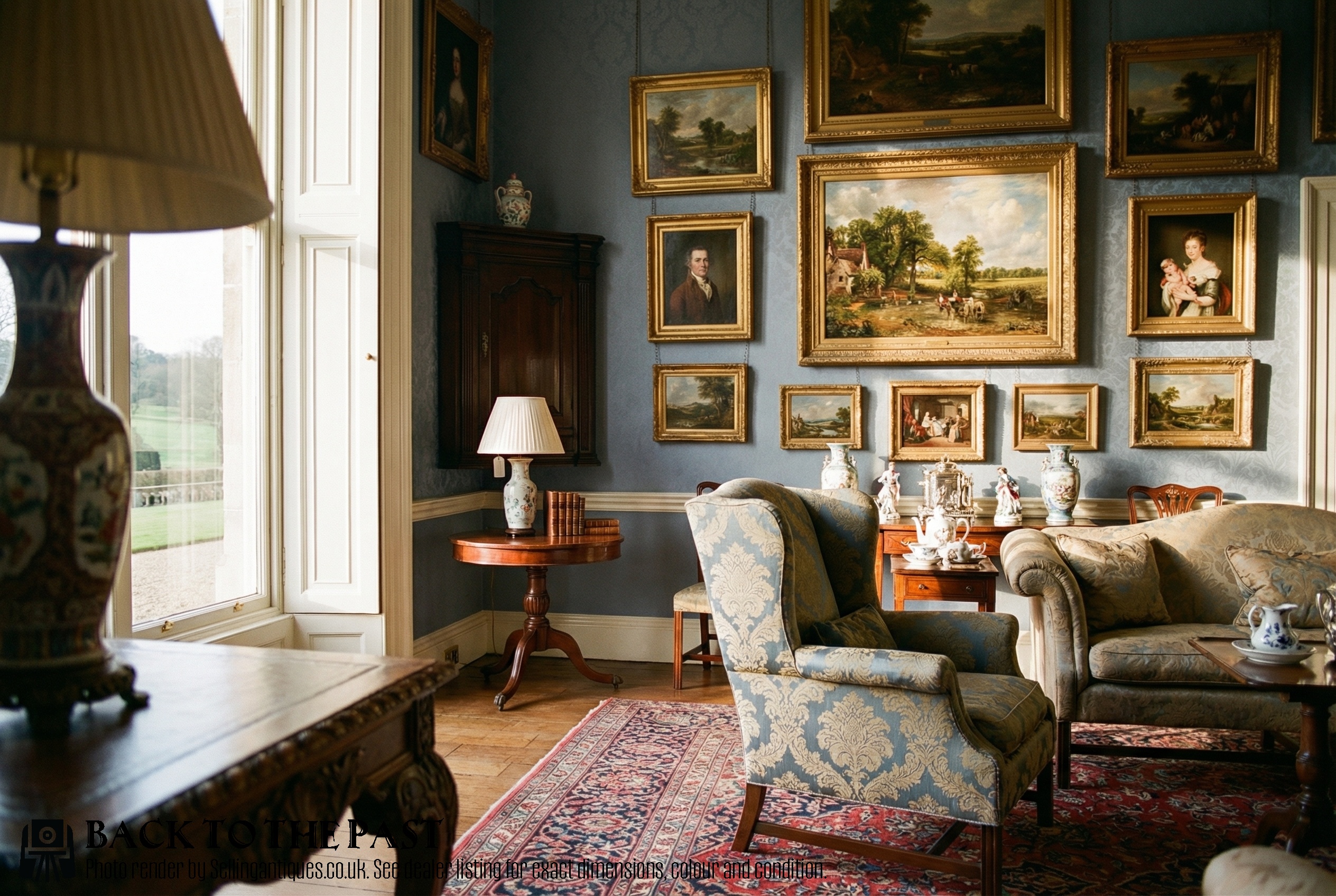
Cabinet makers utilised hardwoods like oak, mahogany, walnut, and elm alongside softer pine. Timber selection dictated whether a piece received a polished finish, intricate marquetry, or a painted surface.
Construction techniques include joining timber for wall-hanging units and building robust two-part forms for floor-standing examples. Brass hardware such as hinges and escutcheons secure the doors and complete the structure.
Antique Corner Storage Cabinet Retail Price Guide 2026
Typical asking prices for corner storage cabinet among the pieces listed under this phrase on Sellingantiques today, from the lower quarter to the upper quarter. They describe what is for sale here now, not the wider market.
Some corner cupboards include secret drawers tucked invisibly inside, built to outsmart wandering eyes and nimble fingers.
Distinguishing quality in corner storage
Quality rests in the selection of timber figures, such as burr oak or cuban mahogany, and the precision of the joinery in the tight angles of the carcase. Superior examples display thoughtful proportions that balance the heavy cornices with refined panel work.
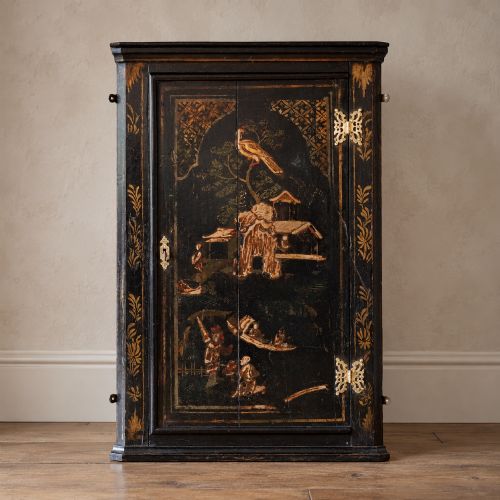
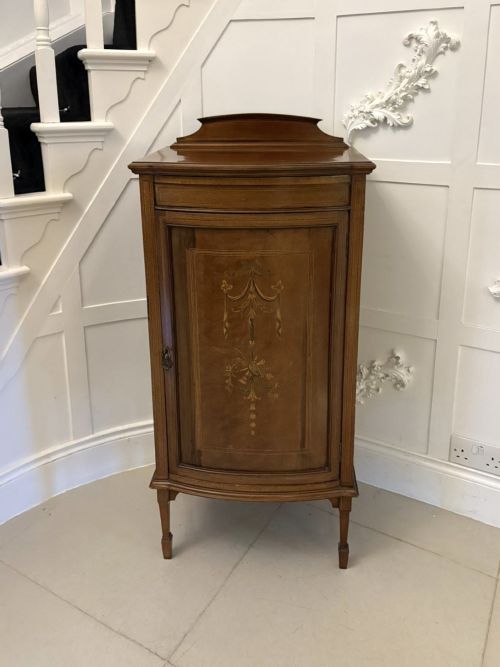
Decorative elements set finer pieces apart, from delicate satinwood inlay and japanned chinoiserie to architectural mouldings and matched wood grains. The integration of period glass or marble tops further separates standard storage from exceptional cabinet work.
Walker & Sons·Maurice Adams
The Antique Corner Storage Cabinet Glossary
- Bow front
- A convex curved cabinet front that projects forward in a gentle arc. This shape softens the hard lines of a room corner.
- Marquetry
- Decorative veneer patterns applied to the furniture surface using different coloured woods. Craftsmen assemble these geometric or floral designs by hand.
- Escutcheon
- A protective plate surrounding a keyhole in a cabinet door. Brass is the standard metal used for these fittings.
- Cornice
- The moulded projection that crowns the top of a cabinet. It provides a finished architectural transition to the ceiling.
- Chinoiserie
- European decorative art imitating Chinese styles, often featuring painted or lacquered scenes. Japanned finishes fall into this decorative tradition.
Antique Corner Storage Cabinet: Frequently Asked Questions
How do I install a wall-hanging corner cabinet?
Wall-hanging corner cupboards require secure fixings into solid masonry or substantial wall studs to bear the weight of the timber and its contents.
Because these units pull forward from the corner, proper weight distribution prevents strain on the original hanging brackets.
What is the difference between wall and floor standing cabinets?
Wall-mounted versions hang higher up on the wall to save floor space, often featuring shaped shelving inside for display.
Floor-standing units rest directly on the ground, frequently built in two parts to aid movement and provide extensive interior storage.
How do I care for antique timber corner furniture?
Keep wooden cabinets away from direct heat sources and dramatic humidity shifts to prevent timber splitting or warping.
Apply traditional beeswax periodically to nourish the polished surfaces and maintain the natural lustre of the grain.
Are bow front corner cupboards harder to place?
Bow front cabinets project further into the room than flat-fronted designs due to their curved doors.
Measure the adjacent wall clearances carefully to ensure the protruding curve does not obstruct nearby doors or furniture.