


Antique Corner Locker
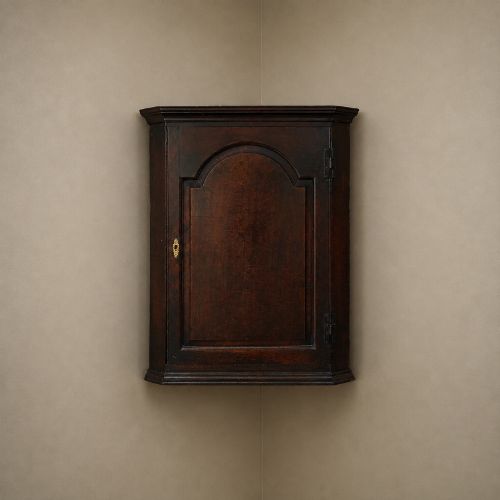
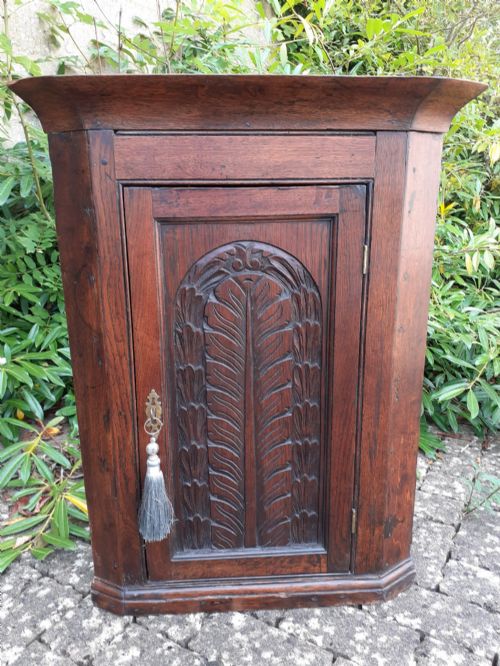
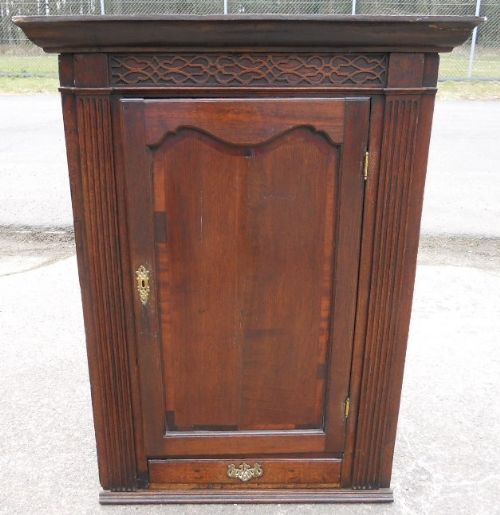
These antique corner locker pieces are ingenious space-saving storage units designed to fit snugly into a room junction, bringing period character to empty angles.
Antique Corner Locker
An antique corner locker provides fitted storage specifically built to occupy the meeting point of two walls, making efficient use of awkward room layouts. These pieces range from wall-hanging models to substantial floor-standing cabinets.
Most entries are straightforward wall-hanging corner cupboards or cabinets, though related variations include military-style lockers and side cabinets with marquetry inlay.
Materials and construction
Cabinet makers relied heavily on timber such as oak, mahogany, and walnut to construct these sturdy carcass frames. Dense hardwoods provided the structural integrity needed for heavy doors and shelving.
Detailing often included brass fittings, boxwood elements, and marquetry inlay to embellish the surface facades. Wall-hanging variants required robust internal framing to support the weight of the timber when mounted.
Military-style lockers bring a touch of the parade ground indoors, ready for action even if your campaign is only conquering household clutter.
Judgements of quality
Quality rests upon the selection of timber grain and the finesse of the joinery rather than mere age. Finely figured mahogany or rich burr walnut elevates a piece far above utilitarian pine examples.
The integration of decorative accents, such as crisp boxwood stringing or substantial brass hardware, distinguishes standard utility pieces from finer cabinet work.
The Antique Corner Locker Glossary
- Bow front
- A convex curved cabinet face that projects outward from the corner. This curved profile requires specialised woodworking skill to shape.
- Marquetry
- Decorative patterns created by fitting small pieces of veneer into the wooden surface. It utilises contrasting timbers to form intricate pictorial designs.
- Wall hanging
- A cabinet designed to be mounted directly onto wall studs rather than resting on the floor. It typically includes integrated hanging brackets.
Antique Corner Locker: Frequently Asked Questions
How do I hang a heavy corner cupboard?
Wall-hanging corner cupboards require secure fixing directly into masonry or robust wall studs using appropriate heavy-duty brackets. Given the weight of aged oak and mahogany carcasses, professional installation is strongly recommended.
Ensure the internal hanging points are thoroughly checked for stability before loading the interior shelves with heavy items or dinnerware.
Are these cabinets suitable for modern rooms?
These cabinets excel in contemporary interiors by utilising neglected room angles for practical storage without encroaching on floor space. Their rich timber tones introduce warmth and historical texture to plain plaster walls.
They function effectively in kitchens for crockery, hallways for miscellaneous items, or living areas for display purposes.
What is the difference between oak and mahogany models?
Oak examples tend to originate from earlier periods, such as the eighteenth century, displaying pronounced grain patterns and traditional country craftsmanship. They offer a rustic, robust aesthetic suited to period properties.
Mahogany and walnut versions often reflect later Georgian or Victorian refinements, featuring smoother surfaces, darker reddish-brown hues, and more formal decorative treatments.
How do I identify a Georgian corner cupboard?
Georgian pieces generally exhibit traditional construction methods, hand-cut dovetails, and classical proportions associated with eighteenth-century cabinet making. They frequently feature solid oak or mahogany construction with simple panelled doors.
Later revival styles from the Victorian era often emulate these Georgian traits but may incorporate machine-sawn timber elements or distinct hardware variations.