



Antique Corner Dresser
An antique corner dresser stands ready to anchor an awkward room, turning wasted angles into rich architectural display.
Antique Corner Dresser
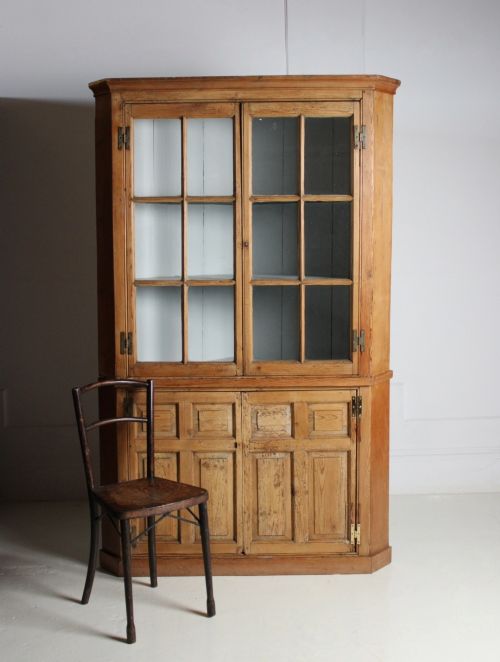
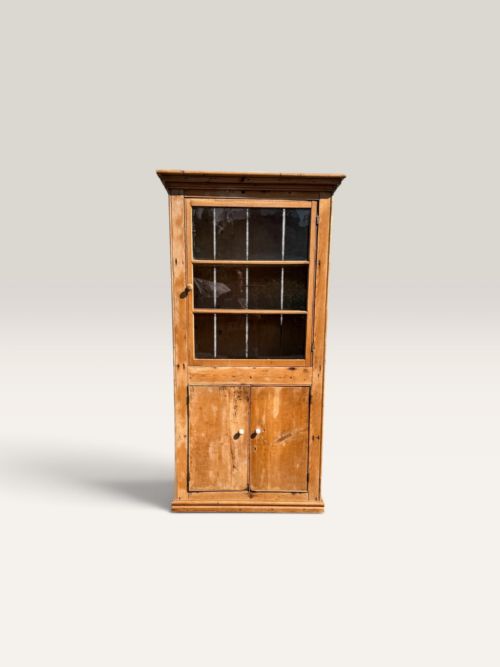
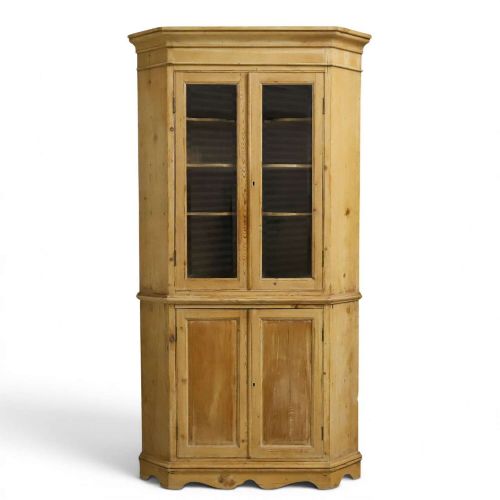
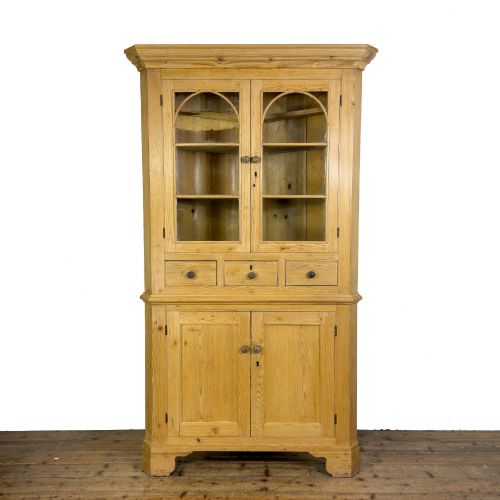
An antique corner dresser brings together utilitarian storage and tailored geometry, designed specifically to fit into the juncture of two walls. Buyers searching for an antique corner dresser encounter pieces ranging from tall two-part Welsh oak cupboards to simpler pine cabinets with glass doors.
The form developed to utilise neglected space in domestic interiors, offering upper display shelves behind glazed doors and enclosed storage below. Examples span periods from the eighteenth century through the Victorian era, showing regional construction in woods like mahogany, pine, and oak.
How they were made
Cabinetmakers constructed these corner units in two sections to ease transport up staircases and into domestic rooms. Carcasses rely on solid timbers such as mahogany, oak, and pine, joined with traditional techniques suited to heavy corner loads.
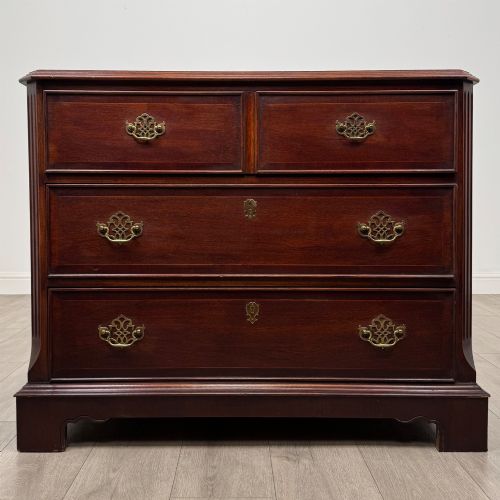
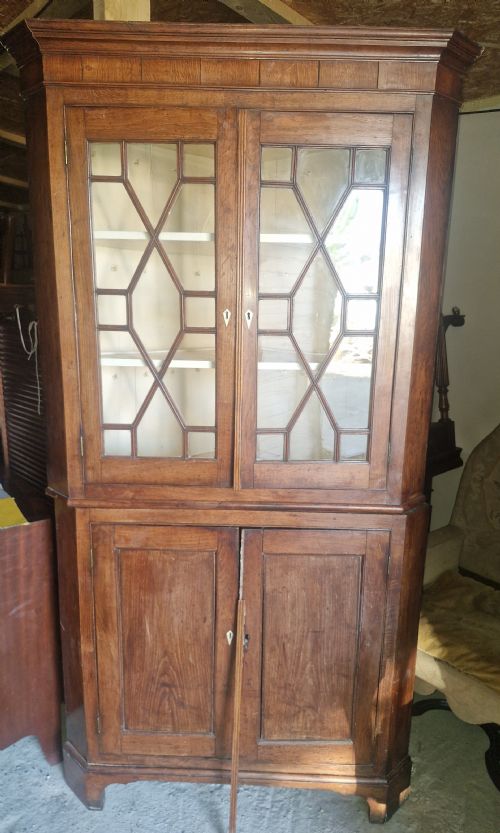
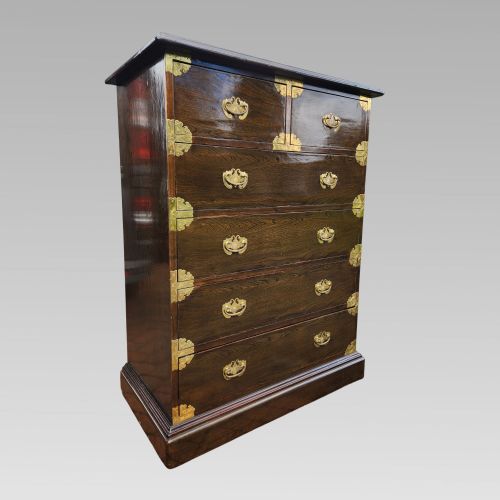
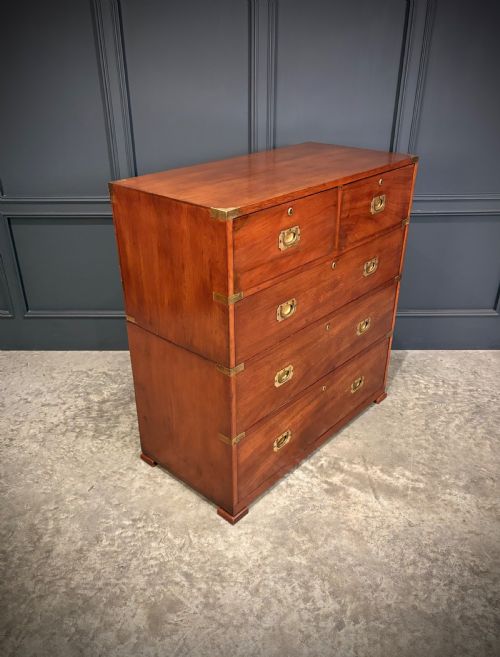
Glazing bars hold individual panes of glass within upper doors, while brass hardware, including campaign drop handles and strapwork, appears on utilitarian and travel-focused variations.
Listings span the eighteenth, nineteenth, and early twentieth centuries, featuring materials from pitch pine and mahogany to teak and walnut.
What varies in quality
The calibre of an antique corner dresser rests on timber selection, seen in the grain figure of the mahogany, walnut, or elm used for the primary surfaces. Superior examples demonstrate crisp architectural mouldings, well-fitted doors, and original brass or iron hardware.
Proportion and interior preservation set finer pieces apart, particularly where shelving remains intact and backboards are original rather than replaced.
Ross And Co
The Antique Corner Dresser Glossary
- Two-part form
- A piece of furniture built in separate upper and lower sections for ease of movement. This construction is common in tall corner cupboards and large cabinets.
- Campaign chest
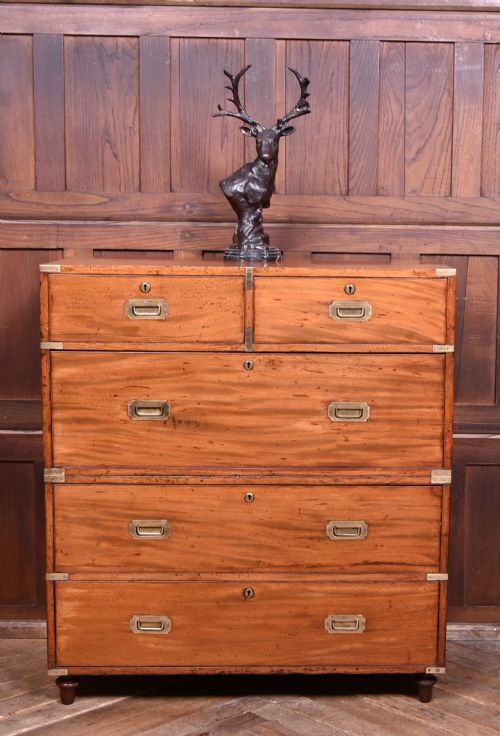
- A portable set of drawers made in multiple sections with inset brass handles. These pieces were designed for military officers on the move.
- Glazed doors
- Doors fitted with glass panes to allow the display of porcelain or glassware. They protect contents from dust while keeping them visible.
- Architectural standing corner cupboard
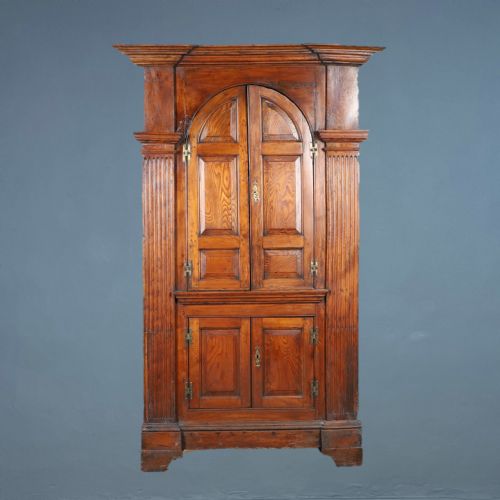
- A freestanding corner unit featuring classical building details such as cornices, pilasters, and pediments. These elements mimic full-scale interior woodwork.
Antique Corner Dresser: Frequently Asked Questions
How do I place an antique corner dresser?
Position the unit squarely into a ninety-degree room junction where straight furniture leaves awkward gaps. Ensure the adjacent walls provide enough clearance for the door swings.
Allow the piece to anchor a dining room or hallway, using the upper display space for ceramics and the lower cupboard for heavier household items.
What woods were used for corner dressers?
Cabinetmakers utilised native and imported timbers depending on the period and region of manufacture. Oak and pine appear frequently in regional Welsh and English country pieces.
Mahogany and walnut emerge in more formal urban workshops, offering denser grain and a darker natural tone.
Can I separate a two-part corner cupboard?
Two-part corner cupboards are specifically constructed to divide into an upper and lower section for transport. This modular design makes moving the tall units through doorways manageable.
Reassembly requires ensuring the upper section sits level upon the lower base, often secured against the wall with brackets for stability.
How do I tell eighteenth-century pine from Victorian pine?
Eighteenth-century pine furniture often displays broader boards, hand-planed surfaces, and simpler structural joins fastened with handmade nails or pegs. The timber patination tends to show deeper amber tones from age and wax.
Victorian pine pieces frequently exhibit machine-sawn timber, standardised mouldings, and factory-produced hardware reflecting industrial production methods.