

Antique Copper Lighting
Antique copper lighting brings warmth and utility into rooms through lanterns, candlesticks and floor lamps shaped by decades of design.
Antique Copper Lighting
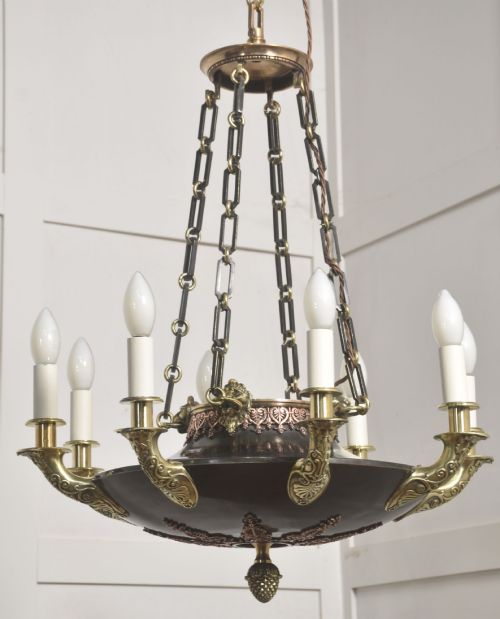
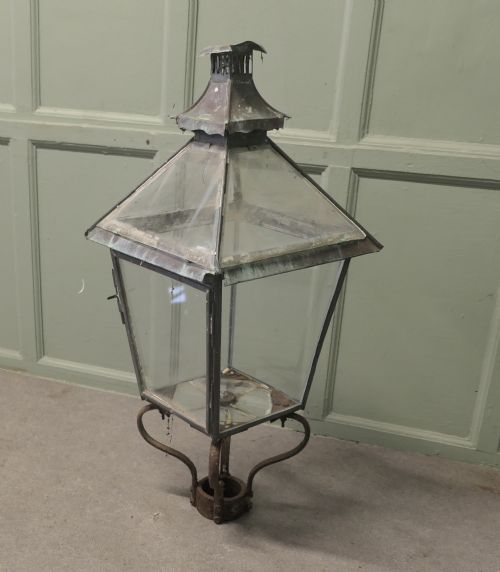
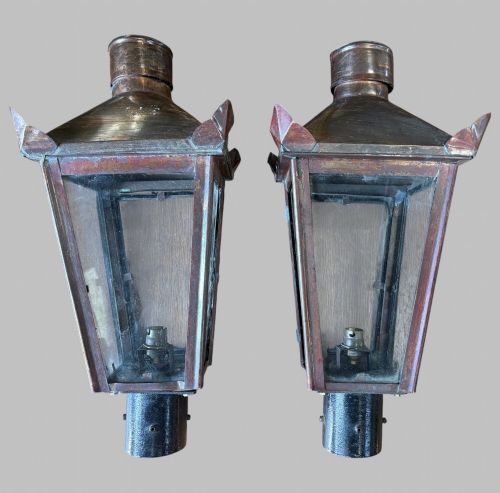
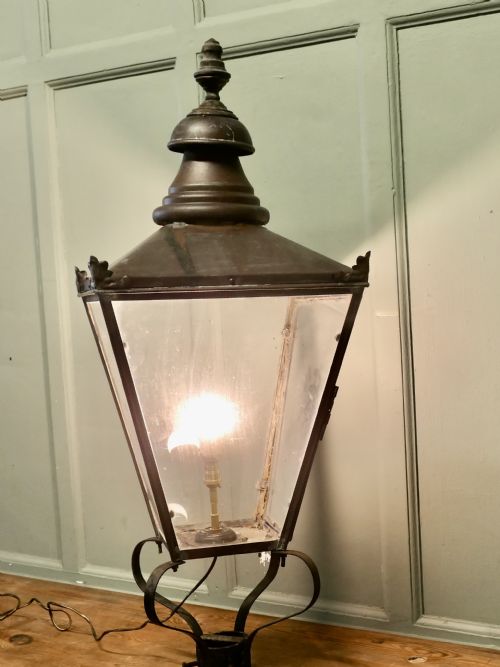
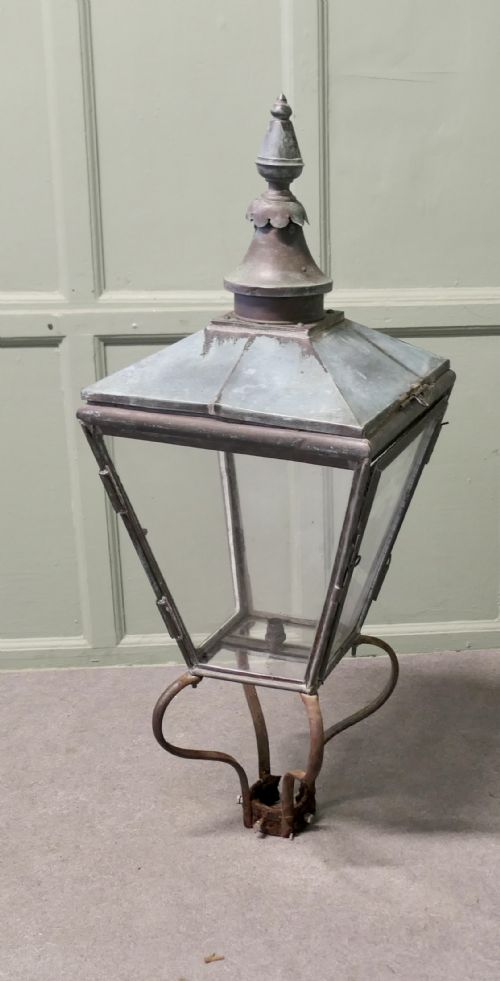
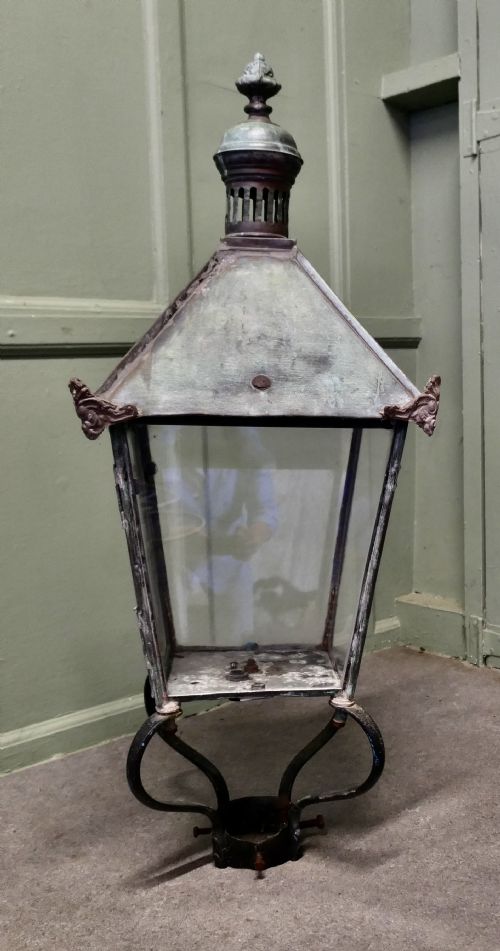
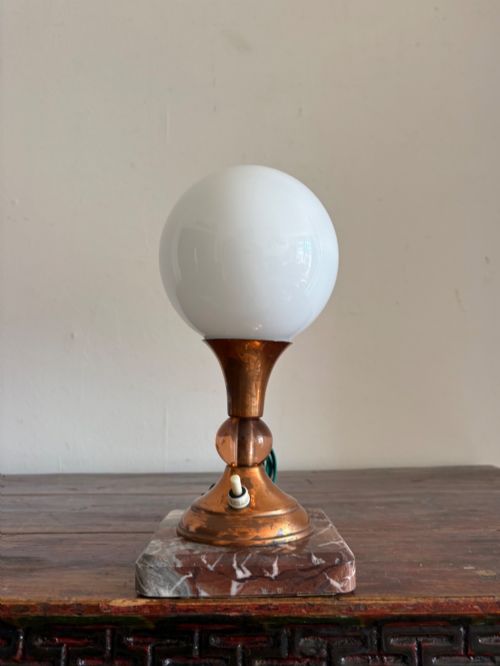
When searching for antique copper lighting, buyers encounter a mix of utilitarian street lanterns, railway lamps, coach-house fixtures and domestic items such as table lamps and candlesticks. These pieces span periods from the Victorian era and Edwardian times through the Arts and Crafts movement, Art Nouveau and Art Deco.
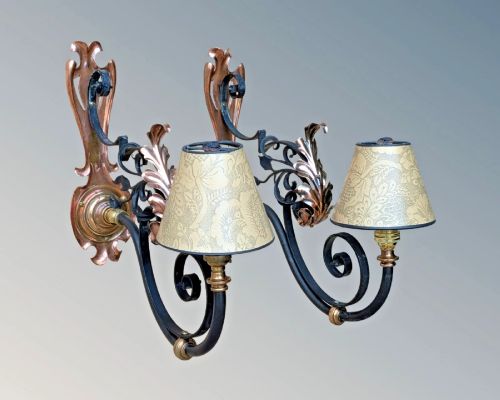
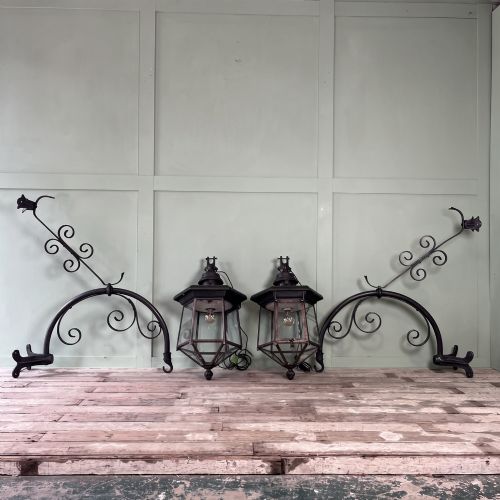
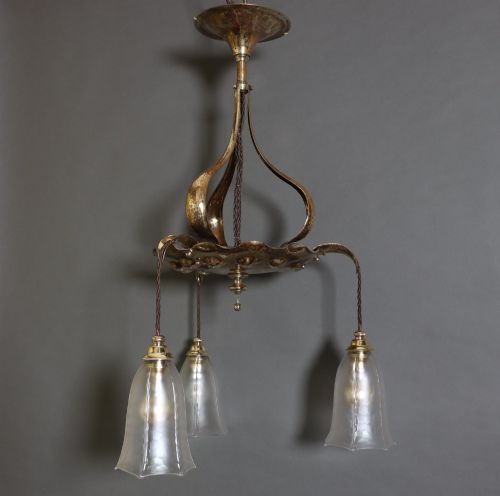
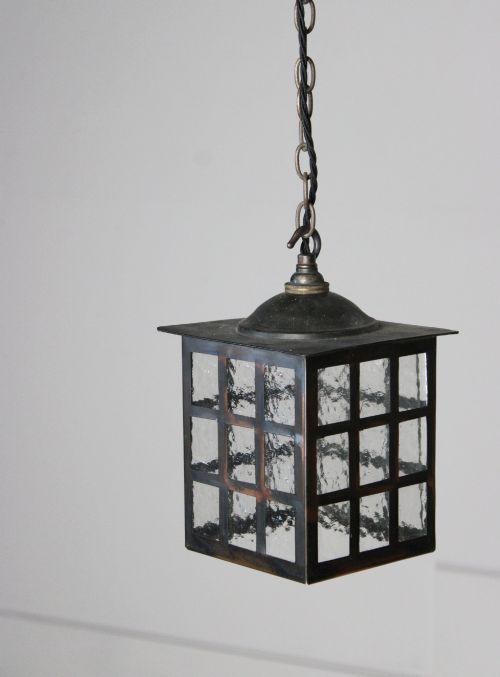
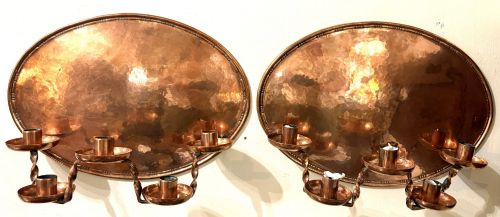
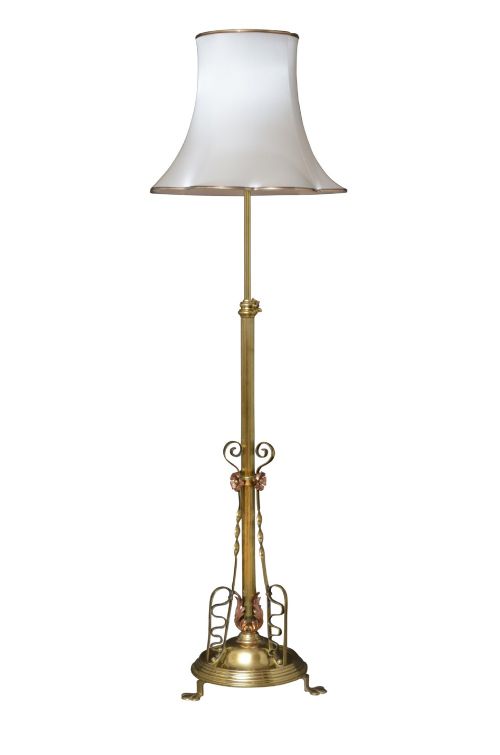
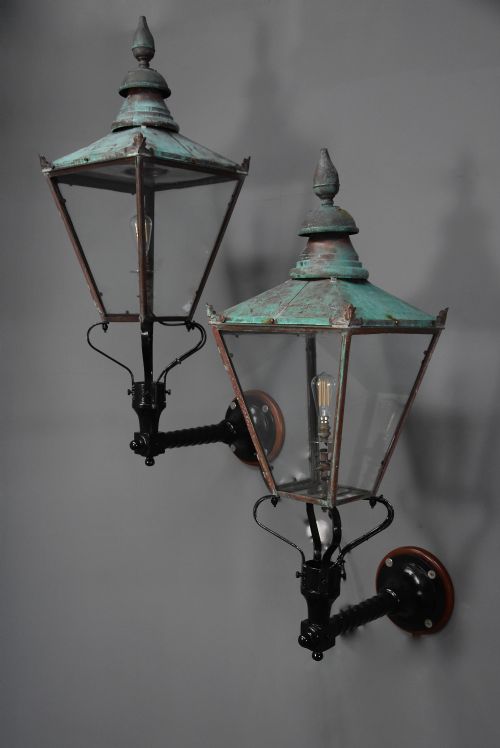
The domestic selection includes standard floor lamps, wall sconces and pendant lights, often paired with brass, glass or iron details. Larger outdoor examples comprise gate post lanterns and street lights originally built for gas or oil.
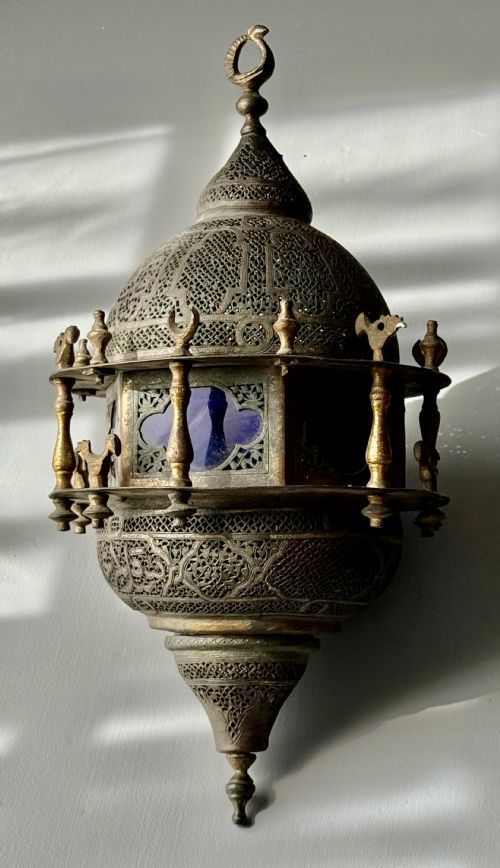
Origin styles range from English and French designs to Dutch Amsterdam School interpretations and Moorish pierced metal work.
How antique copper lighting was made
Items are constructed from sheet copper and wrought iron, frequently combined with cast brass components, clear or smoked glass panels and opaline shades. Metal is beaten, pierced or folded to form structural bodies and decorative shades.
Surface treatments include verdigris patination, polished metal finishes andSheffield plating over base metals. Many hanging and wall-mounted pieces incorporate iron brackets or wood mounts for structural support.
Antique Copper Lighting Retail Price Guide 2026
Typical asking prices for copper lighting among the pieces listed under this phrase on Sellingantiques today, from the lower quarter to the upper quarter. They describe what is for sale here now, not the wider market.
Listings feature items spanning the 19th Century, Victorian, Edwardian, 1900, 1920, and 1930 periods in copper, brass, iron, glass and wood.
What varies in quality
Quality rests in the weight of the metal and the crispness of the hand-beaten or pierced work, distinguishing robust utility items from finer decorative pieces. The integrity of original glass panels and the complexity of bracket supports also influence the overall standard.
Workmanship shows in the seamless integration of brass and copper elements, alongside the survival of authentic patina and period mechanisms such as height-adjustable stems.
REVO Leicester·Maison Jansen·Andre Arbus·Alderson and Gyde Ltd·Gustave Serrurier Bovy
The Antique Copper Lighting Glossary
- Pricket candlestick
- A candle holder featuring a central spike upon which the candle is mounted rather than sitting inside a socket.
- Verdigris patination
- A green or bluish coating formed naturally or chemically on copper over time.
- Standard lamp
- A tall floor-standing lamp designed to provide general illumination in a room.
- Sconce
- A wall-mounted lighting fixture designed to hold candles, oil or electric bulbs.
- Opaline shade
- A translucent milky-white glass shade used to diffuse light softly.
Antique Copper Lighting: Frequently Asked Questions
How do I hang a heavy copper lantern?
Heavy copper lanterns require fixing directly into ceiling joists or solid wall anchors using appropriate steel brackets to bear the combined weight of the metal and glass.
Electrical wiring must be routed through the existing hanging loop or mounting bracket, ensuring the internal lampholder matches modern safety standards.
Can outdoor lanterns be used inside?
Outdoor lanterns such as street lights and coach-house fixtures adapt well to interior spaces when mounted on sturdy walls or hallways.
Their substantial scale makes them focal points, though the original wiring or gas fittings must be converted for indoor electrical use.
How do I clean antique copper?
Cleaning antique copper requires a soft cloth to remove dust without disturbing the underlying surface patination or protective historical finish.
Abrasive polishes should be avoided to preserve the character and colour built up over decades or centuries of exposure.
What is the Amsterdam School style?
The Amsterdam School style emerged in the early twentieth century, focusing on expressive brickwork, organic forms and sculptural metalwork.
Lighting from this movement typically combines beaten patinated copper with contrasting brass elements and geometric silhouettes.