




Fringed Standard Lamp
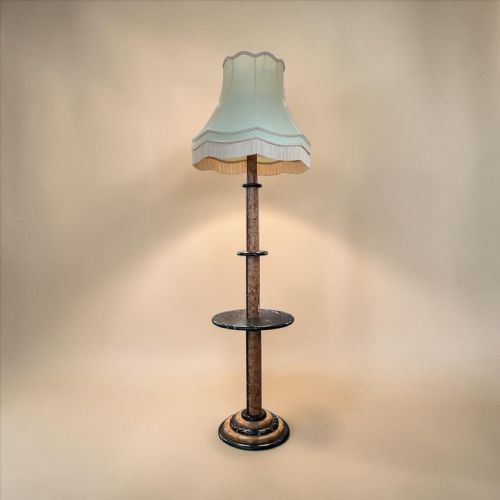
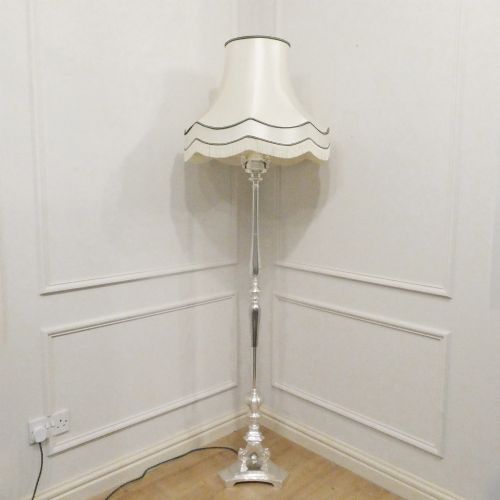
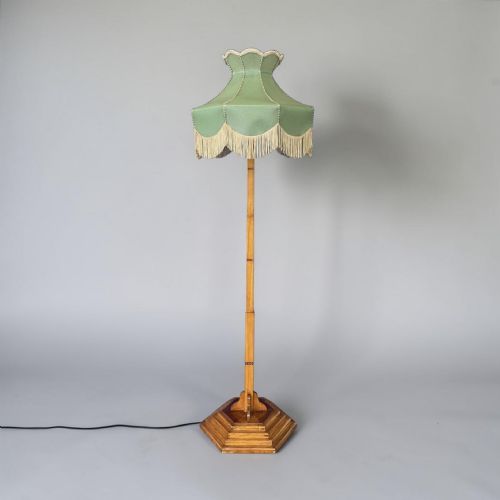
A fringed standard lamp brings height and ambient light to a corner, combining structural presence with soft, textured shading.
Fringed Standard Lamp
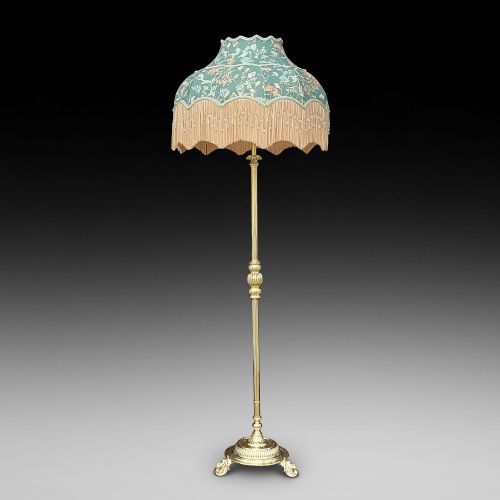
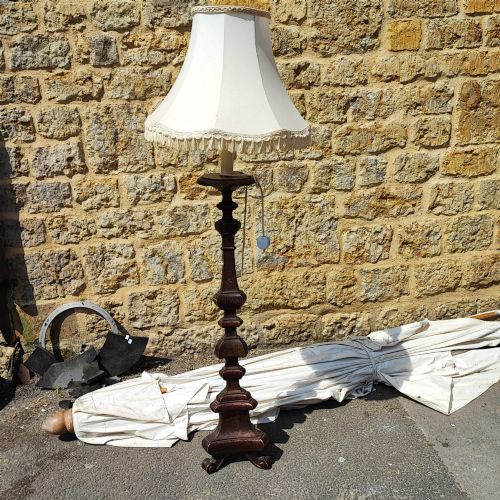
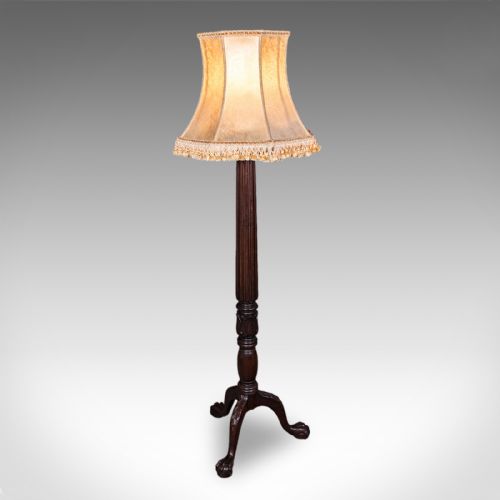
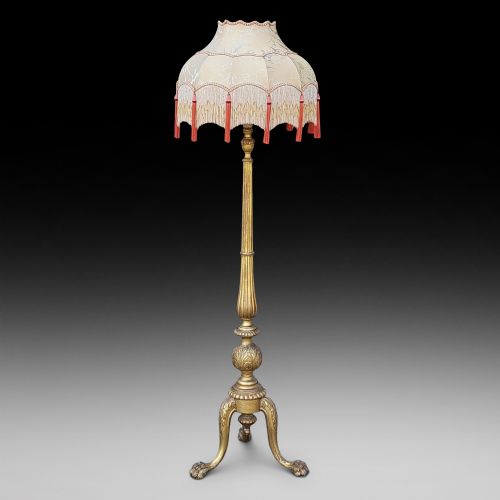
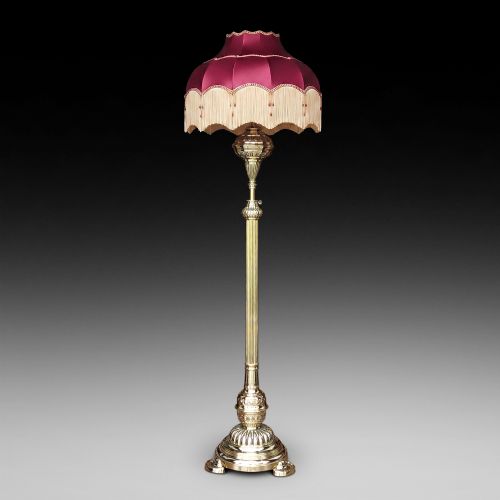
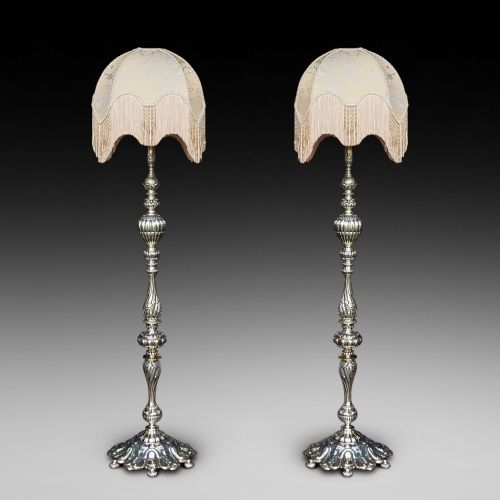
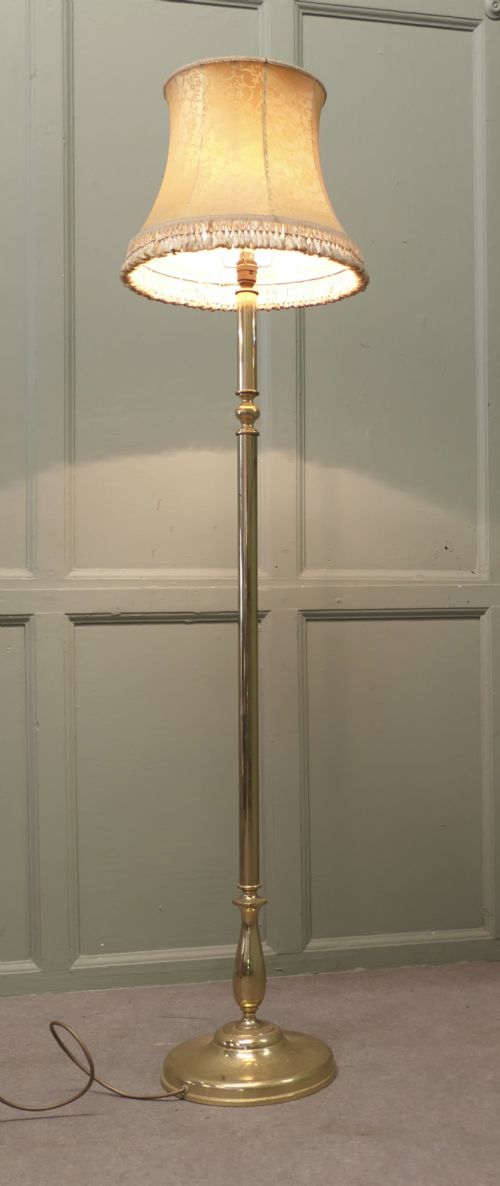
When you search for a fringed standard lamp, you encounter tall interior lighting designed to stand directly on the floor rather than on furniture. These pieces combine vertical stands made from metal, wood, or stone with decorative shades that incorporate hanging textile trims. The selection spans the Victorian and Edwardian eras through to the 1920s and 1930s, reflecting shifts in domestic interior taste.
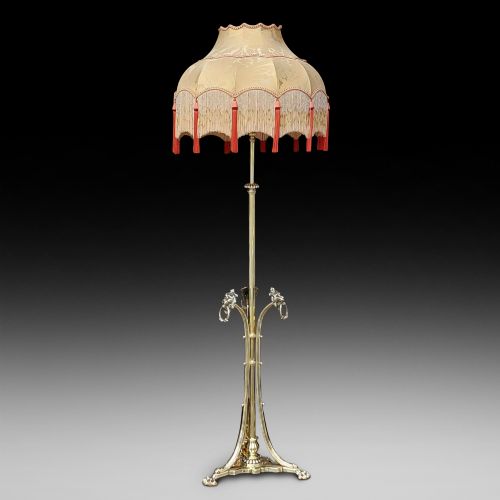
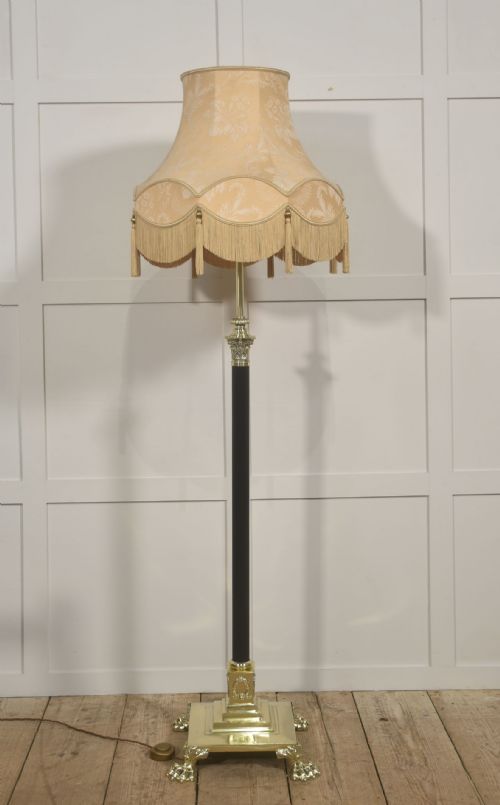
The most common versions on this page are brass standard lamps dating from the Victorian and Edwardian periods, often featuring adjustable stems or telescopic mechanisms. Alongside these metal columns, you find carved mahogany, giltwood, and painted Chinoiserie floor lamps from the early twentieth century. Many incorporate period adaptations, transitioning from original oil or paraffin burners to wired electric fixtures.
Floor lamps from this category serve both practical reading functions and decorative roles in larger reception rooms. Styles range from strict Neoclassical Corinthian columns and Arts and Crafts wrought iron to ornate French Chateau and Italian Baroque giltwood shapes. The inclusion of fringe on the shade softens the upper illumination and provides a distinct period silhouette.
Quality differences in standard lamps
Construction weight separates standard production from finer workshop output, particularly in the thickness of cast brass and the stability of the base. Heavy metal columns and solid marble plinths prevent tipping, whereas lighter tubular brass can feel insubstantial. The precision of the telescopic adjustment mechanism indicates the original grade of manufacture.
Carving depth and finish detail distinguish wooden and giltwood examples. Hand-carved mahogany and crisply modelled giltwood display sharp relief and controlled surface treatments, unlike simpler turned beech or hasty surface decoration. Original components, such as verified period burners or matching heavy bases, retain greater integrity than heavily altered pieces.
Fringed Standard Lamp Retail Price Guide 2026
Typical asking prices for fringed standard lamp among the pieces listed under this phrase on Sellingantiques today, from the lower quarter to the upper quarter. They describe what is for sale here now, not the wider market.
Listings feature Victorian, Edwardian, and 1930s periods, using brass, giltwood, mahogany, marble, and silk.
Hinks of B'ham
The Fringed Standard Lamp Glossary
- Standard lamp
- A tall floor-standing lamp designed to illuminate a room from a vertical post. These fixtures free up table space and provide adjustable height for reading.
- Corinthian column
- A classical architectural column style featuring an ornate capital decorated with acanthus leaves. This motif frequently appears on top-tier Victorian brass lamp standards.
- Telescopic
- An adjustable stem mechanism allowing the height of the lamp to extend or lower. This engineering feature was essential for oil lamps and early electric conversions.
- Giltwood
- Wood that has been coated with a thin layer of gold leaf or gilt paint. It is common in decorative Italian and French revival floor lamps.
- Chinoiserie
- European decorative style reflecting Chinese artistic motifs, typically executed in lacquered black finishes with painted gold figures. It defines specific Edwardian and 1920s floor lamps.
- Fringe
- Ornamental textile trimming hanging from the edge of a lampshade. It diffuses light and characterises period soft furnishings.
Fringed Standard Lamp: Frequently Asked Questions
Where should I place a standard lamp?
These tall floor lights suit corners of sitting rooms or beside low armchairs where they can cast downward illumination for reading. Their height fills vertical empty space in a room scheme.
Ensure the heavy base rests on firm flooring so the upright column remains stable and secure during daily use.
Are these lamps still wired for oil?
Most surviving examples have been safely converted to modern electricity while retaining their original brass burners, switches, or telescopic stems.
Qualified electricians can easily update internal wiring to meet current safety standards without altering the external antique appearance.
How do I identify a Victorian standard lamp?
Victorian examples frequently display heavy cast brass construction, Corinthian column details, or functional oil reservoir collars near the top of the stem. Telescopic mechanisms and stepped metal bases are also typical of this period.
Later Edwardian and 1920s models often introduce painted lacquer, carved mahogany, or giltwood finishes alongside lighter proportions.
Can I adjust the height?
Many brass models feature telescopic stems with thumb screws or sliding inner columns designed to alter the overall height of the light source.
Wooden and giltwood versions are usually fixed in height, relying on their inherent proportions rather than mechanical adjustment.